
 EN
EN

Determinar el momento óptimo para actualizar su línea de producción de paneles de pared de PVC requiere una evaluación cuidadosa de múltiples factores operativos y de mercado. Las instalaciones manufactureras se enfrentan a esta decisión crítica cuando los equipos existentes comienzan a limitar la capacidad de producción, la calidad del producto o la eficiencia operativa. El momento en que se realicen dichas actualizaciones puede afectar significativamente su posición competitiva, sus costos operativos y su capacidad para satisfacer las demandas cambiantes del mercado en el sector de materiales de construcción decorativos.
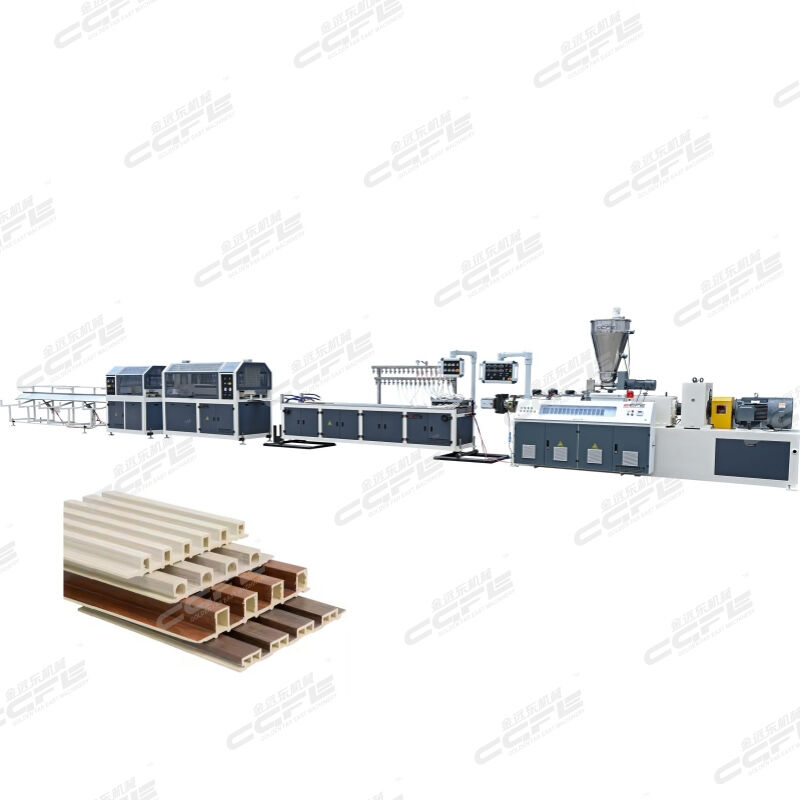
La decisión de actualizar implica analizar las capacidades de producción actuales frente a los objetivos empresariales futuros, teniendo en cuenta los avances tecnológicos y las tendencias del mercado. Los sistemas modernos de líneas de producción de paneles de PVC para paredes ofrecen una automatización mejorada, una mayor eficiencia energética y mayores capacidades de personalización de productos, lo que puede transformar las operaciones de fabricación. Comprender cuándo estos beneficios justifican la inversión requiere examinar indicadores operativos específicos y consideraciones estratégicas empresariales.
Indicadores de capacidad y eficiencia de producción
Limitaciones del volumen de producción
Cuando su línea de producción actual de paneles de pared de PVC opera constantemente a máxima capacidad pero no puede satisfacer la demanda de los clientes, el momento de la actualización se vuelve crítico. Los cuellos de botella en la producción que obligan a retrasar pedidos o hacen perder oportunidades de venta indican la necesidad inmediata de aumentar la capacidad. Las instalaciones de fabricación que experimentan un crecimiento sostenido de la demanda durante seis a doce meses deben evaluar si los equipos existentes pueden soportar los incrementos de volumen proyectados.
Las líneas de producción modernas ofrecen tasas de rendimiento significativamente más altas en comparación con los sistemas antiguos. Si su línea actual produce menos paneles por hora de lo que sugieren las referencias del sector como posible, la brecha de productividad podría justificar la inversión en una actualización. Calcular el impacto en los ingresos derivado de un aumento de la capacidad de producción ayuda a determinar si los costos de la actualización generan un retorno de la inversión aceptable dentro de los plazos previstos.
Consumo energético y costos operativos
El aumento de los costos energéticos hace que los sistemas antiguos de líneas de producción de paneles murales de PVC sean cada vez más costosos de operar. Los equipos de nueva generación suelen consumir un veinte a un treinta por ciento menos de energía, manteniendo o mejorando la calidad de la producción. Cuando los gastos mensuales de servicios públicos representan una parte significativa de los costos de producción, actualizar a sistemas eficientes desde el punto de vista energético puede reducir sustancialmente los gastos operativos.
Las líneas de producción avanzadas incorporan sistemas de calefacción inteligentes, controles optimizados de motores y funciones automatizadas de gestión de energía que minimizan el desperdicio energético. Si su sistema actual carece de estas tecnologías de eficiencia, calcular los ahorros potenciales de energía durante un período de tres a cinco años suele respaldar la justificación de la actualización. Las instalaciones que operan en varios turnos se benefician especialmente de las actualizaciones eficientes desde el punto de vista energético debido a sus prolongadas horas de funcionamiento.
Normas de Calidad y Requisitos del Mercado
Consistencia de la calidad del producto
La calidad inconsistente de los productos debida al envejecimiento del equipo genera problemas de satisfacción del cliente y posibles reclamaciones bajo garantía. Cuando su línea de producción de paneles de pared de PVC fabrica paneles con variaciones dimensionales, defectos superficiales o inconsistencias estructurales que superan las tolerancias aceptables, la necesidad de actualizar el equipo se vuelve urgente. Los sistemas modernos ofrecen un control de proceso y capacidades de supervisión de calidad superiores, lo que garantiza especificaciones de producto consistentes.
Las líneas de producción avanzadas incorporan sistemas de supervisión de calidad en tiempo real que detectan desviaciones de inmediato y ajustan automáticamente los parámetros. Si su equipo actual requiere ajustes manuales frecuentes o genera una cantidad significativa de residuos debido a problemas de calidad, la actualización puede mejorar tanto la consistencia del producto como las tasas de aprovechamiento de materiales. Las quejas o devoluciones de clientes relacionadas con la calidad suelen indicar limitaciones del equipo que exigen soluciones modernas.
Flexibilidad de diseño y demandas de personalización
Las tendencias del mercado hacia diseños personalizados de paneles de pared exigen equipos de producción capaces de manejar diversas especificaciones. Los sistemas antiguos de líneas de producción de paneles de pared de PVC suelen limitar las opciones de diseño a perfiles básicos y dimensiones estándar. Cuando los clientes solicitan cada vez más colores, texturas o especificaciones dimensionales personalizadas, los equipos inflexibles restringen las oportunidades de crecimiento empresarial.
Los sistemas de producción contemporáneos ofrecen configuraciones modulares de herramientas y sistemas de control programables que permiten adaptarse a diversos diseños de paneles sin necesidad de procedimientos extensos de cambio de configuración. Si las solicitudes de cambio de diseño provocan tiempos prolongados de preparación o configuraciones imposibles en los equipos actuales, la actualización permite ampliar la participación en el mercado y acceder a oportunidades de precios premium para productos especializados.
Avance tecnológico y posición competitiva
Automatización y Requisitos de Mano de Obra
Las escaseces de mano de obra y el aumento de los costos salariales hacen que las actualizaciones de automatización resulten financieramente atractivas para muchos fabricantes. Los sistemas modernos de líneas de producción de paneles de pared de PVC requieren menos operarios, manteniendo al mismo tiempo tasas de producción más elevadas. Cuando las dificultades de contratación o los costos laborales impactan significativamente en los gastos operativos, los sistemas automatizados ofrecen soluciones sostenibles para una producción constante.
Las líneas de producción avanzadas incorporan manipulación robótica de materiales, inspección automática de calidad y sistemas inteligentes de control de procesos que reducen los requerimientos de intervención manual. Las instalaciones que enfrentan dificultades para capacitar a nuevos operarios o mantener niveles adecuados de personal calificado se benefician sustancialmente de las inversiones en actualizaciones automatizadas. La reducción de la dependencia de la mano de obra mejora asimismo la flexibilidad en la programación de la producción y la fiabilidad operativa.
Integración digital y normas industriales
Las tendencias de digitalización industrial exigen equipos de producción compatibles con sistemas modernos de ejecución de fabricación y plataformas de análisis de datos. Los equipos antiguos de líneas de producción de paneles de PVC para paredes suelen carecer de funciones de conectividad necesarias para una gestión integrada de la fabricación. Cuando la optimización operativa requiere datos de producción en tiempo real y capacidades de monitoreo remoto, las actualizaciones de equipos se vuelven esenciales para mantener una posición competitiva.
Las iniciativas de fabricación inteligente dependen de equipos capaces de proporcionar datos operativos exhaustivos para su análisis y optimización. Si su sistema actual opera de forma independiente, sin posibilidades de integración, actualizarlo a equipos conectados permite participar en iniciativas de transformación digital que mejoran la eficacia general de la fabricación y las capacidades de toma de decisiones.
Consideraciones financieras y estratégicas sobre el momento adecuado
Costos de mantenimiento y fiabilidad del equipo
Los gastos crecientes de mantenimiento y las averías frecuentes indican que el equipo existente se acerca a su fin de vida útil. Cuando su línea de producción de paneles de pared pvc requiere reparaciones cada vez más costosas o experimenta paradas no planificadas que afectan los plazos de entrega, el momento de su sustitución se vuelve crítico. Comparar los costes anuales de mantenimiento con los pagos correspondientes a equipos nuevos revela, con frecuencia, las ventajas de una actualización.
La disponibilidad limitada de piezas de repuesto y el soporte técnico restringido para sistemas antiguos generan riesgos operativos que los equipos más recientes eliminan. Cuando los plazos de entrega de componentes superan los períodos aceptables o resulta difícil encontrar la experiencia técnica necesaria, la planificación proactiva de la actualización evita interrupciones en la producción. Los sistemas modernos suelen incluir cobertura integral de garantía y recursos de soporte fácilmente accesibles, lo que mejora la confianza operativa.
Oportunidades de crecimiento del mercado y capacidad de inversión
Los planes de expansión empresarial que requieren un aumento de la capacidad de producción o nuevas capacidades de producto exigen una evaluación oportuna del equipo. Cuando el análisis de mercado indica un potencial de crecimiento sostenido que supera las capacidades actuales de producción, programar estratégicamente la actualización permite posicionar las instalaciones para aprovechar las oportunidades. Retrasar las actualizaciones puede derivar en pérdida de cuota de mercado frente a competidores con capacidades de producción superiores.
Los ciclos de planificación financiera y la disponibilidad de capital influyen significativamente en las decisiones sobre el momento óptimo de las actualizaciones. Coordinar las compras de equipos con condiciones de financiación favorables o con la optimización del flujo de caja maximiza la eficacia de la inversión. Los beneficios fiscales derivados de la depreciación y los posibles incentivos gubernamentales para equipos energéticamente eficientes pueden influir en el momento óptimo para actualizar la línea de producción de paneles de pared de PVC dentro de periodos fiscales específicos.
Preguntas frecuentes
¿Cuánto tiempo dura típicamente una línea de producción de paneles de pared de PVC antes de requerir su sustitución?
La mayoría de las líneas de producción industriales de paneles de pared de PVC funcionan eficazmente durante quince a veinte años con un mantenimiento adecuado, aunque la obsolescencia tecnológica puede justificar su sustitución anticipada. El volumen de producción, las condiciones operativas y la calidad del mantenimiento influyen significativamente en la vida útil del equipo. Las instalaciones de alta capacidad pueden requerir actualizaciones antes debido al desgaste acelerado, mientras que los avances tecnológicos en automatización y eficiencia suelen hacer atractiva la sustitución antes del fin de vida mecánico.
¿Cuáles son las señales de advertencia que indican la necesidad inmediata de actualizar la línea de producción?
Las señales de advertencia críticas incluyen averías frecuentes que provocan retrasos en la producción, incapacidad para cumplir de forma constante con las especificaciones de calidad, costes de mantenimiento que superan el veinte por ciento del valor del equipo anualmente y reclamaciones de los clientes sobre la calidad del producto. Además, si su línea de producción no puede adaptarse a nuevos diseños de producto o a los requisitos del mercado, se vuelve necesaria una evaluación inmediata de actualización para mantener su posición competitiva y los niveles de satisfacción del cliente.
¿Se pueden implementar las actualizaciones de la línea de producción de forma gradual o deben ser sustituciones completas?
Muchas actualizaciones de líneas de producción de paneles de pared de PVC se pueden implementar de forma modular, lo que permite mejoras escalonadas que mantienen la continuidad de la producción. Componentes individuales, como extrusoras, sistemas de refrigeración o equipos de corte, suelen poder actualizarse de forma independiente. Sin embargo, diferencias tecnológicas significativas entre los sistemas antiguos y los nuevos pueden requerir una sustitución completa para lograr una integración óptima y los beneficios de rendimiento que justifiquen los costes de la inversión.
¿Cómo calculo el retorno de la inversión para una actualización de una línea de producción?
El cálculo del ROI debe incluir los ingresos derivados del aumento de la capacidad de producción, la reducción de los costes operativos, los ahorros energéticos, la disminución de los costes de mantenimiento y los beneficios derivados de la mejora de la calidad. Compare los costes totales de la actualización con los ahorros anuales proyectados y los ingresos adicionales generados durante un período de cinco a siete años. Tenga en cuenta los costes de financiación, los beneficios fiscales y las posibles paradas técnicas durante la instalación. La mayoría de los fabricantes establecen como objetivo periodos de recuperación de la inversión de tres a cinco años para las inversiones en actualización de líneas de producción.
Tabla de contenidos
- Indicadores de capacidad y eficiencia de producción
- Normas de Calidad y Requisitos del Mercado
- Avance tecnológico y posición competitiva
- Consideraciones financieras y estratégicas sobre el momento adecuado
-
Preguntas frecuentes
- ¿Cuánto tiempo dura típicamente una línea de producción de paneles de pared de PVC antes de requerir su sustitución?
- ¿Cuáles son las señales de advertencia que indican la necesidad inmediata de actualizar la línea de producción?
- ¿Se pueden implementar las actualizaciones de la línea de producción de forma gradual o deben ser sustituciones completas?
- ¿Cómo calculo el retorno de la inversión para una actualización de una línea de producción?