
 EN
EN

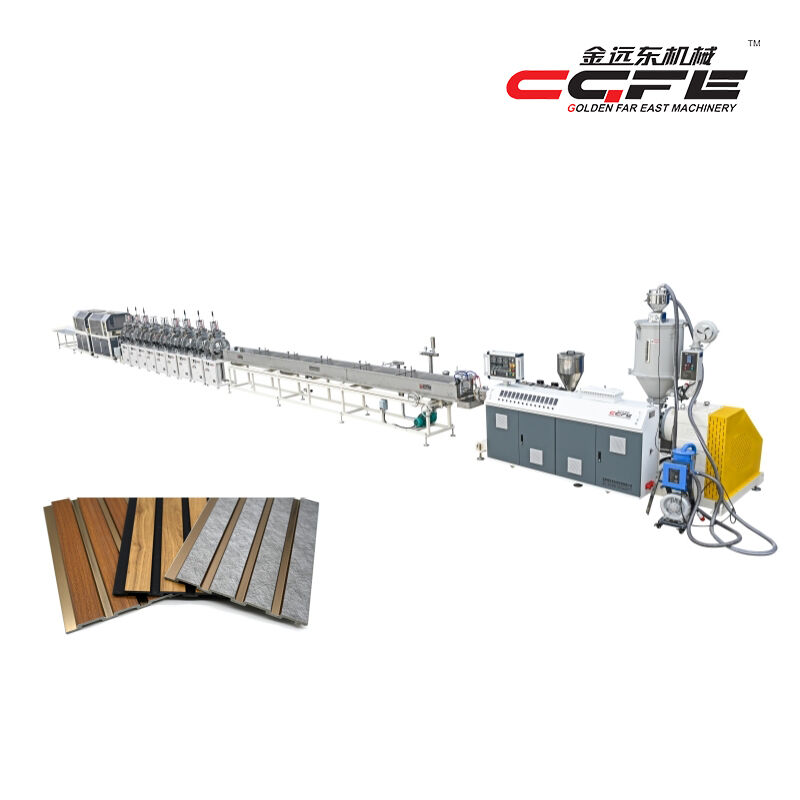
Công nghệ dây chuyền sản xuất profile PS đang trải qua sự chuyển đổi đáng kể vào năm 2026, nhờ những tiến bộ trong tự động hóa, khoa học vật liệu và các yêu cầu về hiệu quả năng lượng. Các nhà sản xuất đang triển khai các hệ thống ép đùn thế hệ mới tích hợp điều khiển trí tuệ nhân tạo, quản lý nhiệt độ chính xác và giám sát chất lượng thời gian thực nhằm đạt được độ đồng nhất sản xuất chưa từng có. Những đổi mới công nghệ này đang định hình lại quy trình sản xuất profile polystyrene, từ khâu chuẩn bị vật liệu ban đầu cho đến giai đoạn hoàn thiện sản phẩm cuối cùng.

Sự tiến hóa của dây chuyền sản xuất thanh định hình PS công nghệ năm 2026 phản ánh nhu cầu chung rộng lớn hơn của ngành công nghiệp đối với năng suất cao hơn, giảm thiểu phế thải và nâng cao độ chính xác của sản phẩm. Các hệ thống sản xuất hiện đại đang tích hợp các cảm biến tiên tiến, các thuật toán bảo trì dự đoán và các phương pháp thiết kế mô-đun, cho phép các nhà sản xuất thích ứng nhanh chóng với những yêu cầu thị trường thay đổi.
Các Hệ thống Điều khiển Ép đùn Tiên tiến
Quản lý Nhiệt Độ Chính Xác
Các hệ thống dây chuyền sản xuất thanh định hình PS hiện đại năm 2026 được trang bị các cơ chế kiểm soát nhiệt độ tinh vi nhằm duy trì chính xác các đặc tuyến nhiệt trong suốt quá trình ép đùn. Các hệ thống này sử dụng nhiều vùng gia nhiệt với các vòng điều khiển độc lập, cho phép người vận hành hiệu chỉnh tinh tế các gradient nhiệt dựa trên các công thức polystyrene cụ thể và hình học của thanh định hình. Các cảm biến nhiệt tiên tiến cung cấp phản hồi thời gian thực, cho phép thực hiện tự động điều chỉnh nhằm ngăn ngừa dao động nhiệt có thể làm giảm chất lượng sản phẩm.
Việc tích hợp công nghệ sưởi hồng ngoại cùng với các bộ phận gia nhiệt truyền thống đã cách mạng hóa độ đồng đều về nhiệt độ trong các dây chuyền sản xuất thanh định hình PS. Cách tiếp cận lai này đảm bảo phân bố nhiệt đồng đều trên toàn bộ mặt cắt ngang của thanh định hình, giảm thiểu sự tập trung ứng suất bên trong và cải thiện độ ổn định về kích thước. Các nhà sản xuất báo cáo những cải thiện đáng kể về tính nhất quán của sản phẩm khi triển khai các hệ thống quản lý nhiệt tiên tiến này.
Các thuật toán điều khiển nhiệt độ dự báo phân tích dữ liệu sản xuất lịch sử để dự đoán yêu cầu nhiệt dựa trên đặc tính vật liệu, điều kiện môi trường xung quanh và tốc độ sản xuất. Cách tiếp cận chủ động này giúp giảm thiểu các khuyết tật liên quan đến nhiệt độ và hạn chế lãng phí vật liệu trong các quy trình khởi động và chuyển đổi sản xuất, từ đó góp phần nâng cao hiệu quả sản xuất tổng thể.
Các Đổi Mới Thiết Kế Vít Thông Minh
Công nghệ dây chuyền sản xuất profile PS hiện đại tích hợp các cấu hình vít thông minh nhằm tối ưu hóa việc trộn vật liệu và phát triển áp suất dọc theo toàn bộ buồng ép đùn. Các thiết kế vít có bước vít thay đổi cho phép kiểm soát chính xác thời gian lưu trú của vật liệu, đảm bảo quá trình nóng chảy hoàn toàn và đồng nhất hóa các hợp chất polystyrene trong khi duy trì áp suất đầu ra ổn định.
Các hình học vít tiên tiến được trang bị các yếu tố trộn chuyên dụng, bố trí một cách chiến lược nhằm loại bỏ hiện tượng phân tầng vật liệu và cải thiện độ đồng đều về màu sắc trong các ứng dụng có sử dụng phẩm màu. Những cải tiến thiết kế này mang lại chất lượng bề mặt vượt trội và giảm yêu cầu xử lý hậu kỳ, từ đó tác động trực tiếp đến hiệu quả chi phí sản xuất.
Việc áp dụng các công nghệ phủ chống mài mòn lên bề mặt trục vít giúp kéo dài tuổi thọ hoạt động và duy trì hiệu suất ổn định trong suốt các ca sản xuất kéo dài. Các hệ thống dây chuyền sản xuất thanh định hình PS hiện đại sử dụng các hợp kim chuyên dụng và các phương pháp xử lý bề mặt nhằm chống lại mài mòn do va chạm, đặc biệt quan trọng khi gia công các hợp chất polystyrene có độ đầy (filled polystyrene) chứa phụ gia khoáng.
Tích hợp Giám sát Chất lượng Thông minh
Kiểm soát Kích thước Thời gian Thực
Các hệ thống dây chuyền sản xuất thanh định hình PS tiên tiến hiện nay tích hợp chức năng giám sát kích thước liên tục bằng công nghệ quét laser và camera độ phân giải cao. Những hệ thống này đo kích thước thanh định hình tại nhiều vị trí khác nhau trong quá trình sản xuất, cung cấp phản hồi tức thì cho các hệ thống điều khiển để điều chỉnh vị trí khuôn, tốc độ làm mát và lưu lượng vật liệu nhằm đảm bảo dung sai kích thước chặt chẽ.
Các thuật toán học máy phân tích các mẫu dữ liệu chiều để dự đoán thời điểm cần điều chỉnh, thường là trước khi các sai lệch trở nên rõ ràng đối với người vận hành. Khả năng dự báo này giúp giảm đáng kể tỷ lệ phế phẩm và đảm bảo chất lượng sản phẩm đồng nhất trong suốt quá trình sản xuất, đặc biệt quan trọng đối với các profile yêu cầu độ chính xác cao về dung sai lắp ghép.
Việc tích hợp với phần mềm kiểm soát quy trình thống kê cho phép người vận hành theo dõi xu hướng chất lượng theo thời gian và xác định nhu cầu bảo trì thiết bị tiềm ẩn trước khi chúng ảnh hưởng đến chất lượng sản xuất. Cách tiếp cận quản lý chất lượng dựa trên dữ liệu này đã trở thành yếu tố thiết yếu nhằm duy trì lợi thế cạnh tranh trong các dây chuyền sản xuất profile ps.
Đánh Giá Chất Lượng Bề Mặt
Các hệ thống kiểm tra bề mặt hiện đại sử dụng công nghệ quang học tiên tiến để phát hiện các khuyết tật bề mặt, sự khác biệt về màu sắc và độ không đồng nhất về kết cấu theo thời gian thực trong quá trình vận hành dây chuyền sản xuất thanh định hình (ps profile). Các camera tốc độ cao kết hợp với hệ thống chiếu sáng chuyên dụng có thể nhận diện các khuyết tật vi mô trên bề mặt—những khuyết tật này rất khó phát hiện bằng kiểm tra thủ công.
Các thuật toán trí tuệ nhân tạo được huấn luyện trên cơ sở dữ liệu khuyết tật quy mô lớn có khả năng phân loại các dị thường bề mặt và tự động kích hoạt các hành động khắc phục hoặc cảnh báo nhân viên vận hành về các vấn đề tiềm ẩn. Cách tiếp cận đảm bảo chất lượng tự động này giúp duy trì các tiêu chuẩn chất lượng bề mặt một cách nhất quán, đồng thời giảm nhu cầu lao động cho các quy trình kiểm tra thủ công.
Việc triển khai giám sát xử lý bề mặt trực tuyến đảm bảo rằng mọi quy trình sau ép đùn đều duy trì các tiêu chuẩn chất lượng trong suốt chu kỳ sản xuất. Các hệ thống này theo dõi hiệu quả của quá trình xử lý và có thể tự động điều chỉnh các thông số nhằm duy trì đặc tính bề mặt tối ưu cho các yêu cầu ứng dụng cụ thể.
Các tiến bộ về Hiệu quả Năng lượng và Tính Bền vững
Hệ thống thu hồi nhiệt
Công nghệ dây chuyền sản xuất thanh định hình PS hiện đại tích hợp các hệ thống thu hồi nhiệt tinh vi, thu nhiệt thải từ các quy trình làm mát và tái sử dụng nhiệt này để làm nóng sơ bộ nguyên vật liệu đầu vào hoặc duy trì nhiệt độ gia công tối ưu. Các hệ thống này có thể thu hồi tới 40% năng lượng nhiệt vốn sẽ bị thất thoát, từ đó giảm đáng kể tổng mức tiêu thụ năng lượng.
Các thiết kế bộ trao đổi nhiệt tiên tiến sử dụng vật liệu chuyển pha và hệ thống tích trữ nhiệt nhằm điều tiết khả năng cung cấp năng lượng, cho phép các hệ thống sản xuất vận hành hiệu quả hơn trong các giai đoạn nhu cầu cao điểm. Cách tiếp cận này mang lại cả lợi ích kinh tế thông qua việc giảm chi phí năng lượng và lợi ích môi trường nhờ giảm lượng khí thải carbon.
Việc tích hợp với các hệ thống quản lý tòa nhà cho phép các hoạt động của dây chuyền sản xuất thanh ps góp phần nâng cao hiệu suất năng lượng tổng thể của cơ sở bằng cách cung cấp nhiệt thu hồi để điều hòa không gian hoặc phục vụ các quy trình công nghiệp khác trong nhà máy sản xuất.
Công nghệ giảm thiểu chất thải vật liệu
Các hệ thống dây chuyền sản xuất thanh ps hiện đại áp dụng các hệ thống tái chế vật liệu tiên tiến có khả năng xử lý lại trực tiếp phế liệu cắt mép và các sản phẩm không đạt tiêu chuẩn ngay trong chu kỳ sản xuất. Các hệ thống này được trang bị khả năng nghiền và nấu chảy lại chuyên biệt nhằm duy trì chất lượng vật liệu đồng thời tối thiểu hóa chi phí xử lý chất thải.
Các hệ thống cấp liệu chính xác sử dụng công nghệ định lượng theo trọng lượng để đảm bảo tỷ lệ vật liệu chính xác, giảm thiểu việc sử dụng quá mức các chất phụ gia và chất tạo màu đắt tiền. Các hệ thống này có thể tự động điều chỉnh tốc độ cấp liệu dựa trên các thông số sản xuất thời gian thực, duy trì tỷ lệ vật liệu ổn định trong mọi điều kiện sản xuất thay đổi.
Việc triển khai các hệ thống tái chế vòng kín cho phép các nhà sản xuất đạt được quy trình sản xuất gần như không phát sinh phế thải bằng cách liên tục tái chế tất cả phụ phẩm từ quá trình sản xuất. Cách tiếp cận tuần hoàn đối với việc sử dụng vật liệu này ngày càng trở nên quan trọng nhằm đáp ứng các mục tiêu bền vững và các yêu cầu quy định.
Tự động hóa và Tích hợp số
Khả năng Bảo trì Dự đoán
Các hệ thống dây chuyền sản xuất hồ sơ PS tiên tiến hiện nay tích hợp mạng lưới cảm biến toàn diện để giám sát các thông số trạng thái thiết bị, bao gồm các mẫu rung, biến thiên nhiệt độ, dao động áp suất và mức tiêu thụ điện năng. Việc giám sát liên tục này cho phép triển khai các chiến lược bảo trì dự đoán nhằm ngăn ngừa sự cố thiết bị bất ngờ và giảm thiểu thời gian ngừng sản xuất.
Các thuật toán học máy phân tích dữ liệu từ cảm biến để nhận diện các mẫu tín hiệu báo trước sự cố thiết bị, qua đó giúp đội ngũ bảo trì lên kế hoạch can thiệp trong các khoảng thời gian ngừng sản xuất đã được lên lịch trước. Cách tiếp cận chủ động này làm giảm đáng kể chi phí bảo trì và kéo dài tuổi thọ vận hành của thiết bị so với các chiến lược bảo trì phản ứng truyền thống.
Việc tích hợp với các hệ thống lập kế hoạch nguồn lực doanh nghiệp cung cấp khả năng giám sát toàn diện đối với các yêu cầu bảo trì, hàng tồn kho phụ tùng thay thế và lên lịch sản xuất, từ đó cho phép phân bổ tài nguyên và lập kế hoạch bảo trì một cách tối ưu trên nhiều dây chuyền sản xuất theo hồ sơ ps.
Các thuật toán tối ưu hóa quy trình
Các hệ thống sản xuất hiện đại sử dụng trí tuệ nhân tạo để liên tục tối ưu hóa các thông số xử lý dựa trên điều kiện sản xuất thời gian thực và yêu cầu về chất lượng. Những thuật toán này có thể điều chỉnh đồng thời nhiều biến để đạt được hiệu quả sản xuất tối ưu trong khi vẫn đảm bảo các đặc tả về chất lượng sản phẩm.
Các hệ thống tối ưu hóa nâng cao học hỏi từ dữ liệu sản xuất lịch sử nhằm xác định các tổ hợp thông số tối ưu cho các cấu hình sản phẩm cụ thể và thành phần vật liệu nhất định. Cơ sở tri thức này không ngừng mở rộng, giúp cải thiện hiệu năng của hệ thống theo thời gian và hỗ trợ sản xuất hiệu quả hơn các biến thể sản phẩm mới.
Việc triển khai công nghệ song sinh kỹ thuật số cho phép các vận hành viên mô phỏng các tình huống sản xuất và kiểm tra các chiến lược tối ưu hóa mà không ảnh hưởng đến quá trình sản xuất thực tế, từ đó cung cấp những thông tin quý giá nhằm cải thiện hiệu suất và năng lực của dây chuyền sản xuất thanh ps.
Tính năng thích ứng thị trường và linh hoạt
Hệ Thống Chuyển Đổi Nhanh
Công nghệ dây chuyền sản xuất thanh ps hiện đại tích hợp các hệ thống khuôn thay nhanh và quy trình hiệu chuẩn tự động, giúp giảm đáng kể thời gian chuyển đổi giữa các cấu hình thanh khác nhau. Các hệ thống này sử dụng cơ chế định vị chính xác và quy trình thiết lập đã được lập trình sẵn nhằm hạn chế tối đa các điều chỉnh thủ công cũng như giảm phế phẩm phát sinh trong quá trình chuyển đổi.
Các hệ thống xử lý vật liệu tiên tiến có thể tự động xả bỏ vật liệu trước đó và đưa vào các công thức mới mà không cần can thiệp thủ công, đảm bảo quá trình chuyển đổi sạch giữa các loại polystyrene khác nhau hoặc các công thức màu khác nhau.
Việc tích hợp các hệ thống quản lý công thức lưu trữ các thông số gia công tối ưu cho từng biến thể sản phẩm, cho phép người vận hành gọi lại ngay lập tức các thiết lập đã được kiểm chứng trong suốt quá trình thay đổi sản xuất. Khả năng này giúp giảm thời gian thiết lập và đảm bảo chất lượng đồng nhất khi chuyển đổi giữa các cấu hình dây chuyền sản xuất profile PS khác nhau.
Triết lý Thiết kế Mô-đun
Các hệ thống sản xuất hiện đại áp dụng nguyên tắc thiết kế mô-đun, cho phép nhà sản xuất bổ sung các mô-đun chức năng hoặc nâng cấp từng thành phần hệ thống riêng lẻ mà không cần thay thế toàn bộ dây chuyền sản xuất. Cách tiếp cận này mang lại tính linh hoạt để thích ứng với những yêu cầu thị trường thay đổi và các tiến bộ công nghệ theo thời gian.
Các giao diện tiêu chuẩn giữa các mô-đun hệ thống cho phép dễ dàng cấu hình lại bố trí dây chuyền sản xuất profile ps để đáp ứng các yêu cầu sản phẩm khác nhau hoặc các ràng buộc về cơ sở hạ tầng. Tính mô-đun này cũng giúp đơn giản hóa các quy trình bảo trì và giảm nhu cầu tồn kho phụ tùng thay thế.
Việc triển khai các hệ thống điều khiển có khả năng mở rộng cho phép các nhà sản xuất tăng dần công suất sản xuất bằng cách bổ sung các mô-đun xử lý, đồng thời vẫn duy trì khả năng điều khiển tập trung và giám sát trên toàn bộ hệ thống sản xuất.
Câu hỏi thường gặp
Những yếu tố chính nào thúc đẩy sự phát triển công nghệ dây chuyền sản xuất profile ps vào năm 2026?
Sự tiến hóa này chủ yếu bắt nguồn từ nhu cầu về hiệu quả sản xuất cao hơn, tính nhất quán về chất lượng sản phẩm được cải thiện, mức tiêu thụ năng lượng giảm xuống và khả năng linh hoạt trong sản xuất tăng lên. Áp lực từ thị trường đối với việc chuyển đổi nhanh hơn giữa các chủng loại sản phẩm, tỷ lệ phế phẩm thấp hơn và năng lực tự động hóa nâng cao đang thúc đẩy các nhà sản xuất áp dụng các công nghệ tiên tiến như trí tuệ nhân tạo, bảo trì dự đoán và các hệ thống giám sát chất lượng tích hợp.
Các tính năng mới về hiệu suất năng lượng ảnh hưởng như thế nào đến chi phí vận hành dây chuyền sản xuất profile PS?
Các tính năng tiên tiến về hiệu suất năng lượng—bao gồm hệ thống thu hồi nhiệt, công nghệ gia nhiệt tối ưu và quản lý điện thông minh—có thể giúp giảm chi phí vận hành từ 20–30% so với các hệ thống truyền thống. Những cải tiến này đạt được nhờ mức tiêu thụ năng lượng giảm, tỷ lệ phế phẩm thấp hơn, yêu cầu bảo trì giảm và năng suất sản xuất tăng, qua đó làm giảm chi phí cố định trên mỗi đơn vị sản phẩm do sản lượng đầu ra tăng.
Mức độ chuyên môn kỹ thuật nào là cần thiết để vận hành các hệ thống dây chuyền sản xuất profile PS hiện đại?
Mặc dù các hệ thống hiện đại tích hợp nhiều tính năng tự động hóa và điều khiển thông minh hơn, người vận hành vẫn cần được đào tạo toàn diện về các nguyên lý xử lý polystyrene, quy trình kiểm soát chất lượng và khắc phục sự cố hệ thống. Tuy nhiên, giao diện người dùng trực quan cùng các hệ thống hướng dẫn tự động giúp giảm đáng kể thời gian làm quen so với thiết bị truyền thống, và các tính năng bảo trì dự đoán hỗ trợ ngăn ngừa nhiều vấn đề kỹ thuật vốn trước đây đòi hỏi trình độ chuyên sâu trong việc chẩn đoán và xử lý sự cố.
Các nhà sản xuất đánh giá như thế nào về lợi tức đầu tư (ROI) khi nâng cấp công nghệ dây chuyền sản xuất profile PS?
Đánh giá ROI thường xem xét các yếu tố bao gồm việc nâng cao công suất sản xuất, giảm lãng phí vật liệu, hạ thấp chi phí năng lượng, cắt giảm chi phí bảo trì, cải thiện chất lượng sản phẩm và tăng cường khả năng phản ứng với thị trường. Phần lớn các nhà sản xuất nhận thấy rằng việc nâng cấp công nghệ toàn diện mang lại thời gian hoàn vốn trong khoảng 2–4 năm thông qua các cải tiến vận hành, đồng thời còn đem lại các lợi ích bổ sung từ việc nâng cao tính cạnh tranh trên thị trường và khả năng tuân thủ quy định.
Mục lục
- Các Hệ thống Điều khiển Ép đùn Tiên tiến
- Tích hợp Giám sát Chất lượng Thông minh
- Các tiến bộ về Hiệu quả Năng lượng và Tính Bền vững
- Tự động hóa và Tích hợp số
- Tính năng thích ứng thị trường và linh hoạt
-
Câu hỏi thường gặp
- Những yếu tố chính nào thúc đẩy sự phát triển công nghệ dây chuyền sản xuất profile ps vào năm 2026?
- Các tính năng mới về hiệu suất năng lượng ảnh hưởng như thế nào đến chi phí vận hành dây chuyền sản xuất profile PS?
- Mức độ chuyên môn kỹ thuật nào là cần thiết để vận hành các hệ thống dây chuyền sản xuất profile PS hiện đại?
- Các nhà sản xuất đánh giá như thế nào về lợi tức đầu tư (ROI) khi nâng cấp công nghệ dây chuyền sản xuất profile PS?