
 EN
EN

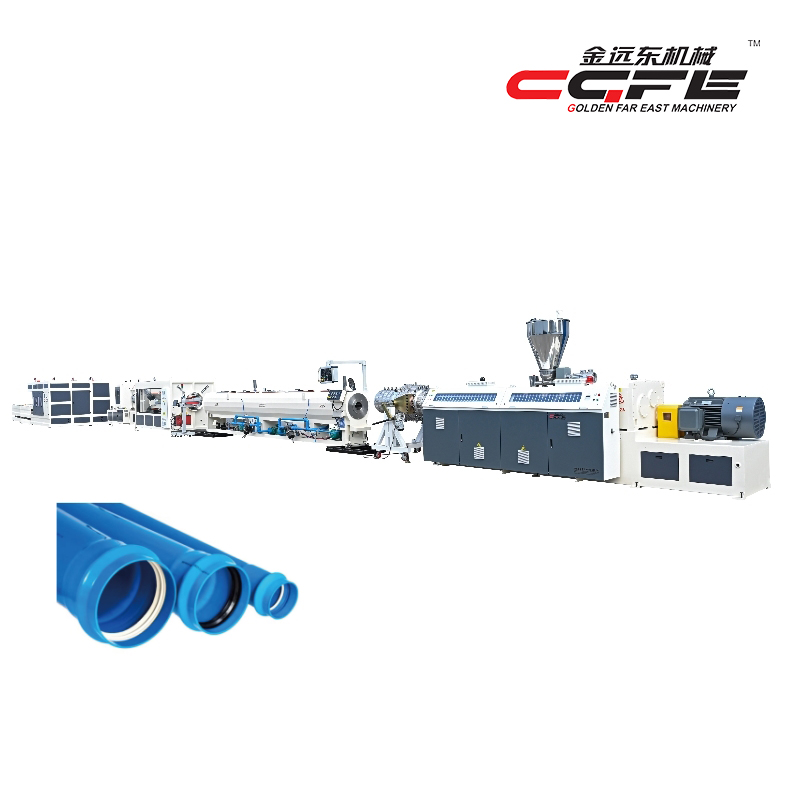
The efficiency and quality of a pvc pipe production line depend critically on mixing technology. High speed mixing plays a fundamental role in ensuring uniform material consistency, enhancing physical properties, and optimizing production workflows across industrial manufacturing settings. Understanding how advanced mixing mechanisms contribute to pvc pipe production line performance is essential for manufacturers seeking to maintain competitive advantage and product durability.
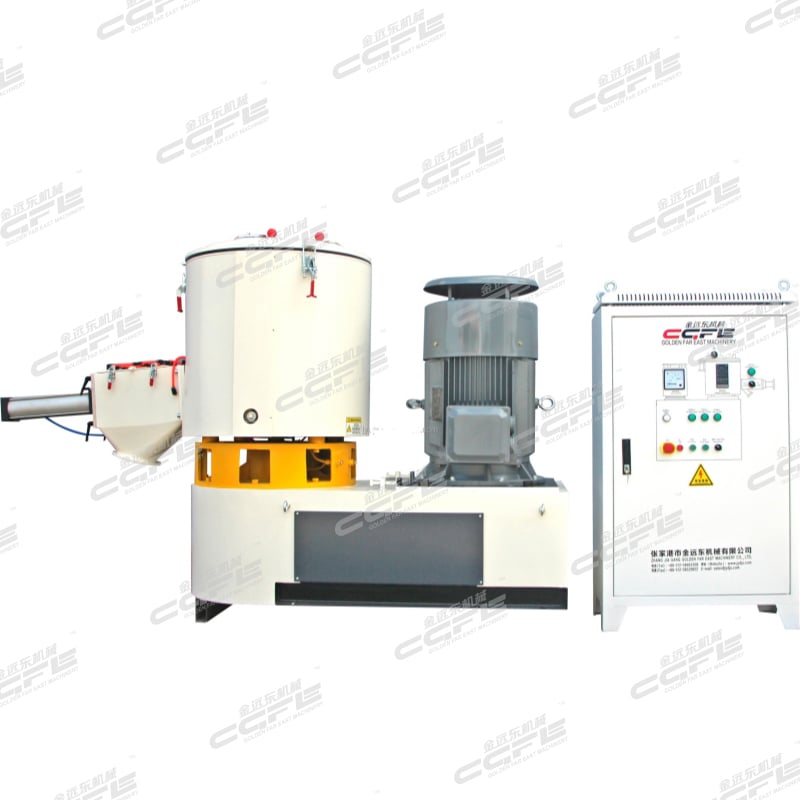
A modern pvc pipe production line integrates high speed mixing systems to achieve precise blending of resins, plasticizers, stabilizers, and other additives. This technological integration transforms raw material properties and enables manufacturers to deliver pipes that meet strict performance standards, environmental regulations, and customer specifications consistently.
The Critical Role of High Speed Mixing in Material Preparation
Achieving Uniform Additive Distribution
High speed mixing within a pvc pipe production line ensures that all material components distribute evenly throughout the polymer matrix. Plasticizers and stabilizers must be incorporated uniformly to prevent weak points in the pipe structure. When a pvc pipe production line operates with inadequate mixing, localized concentrations of additives create inconsistent properties and premature failure in field applications. The shear forces generated during high speed mixing break down particle agglomerates and promote molecular-level dispersion, directly improving the mechanical integrity of finished pipes.
Temperature Management During Processing
Managing thermal energy is a key function of high speed mixing in any professional pvc pipe production line. Controlled friction and shear generate precise heat levels that facilitate additive melting and polymer softening without degrading material quality. Excessive temperatures damage PVC chemistry and reduce pipe performance, while insufficient heat prevents proper activation of stabilizers and plasticizers. A well-designed pvc pipe production line balances speed, residence time, and cooling to maintain optimal processing windows and material properties.
Physical Property Enhancement Through Advanced Mixing
Tensile Strength and Impact Resistance
High speed mixing significantly improves the tensile strength and impact resistance of pipes produced on a pvc pipe production line. Homogeneous dispersion of reinforcing additives and impact modifiers ensures that stress loads distribute evenly across the pipe wall. When materials enter a pvc pipe production line with suboptimal mixing, weak zones develop where components have not bonded effectively, creating failure points under pressure or environmental stress. Advanced mixing technology eliminates these defects by guaranteeing complete material integration before extrusion, resulting in pipes capable of handling higher operational pressures and surviving harsh field conditions longer.
Long-Term Durability and Chemical Resistance
The durability of pipes depends on how thoroughly stabilizers and UV protective agents are incorporated into the PVC matrix. A pvc pipe production line equipped with high speed mixing ensures these critical additives remain uniformly distributed, preventing degradation from UV exposure, temperature fluctuations, and chemical attack over decades of service. Uniform chemical resistance throughout the pipe wall extends service life and reduces replacement costs for end users, strengthening market reputation and customer retention for manufacturers operating optimized pvc pipe production line systems.
Operational Efficiency and Production Optimization
Cycle Time Reduction and Output Scaling
High speed mixing accelerates material preparation stages within the pvc pipe production line, reducing overall cycle times and enabling higher throughput rates. Faster mixing reduces residence time in preparation tanks, allowing the pvc pipe production line to move more material through each production shift. This efficiency gain translates directly to increased output capacity without requiring additional floor space or equipment investment, making high speed mixing a strategic advantage for manufacturers competing on production volume and cost efficiency.
Quality Consistency and Waste Reduction
Predictable, repeatable mixing performance creates consistency across every batch processed through a pvc pipe production line. When mixing parameters remain stable and controlled, the pvc pipe production line produces pipes with identical properties, minimizing batch-to-batch variation and reducing scrap rates from out-of-specification material. Lower waste levels improve profit margins while enhancing customer satisfaction through reliable product performance. Manufacturers who invest in advanced mixing technology for their pvc pipe production line report significant reductions in quality-related returns and complaints, further strengthening competitive positioning.
Regulatory Compliance and Certification
Modern standards for water-contact and industrial piping require comprehensive testing documentation proving consistent material properties. A pvc pipe production line with high speed mixing systems provides the material uniformity necessary to pass stringent compliance testing reliably. Regulatory bodies and certification authorities recognize that pipes produced on a pvc pipe production line featuring advanced mixing technology meet stability requirements across multiple batches, simplifying certification processes and reducing testing expenses for manufacturers.
FAQ
How does high speed mixing prevent material segregation in a pvc pipe production line?
High speed mixing applies continuous shear and friction forces that break down particle clumps and distribute additives at the molecular level. The aggressive mechanical action prevents heavier additives from settling or lighter components from floating, ensuring the pvc pipe production line produces uniformly consistent material from the beginning of mixing to the final extrusion stage. This prevents segregation that would otherwise create weak zones in finished pipes.
What performance metrics should manufacturers track in their pvc pipe production line mixing operations?
Key metrics include mixing energy consumption, residence time, discharge temperature, additive dispersion uniformity, and batch consistency measurements. Monitoring these parameters allows operators to adjust the pvc pipe production line for optimal performance and identify maintenance needs before quality problems develop. Regular tracking ensures the pvc pipe production line maintains its designed mixing efficiency and produces pipes meeting specification targets consistently.
Can upgrading to high speed mixing improve an existing pvc pipe production line's output?
Yes, integrating advanced high speed mixing technology into an existing pvc pipe production line can increase throughput by reducing cycle times and improving material consistency, allowing extrusion stages to run at higher speeds. The improved quality also reduces scrap rates, meaning more usable pipe per material input. Many manufacturers see 15–25 percent throughput improvements after upgrading their pvc pipe production line mixing systems, combined with lower waste and higher product uniformity.