
 EN
EN

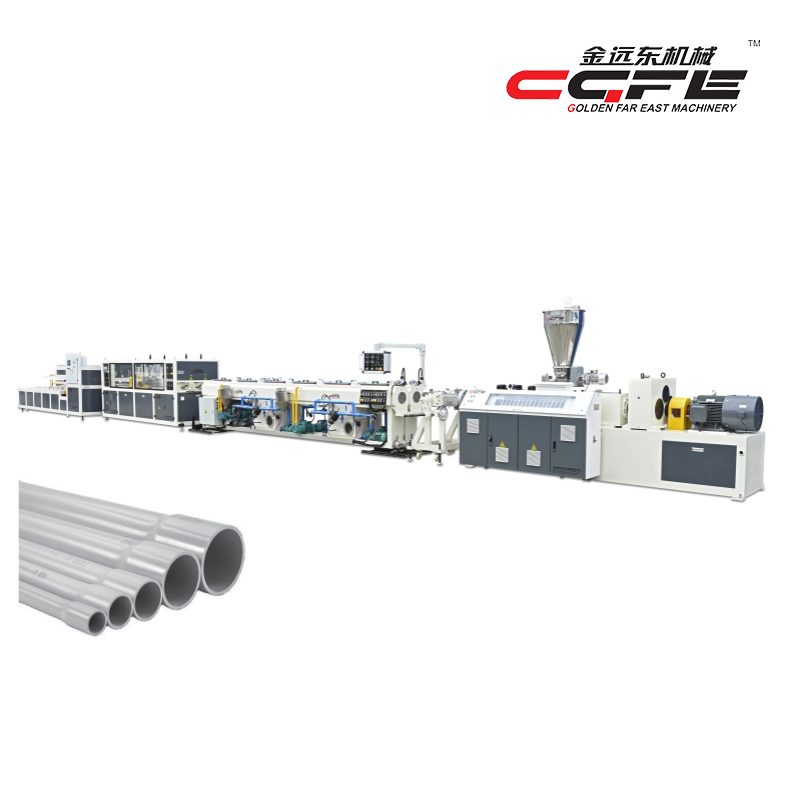
The pvc pipe production line represents a significant capital investment for manufacturers, and every hour of unplanned downtime translates directly into lost revenue and missed delivery commitments. One of the most critical yet often overlooked factors affecting equipment lifespan is the design and material composition of mixer blades. In a typical pvc pipe production line, the high-speed mixer operates continuously under extreme conditions: elevated temperatures, aggressive mechanical shearing forces, and abrasive PVC resin particles. Standard blade designs wear rapidly under these conditions, leading to frequent replacements, reduced mixing efficiency, and eventual equipment failure. Understanding how wear-resistant blade designs function within your pvc pipe production line can help you make informed decisions about equipment maintenance, upgrades, and procurement strategies.
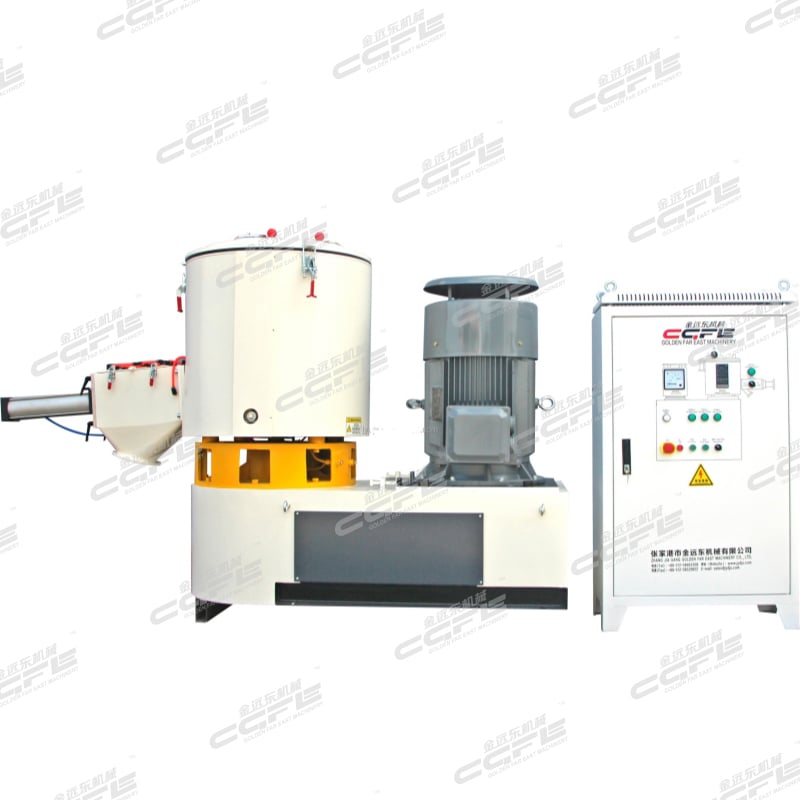
Manufacturers operating a pvc pipe production line face mounting pressure to optimize operational efficiency while managing escalating maintenance costs. Blade degradation occurs through multiple mechanisms: abrasive wear from PVC particles, adhesive wear from material buildup, thermal stress from temperature fluctuations, and mechanical fatigue from repetitive impact forces. Each of these failure modes accelerates blade deterioration, compromising the consistency and quality of your pvc pipe production line output. Modern wear-resistant blade designs address these challenges through advanced material engineering, optimized geometric configurations, and specialized surface treatments that work together to extend equipment life and maintain predictable operational costs.
Material Composition and Hardness Enhancement
Advanced Alloy Systems for pvc pipe production line Equipment
The foundation of effective wear-resistant blade design begins with material selection. Traditional carbon steel blades, while economical, lack the hardness and corrosion resistance necessary for prolonged pvc pipe production line operations. Wear-resistant blade designs increasingly employ high-carbon alloy steels, tool steels, and specialized stainless steel compositions that deliver superior hardness without sacrificing toughness. These materials can withstand abrasive PVC resin particles while maintaining structural integrity under thermal and mechanical stress. A properly specified pvc pipe production line blade material will resist galling, minimize adhesive wear buildup, and maintain edge sharpness significantly longer than conventional options.
Surface Treatment Technologies
Surface treatments applied to wear-resistant blade designs create additional protection layers that dramatically extend operational life in your pvc pipe production line. Nitriding processes introduce nitrogen into the blade surface, creating a hardened case that resists abrasive wear while the core maintains ductility. Chromium plating and PVD (Physical Vapor Deposition) coatings provide excellent corrosion resistance and reduce adhesive wear. For demanding pvc pipe production line applications, multi-layer coating systems combine the benefits of different technologies, creating exceptional wear resistance across multiple failure modes. These treatments transform ordinary steel into premium wear-resistant blade designs specifically engineered for the intense environment within a pvc pipe production line.
Geometric Design Optimization
Blade Shape and Angle Configuration
The geometric architecture of wear-resistant blade designs directly influences stress distribution, mixing efficiency, and wear progression within a pvc pipe production line. Traditional flat or simple curved blade geometries concentrate stress at leading edges, accelerating localized wear patterns. Advanced designs feature optimized angles, edge radii, and surface contours that distribute stress more evenly across the blade body. Strategic blade shaping reduces turbulence zones where material accumulates, decreasing adhesive wear mechanisms. Within a pvc pipe production line, properly shaped blades also improve material flow and mixing consistency, allowing operators to maintain tighter process parameters with less material degradation.
Structural Reinforcement Strategies
Wear-resistant blade designs integrate structural reinforcement features that increase rigidity and reduce deflection under high-speed operation. Tapered blade sections, strategic ribbing patterns, and optimized thickness distributions strengthen critical areas prone to fatigue failure. These structural enhancements become increasingly important in a pvc pipe production line operating at maximum RPM, where vibration and dynamic forces can exceed equipment design tolerances. Reinforced blade designs maintain dimensional accuracy longer, reducing blade runout and improving mixing uniformity. This precision engineering ensures that your pvc pipe production line maintains product quality specifications throughout the blade's operational life.
Thermal Management and Operational Implications
Heat Dissipation Properties
Temperature management represents a critical consideration for wear-resistant blade designs operating within a pvc pipe production line environment. Blades generate and absorb significant frictional heat during high-speed operation, and thermal stress cycles accelerate material fatigue and accelerate wear progression. Advanced wear-resistant blade designs incorporate thermal management features including increased surface area for heat dissipation, materials with superior thermal conductivity, and optimized blade geometry that minimizes frictional heat generation. These features maintain lower blade temperatures during continuous pvc pipe production line operation, extending material fatigue life and reducing thermal-induced dimensional changes that can compromise equipment precision.
Maintenance Intervals and Cost Reduction
The practical benefit of implementing wear-resistant blade designs in your pvc pipe production line emerges through extended maintenance intervals and reduced replacement frequency. Standard blades typically require replacement every 3,000 to 6,000 operating hours, depending on material type and processing conditions. Premium wear-resistant blade designs can extend this interval to 10,000 to 15,000 hours or beyond, directly reducing annual maintenance labor and material costs. Consider a pvc pipe production line operating continuously with average blade replacement every 4,000 hours: upgrading to wear-resistant blade designs could reduce blade-related maintenance costs by 40% to 60% annually. Beyond direct cost savings, extended maintenance intervals minimize unplanned downtime, reduce production interruptions, and improve overall equipment reliability and profitability.
FAQ
How do wear-resistant blade designs specifically improve pvc pipe production line output quality?
Wear-resistant blade designs maintain precise dimensions and edge geometry throughout their operational life, ensuring consistent mixing action and material homogeneity. As standard blades wear, they lose edge definition and develop dimensional variations that reduce mixing efficiency and create quality inconsistencies. A pvc pipe production line equipped with wear-resistant blades maintains tighter process control, producing more uniform material properties and reducing defect rates related to inadequate mixing or material degradation.
What is the typical cost differential between standard and wear-resistant blade designs for pvc pipe production line applications?
Wear-resistant blade designs typically cost 60% to 120% more than standard carbon steel alternatives, representing an initial investment premium of $500 to $2,000 per blade set depending on size and coating specifications. However, when calculated against the operational life extension and reduced maintenance frequency, the pvc pipe production line achieves cost payback within 12 to 24 months. Beyond payback, the extended lifespan of wear-resistant blade designs generates cumulative savings throughout the equipment's operational life, often reducing total blade-related costs by 50% or more over a 10-year period.
Can existing pvc pipe production line equipment be retrofitted with wear-resistant blade designs?
Most established pvc pipe production line equipment can accommodate wear-resistant blade designs through direct replacement, provided dimensional compatibility is confirmed with original equipment specifications. However, some older equipment may require minor shaft modifications or bearing adjustments to support the increased rigidity of premium wear-resistant blade designs. Manufacturers should consult equipment specifications and engage specialized technicians to assess retrofit feasibility for their specific pvc pipe production line configuration before committing to upgrades.
Table of Contents
- Material Composition and Hardness Enhancement
- Geometric Design Optimization
- Thermal Management and Operational Implications
-
FAQ
- How do wear-resistant blade designs specifically improve pvc pipe production line output quality?
- What is the typical cost differential between standard and wear-resistant blade designs for pvc pipe production line applications?
- Can existing pvc pipe production line equipment be retrofitted with wear-resistant blade designs?