
 EN
EN

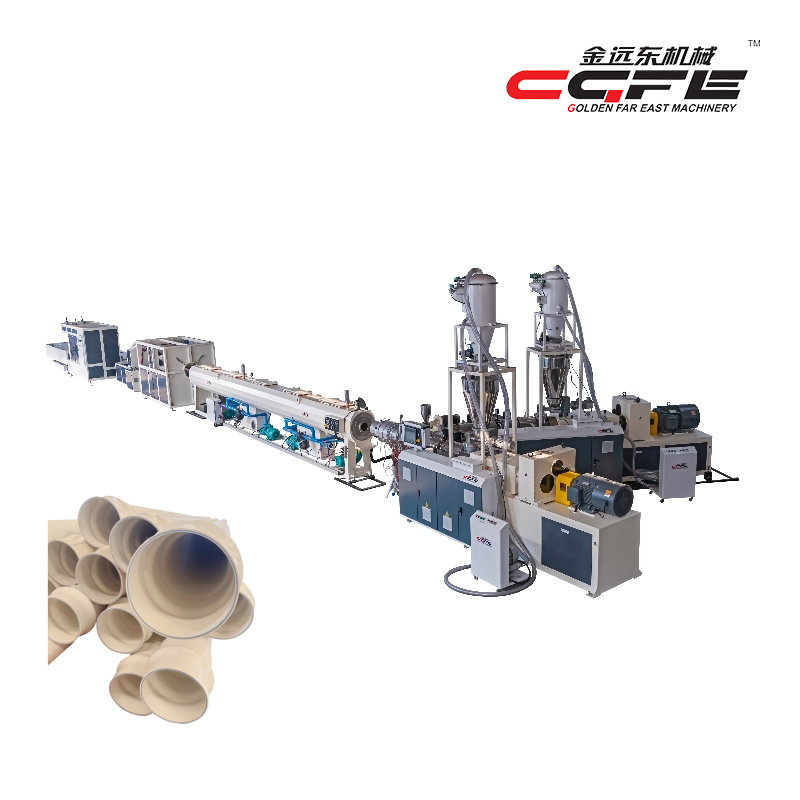
Temperature control stands as one of the most critical factors determining success in modern pvc pipe production line operations. Whether you are managing a small-scale facility or a large industrial complex, the ability to maintain precise thermal conditions directly influences material quality, equipment longevity, and production efficiency. A pvc pipe production line requires sophisticated monitoring and adjustment systems to prevent material degradation, reduce waste, and ensure consistent output that meets rigorous industry standards. Understanding how to achieve and maintain optimal temperature throughout your pvc pipe production line workflow is essential for competitive advantage in today's demanding marketplace.
The pvc pipe production line landscape has evolved dramatically over the past decade, with temperature precision becoming increasingly important as material science advances and customer demands for performance escalate. Modern pvc pipe production line systems incorporate advanced sensors, automated controls, and real-time feedback mechanisms that were unavailable just years ago. These technologies enable operators to fine-tune thermal parameters with unprecedented accuracy, reducing variability and improving overall material consistency. For companies seeking to optimize their pvc pipe production line investments, mastering temperature control principles and implementing best practices has become non-negotiable for maintaining operational excellence and market competitiveness.
Understanding Temperature Dynamics in PVC Processing
The Role of Temperature in Material Transformation
Within a pvc pipe production line, temperature functions as both a processing parameter and a quality determinant. When pvc material enters your production line, precise heating activates the compound's molecules, allowing them to bond uniformly and achieve the desired structural properties. Excessive temperature in a pvc pipe production line causes thermal degradation, discoloration, and brittleness that compromise finished pipe performance. Conversely, insufficient heat prevents proper fusion and material flow, resulting in weak joints and poor dimensional accuracy. Your pvc pipe production line must maintain a narrow thermal window—typically between 160°C and 190°C depending on formulation—where material behavior becomes predictable and controllable. Understanding these temperature ranges specific to your pvc pipe production line formulation enables operators to respond quickly to variations and maintain consistent quality.
Temperature Monitoring and Sensor Placement
Effective temperature management in a pvc pipe production line begins with strategically positioned temperature sensors that capture accurate readings at critical processing stages. A well-designed pvc pipe production line includes sensors at the material inlet, mixer outlet, and extrusion head to track thermal progression throughout the workflow. These monitoring points on your pvc pipe production line reveal whether heating is uniform, identify localized hot spots, and provide early warning of equipment malfunction. Modern systems transmit real-time data from each sensor location, allowing operators to detect temperature drift before it affects material quality. When implementing temperature control solutions for your pvc pipe production line, sensor accuracy and placement strategy determine whether your monitoring system provides actionable insights or misleading data that leads to poor production decisions.
Implementing Advanced Temperature Control Systems
Selecting the Right Equipment Configuration
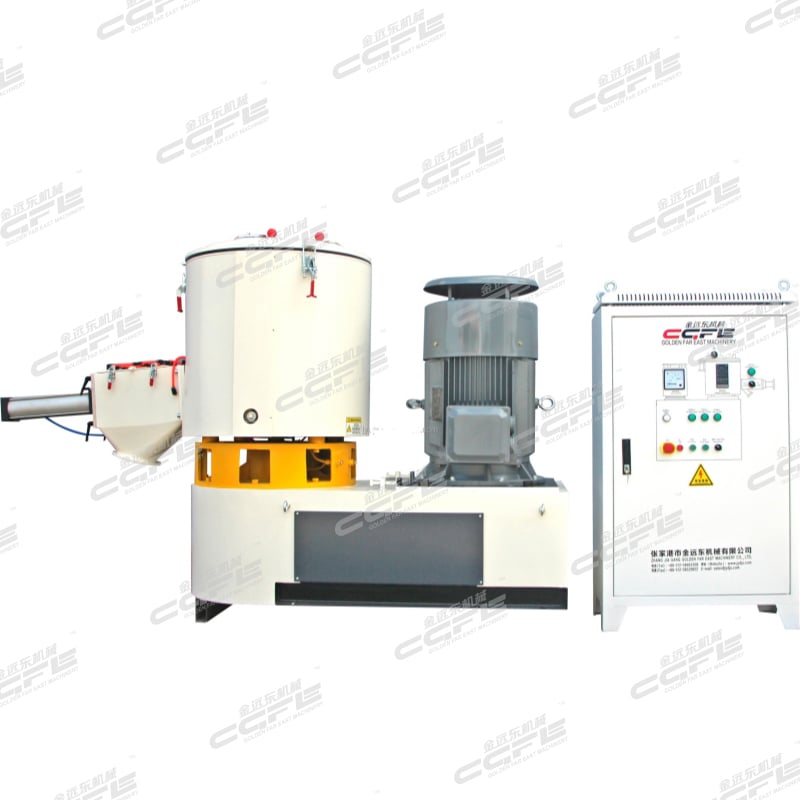
Choosing appropriate equipment for a pvc pipe production line demands understanding both current operational needs and future scalability requirements. A pvc pipe production line requires high-speed mixers capable of generating controlled heat while distributing additives uniformly throughout the material matrix. The mixer in your pvc pipe production line should feature adjustable speed controls, independent barrel heating zones, and precise temperature reporting to manage the heating process effectively. When evaluating equipment options for your pvc pipe production line, look for systems that offer modular construction allowing future upgrades without complete replacement. Equipment specifications for your pvc pipe production line should accommodate your specific material formulation characteristics, production volume targets, and quality objectives to ensure proper thermal management throughout processing cycles.
Integration of Automated Control Systems
Automation transforms temperature management in a pvc pipe production line from reactive troubleshooting to proactive optimization. Integrated control systems in your pvc pipe production line continuously compare actual temperatures against preset parameters, making microdust adjustments to heating elements or cooling systems without operator intervention. This closed-loop approach to temperature control in a pvc pipe production line reduces human error, minimizes thermal overshoot, and improves consistency across multiple production batches. Advanced pvc pipe production line automation systems learn material behavior patterns, predict temperature trends, and implement preventive adjustments before deviation occurs. When selecting automation technology for your pvc pipe production line, prioritize systems offering user-friendly interfaces, comprehensive data logging, and compatibility with existing production infrastructure to maximize return on investment.
Optimization Strategies for Quality Enhancement
Establishing Temperature Profiles and Calibration Routines
Successful pvc pipe production line operations depend on establishing documented temperature profiles specific to each material formulation processed through your system. Creating baseline thermal parameters for your pvc pipe production line involves methodical testing, material sampling, and performance evaluation across representative production scenarios. Once established, these temperature profiles become the foundation for consistent production on your pvc pipe production line, enabling rapid adjustment when material batches change or equipment requires recalibration. Regular calibration of temperature sensors maintains accuracy in your pvc pipe production line, preventing gradual drift that accumulates into significant processing errors. Developing comprehensive documentation of temperature settings, equipment configurations, and quality outcomes for your pvc pipe production line creates institutional knowledge that improves efficiency regardless of staffing changes.
Preventive Maintenance and Performance Monitoring
Equipment degradation inevitably affects temperature control precision on your pvc pipe production line, making preventive maintenance essential for sustained operational excellence. Regular inspection of heating elements, coolant systems, and thermal insulators on your pvc pipe production line identifies wear patterns before they compromise performance. Monitoring temperature stability trends over extended periods reveals when equipment maintenance should occur, preventing unexpected failures during critical production runs on your pvc pipe production line. Thermal imaging technology provides valuable diagnostic insights into heat distribution and potential problem areas within your pvc pipe production line components. Implementing scheduled maintenance protocols specifically addressing temperature control systems on your pvc pipe production line ensures consistent performance, extends equipment lifespan, and protects your production investment over years of reliable operation.
FAQ
What happens if temperature control fails on a pvc pipe production line?
Temperature failure on a pvc pipe production line causes immediate material degradation, discoloration, and loss of mechanical properties. Continued operation without proper temperature management results in product waste, equipment damage, and potential safety hazards. Operators should implement emergency shutdown procedures and troubleshoot the temperature control system before resuming production on the affected pvc pipe production line.
How frequently should temperature calibration occur on a pvc pipe production line?
Industry best practices recommend calibrating temperature sensors on a pvc pipe production line at least quarterly, with more frequent calibration in high-volume operations. Environmental factors, equipment vibration, and sensor aging all contribute to calibration drift requiring regular verification. Maintaining detailed calibration records for your pvc pipe production line ensures traceability and supports quality documentation requirements demanded by regulatory standards.
Can manual temperature adjustment provide adequate control for a pvc pipe production line?
While manual adjustment remains possible, automated temperature control on a pvc pipe production line delivers superior consistency, faster response times, and reduced operator workload. Modern pvc pipe production line operations typically employ automated systems complemented by manual override capability for emergency situations. Hybrid approaches combining automated monitoring with operator oversight offer optimal balance between efficiency and human judgment in managing complex pvc pipe production line thermal dynamics.