
 EN

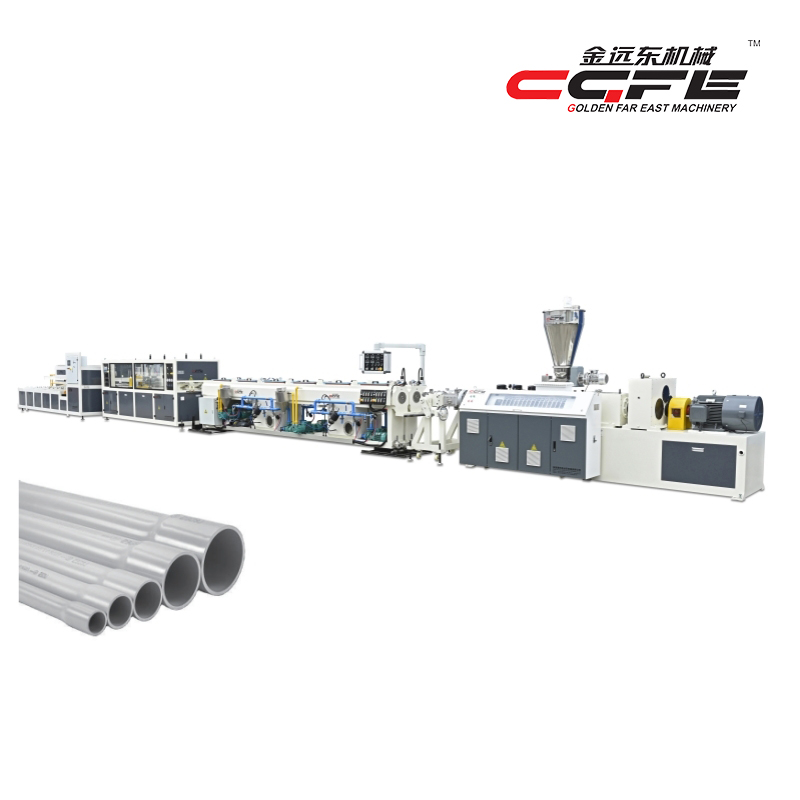
Achieving consistent mixing uniformity in PVC high speed mixer machines is essential for maintaining product quality throughout your pvc pipe production line. When raw materials, additives, and colorants fail to blend evenly, the resulting PVC compound exhibits inconsistent properties, leading to defects, reduced performance, and potential customer dissatisfaction. A well-tuned pvc pipe production line depends on precise control of mixing parameters, equipment configuration, and material handling practices. Understanding how to improve mixing uniformity directly impacts throughput, product reliability, and operational efficiency across your entire pvc pipe production line.
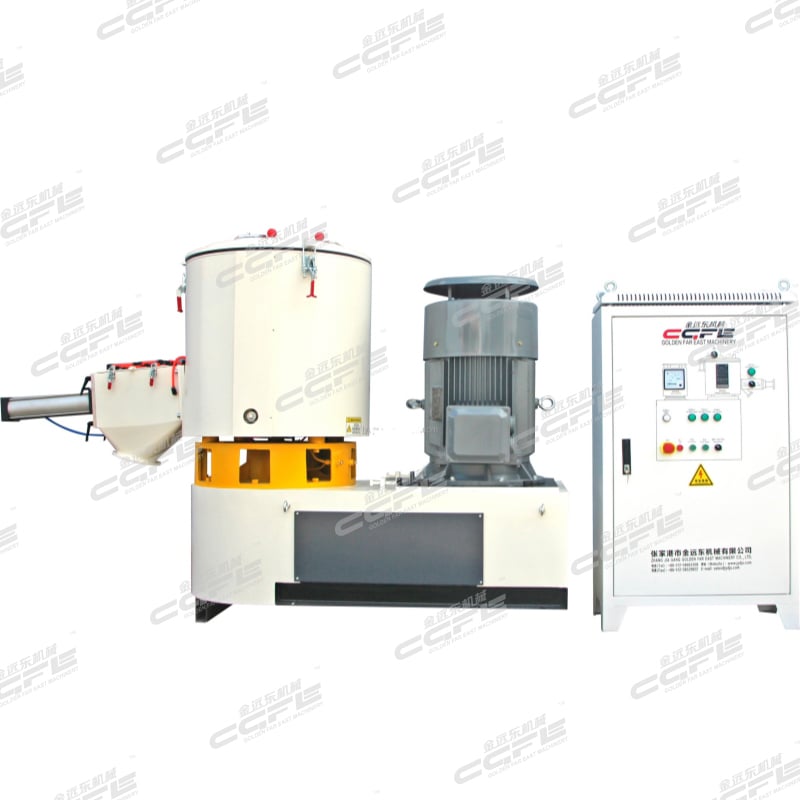
The quality of your final PVC products depends fundamentally on how thoroughly materials mix during the high speed mixing stage. Poor mixing uniformity in your pvc pipe production line can result in weak spots, color streaking, brittleness, or processing difficulties downstream. Modern PVC manufacturers recognize that investing time in optimizing mixer performance pays dividends through reduced waste, fewer rework cycles, and improved first-pass yield rates. This guide explores practical, actionable strategies to enhance mixing uniformity specifically within the context of a pvc pipe production line operation.
Optimizing Blade Design and Rotation Speed
Blade Configuration Impact on Mixing Uniformity
The physical design of mixer blades directly determines how effectively materials are distributed within the chamber. In a high speed mixer serving your pvc pipe production line, blade geometry must balance aggressive cutting action with gentle folding motions to ensure both rapid incorporation and homogeneous distribution. Twin-shaft or pin-type blade configurations excel at breaking down material clumps and preventing dead zones where unmixed powder accumulates. Selecting the right blade style for your pvc pipe production line requires understanding your specific material feed composition, particle size distribution, and thermal sensitivity requirements.
Rotation Speed Calibration for Your PVC Production
Running a pvc pipe production line at optimal rotation speed represents one of the most direct ways to improve mixing uniformity. Too slow a speed leaves pockets of unmixed material; too fast a speed generates excessive heat that can degrade PVC resin and create quality issues. The ideal rotation speed for your pvc pipe production line typically ranges between 40 to 100 RPM, depending on your mixer capacity, material bulk density, and product specifications. Real-time monitoring of motor current and discharge temperature helps operators detect when rotation speed drifts from the target window, allowing corrective adjustments before mixing uniformity degrades. Establishing a documented standard operating procedure ensures every batch processed through your pvc pipe production line achieves consistent mixing uniformity from shift to shift.
Material Feed Sequencing and Timing
Staged Addition Strategy Within Your Mixer
How you introduce raw materials into the chamber fundamentally affects mixing uniformity throughout your pvc pipe production line cycle. Rather than dumping all components simultaneously, staged addition allows each material category to blend thoroughly before the next ingredient enters. A typical pvc pipe production line sequence begins with primary resin, followed by impact modifiers, then plasticizers, and finally pigments and processing aids. This staged approach reduces material stratification and ensures that additives dissolve or disperse within the resin matrix before downstream processing. Operators running a pvc pipe production line should document optimal dwell times between each addition stage to maintain consistent mixing uniformity across all production runs.
Feed Rate Control and Residence Time
Managing the rate at which materials enter your high speed mixer directly influences residence time and mixing uniformity within your pvc pipe production line. Slower feed rates allow more contact time between ingredients, promoting better integration of minor additives that would otherwise remain isolated in the batch. Conversely, a pvc pipe production line that feeds materials too slowly may extend cycle time and reduce productivity. The balance point depends on your mixer's design, the viscosity of your compound, and the mixing performance you need to achieve. Calibrating hopper metering systems or using loss-in-weight feeders provides precise control, ensuring your pvc pipe production line consistently delivers uniform material composition batch after batch.
Temperature Management and Thermal Control
Discharge Temperature Optimization
Temperature during mixing significantly influences mixing uniformity in your pvc pipe production line. Elevated temperatures reduce material viscosity, allowing ingredients to flow and blend more readily throughout the mixer chamber. However, excessive heat degrades PVC resin, creating yellowing, reduced impact strength, and poor compound flow. A well-managed pvc pipe production line maintains discharge temperatures between 60 to 85 degrees Celsius, allowing optimal mixing action while protecting material integrity. Thermal imaging cameras and embedded thermocouples provide real-time feedback, enabling operators to adjust cooling water flow, rotation speed, or batch size to maintain the target temperature window for your pvc pipe production line.
Cooling System Configuration
The cooling jacket surrounding your high speed mixer plays a critical role in achieving consistent mixing uniformity within your pvc pipe production line. A properly sized cooling system removes frictional heat generated during mixing, stabilizing the material temperature and allowing adequate blending time. Undersized or clogged cooling systems cause temperatures to spike, which reduces compound flow and promotes material separation. Regular maintenance of cooling water circuits, scale prevention treatments, and flow rate validation ensures your pvc pipe production line maintains thermal stability. Operators should verify that cooling water temperature remains constant and flow rate stays within the specified range, as these variables directly impact whether your pvc pipe production line achieves target mixing uniformity.
Monitoring, Troubleshooting, and Continuous Improvement
Real-Time Performance Indicators
Implementing continuous monitoring systems transforms your pvc pipe production line from reactive to predictive operation. Motor current draw, discharge temperature, cycle time, and outlet torque all signal whether mixing uniformity is being achieved. When motor current spikes unexpectedly, the material may be too dense or mixing paddles may be partially blocked, both of which compromise uniformity across your pvc pipe production line. Establishing baseline performance values for each material grade allows operators to immediately recognize deviations that indicate poor mixing uniformity developing in the pvc pipe production line, enabling rapid intervention before batch rejection occurs.
Sampling and Quality Verification
Regular sampling and laboratory analysis confirm that your pvc pipe production line is actually achieving the mixing uniformity levels required for your end applications. Tensile strength, impact resistance, color consistency, and density measurements reveal whether ingredients are truly homogeneous throughout the batch. When quality tests indicate mixing uniformity problems within your pvc pipe production line, investigation should focus on blade wear, rotation speed drift, temperature excursions, or feed sequencing errors. Documented batch data creates a historical record that helps identify patterns, seasonal variations, or maintenance triggers affecting how well your pvc pipe production line maintains mixing uniformity over time.
FAQ
What causes poor mixing uniformity in a high speed mixer on a pvc pipe production line?
Poor mixing uniformity in your pvc pipe production line typically results from worn or damaged mixer blades, incorrect rotation speed, inadequate dwell time between material additions, or thermal instability. Material stratification occurs when ingredients are not given sufficient contact time or when temperatures are too low, allowing particles to separate by density. Additionally, oversized or improperly calibrated feed rates can introduce material faster than the mixer can incorporate it, leaving pockets of unmixed resin. Regular equipment inspection and adherence to documented operating procedures minimize these root causes within your pvc pipe production line.
How frequently should a pvc pipe production line be serviced to maintain mixing uniformity?
Preventive maintenance schedules for your pvc pipe production line should include blade inspection every 500 operating hours and complete blade replacement annually, depending on material abrasiveness and processing intensity. Cooling system flushing, seal replacement, and bearing inspection should occur during scheduled downtime to prevent thermal and mechanical failures that compromise mixing uniformity. Documenting maintenance activities and correlating them with quality trends helps your pvc pipe production line team identify whether specific equipment conditions directly influence mixing uniformity performance.
Can a single pvc pipe production line mixer handle multiple PVC formulations?
Yes, a well-designed high speed mixer can process multiple PVC formulations by adjusting rotation speed, cycle time, cooling intensity, and material addition sequences to match each formula's specific requirements. However, each formulation must be validated independently on your pvc pipe production line to confirm that mixing uniformity is achieved using the adjusted parameters. Documenting proven parameter sets for each formula and training operators to follow the correct protocol ensures your pvc pipe production line consistently delivers uniform quality regardless of which compound is being processed.