
 EN

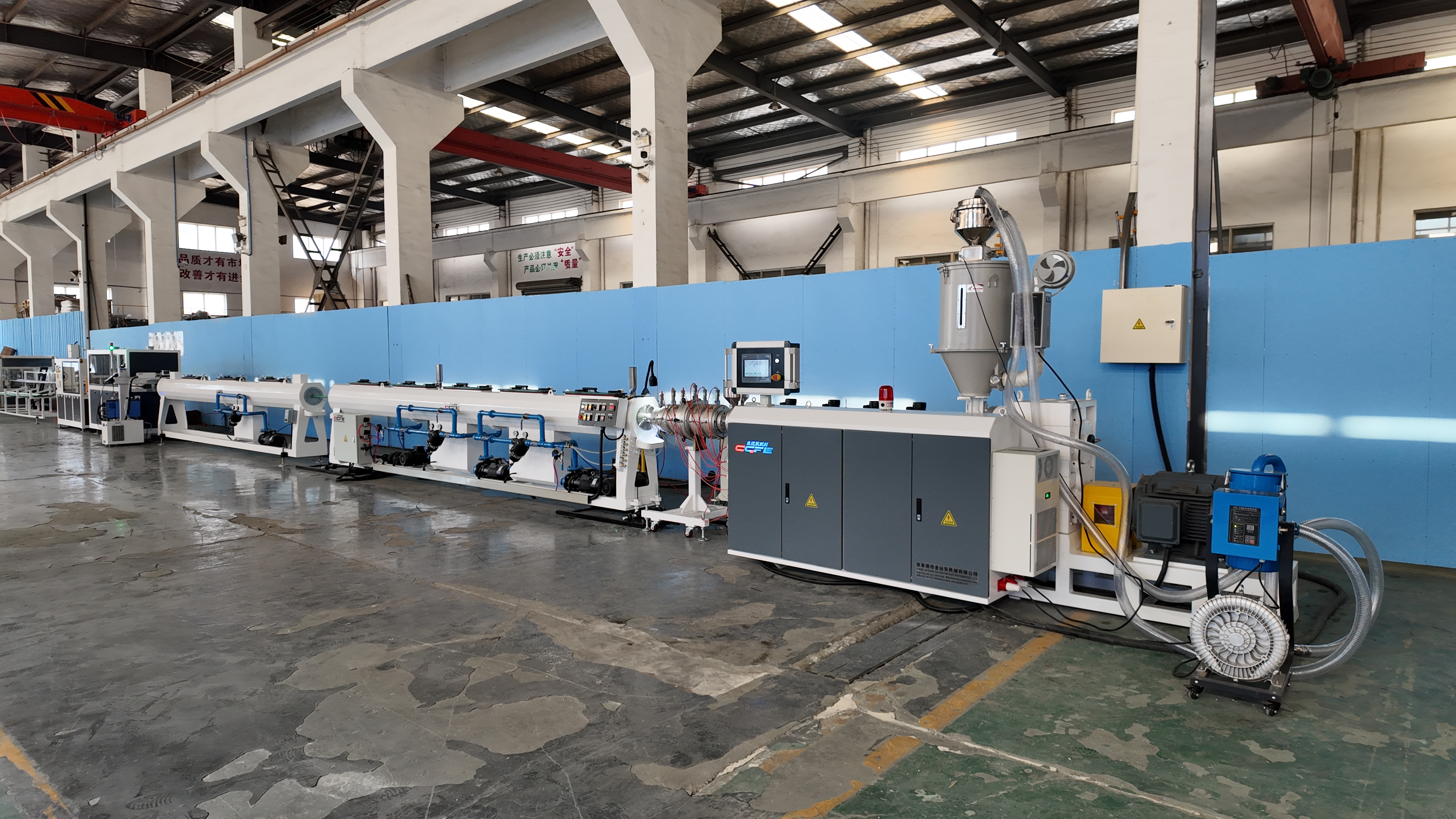
The PPR pipe production line represents one of the most critical investments in modern manufacturing, yet many operators overlook the maintenance practices that directly prevent costly surface defects. When your PPR pipe production line operates without proper upkeep, defects emerge quickly, leading to product rejections, customer complaints, and unexpected downtime. Understanding how to maintain your PPR pipe production line is not optional—it is fundamental to protecting your production quality and bottom line. Surface defects such as scratches, discoloration, dents, and warping can compromise the entire batch and damage your reputation in the marketplace.
A well-maintained PPR pipe production line is the foundation of consistent product quality and reliable output. The five maintenance strategies outlined in this guide are proven methods used by leading manufacturers to eliminate surface defects and extend equipment lifespan. By implementing these practices, you can reduce scrap rates, improve customer satisfaction, and maximize your return on equipment investment. Each tip addresses a specific vulnerability in the production process where defects commonly originate.
Regular Cleaning and Debris Removal
The Impact of Contamination on Your PPR Pipe Production Line
Dust, resin particles, and foreign material accumulate inside your PPR pipe production line during normal operation, creating surface imperfections on finished pipes. When debris settles on extrusion dies, cooling surfaces, or forming equipment, it transfers directly onto the pipe surface, causing visible scratches and blemishes. Your PPR pipe production line works under high pressure and temperature, which can bake contaminants onto the product, making them difficult to remove and permanent defects. Establishing a systematic cleaning schedule prevents this accumulation before it reaches your output stage.
Implementing Effective Cleaning Protocols
Shut down your PPR pipe production line weekly for thorough cleaning of all product-contact surfaces, including dies, cooling tanks, and conveyor systems. Use compressed air to remove loose particles from external components and internal passages where debris settles. For your PPR pipe production line, scheduled downtime for cleaning is far less costly than the production losses caused by defects and customer returns. Document each cleaning session to track intervals and identify patterns in contamination buildup.
Die Maintenance and Calibration
Why Your PPR Pipe Production Line Dies Require Precision
The extrusion dies are the heart of your PPR pipe production line, and even minor wear causes surface irregularities, wall thickness variations, and dimensional inconsistencies. When die surfaces degrade, they create fine scratches and grooves that imprint directly onto every pipe produced by your PPR pipe production line. Temperature fluctuations inside the die can also cause uneven resin flow, resulting in surface ripples and discoloration on the finished product. Preventive die maintenance keeps your PPR pipe production line producing pipes with consistent surface finish and structural integrity.
Best Practices for Die Inspection and Replacement
Inspect your PPR pipe production line dies every month for signs of wear, erosion, or buildup using magnification if necessary. Use specialized die-cleaning solutions designed for your PPR pipe production line to dissolve resin residue without damaging precision surfaces. When dies show wear patterns affecting product quality, replace them promptly rather than waiting for catastrophic failure. Your PPR pipe production line performance directly depends on die condition, so this maintenance investment pays dividends through consistent, defect-free output.
Temperature and Cooling System Optimization
Thermal Control as a Defect Prevention Strategy
Improper cooling directly causes warping, discoloration, and surface marking on pipes exiting your PPR pipe production line, especially when temperature zones are inconsistent or cooling water contains impurities. Your PPR pipe production line must maintain precise temperature ranges throughout the extrusion and cooling stages to prevent molecular stress that manifests as visible defects. Temperature fluctuations of even 5–10 degrees can trigger surface marking, so your PPR pipe production line cooling system must operate with tight tolerance control. Thermal stress also weakens the pipe structure, creating internal voids that lead to premature failure in field applications.
Cooling System Maintenance and Monitoring
Check cooling water quality every shift to ensure your PPR pipe production line system removes contaminants that cause staining and marking on the pipe surface. Replace or clean cooling system filters regularly so your PPR pipe production line maintains consistent water flow and temperature stability. Install temperature sensors at multiple points along your PPR pipe production line to detect and correct thermal imbalances before they affect product quality. Descale cooling passages quarterly to prevent buildup that reduces cooling efficiency in your PPR pipe production line and creates temperature dead zones.
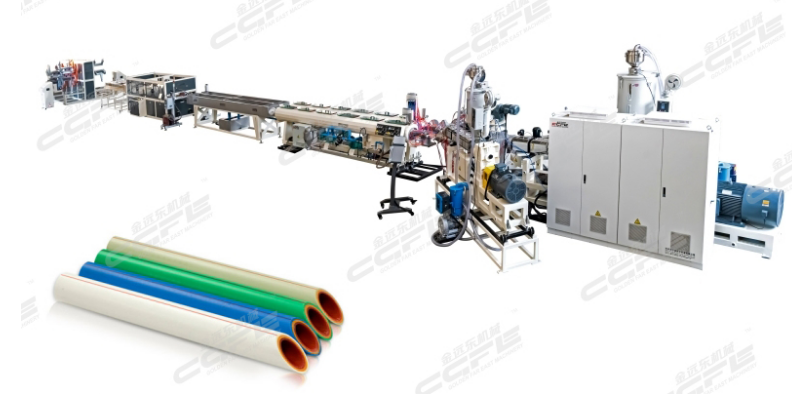
Conveyor and Handling System Care
Protecting Pipe Surface During Transport
Damaged conveyor belts, misaligned guides, and worn rollers on your PPR pipe production line directly scratch and dent pipes as they move through the production process. Even small surface contact damage accumulates across thousands of units produced by your PPR pipe production line, creating systematic defect patterns that appear in customer batches. Your PPR pipe production line conveyor system handles delicate extruded products that are vulnerable to marking before they fully cool and harden. Preventive maintenance of these handling systems eliminates a major source of avoidable surface defects.
Routine Inspection and Replacement Schedule
Inspect all conveyor belts, guide rails, and rollers on your PPR pipe production line monthly for wear, misalignment, or surface damage that could mark pipes. Replace worn conveyor components proactively so your PPR pipe production line maintains smooth, defect-free product handling throughout the production cycle. Adjust belt tension on your PPR pipe production line according to manufacturer specifications to prevent slipping and inconsistent contact pressure. Lubricate bearing points regularly so your PPR pipe production line conveyor system operates smoothly without friction-induced marking on the pipe surface.
FAQ
How often should I perform deep cleaning on my PPR pipe production line?
Deep cleaning of your PPR pipe production line should occur weekly during regular maintenance windows, with comprehensive system flushing every month. The frequency may increase if your PPR pipe production line operates with particularly challenging resin formulations or if defect rates rise unexpectedly. More frequent cleaning prevents major contamination buildup and keeps your PPR pipe production line operating at peak efficiency with minimal product quality issues throughout the production cycle.
What temperature range is ideal for my PPR pipe production line cooling system?
Most PPR pipe production line systems operate optimally when cooling zones maintain 35–50 degrees Celsius, though your specific PPR pipe production line equipment manufacturer provides exact specifications based on pipe diameter and wall thickness. Monitor your PPR pipe production line temperature readings continuously because deviation beyond acceptable ranges creates thermal stress that manifests as surface defects, warping, and discoloration on finished pipes. Consult your PPR pipe production line technical documentation or equipment supplier if you are unsure about correct thermal parameters for your application.
Can I continue production while performing maintenance on my PPR pipe production line?
No, your PPR pipe production line should be shut down completely during any maintenance procedure to ensure worker safety, protect product quality, and allow thorough cleaning or inspection of critical components. Attempting to maintain your PPR pipe production line while operating typically compromises maintenance effectiveness and risks safety hazards for personnel working around moving equipment and heated surfaces. Schedule your PPR pipe production line maintenance during planned downtime windows to minimize production loss while achieving the defect-prevention benefits these practices deliver.