
 EN

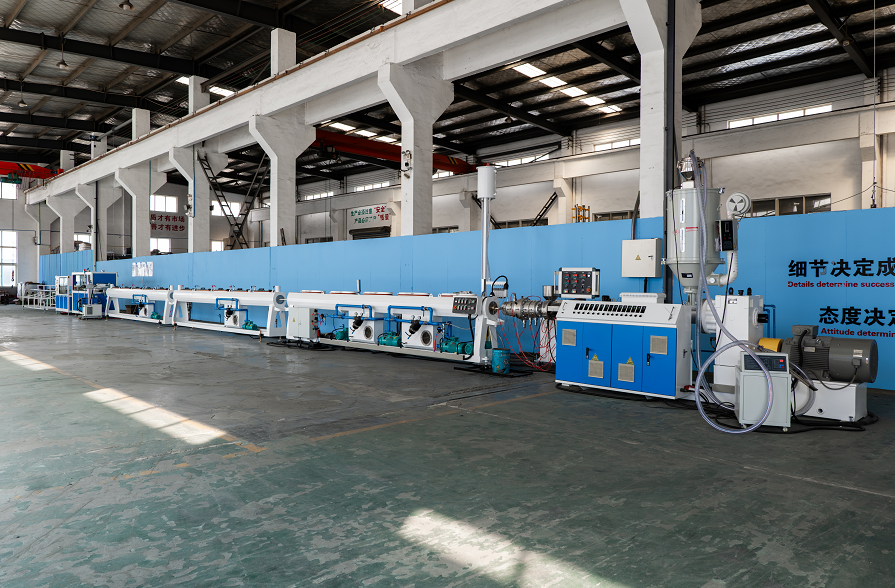
Upgrading your cooling system is one of the most impactful investments you can make to increase output on a PPR pipe production line. Modern PPR pipe manufacturing demands precise thermal control throughout the extrusion, cooling, and forming stages. A well-designed cooling system directly influences production speed, product consistency, and overall throughput. Without adequate cooling capacity, your PPR pipe production line will operate at reduced efficiency, leading to bottlenecks, quality inconsistencies, and lost revenue opportunities.
The relationship between cooling performance and PPR pipe production line capacity cannot be overstated. When your cooling system cannot manage heat dissipation effectively, pipe material does not solidify uniformly, requiring slower line speeds to prevent defects. By upgrading to a more efficient cooling solution, manufacturers can accelerate production cycles, reduce reject rates, and maximize the earning potential of their PPR pipe production line investment.
Understanding Cooling System Demand in PPR Pipe Manufacturing
Why Thermal Management Matters for PPR Pipe Output
PPR pipe extrusion generates substantial heat as raw material passes through the barrel and dies. The PPR pipe production line must cool this material rapidly and uniformly to achieve dimensional accuracy and mechanical strength. Inadequate cooling forces operators to reduce extrusion speed, effectively capping your PPR pipe production line throughput regardless of how powerful your extruder is. Heat management becomes the limiting factor, turning your investment into an underperforming asset.
Modern PPR pipe production systems rely on multi-stage cooling: inline cooling tanks, water jackets around mandrels, and post-extrusion cooling beds. Each stage must work harmoniously. When any cooling stage underperforms, the entire PPR pipe production line suffers bottlenecks. Upgrading cooling capacity ensures each stage operates at design specifications, allowing your PPR pipe production line to reach full potential.
How Thermal Performance Affects Production Speed
Production speed on a PPR pipe production line is inherently limited by how quickly solidified pipe can be handled and hauled away. If cooling is slow, pipe emerges too soft for immediate pulling and cutting. This forces operators to run the PPR pipe production line at half speed or slower, dramatically reducing output. High-efficiency cooling systems harden pipe quickly, enabling faster line speeds and higher daily production volumes from your PPR pipe production line.
Temperature sensors throughout a well-designed PPR pipe production line provide real-time feedback on cooling performance. When upgrading, select systems that offer precise temperature monitoring at each cooling stage. This data-driven approach ensures your PPR pipe production line operates at optimal conditions, maximizing output without sacrificing product quality.
Core Components of an Effective Cooling System Upgrade
Sizing Cooling Capacity to Match Extrusion Rate
Calculating the right cooling capacity for your PPR pipe production line requires knowing the extrusion rate in kilograms per hour and the material temperature drop needed. A 20–63mm PPR pipe PPR pipe production line typically extrudes 50–150 kg per hour depending on wall thickness and design. Each kilogram of material must cool from approximately 220°C to below 60°C before handling. This massive temperature reduction demands substantial cooling power.
Undersized cooling systems create a persistent production ceiling on your PPR pipe production line. If your cooling capacity only removes 30 kW of heat per hour but your PPR pipe production line generates 45 kW, the system cannot maintain target temperatures, forcing speed reductions. Upgrading to correctly sized cooling ensures every kilogram of material exits your PPR pipe production line at proper temperature, enabling rated production speeds.
Water Circulation and Chiller Technology
The heart of most PPR pipe production line cooling systems is a water chiller that maintains circulating water at 15–25°C. Advanced chillers with variable frequency drives adapt cooling output to real-time demand, improving energy efficiency and precision temperature control on your PPR pipe production line. Older chiller models run at fixed capacity, wasting energy during lower-speed production.
Upgrading to a modern chiller for your PPR pipe production line typically includes benefits like faster response time, lower operating costs, and reduced water consumption. Circulation pumps must also match the upgraded chiller capacity. A PPR pipe production line operating at higher speeds requires proportionally higher flow rates through cooling circuits. Ensure all circulation components are sized to support your target production output.
Implementation Strategy for Cooling System Upgrades
Assessing Current Performance Bottlenecks
Before investing in new cooling equipment, audit your current PPR pipe production line to identify where thermal constraints limit speed. Run production at full settings while monitoring cooling stage outlet temperatures. If temperatures consistently exceed target ranges, your cooling system is the bottleneck. Document current production speeds and material temperatures to establish a baseline for your PPR pipe production line improvement project.
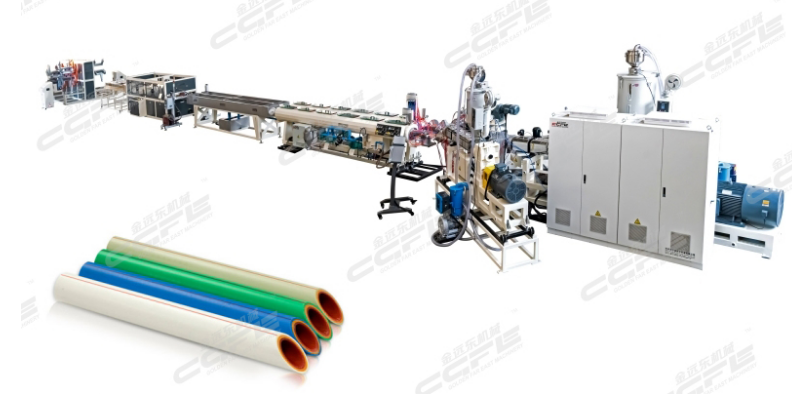
Many facilities discover their PPR pipe production line can increase output by 20–40% simply by upgrading cooling capacity without changes to extrusion equipment. This high return on investment makes cooling upgrades an excellent first step for manufacturers seeking quick production gains from their PPR pipe production line.
Planning Installation and Commissioning
Upgrading cooling on an active PPR pipe production line requires careful scheduling to minimize downtime. Most upgrades involve installing new chillers, expanding water circulation lines, and sometimes adding secondary cooling stages. Plan the upgrade during a scheduled production halt or off-season. Work with equipment suppliers to ensure all new components integrate seamlessly with your existing PPR pipe production line.
After installation, commission the upgraded system by gradually increasing production speed while monitoring temperatures at each cooling stage. A PPR pipe production line commissioning process typically takes 1–2 weeks to achieve optimal calibration. During this phase, collect data to confirm that your PPR pipe production line reaches target throughput and product quality benchmarks with the new cooling capacity.
FAQ
How much can I increase PPR pipe production line output by upgrading cooling?
Most manufacturers report 25–35% output increases after properly sizing cooling capacity for their PPR pipe production line. The exact gain depends on how severely undersized the original system was. Some facilities with critically inadequate cooling see 40–50% gains, while those with only minor thermal constraints may achieve 15–20% improvements. A PPR pipe production line audit will reveal your specific potential.
What is the typical investment for a PPR pipe production line cooling upgrade?
Cooling system upgrades for a PPR pipe production line typically range from $20,000 to $60,000 depending on capacity requirements and existing infrastructure. A basic chiller upgrade with new circulation lines costs less than adding secondary cooling stages to an existing PPR pipe production line. Calculate ROI by multiplying your increased production volume by profit per kilogram. Most upgrades pay for themselves within 6–12 months through increased sales on your PPR pipe production line.
Can I upgrade cooling on my existing PPR pipe production line without replacing the extruder?
Yes, cooling system upgrades are independent of extrusion equipment and integrate with any existing PPR pipe production line. In fact, many manufacturers find their current extruder is oversized relative to cooling capacity. Upgrading cooling allows you to use the full capability of your existing PPR pipe production line without capital investment in new extrusion units.