
 EN

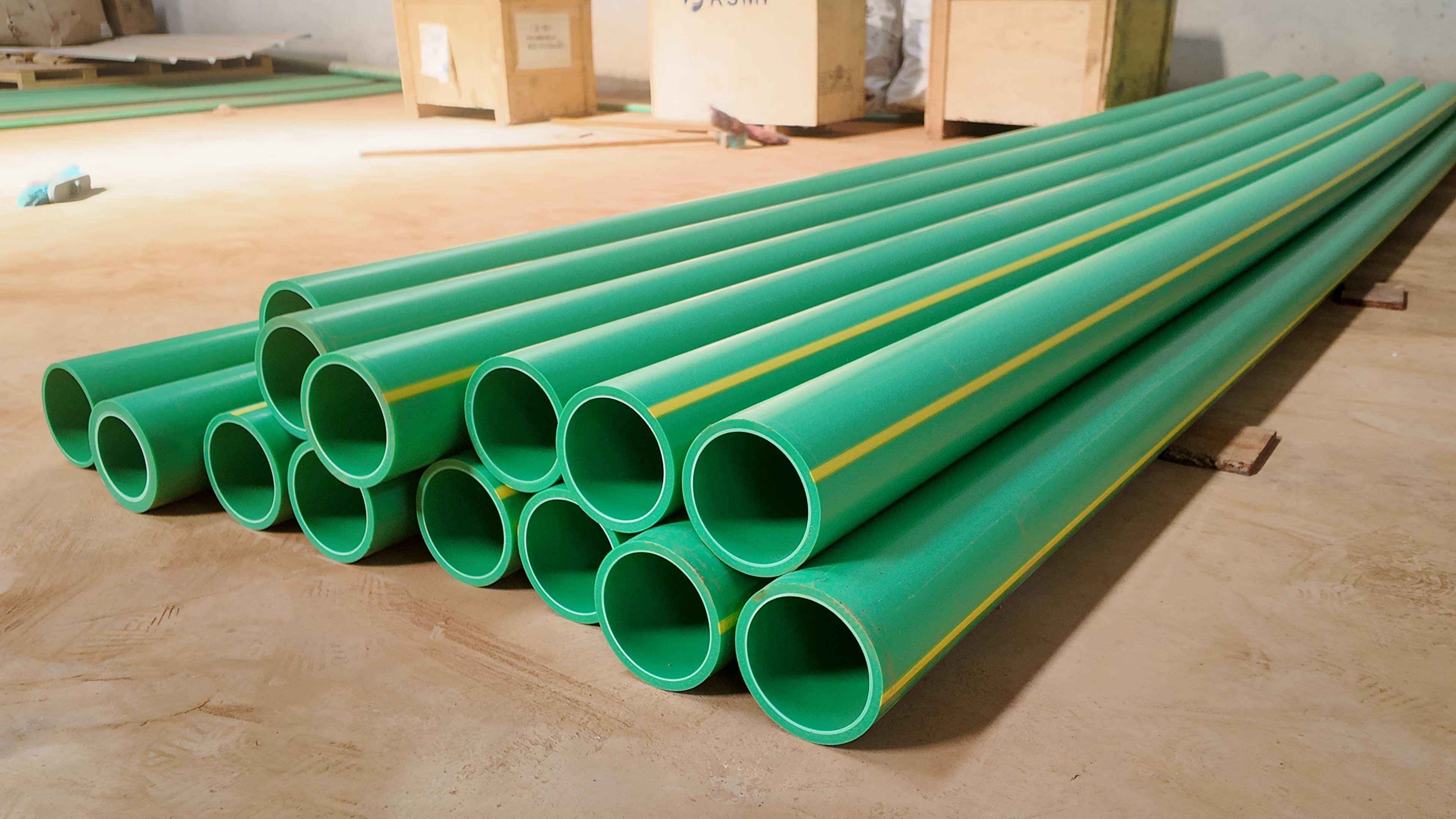
How to Optimize Energy Consumption in Your PPR Pipe Extrusion Line
Energy consumption represents one of the most significant operational expenses in modern manufacturing facilities, particularly for operations running a PPR pipe production line. The extrusion process demands consistent heat, pressure, and motor power to maintain product quality and throughput, yet many manufacturers operate their equipment without strategic optimization. Understanding how to reduce energy waste while maintaining output quality directly impacts profitability and competitive positioning in the industrial pipe market.
Optimizing energy consumption in a PPR pipe production line requires a multifaceted approach that combines equipment maintenance, operational adjustments, and technology upgrades. This guide explores practical strategies that production managers and facility engineers can implement immediately to lower energy costs while enhancing system reliability and product consistency.
Understanding Energy Loss in PPR Pipe Extrusion Systems
Primary Energy Consumption Points
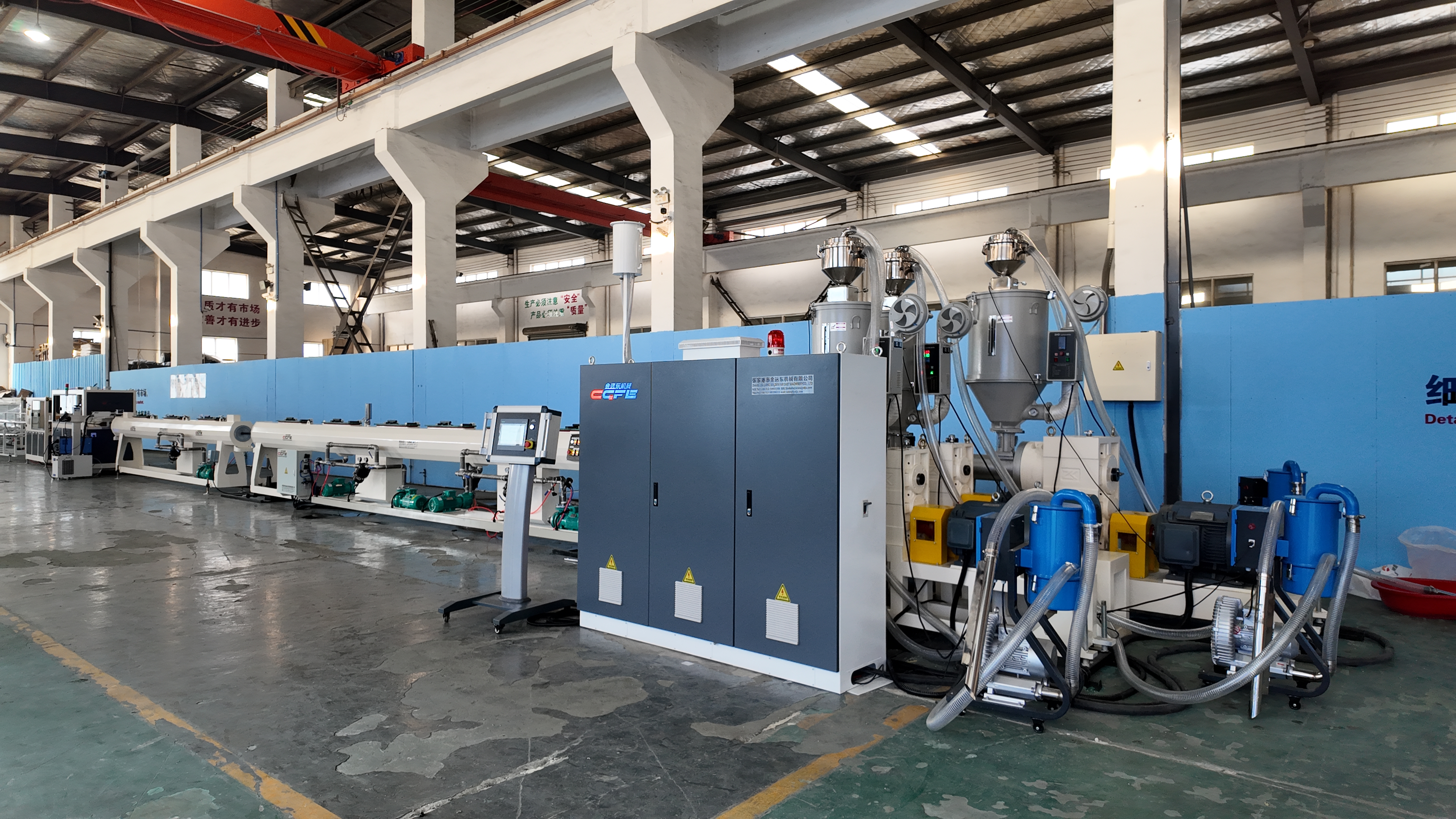
A typical PPR pipe production line consumes energy across several critical stages: material heating, screw rotation, pumping systems, cooling circuits, and auxiliary equipment. The extruder barrel heating system alone can account for 30 to 40 percent of total energy usage, particularly during startup phases and when processing temperature-sensitive materials. Motor-driven components, including the main extrusion motor and auxiliary systems, represent another substantial energy load that varies with output speed and material viscosity. Understanding where energy flows through your specific PPR pipe production line enables targeted intervention and measurable savings.
Common Energy Waste Mechanisms
Energy inefficiency in a PPR pipe production line often stems from inadequate insulation around heated components, allowing thermal energy to dissipate into the surrounding environment rather than maintaining material temperature. Oversized equipment running at partial capacity, poor screw design matching, and unoptimized process parameters create unnecessary energy demand. Cooling systems that operate continuously without demand-responsive controls consume excessive water and energy, while worn equipment components generate friction losses that increase motor load. Many facilities discover that their PPR pipe production line wastes substantial energy simply because baseline performance data was never established or monitoring systems were never installed.
Practical Optimization Strategies for Energy Reduction
Equipment Maintenance and Thermal Management
Maintaining your PPR pipe production line in peak condition prevents energy creep caused by wear, corrosion, and component degradation. Regular inspection of barrel heater bands ensures they remain fully functional and properly insulated; damaged heating elements force remaining heaters to work harder, consuming excess energy. Cleaning cooling channels prevents scale buildup that reduces heat transfer efficiency, requiring the system to work longer to reach setpoint temperatures. Checking screw wear and replacing worn flights maintains proper material conveying action, preventing unnecessary motor strain. A well-maintained PPR pipe production line consumes substantially less energy than one operating with deferred maintenance issues.
Process Parameter Optimization
Fine-tuning process setpoints on your PPR pipe production line can deliver immediate energy savings without capital investment. Reducing barrel temperature 5 to 10 degrees Celsius when product quality permits directly lowers heater energy consumption while improving output consistency. Optimizing screw speed and back pressure balance prevents unnecessary motor load while maintaining proper material fusion and dwell time. Implementing demand-responsive cooling controls that activate only when material temperature exceeds setpoints eliminates continuous circulation losses. These parameter adjustments within a PPR pipe production line context require operator training and careful quality monitoring but typically yield 10 to 15 percent energy reductions within weeks of implementation.
Technology and System Upgrades
Investing in advanced controls for your PPR pipe production line enables precise energy management that manual operation cannot achieve. Variable frequency drives (VFDs) on main motors and pump systems match power delivery to actual demand rather than running at fixed consumption. Proportional heating controllers replace simple on-off systems with graduated heat delivery, preventing temperature overshoot that wastes energy. Infrared imaging of the PPR pipe production line barrel identifies thermal leaks and insulation failures that visual inspection misses. Energy monitoring systems integrated with production management software track consumption metrics in real time, enabling rapid identification of developing inefficiencies before they significantly impact costs.
Integrating Energy Management Into Daily Operations
Establishing Baseline Metrics and Targets
Measuring current energy performance of your PPR pipe production line provides the foundation for any optimization program. Collect baseline data on kilowatt-hours per ton of finished pipe across your standard product range and run conditions. Calculate energy intensity metrics that normalize consumption relative to output volume, material grade, and product specifications. These baselines enable objective tracking of whether optimization efforts on your PPR pipe production line actually deliver measurable results. Without clear metrics, energy management becomes speculative rather than data-driven, limiting credibility and sustained commitment from operations teams.
Operator Training and Engagement
The operators running your PPR pipe production line directly influence daily energy consumption through process parameter choices, startup routines, and equipment maintenance responsiveness. Comprehensive training on energy-efficient operation methods, including controlled startups, gradual temperature ramping, and proper shutdown procedures, creates immediate savings. Engaging operators in energy performance tracking through visual dashboards and performance incentives builds accountability and encourages continuous improvement practices across your PPR pipe production line. Operators often identify practical optimization opportunities that management overlooks, and their buy-in proves essential for sustaining energy reduction gains over time.
Scheduled Maintenance Program Implementation
Preventive maintenance on your PPR pipe production line prevents the gradual energy efficiency degradation that occurs naturally during continuous operation. Establishing intervals for heater band inspection, screw removal and measurement, bearing lubrication, and cooling system flushing keeps all components operating at design efficiency. Predictive maintenance tools, such as vibration analysis and thermal imaging of your PPR pipe production line, identify emerging problems before they become major energy consumers. A structured maintenance approach costs less than reactive emergency repairs while keeping energy consumption stable and predictable.
FAQ
What specific energy reductions can a typical PPR pipe production line achieve through optimization?
Most PPR pipe production line operations report 12 to 18 percent energy reductions within the first six months of implementing comprehensive optimization strategies combining maintenance, parameter adjustment, and control system upgrades. Results vary based on initial operating condition, equipment age, and thoroughness of implementation, but even basic improvements typically deliver measurable savings. Facilities that implement advanced monitoring and VFD technology often exceed 20 percent reductions compared to their baseline consumption.
How does a PPR pipe production line monitor energy consumption accurately?
Professional energy monitoring for a PPR pipe production line integrates power quality analyzers that measure kilowatts, power factor, and reactive demand across all major equipment circuits. Modern systems connect to production control systems to correlate energy consumption with specific product runs, output volume, and operating parameters. This integration enables calculation of energy per ton of pipe produced, accounting for product mix changes and seasonal variations. Real-time dashboards alert operations managers to unexpected energy spikes that may indicate developing equipment problems within the PPR pipe production line.
Can cooling system modifications reduce PPR pipe production line energy costs significantly?
Yes, cooling system optimization represents one of the largest energy-saving opportunities in a PPR pipe production line because cooling circuits often operate continuously regardless of actual material cooling demand. Installing proportional flow control valves that respond to actual pipe temperature reduces unnecessary circulation. Upgrading to high-efficiency heat exchangers improves cooling performance while reducing water flow rates required. A properly optimized cooling system on your PPR pipe production line can reduce energy consumption by 15 to 25 percent while improving process temperature stability and product quality consistency.