
 EN
EN

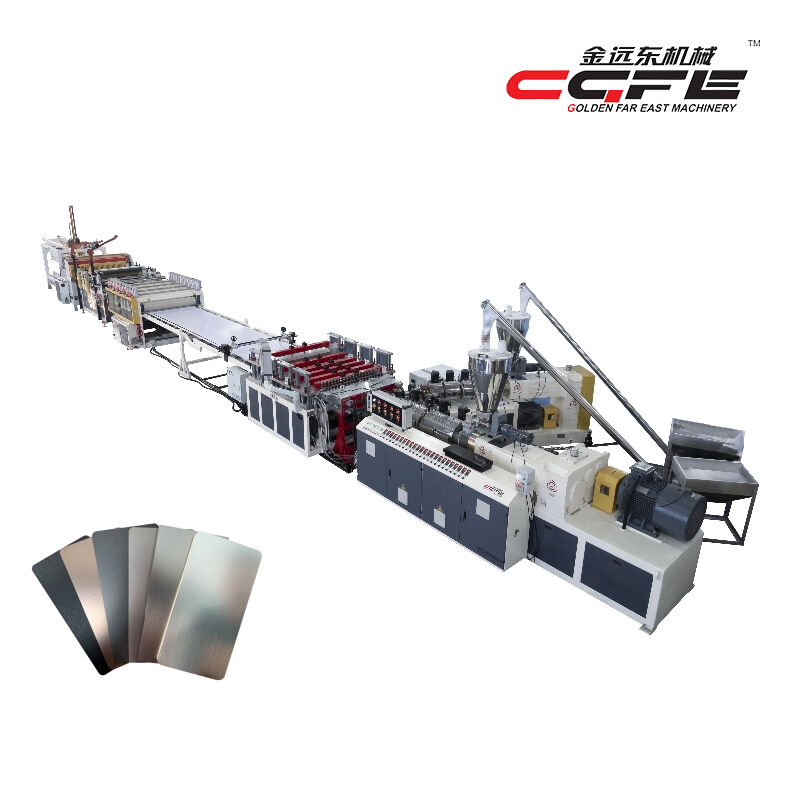
Choosing the right production equipment is a critical decision for industrial manufacturers aiming to balance cost-efficiency with high-quality output. Among the various methods of plastic fabrication, PVC profile extrusion lines stand as the backbone of the construction and interior design industries. These specialized manufacturing systems are engineered to transform raw polyvinyl chloride (PVC) resin into continuous shapes with consistent cross-sections, ranging from window frames to intricate decorative moldings.
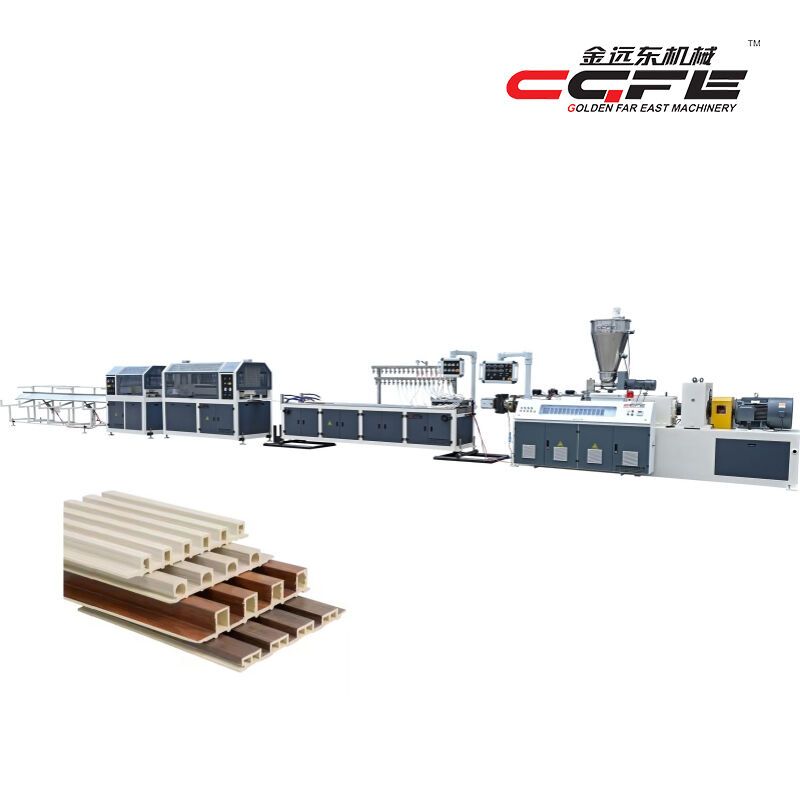
The Versatility and Engineering Behind PVC Profile Extrusion Lines
The primary reason manufacturers gravitate toward PVC profile extrusion lines is the unparalleled versatility of the extrusion process itself. Unlike injection molding, which is limited by the dimensions of a specific mold, extrusion allows for the continuous production of long-form profiles. This is essential for products like door frames, cable trunking, and wall panels where length and uniformity are paramount.
The engineering of a modern PVC profile extrusion line typically involves a twin-screw extruder. This configuration is preferred because PVC is a heat-sensitive material. The twin-screw mechanism provides superior mixing and degassing capabilities, ensuring that the additive-heavy PVC compound—often containing stabilizers, lubricants, and impact modifiers—is processed at a consistent temperature without degradation. This results in a final product with high structural integrity and a smooth surface finish, meeting the rigorous standards of the global construction market.
Technical Specifications and Performance Metrics
When evaluating the efficiency of these systems, manufacturers look at several key performance indicators (KPIs). The following table outlines the typical technical parameters one might expect from a high-performance PVC profile extrusion line used in industrial manufacturing.
| Parameter | Specification Detail | Industrial Application |
| Screw Type | Conical Twin-Screw | High-torque processing of PVC powder |
| Production Capacity | 150kg/h – 800kg/h | Scalable for small workshops or large factories |
| Material Suitability | Rigid PVC, Soft PVC, WPC | Multi-purpose application for doors and windows |
| Cooling Method | Vacuum Calibration & Water Cooling | Ensures dimensional stability of complex shapes |
| Control System | PLC Smart Touch Screen | Real-time monitoring of pressure and temperature |
Durability and Environmental Resistance of Extruded Profiles
Manufacturers choose these production lines because the resulting PVC profiles offer a lifespan that traditional materials like wood or aluminum often cannot match. PVC is inherently resistant to corrosion, rot, and chemical erosion. In the context of window and door manufacturing, profiles produced on a high-quality PVC profile extrusion line are designed to withstand extreme UV exposure and fluctuating weather conditions without warping or losing color.
Furthermore, the integration of Wood-Plastic Composite (WPC) technology within these extrusion lines has opened new markets. By blending PVC with wood flour, manufacturers can produce decking and fencing that mimic the aesthetic of natural timber while retaining the low-maintenance benefits of plastic. This adaptability allows a single extrusion line to serve multiple market segments, providing a higher return on investment for the factory owner.
Cost-Efficiency and Automation in Modern Manufacturing
The shift toward automation has significantly lowered the barrier to entry for high-volume production. Modern PVC profile extrusion lines are equipped with automated downstream equipment, including vacuum calibration tables, haul-off units, and precision cutting saws. This synchronization reduces the need for manual labor and minimizes material waste during the start-up and shut-down phases of production.
By optimizing the screw geometry and heating elements, these lines also consume less energy per kilogram of output compared to older models. For B2B industrial suppliers, this reduction in operational expenditure (OPEX) is a vital selling point. A well-maintained line can operate 24/7 with minimal downtime, ensuring that large-scale orders for infrastructure or residential housing projects are met on schedule.
Frequently Asked Questions Regarding PVC Extrusion
What are the main components of a standard PVC profile extrusion line?
A complete setup generally includes a spring feeder or vacuum loader, a conical twin-screw extruder, a profile mold (die head), a vacuum calibration tank, a haul-off machine, a cutting unit, and a stacker. Each component must be precisely synchronized to maintain the geometric accuracy of the profile.
How does the cooling process affect the quality of the PVC profile?
Cooling is perhaps the most critical stage after the material leaves the die. The vacuum calibration tank uses a combination of chilled water and vacuum pressure to "freeze" the PVC into its intended shape. If the cooling is uneven, the profile may experience internal stresses, leading to warping or bending after it leaves the production line.
Can recycled materials be used in these extrusion lines?
Yes, most industrial PVC profile extrusion lines are capable of processing a certain percentage of recycled PVC (regrind). This is often done using a co-extrusion process where the inner core of the profile is made from recycled material while the outer "skin" is made from virgin PVC to ensure a high-quality aesthetic finish and UV resistance.
What maintenance is required to ensure a long service life for the line?
Regular maintenance focuses on the screw and barrel, as these are the primary wear parts. It is essential to monitor the gearbox oil levels and ensure the cooling water system remains free of mineral buildup. Periodic calibration of the temperature sensors is also recommended to prevent material scorching.
Strategic Conclusion for Industrial Manufacturers
Investing in a PVC profile extrusion line is a strategic move for companies looking to dominate the building materials sector. The combination of material durability, production speed, and the ability to create complex, customized geometries makes this technology indispensable. As global demand for energy-efficient windows and low-maintenance construction materials continues to rise, the role of high-precision extrusion will only become more prominent in the industrial landscape.
Table of Contents
- The Versatility and Engineering Behind PVC Profile Extrusion Lines
- Technical Specifications and Performance Metrics
- Durability and Environmental Resistance of Extruded Profiles
- Cost-Efficiency and Automation in Modern Manufacturing
- Frequently Asked Questions Regarding PVC Extrusion
- Strategic Conclusion for Industrial Manufacturers