
 EN
EN

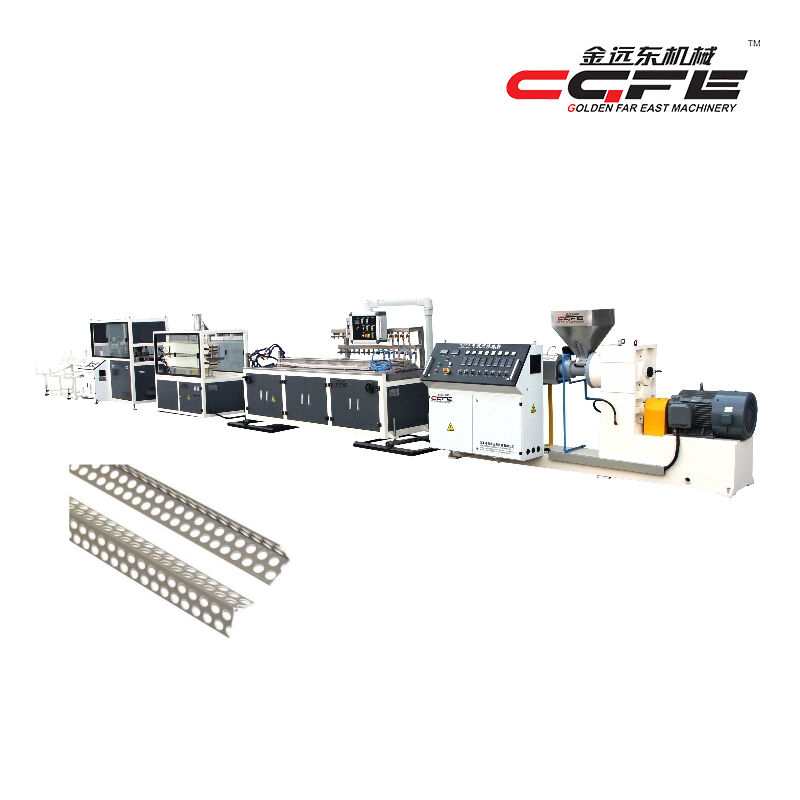
आधुनिक विनिर्माण ने उद्योगों द्वारा आवश्यक बुनियादी ढांचा घटकों के उत्पादन के तरीके को क्रांतिकारी रूप से बदल दिया है, और कर्गेटेड पाइप उत्पादन लाइन के कार्यप्रणाली को समझना दक्ष पाइपिंग समाधानों की खोज करने वाले व्यवसायों के लिए अत्यंत महत्वपूर्ण हो गया है। 2026 में, ये उन्नत विनिर्माण प्रणालियाँ उन्नत स्वचालन, सटीक इंजीनियरिंग और बुद्धिमान नियंत्रण तंत्रों को एकीकृत करती हैं, जो कच्चे प्लास्टिक सामग्री को निर्माण, अपशिष्ट जल निकासी और औद्योगिक अनुप्रयोगों में उपयोग किए जाने वाले उच्च-गुणवत्ता वाले कर्गेटेड पाइप में परिवर्तित करती हैं।
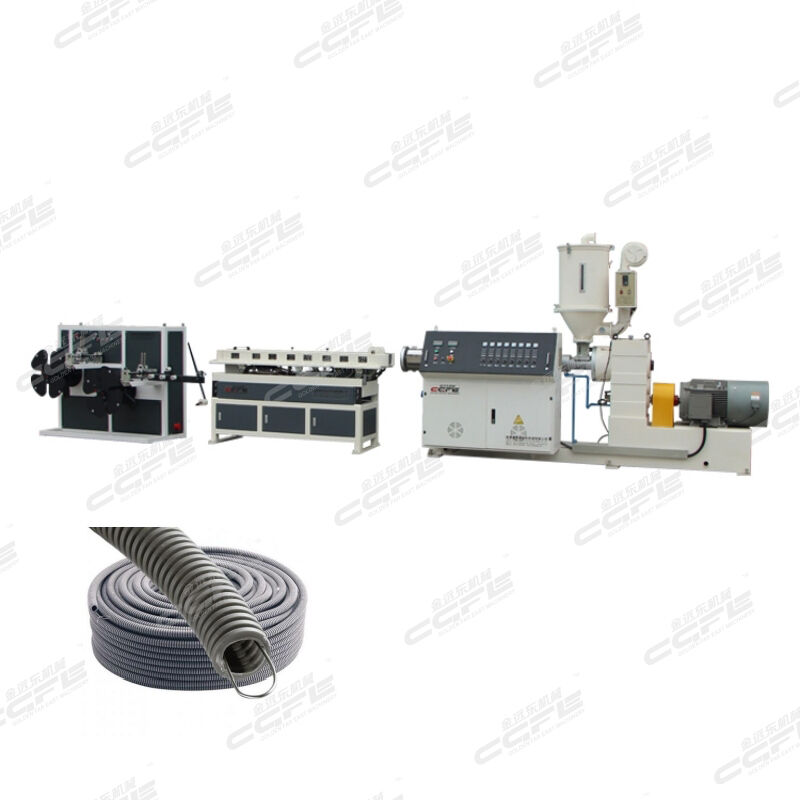
आधुनिक कर्गलीटेड पाइप उत्पादन लाइन का संचालन वर्कफ़्लो कई समन्वित चरणों से मिलकर बना होता है, जो निर्बाध रूप से एक साथ कार्य करके उत्पाद की स्थिर गुणवत्ता और अनुकूल उत्पादन दक्षता सुनिश्चित करते हैं। सामग्री की तैयारी और तापन से लेकर आकृति निर्माण, शीतलन और अंतिम कटिंग तक, उत्पादन लाइन का प्रत्येक घटक उन पाइपों के निर्माण में एक महत्वपूर्ण भूमिका निभाता है जो कठोर उद्योग मानकों और प्रदर्शन आवश्यकताओं को पूरा करते हैं।
सामग्री प्रसंस्करण और तैयारी चरण
कच्ची सामग्री की आपूर्ति और मिश्रण प्रणालियाँ
कर्गलीटेड पाइप उत्पादन लाइन उन्नत सामग्री हैंडलिंग प्रणालियों के साथ शुरू होती है, जो स्वचालित रूप से प्लास्टिक रेजिन—आमतौर पर पॉलीएथिलीन या पॉलीप्रोपिलीन—को सटीक मिश्रण कक्षों में आपूर्ति करती हैं। ये आपूर्ति तंत्र सामग्री के स्थिर प्रवाह दर को सुनिश्चित करते हैं और ऐसे दूषण के जोखिमों को समाप्त करते हैं जो पाइप की गुणवत्ता को समाप्त कर सकते हैं। आधुनिक प्रणालियाँ गुरुत्वीय मापन (ग्रैविमेट्रिक डोज़िंग) तकनीक को शामिल करती हैं, जो आधार सामग्री और अतिरिक्त घटकों की सटीक मात्राओं को मापती है।
कुंडलित पाइप उत्पादन लाइन में उन्नत मिश्रण इकाइयाँ कच्चे माल को रंगद्रव्यों, स्थायीकरों और प्रदर्शन-उन्नयनकारी योजकों के साथ सटीक सूत्रों के अनुसार मिश्रित करती हैं। मिश्रण प्रक्रिया नियंत्रित तापमान और दाब की स्थितियों के तहत समांगी सामग्री वितरण प्राप्त करने के लिए की जाती है। कंप्यूटर-नियंत्रित प्रणालियाँ मिश्रण पैरामीटर्स की निरंतर निगरानी करती हैं और उत्पादन चक्र के दौरान आदर्श सामग्री स्थिरता बनाए रखने के लिए चरों को स्वचालित रूप से समायोजित करती हैं।
सामग्री तैयारी चरण में एकीकृत गुणवत्ता नियंत्रण सेंसर मुख्य उत्पादन प्रक्रिया में प्रवेश करने से पहले सामग्री के गुणों में परिवर्तनों का पता लगाते हैं। ये सेंसर घनत्व, आर्द्रता सामग्री और रासायनिक संरचना का विश्लेषण करते हैं ताकि केवल वे सामग्रियाँ ही एक्सट्रूज़न चरण में आगे बढ़ें, जो निर्दिष्ट आवश्यकताओं को पूरा करती हों।
तापन और गलन संचालन
तैयार किए गए सामग्री उच्च-क्षमता एक्सट्रूडर में प्रवेश करती हैं, जहाँ सटीक नियंत्रित तापन तत्व ठोस प्लास्टिक राल को द्रवित बहुलक धाराओं में परिवर्तित करते हैं। एक्सट्रूडर बैरल के भीतर तापमान क्षेत्र विभिन्न पाइप आयामों और सामग्री सूत्रीकरण के लिए अनुकूलित विशिष्ट तापीय प्रोफाइल को बनाए रखते हैं। गड़रोंदार पाइप उत्पादन लाइन में कई तापन क्षेत्रों का उपयोग किया जाता है, जो सामग्री के तापमान को क्रमशः बढ़ाते हैं ताकि तापीय विघटन को रोका जा सके, जबकि पूर्ण गलन सुनिश्चित किया जा सके।
एक्सट्रूडर के भीतर स्क्रू विन्यास सामग्री धारा के समग्र द्रवित तापमान को बनाए रखने के लिए तापीय प्रसंस्करण के साथ यांत्रिक मिश्रण क्रिया प्रदान करते हैं। परिवर्तनशील गति ड्राइव ऑपरेटरों को सामग्री की विशेषताओं और उत्पादन आवश्यकताओं के आधार पर स्क्रू घूर्णन दर को समायोजित करने की अनुमति देते हैं। एक्सट्रूडर प्रणालियों में दबाव निगरानी क्षमताएँ शामिल हैं, जो असामान्यताओं का पता लगाती हैं और स्वचालित रूप से प्रसंस्करण पैरामीटर को समायोजित करती हैं।
गलित फिल्ट्रेशन प्रणालियाँ गलित सामग्री को पाइप निर्माण अनुभाग तक पहुँचने से पहले अशुद्धियों और अमिश्रित कणों को हटा देती हैं। ये फिल्ट्रेशन घटक डाई के जीवनकाल को बढ़ाते हैं और उत्पादन लाइन द्वारा निर्मित अंतिम गड़नेदार पाइपों की सतह की समाप्ति की गुणवत्ता में सुधार करते हैं।
पाइप निर्माण और आकार देने की प्रक्रिया
गड़नेदार पाइप डाई प्रौद्योगिकी
किसी भी गड़नेदार पाइप उत्पादन लाइन का मुख्य अंग उसके विशिष्ट गड़नेदार पाइप डाई हैं, जो इन पाइपों की पहचान करने वाले विशिष्ट तरंगाकार पैटर्न को आकार देते हैं। आधुनिक डाई प्रणालियों में उच्च-सटीकता से निर्मित सतहें होती हैं, जो पाइप की पूरी लंबाई में सुसंगत गड़ने की गहराई, अंतराल और दीवार की मोटाई बनाए रखती हैं। इन डाई में शीतलन चैनल शामिल होते हैं, जो आदर्श निर्माण तापमान को बनाए रखते हैं और सामग्री के चिपकने को रोकते हैं।
बहु-स्तरीय डाई विन्यास पाइप के उत्पादन को सक्षम बनाते हैं जिनमें विभिन्न दीवार संरचनाएँ होती हैं, जिनमें एकल-दीवार और द्वि-दीवार गड़नेदार डिज़ाइन शामिल हैं। गड़नेदार पाइप उत्पादन लाइन डाई इंसर्ट्स को बदलकर विभिन्न गड़नेदार पैटर्न के बीच स्विच कर सकती है, जिससे निर्माता एक ही उपकरण पर विभिन्न पाइप विनिर्देशों का उत्पादन कर सकते हैं। उन्नत डाई डिज़ाइनों में त्वरित-परिवर्तन तंत्र शामिल हैं जो उत्पाद परिवर्तन के दौरान उत्पादन अवरोध को न्यूनतम करते हैं।
निर्वात कैलिब्रेशन प्रणालियाँ गड़नेदार डाई के साथ समन्वय में कार्य करती हैं ताकि पाइप के सटीक आयामों और चिकनी सतह के फिनिश को सुनिश्चित किया जा सके। ये कैलिब्रेशन इकाइयाँ नियंत्रित निर्वात दबाव लगाती हैं जो निर्मित पाइप को कैलिब्रेशन स्लीव्स के खिलाफ खींचता है, जिससे पाइप के निर्माण अनुभाग से बाहर निकलते समय बाहरी व्यास और गड़नेदार ज्यामिति को स्थिर रखा जा सके।
शीतन और ठोसीकरण विधियाँ
कर्गेटेड पाइप उत्पादन लाइन के भीतर उन्नत शीतलन प्रणालियाँ निर्मित पाइपों के उचित स्थिरीकरण को सुनिश्चित करती हैं, जबकि आयामी स्थिरता बनाए रखी जाती है। जल शीतलन टैंक सटीक नियंत्रित जल संचरण प्रणालियों के माध्यम से नियंत्रित तापमान कमी प्रदान करते हैं। तापमान निगरानी सेंसर शीतलन प्रगति की निगरानी करते हैं ताकि आंतरिक तनाव या आयामी विकृति का कारण बनने वाले तीव्र तापीय परिवर्तनों को रोका जा सके।
वायु शीतलन खंड जल शीतलन को पूरक बनाते हैं, जो सामग्री के क्रिस्टलीकरण पैटर्न को अनुकूलित करने के लिए हल्के तापमान संक्रमण प्रदान करते हैं। शीतलन प्रक्रिया के पैरामीटर्स स्वचालित रूप से पाइप व्यास, दीवार की मोटाई और उत्पादन गति के आधार पर समायोजित हो जाते हैं, ताकि विभिन्न उत्पादन चक्रों के दौरान सुसंगत शीतलन दरें सुनिश्चित की जा सकें।
उन्नत शीतलन प्रणालियों में अपशिष्ट ऊष्मा पुनर्प्राप्ति तंत्र शामिल होते हैं, जो शीतलन प्रक्रिया से ऊष्मीय ऊर्जा को पकड़ते हैं और उसे सामग्री पूर्व-तापन अनुप्रयोगों के लिए पुनर्निर्देशित करते हैं। यह ऊर्जा दक्षता सुविधा पूर्ण शीतलन प्रणाली की कुल शक्ति खपत को कम करती है। क्रॉसगेट पाइप उत्पादन लाइन जबकि इष्टतम प्रसंस्करण स्थितियों को बनाए रखा जाता है।
गुणवत्ता नियंत्रण और माप प्रणाली
आयामी निगरानी प्रौद्योगिकी
आधुनिक कर्गेटेड पाइप उत्पादन लाइन स्थापनाओं में उन्नत मापन प्रणालियों को शामिल किया गया है, जो विनिर्माण प्रक्रिया के दौरान पाइप के आयामों की निरंतर निगरानी करती हैं। लेज़र-आधारित मापन उपकरण वास्तविक समय में पाइप की सतहों को स्कैन करते हैं, जिससे बाहरी व्यास, दीवार की मोटाई और कर्गेटेशन ज्यामिति में मिलीमीटर से भी कम सटीकता के साथ विचरणों का पता लगाया जा सकता है। ये प्रणालियाँ नियंत्रण प्रणालियों को तुरंत प्रतिक्रिया प्रदान करती हैं, जो स्वचालित रूप से प्रसंस्करण पैरामीटरों को समायोजित करती हैं।
अल्ट्रासोनिक मोटाई मापक उपकरण पाइप की परिधि के चारों ओर कई बिंदुओं पर दीवार की मोटाई को मापते हैं, जिससे सामग्री का समान वितरण सुनिश्चित होता है। मापन डेटा आँकड़ात्मक प्रक्रिया नियंत्रण प्रणालियों में प्रवेश करता है, जो गुणवत्ता के प्रवृत्तियों को ट्रैक करती हैं और उत्पाद की गुणवत्ता को प्रभावित करने से पहले संभावित समस्याओं की भविष्यवाणी करती हैं। उत्पादन डेटाबेस के साथ एकीकरण से व्यापक गुणवत्ता दस्तावेज़ीकरण और ट्रेसैबिलिटी सक्षम होती है।
उच्च-रिज़ॉल्यूशन कैमरों का उपयोग करने वाले दृश्य निरीक्षण प्रणाली सतह के दोषों, रंग भिन्नताओं और ज्यामितीय अनियमितताओं का पता लगाती हैं, जो संसाधन संबंधी समस्याओं का संकेत दे सकती हैं। मशीन लर्निंग एल्गोरिदम निरीक्षण डेटा का विश्लेषण करते हैं ताकि उन पैटर्नों की पहचान की जा सके जिन्हें मानव ऑपरेटर्स द्वारा याद किया जा सकता है, जिससे करुगेटेड पाइप उत्पादन लाइन के आउटपुट की समग्र गुणवत्ता स्थिरता में सुधार होता है।
प्रदर्शन परीक्षण एकीकरण
करुगेटेड पाइप उत्पादन लाइन के भीतर स्थापित ऑनलाइन परीक्षण उपकरण निर्माण प्रवाह को बाधित किए बिना यांत्रिक गुणों का मूल्यांकन करते हैं। ये परीक्षण प्रणालियाँ पाइप की दृढ़ता, प्रभाव प्रतिरोध और लचीलापन की विशेषताओं को मापती हैं ताकि उद्योग मानकों के अनुपालन की पुष्टि की जा सके। स्वचालित नमूना चयन तंत्र पूर्ण परीक्षण प्रोटोकॉल के लिए प्रतिनिधित्वपूर्ण पाइप खंडों का चयन करते हैं।
दबाव परीक्षण स्टेशन पाइप की अखंडता और जोड़ों के प्रदर्शन की जाँच करने के लिए नियंत्रित आंतरिक दबाव लगाते हैं। परीक्षण उपकरण वास्तविक दुनिया की स्थापना की स्थितियों का अनुकरण करते हैं ताकि सुनिश्चित किया जा सके कि पाइप विभिन्न अनुप्रयोगों के लिए विनिर्देश आवश्यकताओं को पूरा करते हैं। डेटा लॉगिंग प्रणालियाँ सभी परीक्षण परिणामों को रिकॉर्ड करती हैं और उन्हें उत्पादन बैच की जानकारी से जोड़ती हैं ताकि पूर्ण ट्रेसैबिलिटी सुनिश्चित हो सके।
पर्यावरण अनुकरण कक्ष पाइप के नमूनों को त्वरित आयु वृद्धि की स्थितियों, तापमान चक्र और रासायनिक उत्प्रेरण के लिए उजागर करते हैं, जिससे दीर्घकालिक प्रदर्शन विशेषताओं की भविष्यवाणी की जा सके। ये परीक्षण क्षमताएँ निर्माताओं को उत्पाद की टिकाऊपन की पुष्टि करने और ग्राहकों को प्रदर्शन गारंटी प्रदान करने में सक्षम बनाती हैं।
कटिंग और फिनिशिंग ऑपरेशन
प्रिसिजन कटिंग सिस्टम
कर्गेटेड पाइप उत्पादन लाइन के अंतिम चरणों में सटीक कटिंग प्रणालियों का उपयोग किया जाता है, जो निर्दिष्ट लंबाई के पाइप बनाती हैं और साफ़, समकोण छोर प्रदान करती हैं। उन्नत कटिंग तंत्र घूर्णनशील ब्लेड असेंबलियों का उपयोग करते हैं, जो चिप्स या खुरदुरे किनारों के बिना चिकने कट देते हैं, जो पाइप स्थापना को प्रभावित कर सकते हैं। कटिंग प्रणालियाँ पाइप की गति को सटीक रूप से ट्रैक करती हैं ताकि लंबाई के सही माप सुनिश्चित किए जा सकें।
प्रोग्राम करने योग्य कटिंग नियंत्रण ऑपरेटरों को एकाधिक कटिंग लंबाइयाँ पूर्व-निर्धारित करने और उत्पादन चलाने के दौरान विभिन्न विनिर्देशों के बीच स्वचालित रूप से स्विच करने की अनुमति देते हैं। यह लचीलापन कर्गेटेड पाइप उत्पादन लाइन को मिश्रित ऑर्डर को कुशलतापूर्वक बिना किसी मैनुअल हस्तक्षेप के उत्पादित करने में सक्षम बनाता है। कट लंबाई की सटीकता आमतौर पर उद्योग के मानकों से अधिक होती है, जिससे अपशिष्ट कम होता है और ग्राहक संतुष्टि में सुधार होता है।
छोर के चाम्फरिंग और समापन परिष्करण उपकरण पाइप के कोनों को तिरछा बनाते हैं, जिससे स्थापना आसान हो जाती है और जोड़ के प्रदर्शन में सुधार होता है। ये परिष्करण संचालन कटिंग के तुरंत बाद, जब पाइप के छोर अभी भी पहुँच योग्य होते हैं, किए जाते हैं, जिससे उत्पादित सभी पाइपों में सुसंगत छोर तैयारी सुनिश्चित होती है।
पैकेजिंग और सामग्री हैंडलिंग
कर्गेटेड पाइप उत्पादन लाइन के अंत में स्वचालित पैकेजिंग प्रणालियाँ अंतिम पाइपों को आकार, लंबाई और विनिर्देश आवश्यकताओं के अनुसार व्यवस्थित करती हैं। रोबोटिक हैंडलिंग उपकरण पाइपों को उत्पादन लाइन से मैनुअल उठाए बिना पैकेजिंग स्टेशनों तक ले जाते हैं, जिससे श्रमिकों की थकान कम होती है और सुरक्षा में सुधार होता है। पैकेजिंग प्रणालियाँ विभिन्न शिपिंग विन्यासों को समायोजित कर सकती हैं, जिनमें बल्क पैलेट्स और व्यक्तिगत पाइप बंडलिंग शामिल हैं।
लेबलिंग प्रणालियाँ पहचान टैग लगाती हैं, जिनमें उत्पादन तिथि कोड, सामग्री विनिर्देश और गुणवत्ता प्रमाणन की जानकारी शामिल होती है। ये लेबल आपूर्ति श्रृंखला भर में ट्रेसैबिलिटी प्रदान करते हैं और ग्राहकों को उत्पाद की प्रामाणिकता तथा परियोजना विनिर्देशों के अनुपालन की पुष्टि करने में सहायता करते हैं।
इन्वेंट्री प्रबंधन एकीकरण स्वचालित रूप से स्टॉक स्तरों को अद्यतन करता है और उत्पादन आउटपुट तथा शिपिंग गतिविधियों के आधार पर पुनः ऑर्डर करने के बिंदुओं को सक्रिय करता है। यह एकीकरण गोदाम संचालन को सरल बनाता है और ग्राहक मांग पैटर्न को पूरा करने के लिए पर्याप्त इन्वेंट्री स्तरों को सुनिश्चित करता है।
स्वचालन और नियंत्रण प्रौद्योगिकियां
प्रक्रिया नियंत्रण एकीकरण
आधुनिक कर्गेटेड पाइप उत्पादन लाइन प्रणालियाँ उन्नत प्रक्रिया नियंत्रण प्रौद्योगिकियों पर निर्भर करती हैं, जो केंद्रीकृत कंप्यूटर प्रणालियों के माध्यम से सभी विनिर्माण चरणों के समन्वय को सुनिश्चित करती हैं। ये नियंत्रण प्लेटफ़ॉर्म एक साथ सैकड़ों प्रक्रिया परिवर्तनशीलताओं की निगरानी करते हैं और उत्पादन की आदर्श स्थितियों को बनाए रखने के लिए वास्तविक समय में समायोजन करते हैं। मानव-मशीन इंटरफ़ेस ऑपरेटरों को सहज नियंत्रण स्क्रीन प्रदान करते हैं, जो महत्वपूर्ण जानकारी प्रदर्शित करते हैं और आवश्यकता पड़ने पर मैनुअल अतिरिक्त नियंत्रण (ओवरराइड) की अनुमति देते हैं।
भविष्यवाणी आधारित रखरखाव एल्गोरिदम उपकरण के प्रदर्शन डेटा का विश्लेषण करके विफलताओं के घटित होने से पहले रखरखाव गतिविधियों के लिए निर्धारित समय सारणी बनाते हैं। ये प्रणालियाँ बेयरिंग के तापमान, कंपन स्तर और शक्ति खपत के पैटर्न की निगरानी करती हैं ताकि समस्याओं का प्रारंभिक पता लगाया जा सके। भविष्यवाणी आधारित रखरखाव क्षमताएँ कर्गेटेड पाइप उत्पादन लाइन में अनियोजित डाउनटाइम को कम करती हैं और उपकरणों के सेवा जीवन को बढ़ाती हैं।
रेसिपी प्रबंधन प्रणालियाँ विभिन्न पाइप विनिर्देशों के लिए उत्पादन पैरामीटर संग्रहीत करती हैं, जिससे विभिन्न उत्पाद प्रकारों के बीच त्वरित परिवर्तन संभव हो जाता है। ऑपरेटर पूर्व-परिभाषित रेसिपीज़ का चयन कर सकते हैं, जो स्वचालित रूप से सभी संबंधित प्रक्रिया चरों को समायोजित करती हैं, जिससे सेटअप समय कम हो जाता है और मैनुअल गणना की त्रुटियाँ समाप्त हो जाती हैं।
डेटा एनालिटिक्स और ऑप्टिमाइज़ेशन
आधुनिक कर्गेटेड पाइप उत्पादन लाइन स्थापनाएँ विशाल मात्रा में संचालन डेटा उत्पन्न करती हैं, जिन्हें उन्नत विश्लेषण प्रणालियाँ कार्यात्मक अंतर्दृष्टि में परिवर्तित करती हैं। मशीन लर्निंग एल्गोरिदम उत्पादन पैटर्न का विश्लेषण करके अनुकूलन के अवसरों की पहचान करते हैं और प्रक्रिया में सुधार की सिफारिश करते हैं। ये विश्लेषण क्षमताएँ निर्माताओं को निरंतर गुणवत्ता मानकों को बनाए रखते हुए उत्पादन क्षमता को अधिकतम करने में सहायता प्रदान करती हैं।
ऊर्जा खपत निगरानी प्रणालियाँ उत्पादन के सभी चरणों में बिजली के उपयोग को ट्रैक करती हैं, जिससे दक्षता में सुधार के अवसरों की पहचान की जा सके। डेटा विश्लेषण से प्रक्रिया पैरामीटरों और ऊर्जा खपत के बीच सहसंबंधों का पता चलता है, जिससे ऑपरेटर उत्पादन लागत को कम करने के लिए सेटिंग्स को अनुकूलित कर सकते हैं, बिना उत्पाद की गुणवत्ता को प्रभावित किए बिना।
उत्पादन योजना सॉफ़्टवेयर को फ़ोल्डेड पाइप उत्पादन लाइन के नियंत्रण प्रणालियों के साथ एकीकृत किया जाता है, ताकि आदेश की आवश्यकताओं और सामग्री की उपलब्धता के आधार पर उत्पादन चक्रों के स्वचालित अनुसूचीकरण को सुनिश्चित किया जा सके। यह एकीकरण चेंजओवर की आवृत्ति को न्यूनतम करता है और विभिन्न उत्पाद विनिर्देशों के लिए सामग्री के उपयोग को अनुकूलित करता है।
अक्सर पूछे जाने वाले प्रश्न
आधुनिक फ़ोल्डेड पाइप उत्पादन लाइनों की विशिष्ट उत्पादन गति क्या है?
आधुनिक गड़रोंदार पाइप उत्पादन लाइनें पाइप के व्यास, दीवार की मोटाई और जटिलता के आधार पर 0.5 से 15 मीटर प्रति मिनट की उत्पादन गति प्राप्त करती हैं। छोटे व्यास के पाइप आमतौर पर तेज़ी से संसाधित किए जाते हैं, जबकि बड़े व्यास के पाइपों को उचित शीतलन और आयामी स्थिरता सुनिश्चित करने के लिए धीमी गति की आवश्यकता होती है। अत्याधुनिक प्रणालियाँ, जिनमें अनुकूलित शीतलन और नियंत्रण प्रौद्योगिकियाँ होती हैं, गुणवत्ता मानकों को बनाए रखते हुए उच्च गति प्राप्त कर सकती हैं।
एक पूर्ण गड़रोंदार पाइप उत्पादन लाइन को स्थापित करने के लिए कितना स्थान आवश्यक है?
एक पूर्ण गड़रोंदार पाइप उत्पादन लाइन को स्थापित करने के लिए आमतौर पर 80 से 200 मीटर की रैखिक जगह की आवश्यकता होती है, जो पाइप के आकार की सीमा और सहायक उपकरणों के विन्यास पर निर्भर करती है। चौड़ाई की आवश्यकता 8 से 15 मीटर के बीच होती है, ताकि सामग्री हैंडलिंग प्रणालियों, रखरोट के लिए पहुँच और सुरक्षा स्पष्टता को समायोजित किया जा सके। सुविधा की ऊँचाई की आवश्यकता आमतौर पर 6 से 10 मीटर के बीच होती है, ताकि सामग्री फीडिंग प्रणालियों और रखरोट प्लेटफॉर्मों के लिए पर्याप्त स्थान उपलब्ध हो सके।
कुंडलित पाइप उत्पादन लाइन उपकरणों के लिए कौन-से रखरखाव कार्यक्रम अनुशंसित किए जाते हैं?
कुंडलित पाइप उत्पादन लाइनों के निवारक रखरखाव कार्यक्रमों में शामिल हैं: ठंडा करने की प्रणालियों और कटिंग तंत्रों का दैनिक निरीक्षण, यांत्रिक घटकों का साप्ताहिक स्नेहन, और मापन प्रणालियों का मासिक कैलिब्रेशन। प्रमुख रखरखाव गतिविधियाँ प्रत्येक 2000 से 4000 ऑपरेटिंग घंटों के बाद की जाती हैं और इनमें एक्सट्रूडर स्क्रू का निरीक्षण, डाई की सफाई और नियंत्रण प्रणाली के अद्यतन शामिल हैं। भविष्यवाणी आधारित रखरखाव प्रौद्योगिकियाँ वास्तविक उपकरण की स्थिति के आधार पर इन कार्यक्रमों को अनुकूलित करने में सहायता करती हैं।
क्या कुंडलित पाइप उत्पादन लाइनें विभिन्न कुंडलित पैटर्न वाले पाइपों का निर्माण कर सकती हैं?
हाँ, आधुनिक कर्गेटेड पाइप उत्पादन लाइनें डाई सेट्स को बदलकर और प्रक्रिया पैरामीटर्स को समायोजित करके विभिन्न कर्गेशन पैटर्न उत्पन्न कर सकती हैं। सामान्य पैटर्नों में एकल-दीवार कर्गेटेड, दोहरी-दीवार कर्गेटेड और संरचित दीवार डिज़ाइन शामिल हैं। डाई परिवर्तन प्रक्रियाएँ आमतौर पर जटिलता के आधार पर 2 से 8 घंटे का समय लेती हैं, और कुछ उन्नत प्रणालियों में त्वरित-परिवर्तन तंत्र होते हैं जो परिवर्तन समय को काफी कम कर देते हैं।
विषय-सूची
- सामग्री प्रसंस्करण और तैयारी चरण
- पाइप निर्माण और आकार देने की प्रक्रिया
- गुणवत्ता नियंत्रण और माप प्रणाली
- कटिंग और फिनिशिंग ऑपरेशन
- स्वचालन और नियंत्रण प्रौद्योगिकियां
-
अक्सर पूछे जाने वाले प्रश्न
- आधुनिक फ़ोल्डेड पाइप उत्पादन लाइनों की विशिष्ट उत्पादन गति क्या है?
- एक पूर्ण गड़रोंदार पाइप उत्पादन लाइन को स्थापित करने के लिए कितना स्थान आवश्यक है?
- कुंडलित पाइप उत्पादन लाइन उपकरणों के लिए कौन-से रखरखाव कार्यक्रम अनुशंसित किए जाते हैं?
- क्या कुंडलित पाइप उत्पादन लाइनें विभिन्न कुंडलित पैटर्न वाले पाइपों का निर्माण कर सकती हैं?