
 EN
EN

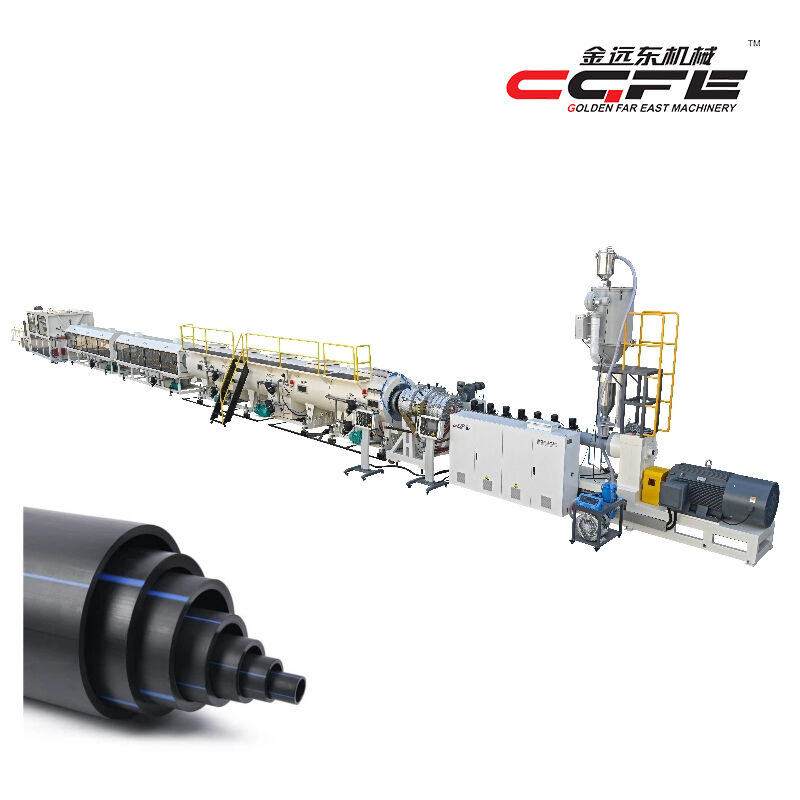
Il panorama manifatturiero del 2026 presenta sfide sempre più complesse per gli impianti di lavorazione del PVC in tutto il mondo. Poiché i rifiuti plastici continuano ad accumularsi e le normative ambientali si fanno più stringenti, i produttori sono sottoposti a una pressione crescente per ottimizzare i propri processi produttivi, gestendo al contempo i costi dei materiali e la coerenza della qualità. macchina per granulazione PVC si rivela una soluzione fondamentale per affrontare questi molteplici problemi industriali, trasformando i flussi di rifiuti in materie prime preziose e migliorando l’efficienza operativa complessiva.
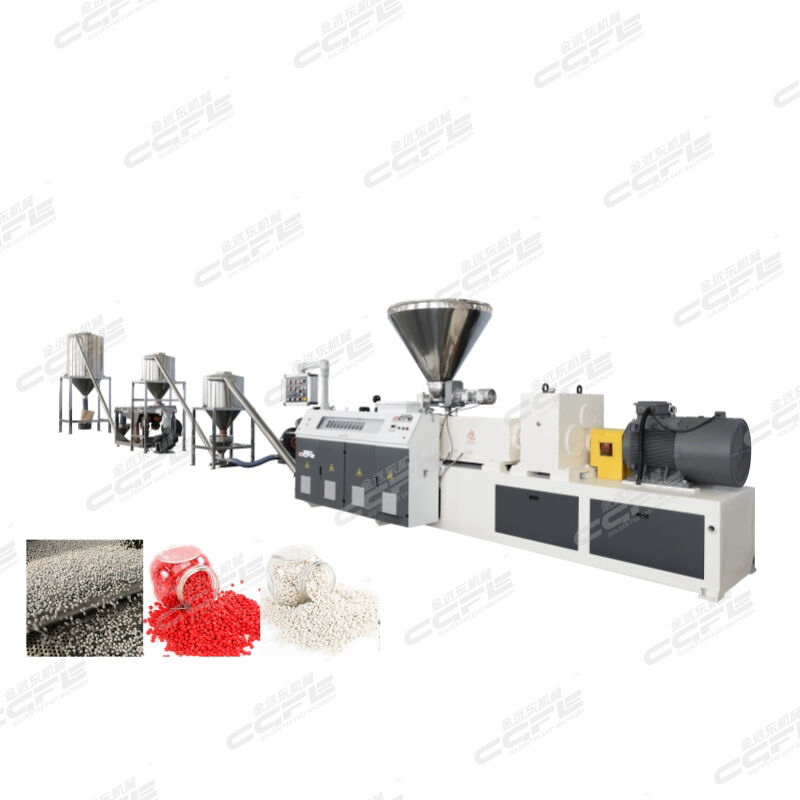
Le moderne operazioni di lavorazione del PVC incontrano numerose difficoltà che incidono direttamente sulla redditività e sugli obiettivi di sostenibilità. Dalla riduzione degli scarti di materiale alla standardizzazione della qualità, l’integrazione di tecnologie avanzate di granulazione offre soluzioni complete che rispondono sia alle esigenze operative immediate sia agli obiettivi strategici a lungo termine. Comprendere queste specifiche capacità di risoluzione dei problemi aiuta i produttori a prendere decisioni informate riguardo agli investimenti in attrezzature e alle strategie di ottimizzazione dei processi.
Sfide legate alla riduzione degli scarti e al recupero dei materiali
Conversione degli scarti di produzione in materiali riutilizzabili
Gli impianti produttivi che generano rilevanti quantità di rifiuti in PVC devono affrontare costi sostanziali per lo smaltimento e la perdita del valore dei materiali. La granulatrice per PVC risolve direttamente questo problema trasformando gli scarti di produzione, i materiali fuori specifica e i rifiuti di processo in granuli uniformi idonei al riutilizzo. Questo processo di conversione elimina la necessità di ricorrere a costosi servizi di smaltimento dei rifiuti, recuperando al contempo materie prime di valore che altrimenti rappresenterebbero una perdita totale.
Il processo di granulazione riduce i pezzi di rifiuto dalla forma irregolare a dimensioni di particella costanti, consentendo un’integrazione senza soluzione di continuità nei cicli produttivi. Questa capacità si rivela particolarmente preziosa per gli impianti che producono tubi, profili o lastre in PVC, dove gli scarti derivanti dalle operazioni di rifilatura possono rappresentare dal quindici al venti per cento del consumo totale di materiale. Implementando una granulazione efficace, i produttori recuperano il valore di tale materiale riducendo contemporaneamente il proprio impatto ambientale.
I sistemi avanzati di macchine per la granulazione del PVC incorporano meccanismi di screening che garantiscono l’ingresso nel flusso di riciclo esclusivamente di granuli di dimensioni corrette. Questo controllo qualità previene la contaminazione dei nuovi lotti di materiale e mantiene costanti le caratteristiche di lavorazione durante i cicli produttivi successivi.
Gestione del riciclo del PVC post-consumo
Il crescente volume di prodotti in PVC post-consumo che richiedono un adeguato riciclo pone notevoli sfide operative agli impianti che trattano flussi misti di plastica. Una macchina per la granulazione del PVC progettata per applicazioni di riciclo è in grado di processare diverse forme di PVC, dai materiali rigidi per l’edilizia ai film flessibili, trasformandoli in granuli standardizzati idonei alla produzione di nuovi prodotti.
Queste macchine risolvono i problemi di contaminazione grazie a sistemi di pulizia integrati che rimuovono etichette, adesivi e materiali estranei durante il processo di granulazione. I granuli risultanti, privi di contaminanti, soddisfano gli standard qualitativi richiesti per la produzione di prodotti secondari, creando mercati redditizi per materiali che altrimenti finirebbero in discarica.
La valutazione della capacità di elaborazione diventa critica quando si trattano materiali post-consumo, poiché le fluttuazioni di volume e la variabilità dei materiali richiedono configurazioni flessibili delle attrezzature. I moderni sistemi di granulazione gestiscono queste variazioni mediante meccanismi di taglio regolabili e controlli della portata variabile.
Problemi di coerenza qualitativa e di standardizzazione dei materiali
Raggiungimento di una distribuzione uniforme delle dimensioni delle particelle
Le proprietà incoerenti del materiale rappresentano una sfida importante nelle operazioni di lavorazione del PVC, dove le variazioni della dimensione delle particelle possono causare difficoltà di lavorazione, difetti del prodotto e usura degli impianti. La granulatrice per PVC risolve questo problema producendo granuli con distribuzioni dimensionali strettamente controllate, garantendo caratteristiche di flusso e comportamento di fusione costanti durante le successive fasi di lavorazione.
I meccanismi di taglio precisi all’interno dei sistemi di granulazione creano geometrie uniformi delle particelle, migliorando la movimentazione del materiale durante le fasi di stoccaggio, trasporto e lavorazione. Questa coerenza riduce il fenomeno dell’arco nei serbatoi di alimentazione, elimina i problemi di alimentazione negli estrusori e fornisce caratteristiche di fusione prevedibili, che migliorano la qualità del prodotto finale.
Il controllo della temperatura durante la granulazione previene il degrado termico che potrebbe compromettere le proprietà del materiale. I moderni progetti di macchine per la granulazione del PVC incorporano sistemi di raffreddamento e velocità di taglio controllate per mantenere temperature di processo ottimali, preservando la struttura molecolare e le caratteristiche prestazionali dei materiali riciclati.
Eliminazione dei problemi di contaminazione e di materiale estraneo
I materiali riciclati contaminati rappresentano una sfida significativa per i produttori che intendono incorporare contenuti riciclati nei propri prodotti. I sistemi avanzati di granulazione affrontano tali problematiche mediante tecnologie di separazione integrate, in grado di rimuovere frammenti metallici, particelle di legno e altri materiali estranei durante il processo di riduzione dimensionale.
I separatori magnetici all'interno dei sistemi di granulazione per PVC catturano i contaminanti ferrosi, mentre i sistemi di classificazione ad aria rimuovono materiali più leggeri, come etichette e film. Questi processi di pulizia garantiscono che i granuli riciclati rispettino rigorose specifiche qualitative per applicazioni critiche, in cui la purezza del materiale influisce direttamente sulle prestazioni del prodotto.
Le capacità di separazione per densità consentono di rimuovere materiali con diversi pesi specifici, eliminando efficacemente le contaminazioni provenienti da altri tipi di plastica che potrebbero compromettere le caratteristiche di lavorazione del PVC. Questo processo di purificazione permette di utilizzare percentuali più elevate di materiale riciclato nei prodotti finali senza sacrificare gli standard qualitativi.
Sfide relative all'efficienza produttiva e alla gestione dei costi
Riduzione dei costi delle materie prime
L'aumento dei costi della resina PVC vergine esercita una pressione significativa sui margini di produzione, in particolare per le operazioni di produzione ad alto volume. La granulatrice per PVC fornisce una soluzione diretta consentendo l'impiego di materiale riciclato, il cui costo è notevolmente inferiore rispetto a quello dei materiali vergini, pur mantenendo standard qualitativi accettabili per molte applicazioni.
I risparmi sui costi dei materiali diventano particolarmente rilevanti quando si elaborano flussi di rifiuti generati internamente, poiché il costo marginale della granulazione rappresenta spesso solo una frazione del prezzo dei materiali vergini. Questo vantaggio economico migliora la redditività complessiva, supportando al contempo iniziative di sostenibilità che influenzano sempre più le decisioni di acquisto dei clienti.
I miglioramenti nella movimentazione dei materiali sfusi derivano da dimensioni standardizzate dei granuli, che ottimizzano la densità di stoccaggio e l'efficienza del trasporto. I granuli di dimensioni appropriate si imballano in modo più efficiente rispetto ai pezzi di rifiuto irregolari, riducendo i requisiti di spazio per lo stoccaggio e migliorando le caratteristiche di flusso del materiale lungo l’intero sistema di movimentazione.
Ottimizzazione del flusso produttivo
Le sfide legate all’integrazione tra generazione dei rifiuti e riprocessamento dei materiali causano inefficienze nel flusso di lavoro in molti impianti manifatturieri. I moderni sistemi di macchine granulatrici per PVC affrontano tali problematiche grazie a meccanismi di alimentazione automatizzati e sistemi di convogliamento integrati, che riducono al minimo le operazioni manuali e attenuano i ritardi di lavorazione.
Le capacità di funzionamento continuo consentono la granulazione di procedere contemporaneamente alle attività produttive principali, eliminando i colli di bottiglia che si verificano quando il trattamento dei rifiuti richiede fasce orarie dedicate. Questo approccio di elaborazione parallela massimizza l'utilizzo delle attrezzature e garantisce un flusso costante di materiale in tutta la struttura.
I sistemi di monitoraggio della qualità integrati con le attrezzature per la granulazione forniscono un feedback in tempo reale sulla distribuzione dimensionale delle particelle e sulla coerenza del materiale, consentendo aggiustamenti immediati che impediscono la propagazione di problemi qualitativi nelle fasi successive del processo.
Pressioni in materia di conformità ambientale e sostenibilità
Rispetto dei requisiti normativi per la riduzione dei rifiuti
Regolamenti ambientali sempre più stringenti richiedono ai produttori di dimostrare risultati misurabili in termini di riduzione dei rifiuti e riciclo. La granulatrice per PVC fornisce soluzioni quantificabili trasformando specifiche percentuali di materiali di scarto in prodotti riutilizzabili, generando documentazione utile a soddisfare i requisiti di conformità normativa e di reporting ambientale.
Le metriche relative al dirottamento dei rifiuti dalle discariche diventano facilmente tracciabili quando i sistemi di granulazione sono dotati di apparecchiature integrate per la pesatura e il monitoraggio che registrano i volumi di materiale elaborato. Questi dati supportano i sistemi di gestione ambientale e forniscono prove delle pratiche di produzione sostenibile necessarie per i programmi di certificazione e per gli audit dei clienti.
I benefici della riduzione dell'impronta di carbonio derivano dalle capacità locali di lavorazione dei materiali, che eliminano la necessità di trasportare i rifiuti per lo smaltimento e riducono la dipendenza dalla produzione di materiali vergini. Questi miglioramenti ambientali si traducono spesso in risparmi economici misurabili, contribuendo al contempo agli obiettivi aziendali di sostenibilità.
Sostegno alle Iniziative di Economia Circolare
I principi dell'economia circolare richiedono la chiusura dei cicli dei materiali attraverso efficaci capacità di riciclo e riprocessamento. Una macchina per la granulazione del PVC ben progettata consente ai produttori di partecipare a catene di approvvigionamento circolari, trasformando prodotti a fine vita in materie prime per nuovi cicli produttivi, riducendo così il consumo complessivo di materiali e la generazione di rifiuti.
L'integrazione della catena di approvvigionamento diventa possibile quando i materiali granulati soddisfano le specifiche qualitative richieste dai clienti esterni, generando opportunità di ricavo da ciò che in precedenza rappresentava un costo per lo smaltimento dei rifiuti. Questa trasformazione da produttore di rifiuti a fornitore di materiali offre ulteriori flussi di reddito, contribuendo al contempo agli obiettivi più ampi di riciclo del settore.
Le opportunità di innovazione derivano dalla capacità di trattare diversi flussi di rifiuti in PVC, consentendo ai produttori di esplorare nuove applicazioni per i materiali riciclati e di sviluppare offerte differenziate che attraggono i clienti sensibili alle tematiche ambientali.
Domande frequenti
Quanta quantità di rifiuti può elaborare tipicamente una macchina per la granulazione del PVC all'ora?
La capacità di elaborazione varia notevolmente in base alle dimensioni della macchina e alle caratteristiche del materiale, con unità industriali che gestiscono tipicamente da 100 a 1000 chilogrammi all’ora. Fattori quali la densità del materiale, il contenuto di umidità e la dimensione desiderata dei granuli influenzano le effettive portate. La maggior parte dei produttori fornisce specifiche dettagliate sulla capacità basate su tipologie specifiche di materiale PVC e sui requisiti di lavorazione.
Quali sono i requisiti di manutenzione associati al funzionamento delle macchine per la granulazione del PVC?
La manutenzione ordinaria comprende l’affilatura o la sostituzione delle lame, la lubrificazione dei cuscinetti e la pulizia dei componenti di screening. La maggior parte dei sistemi richiede una pulizia giornaliera e un’ispezione settimanale dei meccanismi di taglio, mentre gli interventi di manutenzione straordinaria vengono generalmente eseguiti ogni 500–1000 ore di funzionamento. Programmi di manutenzione adeguati prolungano significativamente la vita utile dell’attrezzatura e garantiscono una qualità costante del prodotto.
Le macchine per la granulazione del PVC possono elaborare contemporaneamente diversi tipi di materiali in PVC?
Sebbene le macchine granulatrici possano elaborare diverse formulazioni di PVC, la miscelazione di tipi diversi di materiale durante il processo può influenzare la qualità e la coerenza del prodotto finale. Le migliori pratiche raccomandano di elaborare materiali simili insieme e di pulire accuratamente l’attrezzatura tra un tipo di materiale e l’altro per prevenire contaminazioni e mantenere gli standard qualitativi.
Qual è il consumo energetico previsto per il funzionamento di una macchina granulatrice per PVC?
Il consumo energetico varia tipicamente da 15 a 50 chilowattora per tonnellata di materiale elaborato, in funzione della progettazione della macchina, delle caratteristiche del materiale e della dimensione desiderata dei granuli. I sistemi moderni integrano motori ad alta efficienza energetica e meccanismi di taglio ottimizzati che riducono al minimo i requisiti di potenza, mantenendo al contempo elevate velocità di elaborazione e una qualità costante del prodotto.
Sommario
- Sfide legate alla riduzione degli scarti e al recupero dei materiali
- Problemi di coerenza qualitativa e di standardizzazione dei materiali
- Sfide relative all'efficienza produttiva e alla gestione dei costi
- Pressioni in materia di conformità ambientale e sostenibilità
-
Domande frequenti
- Quanta quantità di rifiuti può elaborare tipicamente una macchina per la granulazione del PVC all'ora?
- Quali sono i requisiti di manutenzione associati al funzionamento delle macchine per la granulazione del PVC?
- Le macchine per la granulazione del PVC possono elaborare contemporaneamente diversi tipi di materiali in PVC?
- Qual è il consumo energetico previsto per il funzionamento di una macchina granulatrice per PVC?