
 EN
EN

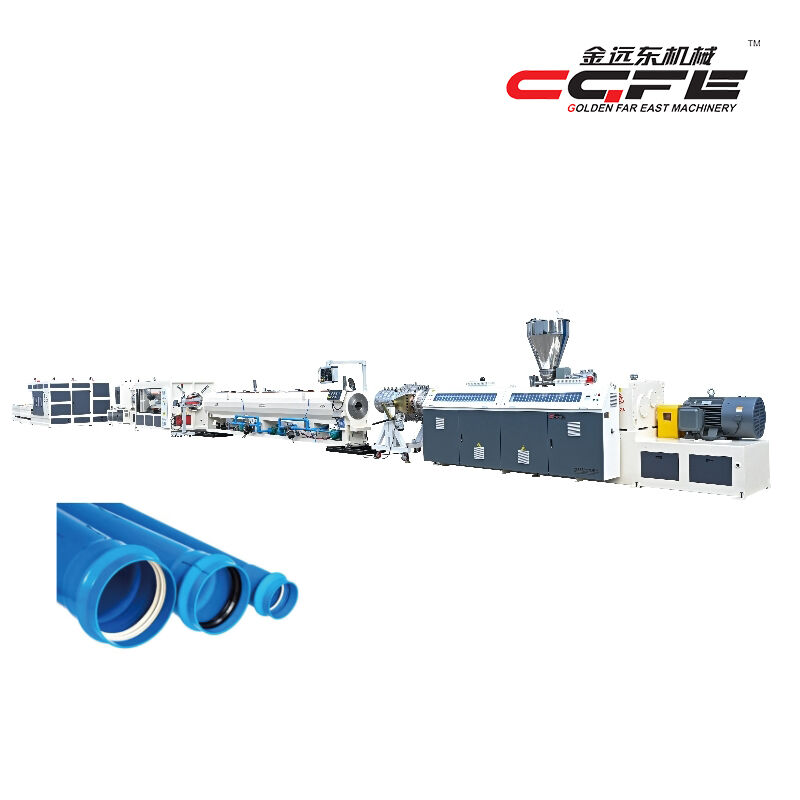
การเลือกสายการผลิตท่อแบบลูกฟูกที่เหมาะสมจำเป็นต้องประเมินความต้องการเฉพาะด้านการผลิตของคุณ ปริมาณการผลิตที่ตั้งเป้าไว้ และความต้องการของตลาดอย่างรอบคอบ การตัดสินใจระหว่างโครงสร้างท่อแบบผนังเดี่ยวและแบบผนังคู่ รวมถึงปัจจัยอื่นๆ เช่น ช่วงเส้นผ่านศูนย์กลางของท่อ ความเร็วในการผลิต และความเข้ากันได้กับวัสดุ ล้วนมีผลกระทบอย่างมากต่อประสิทธิภาพในการดำเนินงานและคุณภาพของผลิตภัณฑ์ ดังนั้น การเข้าใจปัจจัยสำคัญเหล่านี้ในการเลือกจึงเป็นสิ่งจำเป็น เพื่อให้มั่นใจว่าการลงทุนในอุปกรณ์จะสอดคล้องกับวัตถุประสงค์ทางธุรกิจและขีดความสามารถในการผลิตของคุณ
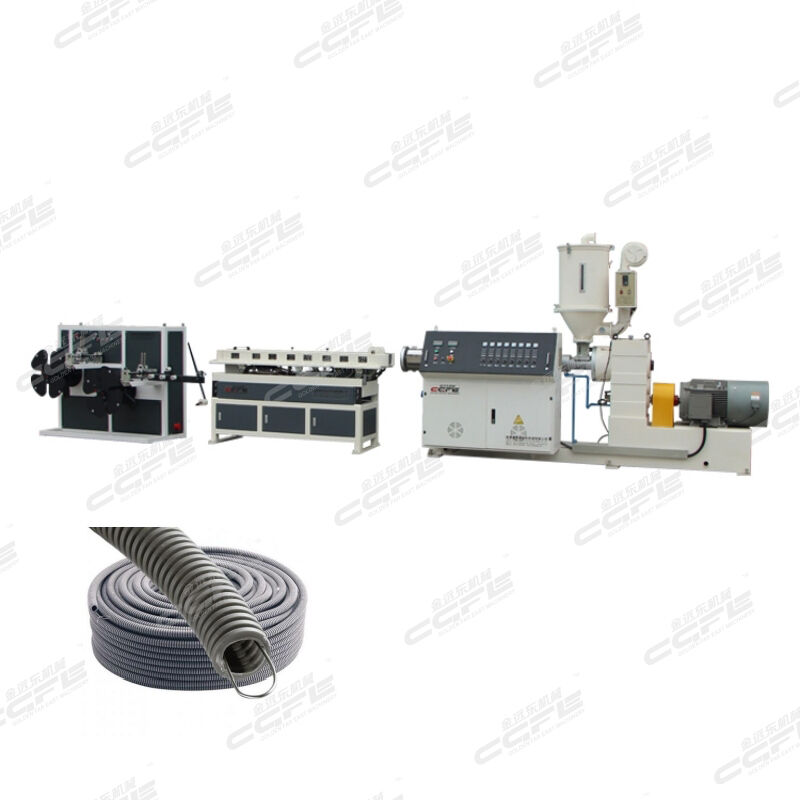
ตลาดสายการผลิตท่อแบบลูกฟูกมีการนำเสนอโครงสร้างที่หลากหลาย เพื่อตอบสนองการใช้งานในภาคอุตสาหกรรมที่แตกต่างกัน ตั้งแต่ระบบระบายน้ำและการป้องกันสายเคเบิล ไปจนถึงระบบชลประทานทางการเกษตรและชิ้นส่วนยานยนต์ การเลือกของคุณจำเป็นต้องคำนึงถึงสมดุลระหว่างต้นทุนการลงทุนครั้งแรกกับประสิทธิภาพการผลิตในระยะยาว โดยพิจารณาปัจจัยต่าง ๆ เช่น การใช้พลังงาน ความต้องการในการบำรุงรักษา และความยืดหยุ่นในการปรับตัวให้สอดคล้องกับความต้องการของตลาดที่เปลี่ยนแปลงอยู่เสมอ กระบวนการประเมินโดยรวมนี้จะช่วยให้ผู้ผลิตสามารถตัดสินใจได้อย่างมีข้อมูล ซึ่งส่งเสริมการเติบโตอย่างยั่งยืนและเสริมสร้างตำแหน่งการแข่งขัน
กำลังการผลิตและความต้องการผลลัพธ์
การกำหนดปริมาณการผลิตเป้าหมาย
การกำหนดปริมาณการผลิตเป้าหมายของคุณนั้นเป็นรากฐานสำคัญสำหรับการเลือกสายการผลิตท่อแบบลูกฟูกที่เหมาะสม ผู้ผลิตจำเป็นต้องวิเคราะห์ความต้องการของตลาดในปัจจุบัน อัตราการเติบโตที่คาดการณ์ไว้ และการเปลี่ยนแปลงตามฤดูกาล เพื่อกำหนดข้อกำหนดด้านกำลังการผลิตที่สมเหตุสมผล สายการผลิตท่อแบบลูกฟูกที่ออกแบบมาเพื่อการดำเนินงานในปริมาณสูงมักมีคุณสมบัติ เช่น ความเร็วในการอัดรีดที่สูงขึ้น ระบบจัดการวัสดุแบบอัตโนมัติ และความสามารถในการทำงานอย่างต่อเนื่อง ซึ่งช่วยเพิ่มปริมาณการผลิตต่อวันให้สูงสุด
ปัจจัยด้านปริมาณการผลิตยังมีอิทธิพลต่อการเลือกระหว่างระบบการผลิตแบบแบตช์ (Batch) กับระบบการผลิตแบบต่อเนื่อง (Continuous) ผู้ผลิตที่มีปริมาณการผลิตสูงมักได้รับประโยชน์จากโครงสร้างสายการผลิตท่อแบบลูกฟูกแบบต่อเนื่อง ซึ่งช่วยลดเวลาหยุดเดินเครื่องให้น้อยที่สุดและเพิ่มประสิทธิภาพการใช้วัสดุให้สูงสุด ระบบที่ว่านี้มักประกอบด้วยระบบควบคุมขั้นสูงที่สามารถรักษาคุณภาพของผลิตภัณฑ์ให้คงที่ตลอดเวลา ขณะเดียวกันก็สามารถบรรลุความเร็วในการผลิตที่เหมาะสมที่สุดในช่วงเวลาการดำเนินงานที่ยาวนาน
การวิเคราะห์ตลาดควรรวมถึงการประเมินกลยุทธ์การกำหนดราคาของคู่แข่ง ความคาดหวังของลูกค้าเกี่ยวกับระยะเวลาการจัดส่ง และโอกาสในการขยายธุรกิจที่อาจต้องการเพิ่มกำลังการผลิต แนวทางเชิงรุกนี้จะช่วยให้การลงทุนในสายการผลิตท่อแบบลูกฟูกของคุณสนับสนุนทั้งความต้องการปัจจุบันและเป้าหมายการเติบโตของธุรกิจในอนาคต โดยไม่จำเป็นต้องอัปเกรดอุปกรณ์ก่อนเวลาอันควร
การปรับความเร็วของสายการผลิตให้สอดคล้องกับความต้องการของตลาด
การปรับแต่งความเร็วของสายการผลิตให้มีประสิทธิภาพต้องอาศัยการสมดุลระหว่างประสิทธิภาพการผลิต มาตรฐานคุณภาพของผลิตภัณฑ์ และข้อกำหนดด้านการจัดส่งสินค้าตามความต้องการของตลาด สายการผลิตท่อแบบลูกฟูกที่ทำงานที่ความเร็วสูงสุดอาจส่งผลให้ความหนาของผนังไม่สม่ำเสมอ หรือคุณภาพของพื้นผิวลดลง หากไม่ได้ปรับเทียบอย่างเหมาะสมตามคุณสมบัติเฉพาะของวัสดุและสภาวะแวดล้อม การเข้าใจความสัมพันธ์เหล่านี้จะช่วยให้ผู้ผลิตสามารถกำหนดเป้าหมายการผลิตที่สมจริง ซึ่งยังคงรักษาคุณภาพตามมาตรฐานที่สามารถแข่งขันได้
เส้นผ่านศูนย์กลางของท่อมีขนาดต่างกัน และรูปแบบความหนาของผนังที่แตกต่างกัน จำเป็นต้องปรับความเร็วในการประมวลผลให้เหมาะสม เพื่อรักษาคุณลักษณะของผลิตภัณฑ์ให้อยู่ในระดับที่ดีที่สุด โดยทั่วไปแล้วท่อที่มีเส้นผ่านศูนย์กลางเล็กกว่าจะสามารถผลิตได้ด้วยความเร็วสูงกว่า ในขณะที่ท่อที่มีเส้นผ่านศูนย์กลางใหญ่กว่าอาจต้องลดความเร็วลงเพื่อให้มั่นใจว่าการระบายความร้อนเป็นไปอย่างเหมาะสม และรักษาความคงตัวของมิติได้อย่างมีประสิทธิภาพ สายการผลิตท่อแบบรีดลอนของท่านจึงควรมีระบบควบคุมความเร็วที่ยืดหยุ่น ซึ่งสามารถรองรับช่วงความต้องการการผลิตที่หลากหลายนี้ได้โดยไม่สูญเสียประสิทธิภาพ
กำหนดเวลาการจัดส่งสินค้าให้ลูกค้ามักเป็นตัวกำหนดความเร็วขั้นต่ำที่จำเป็นสำหรับการผลิต เพื่อให้สามารถปฏิบัติตามพันธสัญญาทางการตลาดได้ การประเมินความต้องการเหล่านี้ร่วมกับขีดความสามารถของอุปกรณ์ จะช่วยให้มั่นใจได้ว่าสายการผลิตท่อแบบรีดลอนที่ท่านเลือกนั้นสามารถตอบสนองกำหนดเวลาการจัดส่งได้อย่างสม่ำเสมอ พร้อมทั้งยังมีความจุสำรอง (buffer capacity) ไว้รองรับความต้องการที่เพิ่มขึ้นอย่างไม่คาดคิด หรือช่วงเวลาที่ต้องหยุดซ่อมบำรุงอุปกรณ์
ข้อกำหนดของท่อและช่วงผลิตภัณฑ์
โครงสร้างผนังเดี่ยวเทียบกับโครงสร้างผนังคู่
ระบบสายการผลิตท่อแบบลูกฟูกผนังเดี่ยวมีขั้นตอนการผลิตที่เรียบง่ายขึ้น ใช้วัสดุน้อยลง และวงจรการผลิตเร็วขึ้น โครงสร้างดังกล่าวเหมาะสำหรับการใช้งานที่ต้องการคุณสมบัติด้านความแข็งแรงในระดับปานกลาง เช่น ระบายน้ำทางการเกษตร ท่อลำเลียงสายเคเบิล และการใช้งานอุตสาหกรรมแบบเบา รูปแบบการออกแบบที่เรียบง่ายมักส่งผลให้ต้นทุนการลงทุนครั้งแรกต่ำกว่า และขั้นตอนการบำรุงรักษาง่ายกว่าเมื่อเทียบกับระบบแบบผนังหลายชั้นที่ซับซ้อนยิ่งขึ้น
อุปกรณ์สายการผลิตท่อแบบลูกฟูกผนังคู่มอบประสิทธิภาพเชิงโครงสร้างที่เหนือกว่า ด้วยผนังด้านในที่เรียบและผนังด้านนอกที่เป็นลูกฟูก ซึ่งช่วยเพิ่มประสิทธิภาพการไหลของสารขณะเดียวกันก็เพิ่มอัตราส่วนระหว่างความแข็งแรงต่อน้ำหนักให้สูงสุด ระบบเหล่านี้จำเป็นต้องใช้กลไกควบคุมที่ซับซ้อนยิ่งขึ้นเพื่อประสานกระบวนการขึ้นรูปผนังด้านในและด้านนอก จึงทำให้อุปกรณ์มีความซับซ้อนมากขึ้น แต่ให้สมรรถนะของผลิตภัณฑ์ที่เหนือกว่าสำหรับการใช้งานที่ต้องการประสิทธิภาพสูง เช่น การจัดการน้ำฝนและการใช้งานอุตสาหกรรมหนัก
การเลือกระหว่างสายการผลิตท่อแบบลูกฟูกชนิดผนังเดี่ยวและผนังคู่ควรสอดคล้องกับความต้องการของตลาดเป้าหมายและกลยุทธ์ด้านราคาของคุณ ระบบผนังคู่มักมีราคาขายในตลาดสูงกว่า แต่ต้องการความเชี่ยวชาญทางเทคนิคและทรัพยากรสำหรับการบำรุงรักษาที่มากขึ้น ในขณะที่ระบบผนังเดี่ยวช่วยให้สามารถเข้าสู่ตลาดได้รวดเร็วขึ้น และดำเนินการได้ง่ายขึ้นสำหรับผู้ผลิตที่เพิ่งเริ่มต้นทำธุรกิจสายการผลิตท่อแบบลูกฟูก
ช่วงเส้นผ่านศูนย์กลางและความยืดหยุ่นด้านขนาด
ความสามารถในการรองรับช่วงเส้นผ่านศูนย์กลางมีอิทธิพลอย่างมากต่อการวางตำแหน่งในตลาดและการเข้าถึงฐานลูกค้าของสายการผลิตท่อแบบลูกฟูก อุปกรณ์ที่ออกแบบมาสำหรับช่วงเส้นผ่านศูนย์กลางแคบอาจให้ความแม่นยำและประสิทธิภาพเหนือกว่าภายในข้อกำหนดเหล่านั้น ขณะที่ระบบที่รองรับช่วงกว้างกว่านั้นจะมอบความยืดหยุ่นในตลาด แต่แลกกับความซับซ้อนที่เพิ่มขึ้นและเวลาในการตั้งค่าที่อาจยาวนานขึ้นระหว่างการเปลี่ยนขนาด
ความยืดหยุ่นในการผลิตจะมีความสำคัญเป็นพิเศษเมื่อให้บริการแก่กลุ่มตลาดที่หลากหลาย ซึ่งต้องการท่อขนาดต่าง ๆ กันสำหรับการใช้งานที่แตกต่างกัน ระบบการผลิตที่มีความหลากหลาย สายการผลิตท่อระบายน้ํา ควรสามารถรองรับการเปลี่ยนแปลงเส้นผ่านศูนย์กลางได้อย่างรวดเร็วผ่านระบบแม่พิมพ์แบบโมดูลาร์ ซึ่งช่วยลดเวลาหยุดเครื่องและต้นทุนการตั้งค่าให้น้อยที่สุด ขณะเดียวกันยังคงรักษาคุณภาพที่สม่ำเสมอทั่วทั้งช่วงขนาดทั้งหมด
พิจารณาข้อแลกเปลี่ยนระหว่างความเชี่ยวชาญเฉพาะทางกับความหลากหลายเมื่อประเมินความต้องการช่วงเส้นผ่านศูนย์กลาง ระบบที่ออกแบบมาเฉพาะมักให้ประสิทธิภาพและคุณภาพที่เหนือกว่าในช่วงขนาดที่จำกัด ในขณะที่ระบบที่มีความหลากหลายให้ข้อได้เปรียบเชิงกลยุทธ์แก่ผู้ผลิตที่ให้บริการหลายกลุ่มตลาด หรือปรับตัวตามความต้องการของลูกค้าที่เปลี่ยนแปลงไปตามกาลเวลา
ความเข้ากันได้ของวัสดุและความต้องการในการแปรรูป
ข้อกำหนดวัตถุดิบ
ความเข้ากันได้ของวัตถุดิบกำหนดพารามิเตอร์การแปรรูปและลักษณะของผลิตภัณฑ์สุดท้ายสำหรับสายการผลิตท่อแบบลูกฟูกทุกชนิด วัสดุเช่น พอลิเอทิลีนความหนาแน่นสูง (HDPE), พอลิโพรพิลีน (PP) และพีวีซี (PVC) แต่ละชนิดต้องใช้ช่วงอุณหภูมิเฉพาะ อัตราการระบายความร้อนที่เหมาะสม และเงื่อนไขการแปรรูปที่แตกต่างกัน เพื่อให้ได้คุณภาพท่อที่ดีที่สุด การเข้าใจข้อกำหนดด้านวัสดุเหล่านี้จะช่วยให้มั่นใจได้ว่าอุปกรณ์ที่คุณเลือกสามารถแปรรูปวัตถุดิบที่คุณต้องการได้อย่างมีประสิทธิภาพ ขณะเดียวกันก็รักษาข้อกำหนดด้านคุณลักษณะของผลิตภัณฑ์ให้คงที่
ระบบการเตรียมและป้อนวัตถุดิบจำเป็นต้องสอดคล้องกับลักษณะของวัตถุดิบเพื่อให้มั่นใจว่าสภาวะการแปรรูปจะสม่ำเสมอตลอดระยะเวลาการผลิต บางรูปแบบของสายการผลิตท่อแบบลูกฟูกมีระบบการอบแห้ง การผสม และการป้อนวัตถุดิบที่ผสานรวมอยู่ภายใน ซึ่งช่วยปรับสภาพวัตถุดิบให้เหมาะสมก่อนเข้าสู่กระบวนการแปรรูป ในขณะที่บางรูปแบบต้องอาศัยอุปกรณ์เตรียมวัตถุดิบแยกต่างหาก ซึ่งจะเพิ่มความซับซ้อนและพื้นที่ใช้สอยให้กับโรงงานการผลิตของคุณ
ข้อพิจารณาด้านการควบคุมคุณภาพ ได้แก่ การติดตามแหล่งที่มาของวัสดุ การป้องกันการปนเปื้อน และการตรวจสอบความสม่ำเสมอตลอดกระบวนการผลิต ระบบสายการผลิตท่อแบบลูกฟูกขั้นสูงมีความสามารถในการติดตามวัสดุและการตรวจสอบคุณภาพ ซึ่งช่วยให้มั่นใจว่าแต่ละแบตช์จะสอดคล้องกับข้อกำหนดที่ระบุไว้ พร้อมทั้งจัดทำเอกสารเพื่อรองรับโปรแกรมการประกันคุณภาพของลูกค้า
อุณหภูมิในการแปรรูปและความต้องการในการระบายความร้อน
การควบคุมอุณหภูมิในการแปรรูปมีผลกระทบโดยตรงต่อคุณภาพของท่อ ความเร็วในการผลิต และการใช้พลังงานในการดำเนินงานของสายการผลิตท่อแบบลูกฟูก โพรไฟล์อุณหภูมิที่เหมาะสมจะแตกต่างกันอย่างมากขึ้นอยู่กับชนิดของวัสดุและรูปแบบของท่อแต่ละประเภท จึงจำเป็นต้องใช้ระบบควบคุมที่แม่นยำเพื่อรักษาเสถียรภาพของอุณหภูมิให้คงที่ตลอดระยะเวลาการผลิตที่ยาวนาน ความต้องการด้านอุณหภูมินี้ส่งผลต่อการออกแบบระบบระบายความร้อน รูปแบบการใช้พลังงาน และความต้องการในการควบคุมสภาพแวดล้อมภายในโรงงานผลิต
ประสิทธิภาพของระบบระบายความร้อนส่งผลต่อทั้งคุณภาพของผลิตภัณฑ์และอัตราการผลิตในกระบวนการผลิตท่อลูกฟูก การระบายความร้อนไม่เพียงพออาจก่อให้เกิดปัญหาความไม่เสถียรของมิติ ข้อบกพร่องบนพื้นผิว และสมรรถนะเชิงโครงสร้างที่ลดลง ขณะที่การระบายความร้อนมากเกินไปจะเพิ่มต้นทุนด้านพลังงาน และอาจก่อให้เกิดความเครียดต่อวัสดุซึ่งส่งผลเสียต่อความทนทานในระยะยาว การปรับสมดุลปัจจัยเหล่านี้จำเป็นต้องอาศัยระบบควบคุมที่ซับซ้อน เพื่อเพิ่มประสิทธิภาพการระบายความร้อนตามคุณสมบัติของวัสดุ สภาพแวดล้อมภายนอก และความเร็วในการผลิต
ประเด็นด้านประสิทธิภาพการใช้พลังงาน ได้แก่ ระบบกู้คืนความร้อน การออกแบบฉนวนกันความร้อน และการจัดการน้ำหล่อเย็น ซึ่งช่วยลดต้นทุนการดำเนินงานโดยยังคงรักษาเงื่อนไขการประมวลผลที่เหมาะสมไว้ ระบบการผลิตท่อลูกฟูกสมัยใหม่มักผสานเทคโนโลยีกู้คืนพลังงานที่ช่วยลดการใช้พลังงานรวม โดยนำความร้อนที่สูญเสียจากกระบวนการอัดรีดมาใช้ประโยชน์ในการเตรียมวัสดุและสนับสนุนความต้องการความร้อนของโรงงาน
คุณสมบัติของอุปกรณ์และระดับระบบอัตโนมัติ
ความซับซ้อนของระบบควบคุม
ระบบควบคุมขั้นสูงช่วยเพิ่มประสิทธิภาพของสายการผลิตท่อแบบลูกฟูกผ่านการปรับพารามิเตอร์โดยอัตโนมัติ การตรวจสอบคุณภาพ และความสามารถในการบำรุงรักษาเชิงพยากรณ์ ระบบที่ว่ามักประกอบด้วยอินเทอร์เฟซหน้าจอสัมผัส การจัดการสูตรการผลิต (Recipe Management) และฟังก์ชันบันทึกข้อมูล ซึ่งช่วยให้การปฏิบัติงานง่ายขึ้น ขณะเดียวกันก็ให้บันทึกการผลิตอย่างละเอียดเพื่อวัตถุประสงค์ด้านการประกันคุณภาพและการปรับปรุงกระบวนการ
ความสามารถในการรวมระบบ (Integration Capabilities) กำหนดระดับความเข้ากันได้ของสายการผลิตท่อแบบลูกฟูกของคุณกับระบบที่ใช้งานภายในโรงงานอื่นๆ เช่น อุปกรณ์จัดการวัสดุ เครื่องมือควบคุมคุณภาพ และซอฟต์แวร์วางแผนทรัพยากรองค์กร (ERP) ระบบที่ทันสมัยมักมีความสามารถในการเชื่อมต่อเครือข่ายและรองรับโปรโตคอลการสื่อสารมาตรฐาน ซึ่งช่วยให้สามารถผสานรวมกับระบบจัดการการผลิตที่มีอยู่ได้อย่างไร้รอยต่อ
ข้อกำหนดในการฝึกอบรมผู้ปฏิบัติงานแตกต่างกันอย่างมากตามระดับความซับซ้อนของระบบควบคุมและระดับการอัตโนมัติ ระบบที่ควบคุมด้วยตนเองแบบง่ายอาจต้องการการฝึกอบรมน้อยมาก แต่ขึ้นอยู่กับทักษะและความสม่ำเสมอของผู้ปฏิบัติงานเป็นหลัก ในขณะที่ระบบสายการผลิตท่อรีดลูกฟูกแบบอัตโนมัติขั้นสูงนั้นจำเป็นต้องมีการฝึกอบรมเบื้องต้นอย่างกว้างขวางมากขึ้น แต่ให้ความสม่ำเสมอสูงขึ้นและลดการพึ่งพาความเชี่ยวชาญเฉพาะบุคคลของผู้ปฏิบัติงาน
พิจารณาด้านการบำรุงรักษาและการบริการ
ความสะดวกในการบำรุงรักษาส่งผลกระทบอย่างมากต่อต้นทุนการดำเนินงานและความถี่ของการหยุดทำงานในกระบวนการผลิตท่อรีดลูกฟูก อุปกรณ์ที่ออกแบบมาเพื่อรองรับการบำรุงรักษาได้ง่ายมักประกอบด้วยจุดตรวจสอบที่เข้าถึงได้ โครงสร้างชิ้นส่วนแบบโมดูลาร์ และความสามารถในการวินิจฉัยอย่างครอบคลุม ซึ่งช่วยให้สามารถดำเนินการแก้ไขปัญหาและซ่อมแซมได้อย่างมีประสิทธิภาพ
การมีอะไหล่สำรองพร้อมใช้งานและการให้บริการสนับสนุนที่มีคุณภาพส่งผลโดยตรงต่อความสำเร็จในการดำเนินงานระยะยาวของการลงทุนในสายการผลิตท่อแบบลูกฟูก ผู้ผลิตควรประเมินศักยภาพด้านการให้บริการของผู้จัดจำหน่าย ระบบสต๊อกอะไหล่ และความรวดเร็วในการให้การสนับสนุนทางเทคนิค ขณะตัดสินใจเลือกอุปกรณ์ เพื่อให้มั่นใจว่าการดำเนินงานจะเป็นไปอย่างต่อเนื่องและเชื่อถือได้
โปรแกรมการบำรุงรักษาเชิงป้องกันช่วยเพิ่มประสิทธิภาพการทำงานของสายการผลิตท่อแบบลูกฟูก ขณะเดียวกันก็ลดเวลาหยุดทำงานที่ไม่คาดคิดและต้นทุนการซ่อมแซมให้น้อยที่สุด ระบบที่ทันสมัยมักมีความสามารถในการตรวจสอบสภาพ (condition monitoring) ซึ่งสามารถติดตามรูปแบบการสึกหรอของชิ้นส่วน และแจ้งเตือนล่วงหน้าเกี่ยวกับความจำเป็นในการบำรุงรักษาที่อาจเกิดขึ้น ทำให้สามารถวางแผนการบำรุงรักษาล่วงหน้าได้ ซึ่งจะช่วยลดผลกระทบต่อการผลิตให้น้อยที่สุด
ข้อพิจารณาเรื่องการลงทุนและผลตอบแทน
ความต้องการเงินลงทุนเริ่มต้น
การวิเคราะห์การลงทุนครั้งแรกสำหรับอุปกรณ์สายการผลิตท่อแบบลูกฟูกจำเป็นต้องพิจารณาไม่เพียงแต่ต้นทุนการซื้ออุปกรณ์เท่านั้น แต่ยังรวมถึงค่าใช้จ่ายในการติดตั้ง การฝึกอบรม และการปรับปรุงสถานที่ด้วย ต้นทุนของระบบทั้งระบบมักสูงกว่าราคาอุปกรณ์อย่างมีนัยสำคัญ เมื่อพิจารณาโครงสร้างพื้นฐานด้านไฟฟ้า ระบบระบายความร้อน อุปกรณ์จัดการวัสดุ และการปรับปรุงสถานที่ที่จำเป็นเพื่อให้การดำเนินงานมีประสิทธิภาพสูงสุด
ตัวเลือกการจัดหาเงินทุนและรูปแบบการชำระเงินสามารถส่งผลกระทบอย่างมากต่อกระแสเงินสดและการคำนวณอัตราผลตอบแทนจากการลงทุนสำหรับการซื้อสายการผลิตท่อแบบลูกฟูก ผู้จัดจำหน่ายหลายรายเสนอโปรแกรมเช่า ตารางการชำระเงินแบบขั้นตอน หรือข้อตกลงการจัดหาเงินทุนตามผลการดำเนินงาน ซึ่งทำให้ภาระผูกพันในการชำระเงินสอดคล้องกับศักยภาพในการผลิตและระยะเวลาในการสร้างรายได้
ต้นทุนที่ซ่อนอยู่มักเกิดขึ้นระหว่างการดำเนินการติดตั้งสายการผลิตท่อแบบลูกฟูก ซึ่งรวมถึงระยะเวลาการติดตั้งที่ยืดเยื้อ ความต้องการการฝึกอบรมเพิ่มเติม และการปรับปรุงสถานที่อย่างไม่คาดคิด การจัดทำงบประมาณอย่างรอบด้านควรรวมเงินสำรองฉุกเฉินสำหรับค่าใช้จ่ายเพิ่มเติมที่อาจเกิดขึ้นเหล่านี้ เพื่อให้มั่นใจว่าจะมีทรัพยากรทางการเงินเพียงพอตลอดช่วงการดำเนินโครงการ
การวิเคราะห์ต้นทุนการดำเนินงาน
รูปแบบการใช้พลังงานถือเป็นองค์ประกอบต้นทุนที่สำคัญอย่างต่อเนื่องสำหรับการดำเนินงานของสายการผลิตท่อแบบลูกฟูก อัตราประสิทธิภาพของอุปกรณ์ ความต้องการอุณหภูมิในการแปรรูป และความต้องการของระบบระบายความร้อน ส่งผลกระทบโดยตรงต่อค่าใช้จ่ายด้านไฟฟ้า ซึ่งสะสมอย่างต่อเนื่องตลอดอายุการใช้งานของอุปกรณ์ การเปรียบเทียบข้อมูลจำเพาะด้านการใช้พลังงานระหว่างอุปกรณ์แต่ละประเภทช่วยให้สามารถระบุระบบที่ให้ประสิทธิภาพด้านต้นทุนในระยะยาวได้ดีที่สุด
ความต้องการแรงงานแตกต่างกันอย่างมากระหว่างระบบสายการผลิตท่อแบบลูกฟูกแบบใช้แรงงานคนกับแบบอัตโนมัติ ระบบที่มีระดับการอัตโนมัติสูงอาจต้องการผู้ปฏิบัติงานน้อยลง แต่ต้องการทักษะระดับสูงกว่าและต้องลงทุนในการฝึกอบรมมากขึ้น ในขณะที่ระบบที่ใช้แรงงานคนโดยทั่วไปต้องการผู้ปฏิบัติงานมากกว่า แต่อาจให้ความยืดหยุ่นสูงกว่าสำหรับการผลิตในปริมาณน้อยและการเปลี่ยนแปลงผลิตภัณฑ์
ค่าใช้จ่ายด้านการบำรุงรักษาและการเปลี่ยนชิ้นส่วนควรประเมินจากความทนทานของชิ้นส่วน ความพร้อมใช้งานของชิ้นส่วนที่สึกหรอ และความต้องการบริการตลอดอายุการใช้งานที่คาดการณ์ไว้ของอุปกรณ์ บางระบบสายการผลิตท่อแบบลูกฟูกอาจมีต้นทุนเริ่มต้นต่ำกว่า แต่มีค่าใช้จ่ายในการบำรุงรักษาอย่างต่อเนื่องสูงกว่า ในขณะที่ระบบอื่นๆ อาจมีความทนทานเหนือกว่า แต่ต้องลงทุนเบื้องต้นสูงกว่า
คำถามที่พบบ่อย
ปัจจัยใดบ้างที่กำหนดความจุที่เหมาะสมของสายการผลิตท่อแบบลูกฟูกสำหรับธุรกิจของฉัน?
ความจุที่เหมาะสมขึ้นอยู่กับการวิเคราะห์ความต้องการของตลาด การคาดการณ์อัตราการเติบโต และเป้าหมายด้านประสิทธิภาพในการดำเนินงาน โปรดพิจารณาปริมาณคำสั่งซื้อในปัจจุบัน ความผันแปรของความต้องการตามฤดูกาล และการขยายตัวของตลาดที่คาดการณ์ไว้ ขณะเลือกความจุการผลิต ควรคำนึงถึงอัตราการใช้งานเครื่องจักร ซึ่งโดยทั่วไปอยู่ในช่วงร้อยละ 70–85 เพื่อรองรับการบำรุงรักษา การเปลี่ยนแปลงการตั้งค่าเครื่องจักร และความผันผวนของตลาด ระบบความจุสูงกว่าจะให้ความยืดหยุ่นในการเติบโต แต่จำเป็นต้องลงทุนครั้งแรกมากขึ้นและมีต้นทุนการดำเนินงานต่อเนื่องที่สูงขึ้น
ฉันจะเลือกระหว่างสายการผลิตท่อแบบลูกฟูกชนิดผนังเดี่ยวและผนังคู่ได้อย่างไร?
ระบบผนังเดี่ยวมีต้นทุนการลงทุนครั้งแรกต่ำกว่า การดำเนินงานที่เรียบง่ายกว่า และความเร็วในการผลิตที่สูงกว่า ซึ่งเหมาะสำหรับการใช้งานพื้นฐาน เช่น ระบบท่อระบายน้ำและท่อร้อยสายไฟ ขณะที่ระบบผนังคู่ให้สมรรถนะเชิงโครงสร้างและลักษณะการไหลที่เหนือกว่า ซึ่งจำเป็นสำหรับการใช้งานที่ต้องการประสิทธิภาพสูง เช่น การจัดการน้ำฝนและการใช้งานในอุตสาหกรรม แต่ต้องใช้การลงทุนที่สูงกว่าและมีความซับซ้อนมากขึ้นในการดำเนินงาน ดังนั้น ทางเลือกของท่านควรสอดคล้องกับความต้องการของตลาดเป้าหมาย ข้อกำหนดทางเทคนิค และกลยุทธ์ด้านราคาสำหรับการใช้งานที่ท่านตั้งใจไว้
ฉันควรจัดสรรงบประมาณสำหรับค่าใช้จ่ายในการดำเนินงานอย่างต่อเนื่องใดบ้างสำหรับการดำเนินงานของสายการผลิตท่อแบบลูกฟูก?
ค่าใช้งานหลักรวมถึงวัสดุดิบ (โดยทั่วไป 60-70% ของค่าใช้จ่ายในการผลิต) ค่าใช้จ่ายพลังงานสําหรับระบบทําความร้อนและทําความเย็น ค่าแรงงานสําหรับผู้ประกอบการและบุคลากรดูแลและอะไหล่สําหรับส่วนประกอบการใช้งาน ค่าใช้จ่ายเพิ่มเติมรวมถึงค่าใช้จ่ายทั่วไปของอุปกรณ์ การทดสอบการควบคุมคุณภาพ และการปรับปรุงอุปกรณ์ระยะเวลา ระบบประหยัดพลังงาน และโปรแกรมการบํารุงรักษาแบบคาดการณ์ สามารถลดต้นทุนต่อเนื่องเหล่านี้ได้อย่างมาก โดยยังคงให้ผลิตได้อย่างดีที่สุด
ระดับอัตโนมัติสําคัญแค่ไหนในการเลือกอุปกรณ์สายการผลิตท่อ corrugated
ระดับการอัตโนมัติส่งผลกระทบอย่างมากต่อความต้องการแรงงาน ความสม่ำเสมอของผลิตภัณฑ์ และความยืดหยุ่นในการดำเนินงาน ระบบแบบใช้มือควบคุมขั้นพื้นฐานต้องการผู้ปฏิบัติงานที่มีทักษะสูงกว่า แต่มีต้นทุนเริ่มต้นต่ำกว่าและมีความยืดหยุ่นในการตั้งค่ามากกว่าสำหรับการเปลี่ยนแปลงผลิตภัณฑ์บ่อยครั้ง ในขณะที่ระบบอัตโนมัติขั้นสูงให้ความสม่ำเสมอที่เหนือกว่า ลดการพึ่งพาแรงงาน และควบคุมคุณภาพได้ดีขึ้น แต่ต้องลงทุนเบื้องต้นสูงกว่าและต้องการผู้เชี่ยวชาญเฉพาะทางด้านการบำรุงรักษาที่มีทักษะสูงกว่า โปรดเลือกระดับการอัตโนมัติที่สอดคล้องกับปริมาณการผลิต ข้อกำหนดด้านคุณภาพ และทรัพยากรทางเทคนิคที่มีอยู่
สารบัญ
- กำลังการผลิตและความต้องการผลลัพธ์
- ข้อกำหนดของท่อและช่วงผลิตภัณฑ์
- ความเข้ากันได้ของวัสดุและความต้องการในการแปรรูป
- คุณสมบัติของอุปกรณ์และระดับระบบอัตโนมัติ
- ข้อพิจารณาเรื่องการลงทุนและผลตอบแทน
-
คำถามที่พบบ่อย
- ปัจจัยใดบ้างที่กำหนดความจุที่เหมาะสมของสายการผลิตท่อแบบลูกฟูกสำหรับธุรกิจของฉัน?
- ฉันจะเลือกระหว่างสายการผลิตท่อแบบลูกฟูกชนิดผนังเดี่ยวและผนังคู่ได้อย่างไร?
- ฉันควรจัดสรรงบประมาณสำหรับค่าใช้จ่ายในการดำเนินงานอย่างต่อเนื่องใดบ้างสำหรับการดำเนินงานของสายการผลิตท่อแบบลูกฟูก?
- ระดับอัตโนมัติสําคัญแค่ไหนในการเลือกอุปกรณ์สายการผลิตท่อ corrugated