
 EN
EN

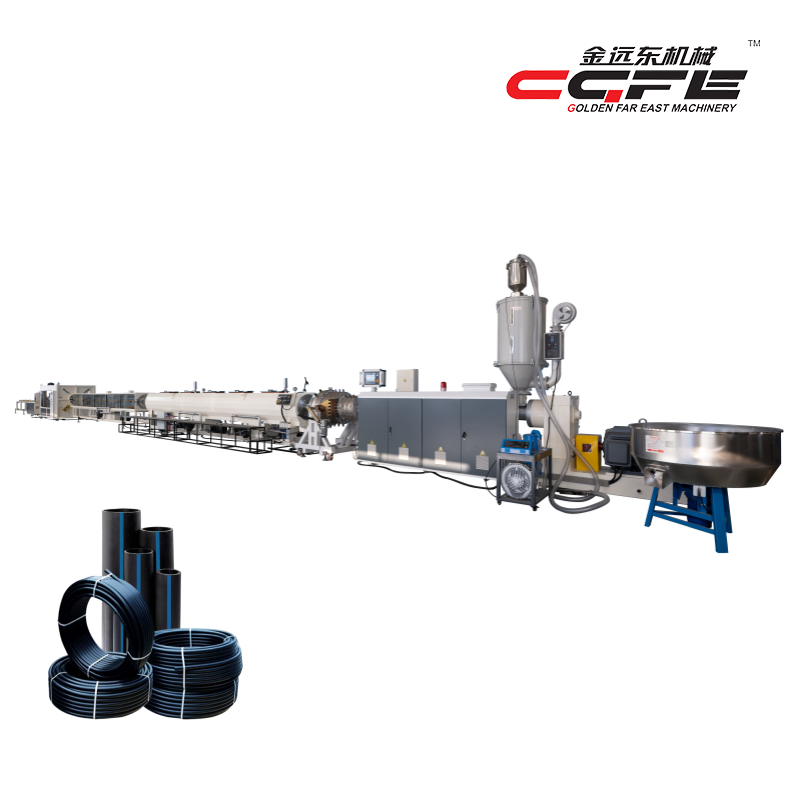
Bir PVC granülleme makinesi, polivinil klorür (PVC) malzemelerini üretim uygulamaları için homojen, peletleştirilmiş granüllere dönüştürmek üzere tasarlanmış özel bir endüstriyel işleme ekipmanıdır. Bu temel makine, çeşitli PVC atıklarını, geri dönüştürülmüş malzemeleri veya saf bileşenleri, aşağı akıştaki üretim süreçleri için belirli boyut ve kalite standartlarını karşılayan tutarlı, tekrar kullanılabilir granüllere dönüştürerek ham PVC bileşenleri ile nihai plastik ürünler arasındaki boşluğu doldurur.
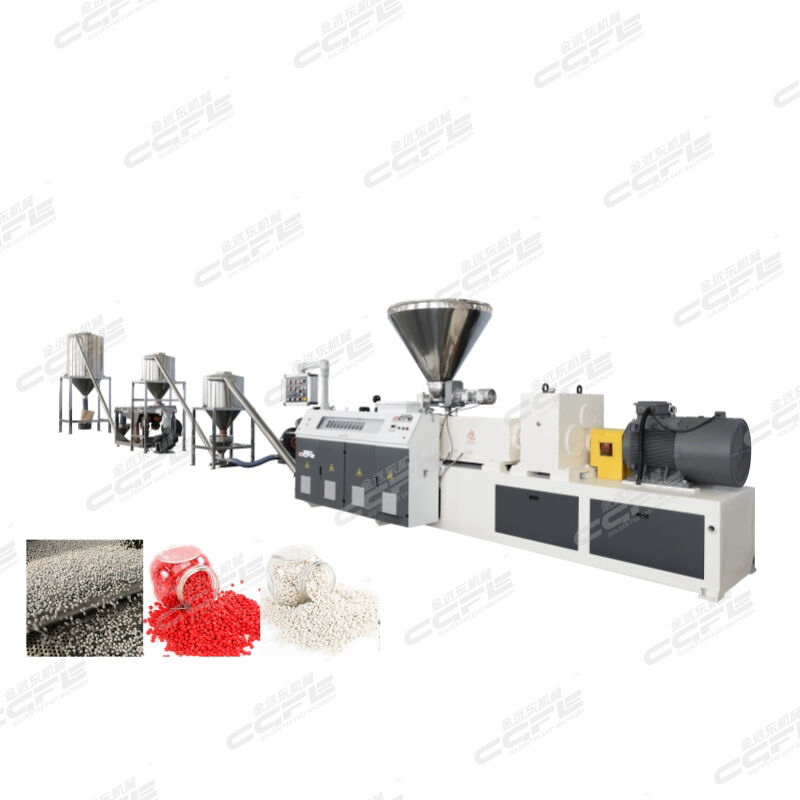
Bir pvc granülasyon makinesi nın işlevselliğini ve çalışma prensiplerini anlamak, plastik işleme operasyonlarını optimize etmeyi, malzeme kaybını azaltmayı ve üretim verimliliğini artırmayı amaçlayan üreticiler için hayati öneme sahiptir. Bu makineler, son ürün performansını ve üretim güvenilirliğini doğrudan etkileyen tutarlı PVC granülü kalitesi gerektiren inşaat, otomotiv, ambalaj ve tüketici ürünleri üretim dahil olmak üzere çok sayıda sektörde hizmet verir.
Temel Bileşenler ve Makine Mimarisi
Birincil İşleme Odası Tasarımı
Her PVC granülleme makinesinin kalbi, giriş malzemelerini eşit granüllere dönüştürmekten sorumlu kesme mekanizmasını barındıran işleme odasıdır. Bu oda genellikle nihai granül boyutunu ve şeklini belirleyen hassas iç ölçülere sahip silindirik bir yapıya sahiptir. Oda duvarları, sürekli kesme işlemlerine bağlı mekanik stresi karşılamak ve aşındırıcı PVC bileşenlerinden kaynaklanan aşınmaya direnmek için sertleştirilmiş çelik veya özel alaşımlar gibi aşınmaya dayanıklı malzemelerden üretilir.
İşleme odası içinde kesme ünitesi, malzemenin eşit şekilde işlenmesini sağlamak amacıyla belirli bir geometrik düzende yerleştirilmiş çoklu dönen bıçaklardan oluşur. Bu bıçaklar önceden belirlenmiş hızlarda ve açılarla çalışarak büyük PVC parçalarını daha küçük, tutarlı granüllere etkili bir şekilde dönüştüren kayma eylemi oluşturur. Odanın tasarımı ayrıca işleme sırasında aşırı ısınmayı önlemek için sıcaklık kontrol özelliklerini de içerir; bu da PVC malzemenin özelliklerinin bozulmasına veya istenmeyen kimyasal reaksiyonlara neden olabilir.
Gelişmiş PVC granülleme makinesi modelleri, operatörlerin farklı PVC formülasyonlarına ve istenen çıkış özelliklerine göre işleme parametrelerini ayarlayabilmesini sağlayan ayarlanabilir oda yapılarına sahiptir. Bu esneklik, üreticilerin inşaat uygulamalarında kullanılan sert bileşiklerden tüketici ürünleri için kullanılan esnek formülasyonlara kadar çeşitli PVC türlerini işlemesini sağlar; aynı zamanda farklı üretim partileri boyunca tutarlı kalite standartlarını korumalarını da sağlar.
Besleme ve Malzeme Taşıma Sistemleri
Bir PVC granülleme makinesinin besleme sistemi, tutarlı işleme oranlarını korumak ve kesme odasına düzgün malzeme akışını sağlamak açısından kritik bir rol oynar. Çoğu sistem, malzemenin tıkanmasını önlemek ve sabit giriş oranlarını sağlamak amacıyla kontrollü besleme mekanizmalarıyla donatılmış bir huni tasarımı içerir. Hunicin kapasitesi, makine boyutuna ve üretim gereksinimlerine göre değişir; daha büyük endüstriyel üniteler, uzun süreli çalışma dönemleri için birkaç yüz kilogramlık malzeme taşıyabilen huniclere sahiptir.
Malzeme taşıma sistemleri genellikle kesme mekanizmasını hasara uğratabilecek metal kirleticileri ayıklamak için manyetik ayırıcılar ve aşırı büyüklükteki parçacıkları elemek için elek cihazları gibi ön işlem bileşenlerini içerir. Bazı PVC granülleme makinesi konfigürasyonları, yüksek hacimli üretim ortamlarında iş gücü gereksinimlerini azaltmak ve operasyonel tutarlılığı artırmak amacıyla otomatik malzeme beslemesi için konveyör sistemleri içerir.
Besleme hızı kontrolü genellikle operatörlerin giriş oranlarını işleme kapasitesine uygun hale getirmesine olanak tanıyan değişken hızlı tahrik sistemleri veya ayarlanabilir kapak mekanizmaları aracılığıyla sağlanır. Bu kontrol, optimum kesme koşullarını korumak ve kötü granül kalitesine veya makine hasarına neden olabilecek aşırı yükleme durumlarını önlemek açısından hayati öneme sahiptir. Modern sistemlerde, gerçek zamanlı işleme koşullarına ve çıkış kalitesi ölçümlerine dayalı olarak besleme oranlarını otomatik olarak ayarlayan geri bildirim kontrolleri sıklıkla bulunur.
Çalışma Prensipleri ve İşleme Mekanizmaları
Kesme ve Granülasyon Süreci
Bir PVC granülleme makinesinin temel çalışma prensibi, kontrollü kesme eylemi yoluyla mekanik boyut küçültmeye dayanır. Süreç, PVC malzemenin işleme odasına girmesi ve dönen kesme ünitesiyle karşılaşmasıyla başlar. Kesme mekanizması genellikle sabit ve dönen bıçakların bir kombinasyonunu kullanır; bu da makas benzeri bir kesme eylemi oluşturarak malzemenin boyutunu verimli bir şekilde küçültürken, PVC özelliklerini etkileyebilecek fazla ısı oluşumunu en aza indirir.
Çalışma sırasında dönen bıçaklar, aşırı ısı birikimini önlemek amacıyla dikkatle kontrol edilen hızlarda hareket eder ve böylece optimal kesme verimliliği sağlanır. Bıçak geometrisi ve aralığı, elde edilen granül boyutunu belirler; çoğu PVC granülleme makinesi tasarımı, farklı çıkış spesifikasyonlarına ulaşmak için bıçak ayarı veya değiştirilmesine olanak tanır. Kesme eylemi, uygulama gereksinimlerine ve makine konfigürasyonuna bağlı olarak genellikle 2 mm ile 10 mm arasında değişen, nispeten eşit boyutlarda granüller oluşturur.
Granülasyon süreci, doğru boyutta granülleri, ek işlem gerektiren aşırı büyük partiküllerden ayıran elek mekanizmalarını da içerir. Birçok makine, aşırı büyük malzemeleri otomatik olarak kesme odasına geri yönlendiren iç elek sistemleriyle donatılmıştır; bu da elle müdahaleye gerek kalmadan tutarlı çıktı kalitesini sağlar. Bu kapalı döngülü işleme yaklaşımı, malzeme kullanımını maksimize eder ve üretim operasyonları sırasında atık oluşumunu azaltır.
Sıcaklık ve Kalite Kontrolü
Sıcaklık yönetimi, PVC granülatör makinelerinin çalışmasında kritik bir unsurdur; çünkü fazla ısı, PVC’nin bozunmasına, renk değişimlerine veya istenmeyen kimyasal reaksiyonlara neden olabilir. Çoğu makine, hava sirkülasyonu, su soğutması veya özel ısı değiştiricileri aracılığıyla optimum işlem sıcaklıklarını koruyan soğutma sistemleriyle donatılmıştır. Bu sistemler sıcaklığı sürekli izler ve işlem koşulları ile malzeme özelliklerine göre soğutma kapasitesini ayarlar.
PVC granülleme makinesi içindeki kalite kontrol mekanizmaları, çeşitli izleme ve ayarlama sistemleri aracılığıyla tutarlı çıktı özelliklerini sağlar. Bunlar arasında bıçak aşınmasını veya dengesizliği tespit etmek için titreşim sensörleri, tıkanıklıkları veya aşırı yüklenme durumlarını belirlemek için basınç monitörleri ve granül boyutlarını doğrulayan çıktı boyutlandırma sistemleri yer alabilir. Gelişmiş makineler genellikle üretim süreçleri boyunca kalite standartlarını korumak amacıyla işlem parametrelerini otomatik olarak ayarlayan bilgisayar kontrollü sistemlere sahiptir.
Gerçek zamanlı izleme sistemlerinin entegrasyonu, operatörlerin üretim hızı, enerji tüketimi ve çıktı kalitesi gibi temel performans göstergelerini takip etmesine olanak tanır. Bu veriler, üretimin verimliliğini veya ürün kalitesini etkileyebilecek potansiyel sorunların önceden tespiti, proaktif bakım planlaması ve süreç optimizasyonu için kullanılır. Birçok modern PVC granülleme makinesi kurulumu, kalite belgelendirmesi ve süreç iyileştirme analizi amacıyla veri kaydı (data logging) özelliklerini içerir.
Uygulamalar ve Endüstriyel Entegrasyon
İmalat Sektörü Uygulamaları
PVC granülleme makinesi, üretim operasyonları için tutarlı PVC granülü tedariki gereken çeşitli imalat sektörlerinde kullanılır. İnşaat sektöründe bu makineler, boru üretimi, pencere profilleri, zemin kaplama malzemeleri ve çatı sistemleri için PVC bileşenlerini işler. Bu makineler tarafından üretilen eşit granül boyutu ve kalitesi, bitmiş inşaat ürünlerinin oluşturulmasında kullanılan ekstrüzyon ve kalıplama süreçlerini doğrudan etkiler; bu nedenle granülleme kalitesi, nihai ürün performansı açısından kritik bir faktördür.
Otomobil imalatı, pvc granülasyon makinelerinin çıkışının iç bileşenlerin, tel kemerlerinin, kapot altındaki parçaların ve dış dekore parçalarının üretimini desteklediği başka önemli bir uygulama alanını temsil eder. Otomobil endüstrisi, sıkı kalite standartları ve malzeme tutarlılığını gerektirir ve bu makinelerin hassas granülasyon yeteneklerini, spesifikasyon gereksinimlerini karşılamak ve yüksek hacimli üretim ortamlarında üretim verimliliğini korumak için gereklidir.
Tüketici malları imalatı, ambalaj malzemeleri, ev ürünleri, oyuncaklar ve çeşitli tüketici ürünleri üretmek için pvc granulating makinesi çıkışına büyük ölçüde bağlıdır. Hem bakire hem de geri dönüştürülmüş PVC malzemelerini işleme alma yeteneği, bu makineleri rekabetçi pazar koşullarında ürün kalitesini ve maliyet etkinliğini korurken sürdürülebilir uygulamaları dahil etmek isteyen üreticiler için değerli kılar.
Geri dönüşüm ve sürdürülebilirlik entegrasyonu
Modern PVC granülleme makinesi tasarımları, artan oranda geri dönüşüm uygulamalarına odaklanmaktadır; bu makineler tüketici sonrası ve sanayi sonrası PVC atıklarını yeniden kullanılabilir granüllere dönüştürür. Bu özellik, atık malzemeleri yeni ürün üretiminde kullanılan değerli hammaddelere dönüştürerek döngüsel ekonomi girişimlerini destekler. Makineler, üretim parçaları, kusurlu ürünler ve ömür sonu malzemeleri gibi çeşitli PVC atık formlarını işleyebilir ve bunları yeniden işleme uygun granüllere dönüştürür.
Geri dönüşüm süreci, işlenmiş granüllerdeki kirlilik seviyeleri, malzeme bozulması ve özellik korunması konularının dikkatlice değerlendirilmesini gerektirir. Gelişmiş PVC granülasyon makine sistemleri, geri dönüştürülmüş granüllerin amaçlanan uygulamalar için spesifikasyon gereksinimlerini karşılamasını sağlamak amacıyla yıkama aşamaları, kirletici madde giderme sistemleri ve kalite test yeteneklerini bir araya getirir. Bu entegrasyon, üreticilerin sürdürülebilirlik hedeflerini ve yasal gereklilikleri karşılarken hammadde maliyetlerini düşürmelerini sağlar.
PVC granülleme makinesi uygulamalarının çevresel avantajları, atık azaltmanın ötesine geçerek enerji tasarrufu ve yenilenebilir olmayan malzeme üretimine kıyasla karbon ayak izinin azaltılmasını da içerir. Granülleme işlemi, yeni PVC bileşiklerinin ham maddelerden üretilmesine kıyasla önemli ölçüde daha az enerji gerektirir; bu nedenle bu makineler, çevre sorumluluğuna ve sürdürülebilir üretim uygulamalarına bağlı olan üreticiler için değerli araçlardır.
Seçim Kriterleri ve Performans Optimizasyonu
Kapasite ve Verimlilik Hususları
Uygun bir PVC granülleme makinesi seçimi, mevcut ve tahmini üretim hacimlerine dayalı olarak işlenebilirlik kapasitesi gereksinimlerinin dikkatli değerlendirilmesini gerektirir. Makine kapasitesi genellikle saatte birkaç kilogram işleyebilen küçük laboratuvar ünitelerinden, saatte birkaç ton işleyebilen büyük endüstriyel sistemlere kadar değişir. Optimal kapasite seçimi, başlangıç yatırım maliyetleri ile işletme verimliliği ve gelecekteki genişleme gereksinimleri arasında denge kurmalıdır.
Verimlilik optimizasyonu, yalnızca maksimum işlem hızlarını değil, aynı zamanda farklı işletme koşulları boyunca çıktı kalitesinin tutarlılığını da dikkate almayı gerektirir. Daha yüksek kapasiteli makineler, güvenilir performans elde edebilmek için daha gelişmiş kontrol sistemleri ve bakım programları gerektirebilir; buna karşılık daha küçük üniteler, çeşitli ürün gereksinimleri için daha büyük operasyonel esneklik sunabilir. Kapasite ile granül kalitesi tutarlılığı arasındaki ilişki, makine seçimi kararlarında kritik bir faktördür.
Üretim planlaması ve malzeme akışı entegrasyonu da kapasite gereksinimlerini etkiler; çünkü partili üretim işlemlerinde daha düşük kapasiteli makineler kullanılabilirken, sürekli üretim hatları daha yüksek verimlilik kapasitesi gerektirir. Tam üretim sisteminin entegrasyonunu anlama, belirli imalat ortamları ve operasyonel gereksinimler için en uygun PVC granülleme makinesi özelliklerinin belirlenmesine yardımcı olur.
Bakım ve İşletme Etkisi
Bakım gereksinimleri, PVC granülleme makinesi kurulumlarının toplam sahiplik maliyetini önemli ölçüde etkiler. Düzenli bakım programları genellikle bıçakların bilenmesini veya değiştirilmesini, rulmanların yağlanmasını, aşınma parçalarının kontrol edilmesini ve kontrol sisteminin kalibre edilmesini içerir. Bakım görevlerinin sıklığı ve karmaşıklığı, makine tasarımına, çalışma koşullarına ve işlenen malzemenin özelliklerine bağlı olarak değişir.
Operasyonel verimlilik optimizasyonu, enerji tüketimi yönetimi, durma sürelerinin en aza indirilmesi ve doğru makine işletimi ile bakım uygulamaları aracılığıyla üretkenliğin maksimize edilmesini kapsar. Modern PVC granülleme makinesi tasarımları, enerji verimli motorlar, optimize edilmiş kesme geometrileri ve işlem performansını korurken güç tüketimini azaltan gelişmiş kontrol sistemleri içerir. Bu özellikler, işletme maliyetlerinin düşürülmesine ve çevresel performansın iyileştirilmesine katkı sağlar.
Tahminsel bakım teknolojileri, performans göstergelerini izleyen ve bakım ihtiyaçlarını öngören durum izleme sistemleri aracılığıyla PVC granülleme makinelerinin operasyonlarını giderek daha fazla desteklemektedir. Bu sistemler, beklenmedik arızaları önlemeye, bakım planlamasını optimize etmeye ve ekipmanın kullanım ömrünü uzatmaya yardımcı olurken aynı zamanda tutarlı üretim kalitesini korur ve üretim ortamlarındaki operasyonel kesintileri azaltır.
SSS
Bir PVC granülleme makinesinde hangi tür PVC malzemeler işlenebilir?
Bir PVC granülleme makinesi, inşaat uygulamalarında kullanılan sert PVC bileşimleri, tüketici ürünleri için esnek PVC formülasyonları, üretim süreçlerinden kaynaklanan geri dönüştürülmüş PVC atıkları ve son tüketici PVC malzemeleri olmak üzere çeşitli PVC malzeme türlerini işleyebilir. Makine, levhalar, filmler, borular, profiller ve üretim artıkları gibi farklı formlardaki malzemeleri işleyebilir ve bunları yeni ürünlerin yeniden işlenmesi için uygun olan homojen granüllere dönüştürebilir.
Belirli uygulamalar için optimal granül boyutu nasıl belirlenir?
Optimal granül boyutu, amaçlanan alt süreç yöntemine ve nihai ürün gereksinimlerine bağlıdır. Enjeksiyon kalıplama uygulamaları için uygun erime ve akış özelliklerini sağlamak amacıyla genellikle 2–4 mm aralığında daha küçük granüller kullanılır. Ekstrüzyon süreçleri 8–10 mm’ye kadar daha büyük granülleri kabul edebilirken, üfleme kalıplama uygulamaları genellikle işlem performansını ve ürün kalitesini optimize etmek için yaklaşık 4–6 mm’lik orta boy granüller gerektirir.
PVC granülleme makinesi çalıştırılırken dikkat edilmesi gereken güvenlik hususları nelerdir?
Temel güvenlik hususları arasında, dönen bileşenlerle teması önlemek için uygun makine korumaları, işleme sırasında oluşan tozun yönetilmesi amacıyla yeterli havalandırma, kesici bıçakların beklenmedik arızalara neden olmaması için düzenli bakımı ve operatörler için uygun kişisel koruyucu donanım bulunur. Ayrıca acil durdurma sistemleri, bakım faaliyetleri için kilitleme/etiketleme prosedürleri ve makine işletimi ile güvenlik protokolleri konusunda uygun eğitim, güvenli çalıştırma açısından hayati öneme sahiptir.
Geridönüşüm PVC işleme işlemi, saf malzeme işlemeden nasıl farklılaşır?
Geridönüşümlü PVC'nin işlenmesi genellikle uygun malzeme özelliklerini sağlamak amacıyla temizlik, kontaminant giderme ve kalite değerlendirmesi gibi ek hazırlık adımları gerektirir. Geridönüşümlü malzemeler, işlem koşullarını ve nihai granül kalitesini etkileyebilecek değişken düzeylerde katkı maddeleri, stabilizatörler veya kontaminantlar içerebilir. PVC granülleme makinesi, geridönüşümlü malzemelerin saf PVC bileşenlerine kıyasla farklı özelliklerini karşılayabilmek için kesme hızları, sıcaklık kontrolü veya elek parametreleri gibi ayarlamalara ihtiyaç duyabilir.