
 EN
EN

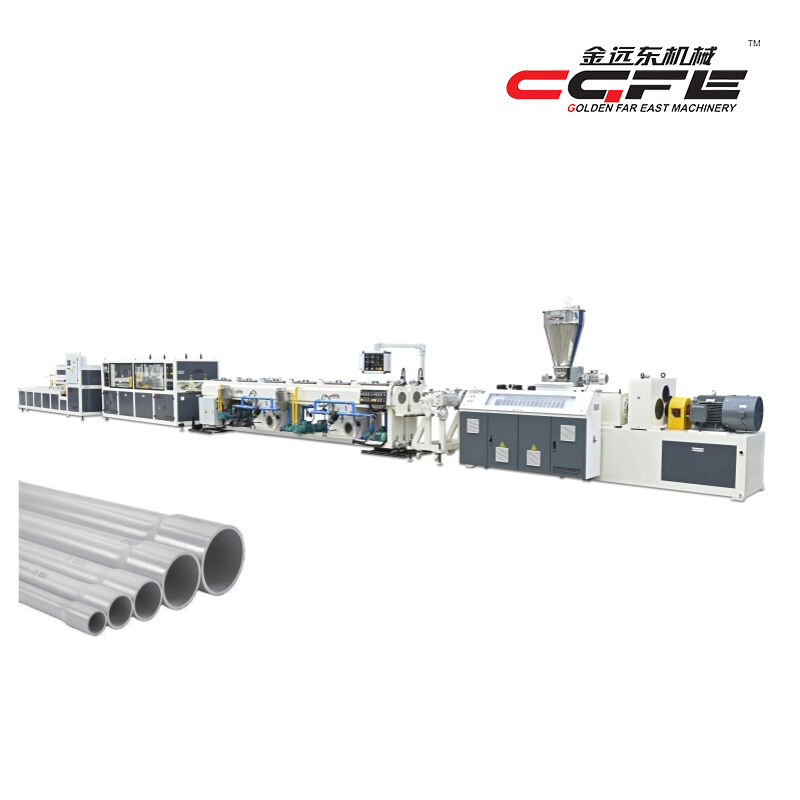
Визначення оптимального часу для оновлення вашого лінія екструзії труб PVC є критичним бізнес-рішенням, яке безпосередньо впливає на ефективність роботи, якість продукції та довгострокову рентабельність. Виробничі потужності різних галузей значною мірою залежать від постійної здатності випускати труби, що робить рішення про оновлення особливо складним через значні капіталовкладення, необхідні для цього, та потенційні перерви у виробництві під час переходу.
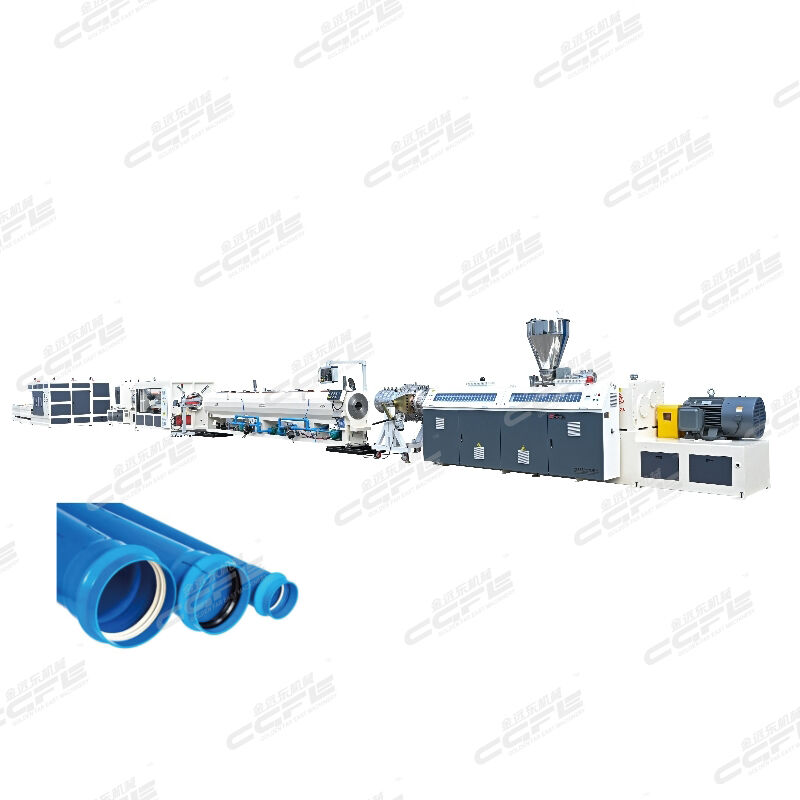
Рішення про модернізацію лінії екструзії ПВХ-труб передбачає аналіз кількох взаємопов’язаних факторів, зокрема показників поточної продуктивності обладнання, патернів ринкового попиту, можливостей технологічного розвитку та індикаторів фінансової готовності. Розуміння цих тригерів прийняття рішень дозволяє виробникам стратегічно планувати оновлення, щоб максимізувати прибутковість інвестицій, мінімізувати порушення в роботі та забезпечити конкурентоспроможне становище на змінному ринку.
Індикатори погіршення продуктивності, що свідчать про необхідність оновлення
Патерни зниження виробничої ефективності
Коли ваша наявна лінія екструзії ПВХ-труб починає демонструвати постійне зниження ефективності виробництва, це є головним індикатором можливості розглянути її модернізацію. Виробничі потужності, як правило, поступово зменшують продуктивність із часом старіння обладнання: старі лінії екструзії часто виробляють на 15–20 % менше труб за годину порівняно з їх первинними технічними характеристиками. Таке погіршення ефективності безпосередньо впливає на собівартість одиниці продукції та загальну рентабельність підприємства.
Моніторинг зростання тривалості циклу надає цінну інформацію про стан обладнання та оптимальний момент для його оновлення. Сучасні системи ліній екструзії ПВХ-труб оснащені передовими системами керування нагріванням та оптимізації охолодження, що значно скорочує тривалість циклу порівняно з застарілим обладнанням. Якщо поточна тривалість циклу постійно перевищує галузеві нормативи більше ніж на 25 %, то такий розрив у продуктивності часто виправдовує інвестиції в модернізацію завдяки покращенню експлуатаційної ефективності.
Аналіз енергоспоживання розкриває ще один критичний показник ефективності, який використовується при прийнятті рішення про модернізацію. Старіші системи екструзії, як правило, споживають на 30–40 % більше енергії на одиницю продукції порівняно з сучасними енергоощадними моделями. Зростання вартості енергії в поєднанні зі зниженням ефективності обладнання призводить до накопичення експлуатаційних витрат, що часто підтверджує доцільність фінансового обґрунтування модернізації.
Виклики контролю якості та забезпечення стабільності
Проблеми з узгодженістю якості часто виникають, коли застаріле обладнання лінії екструзії ПВХ-труб не здатне забезпечити точний контроль температури та сталість подачі матеріалу. Коли частка браку зростає понад 3–5 % від загального обсягу виробництва, поєднання втрат матеріалу, витрат на переділку та проблем із задоволеністю клієнтів часто свідчить про необхідність оновлення обладнання. Сучасні системи екструзії забезпечують вищий рівень контролю процесу, що значно покращує узгодженість якості.
Погіршення точності розмірів є ще одним тригером, пов’язаним із підвищенням якості. У застарілих екструзійних установок можуть виникати зношення, що впливають на рівномірність товщини стінок труб та точність розмірів. Коли розмірні відхилення постійно перевищують галузеві стандарти або вимоги замовників, модернізація обладнання на сучасне, оснащене передовими системами калібрування, стає необхідною для збереження конкурентоспроможності на ринку.
Погіршення якості поверхневого відділення часто супроводжує зниження продуктивності старіючого обладнання. Сучасні лінії для екструзії ПВХ-труб включають удосконалену конструкцію матриць та системи регулювання температури, що забезпечують вищі показники якості поверхні. Коли поточне виробництво постійно не відповідає візуальним стандартам якості або очікуванням замовників, час модернізації узгоджується з цілями покращення якості.
Міркування щодо відповідності ринкового попиту та виробничих потужностей
Еволюція вимог до обсягів виробництва
Стійке зростання ринкового попиту, що перевищує потужність поточного виробництва, є переконливим стимулом для модернізації ліній екструзії ПВХ-труб. Коли черга замовлень постійно перевищує прийнятні терміни поставки, розширення виробничих потужностей шляхом оновлення обладнання часто є більш економічно ефективним рішенням, ніж розширення виробничих приміщень або введення додаткових змін. Сучасні екструзійні лінії, як правило, забезпечують на 40–60 % вищу продуктивність порівняно з обладнанням, випущеним десять років тому.
Аналіз патернів коливань попиту допомагає визначити оптимальний час модернізації для забезпечення гнучкості виробництва. Сучасні системи екструзійних ліній для ПВХ-труб забезпечують покращені можливості зміни налаштувань, що дозволяє ефективно виробляти труби різних діаметрів і технічних характеристик. Коли ринковий попит вимагає частого змінювання асортименту, а поточне обладнання виконує такі зміни неефективно, час модернізації узгоджується з потребами в підвищенні операційної гнучкості.
Довгострокове прогнозування ринку підтримує стратегічне планування модернізації шляхом визначення майбутніх потреб у потужностях. Прогнози зростання галузі в поєднанні з аналізом попиту, специфічним для конкретного підприємства, надають основу для визначення моменту, коли обмеження потужностей наявного обладнання почнуть стримувати розвиток бізнесу. Проактивне планування модернізації запобігає виникненню «вузьких місць» у потужностях, що можуть обмежити реалізацію ринкових можливостей.
Специфікації продукту та вимоги до його індивідуалізації
Постійно змінювані вимоги замовників часто стають підставою для прийняття рішення про модернізацію, коли потужності існуючої лінії екструзії ПВХ-труб не дозволяють задовольнити нові вимоги. Сучасні будівельні проекти нерідко передбачають підвищені характеристики труб, які старе обладнання не може стабільно забезпечити. Коли виконання вимог до специфікацій стає складним або неможливим за допомогою наявного обладнання, терміни модернізації узгоджуються з потребами ринку.
Обмежені можливості індивідуалізації є значними конкурентними недоліками на ринках, де вимагаються спеціалізовані продукти. Сучасні екструзійні системи забезпечують більшу гнучкість у виробництві труб із індивідуальними характеристиками, кольорами та експлуатаційними властивостями. Коли запити клієнтів щодо індивідуалізації перевищують потенціал наявного обладнання, модернізація дозволяє диверсифікувати ринки й отримати можливість застосовувати преміальні ціни.
Вимоги щодо відповідності нормативним актам іноді зумовлюють необхідність модернізації обладнання для виконання нових галузевих стандартів. Нові вимоги щодо безпеки, екологічні вимоги або сертифікації якості можуть вимагати виробничих можливостей, яких старіші лінія екструзії труб PVC системи забезпечити не здатні. Моніторинг термінів набрання чинності нових нормативних вимог дозволяє планувати модернізацію проактивно й забезпечувати неперервний доступ до ринку.
Фактори технологічного розвитку та конкурентного позиціонування
Можливості автоматизації та інтеграції в концепцію «Індустрія 4.0»
Поява технологій розумного виробництва створює привабливі можливості для модернізації ліній екструзії ПВХ-труб, що прагнуть отримати конкурентні переваги. Сучасні екструзійні системи інтегрують передовий моніторинг процесу, можливості прогнозного обслуговування та автоматизованого контролю якості, що значно зменшує потребу в робочій силі й одночасно покращує стабільність виробництва. Коли конкуренти впроваджують ці технології, збереження ринкової позиції часто вимагає аналогічного технологічного оновлення.
Можливості інтеграції аналітики даних усе більше стають ключовими конкурентними відмінностями у виробничих операціях. Сучасне екструзійне обладнання забезпечує комплексне збирання даних про процес, що дозволяє оптимізувати виробництво, усувати несправності та реалізовувати ініціативи безперервного вдосконалення. Підприємства, які не мають таких аналітичних можливостей, можуть виявитися в невигідному становищі щодо ефективності роботи та зусиль із поліпшення якості.
Функції дистанційного моніторингу та керування, які пропонують сучасні лінії для екструзії ПВХ-труб, забезпечують гнучкість у роботі та підвищення ефективності. Ці технології дозволяють скоротити потребу в персоналі, покращити швидкість реагування на зміни в процесі та підвищити загальну ефективність обладнання. У разі постійного зростання витрат на оплату праці переваги автоматизації часто виправдовують інвестиції в модернізацію за рахунок зниження експлуатаційних витрат.
Підвищення ефективності використання матеріалів та сталого розвитку
Сучасні системи екструзії мають передові можливості обробки матеріалів та вторинної переробки, що забезпечує значні переваги у плані сталого розвитку й усе частіше впливає на рішення клієнтів щодо закупівель. Сучасне обладнання для ліній екструзії ПВХ-труб забезпечує покращене використання матеріалів, що зменшує відходи на 20–30 % порівняно зі старими системами. Коли витрати на матеріали становлять значну частину експлуатаційних витрат, такі покращення ефективності суттєво сприяють обґрунтуванню інвестицій у модернізацію.
Покращення енергоефективності в сучасних технологіях екструзії часто забезпечують вражаючий фінансовий прибуток за рахунок зниження витрат на комунальні послуги. Нові системи нагріву, оптимізовані конструкції систем охолодження та інтеграція частотно-регульованих приводів зазвичай зменшують споживання енергії на 25–35 % порівняно з застарілим обладнанням. Зростання вартості енергії робить ці енергозберігаючі досягнення все більш цінними для довгострокової економіки експлуатації.
Здатність відповідати екологічним вимогам стає все важливішою, оскільки вимоги щодо сталого розвитку впливають на критерії вибору клієнтів. Сучасне обладнання забезпечує кращий контроль викидів, знижене споживання енергії та покращене використання матеріалів, що підтримує корпоративні цілі у сфері сталого розвитку. Коли екологічні показники стають конкурентною перевагою, терміни модернізації узгоджуються зі стратегіями позиціонування компанії в контексті сталого розвитку.
Готовність до фінансових інвестицій та стратегії оптимізації інвестицій
Планування капітальних інвестицій та аналіз ROI
Розробка комплексного аналізу рентабельності інвестицій надає ключові рамки для визначення оптимального часу модернізації ліній екструзії ПВХ-труб. Розрахунок загальної вартості володіння, у тому числі ціни покупки, витрат на монтаж, витрат на навчання персоналу та операційних покращень, дозволяє здійснити точну фінансову оцінку. Коли прогнози рентабельності інвестицій вказують на термін окупності менше трьох років, час модернізації часто збігається з сприятливими умовами для інвестування.
Аналіз грошових потоків із урахуванням поточних експлуатаційних витрат на обладнання порівняно з експлуатаційними економіями від нового обладнання допомагає визначити готовність до фінансово вигідної модернізації. Застаріле обладнання часто призводить до зростання витрат на технічне обслуговування, підвищеного енергоспоживання та зниження продуктивності, що в цілому збільшує експлуатаційні витрати. Коли такі зростаючі витрати наближаються до річної суми амортизації нового обладнання, економічна вигода від модернізації стає все більш вираженою.
Оцінка варіантів фінансування дозволяє стратегічно визначити час модернізації, що оптимізує управління грошовими потоками. Програми фінансування обладнання, орендні угоди та програми урядових стимулів можуть суттєво вплинути на економічну доцільність модернізації. Коли сприятливі умови фінансування збігаються з операційними потребами у модернізації, таке узгодження термінів максимізує фінансову вигоду й мінімізує вплив на капітал.
Оцінка ризиків та планування безперервності бізнесу
Оцінка ризику виходу з ладу та пов’язаних із ним загроз для безперервності бізнесу надає важливі рекомендації щодо термінів модернізації критичного виробничого обладнання. Системи ліній екструзії ПВХ-труб старшого віку мають зростаючу ймовірність відмов, що може призвести до тривалих перерв у виробництві та витрат на аварійний ремонт. Коли надійність обладнання стає сумнівною, а доступність запасних частин зменшується, проактивна заміна часто забезпечує кращу безперервність бізнесу порівняно з реактивною аварійною заміною.
Аналіз вартості страхування іноді підтримує рішення щодо модернізації, коли для старшого обладнання потрібні вищі страхові премії або воно стикається з обмеженнями у страховому покритті. Сучасні системи безпеки та передові технології керування часто дають право на знижені страхові тарифи й одночасно забезпечують кращі можливості управління ризиками. Коли різниця у вартості страхування стає значною, такі економії сприяють фінансовому обґрунтуванню модернізації.
Гарантійне покриття та доступність сервісної підтримки є важливими факторами зменшення ризиків при визначенні оптимального часу модернізації. Нове обладнання, як правило, має комплексне гарантійне забезпечення та легко доступну технічну підтримку, яких позбавлені старші системи. Коли сервісна підтримка існуючого обладнання стає обмеженою або надто коштовною, час модернізації часто узгоджується з цілями зниження ризиків та вимогами до оперативної безпеки.
Часті запитання
Скільки часу зазвичай повинна працювати лінія для екструзії ПВХ-труб до її заміни?
Більшість промислових систем для екструзії ПВХ-труб забезпечують ефективний термін служби тривалістю 15–20 років за умови належного технічного обслуговування та експлуатаційного догляду. Однак оптимальний час заміни залежить насамперед від показників продуктивності, вимог ринку та технологічного прогресу, а не лише від хронологічного віку обладнання. Підприємства, які постійно стикаються з проблемами якості, зниженням ефективності або зростанням витрат на технічне обслуговування, можуть вигідно замінити обладнання раніше, навіть якщо його вік ще невеликий.
Які найважливіші метрики продуктивності слід контролювати під час оцінки необхідності модернізації?
Ключові показники ефективності для оцінки модернізації лінії екструзії ПВХ-труб включають продуктивність виробництва, енергоспоживання на одиницю продукції, відсоток браку, тенденції витрат на технічне обслуговування та показники загальної ефективності обладнання. Крім того, моніторинг стабільності циклів виробництва, точності розмірів і частоти скарг клієнтів надає цінну інформацію про стан обладнання та необхідність його модернізації.
Чи можна модернізувати лінію екструзії ПВХ-труб поетапно, щоб мінімізувати перерви у виробництві?
Поетапні підходи до модернізації можливі для підприємств із кількома виробничими лініями або тих, хто готовий реалізувати тимчасові виробничі рішення. Однак більшість систем екструзійних ліній для виготовлення ПВХ-труб функціонують як інтегровані одиниці, де оновлення окремих компонентів має забезпечувати сумісність на всіх етапах виробничого процесу. Зазвичай кращим рішенням є планування термінів модернізації під час запланованих ремонтів або сезонів низького попиту, ніж спроба часткової модернізації системи.
Які чинники мають впливати на вибір між ремонтом існуючого обладнання та повною заміною системи?
Рішення щодо ремонту чи заміни повинні ґрунтуватися на загальному аналізі витрат, у тому числі витрат на ремонт, очікуваного продовження терміну служби, поточних експлуатаційних витрат та альтернативних витрат через подальшу експлуатацію застарілої технології. Якщо щорічні витрати на технічне обслуговування перевищують 15 % вартості нового обладнання або якщо ремонт не дозволяє відновити початкові технічні характеристики, повна заміна лінії для екструзії ПВХ-труб, як правило, забезпечує кращу довгострокову ефективність порівняно з подальшими інвестиціями в ремонт.
Зміст
- Індикатори погіршення продуктивності, що свідчать про необхідність оновлення
- Міркування щодо відповідності ринкового попиту та виробничих потужностей
- Фактори технологічного розвитку та конкурентного позиціонування
- Готовність до фінансових інвестицій та стратегії оптимізації інвестицій
-
Часті запитання
- Скільки часу зазвичай повинна працювати лінія для екструзії ПВХ-труб до її заміни?
- Які найважливіші метрики продуктивності слід контролювати під час оцінки необхідності модернізації?
- Чи можна модернізувати лінію екструзії ПВХ-труб поетапно, щоб мінімізувати перерви у виробництві?
- Які чинники мають впливати на вибір між ремонтом існуючого обладнання та повною заміною системи?