hdpe pipe extrusion line
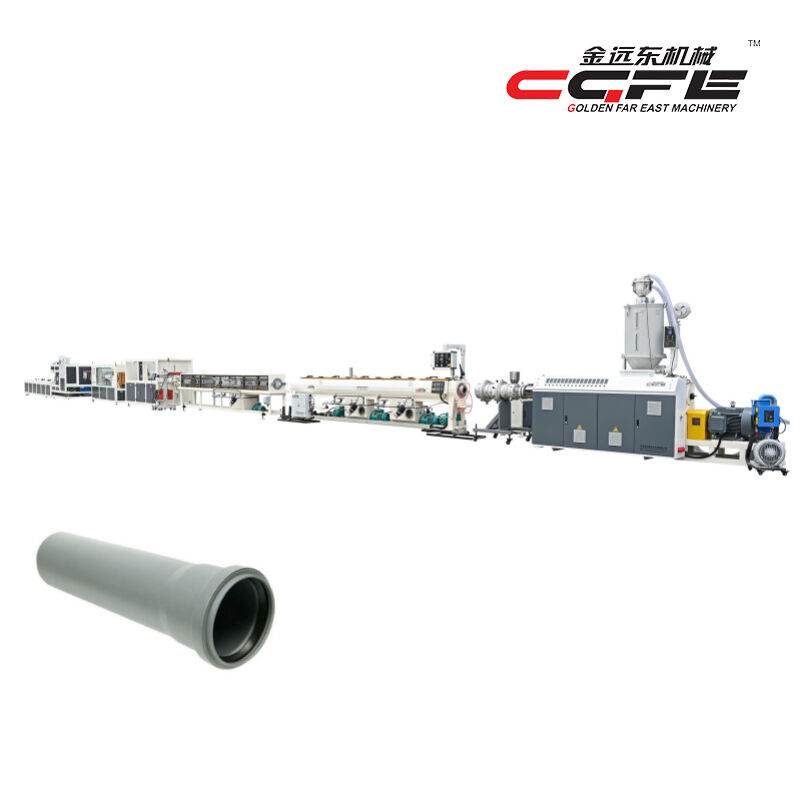
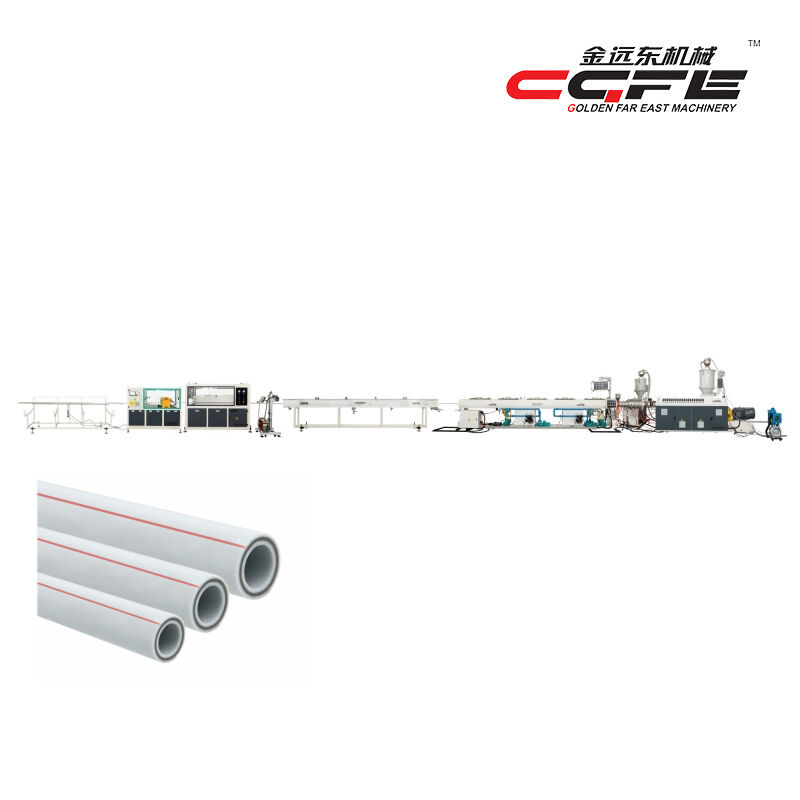
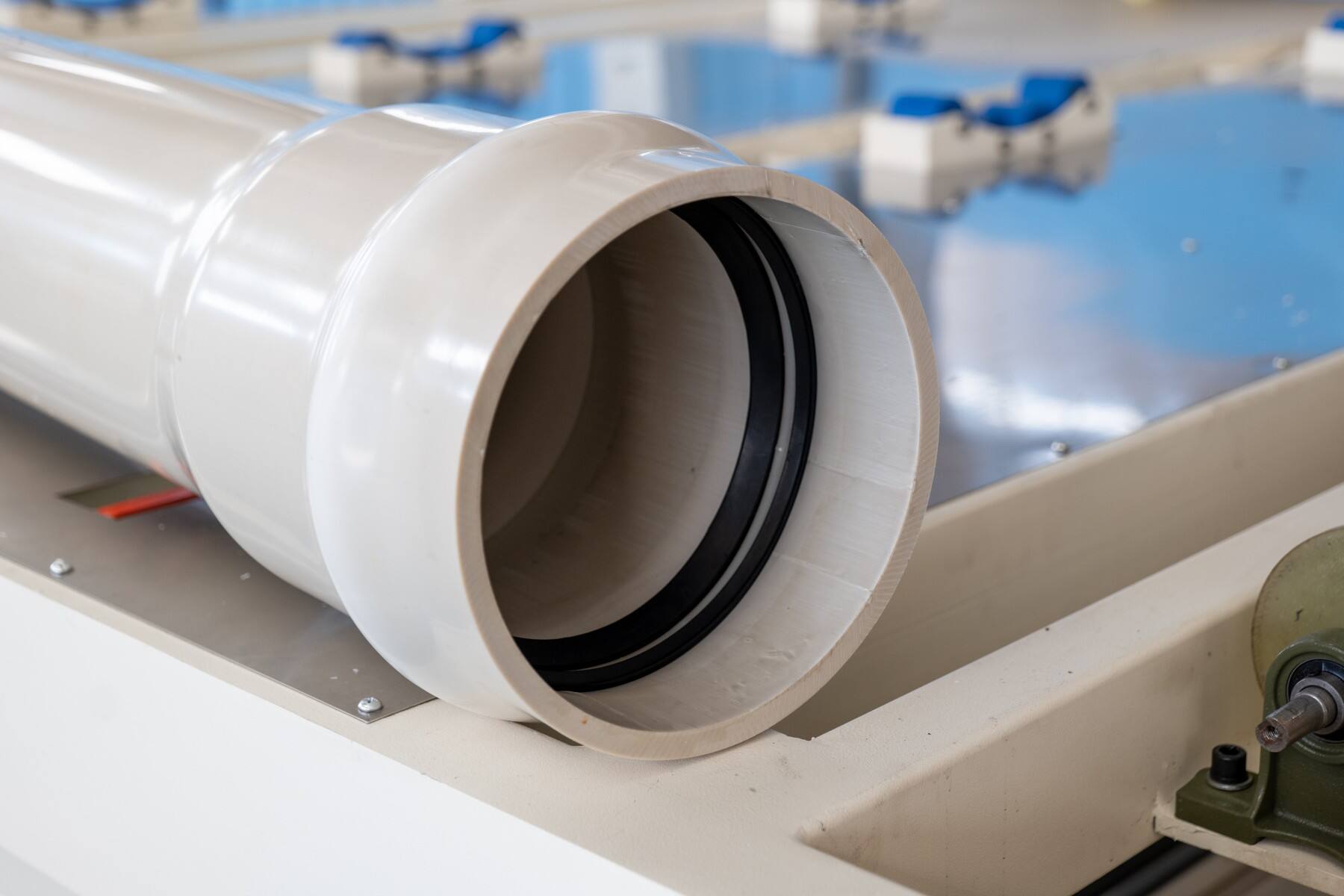
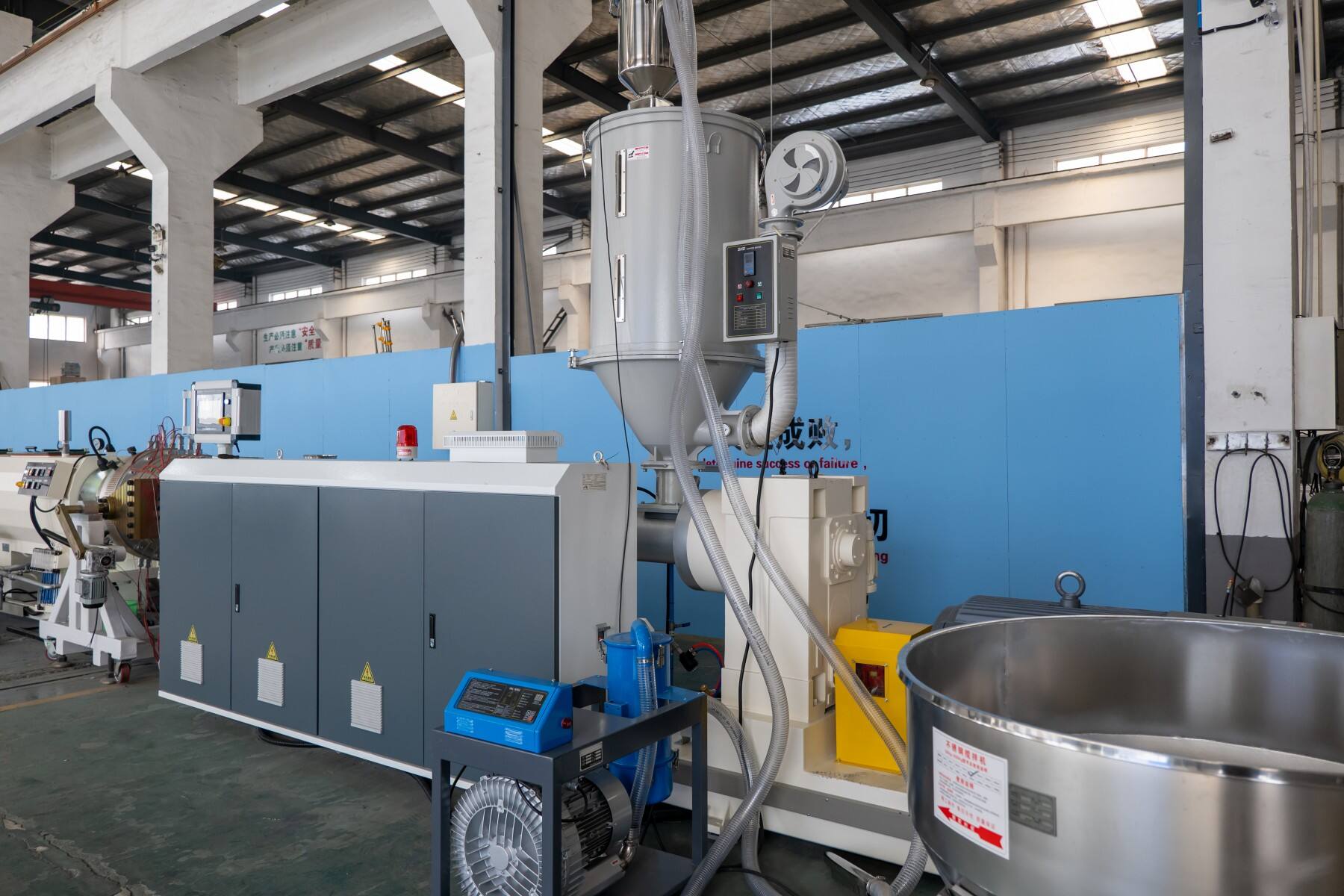
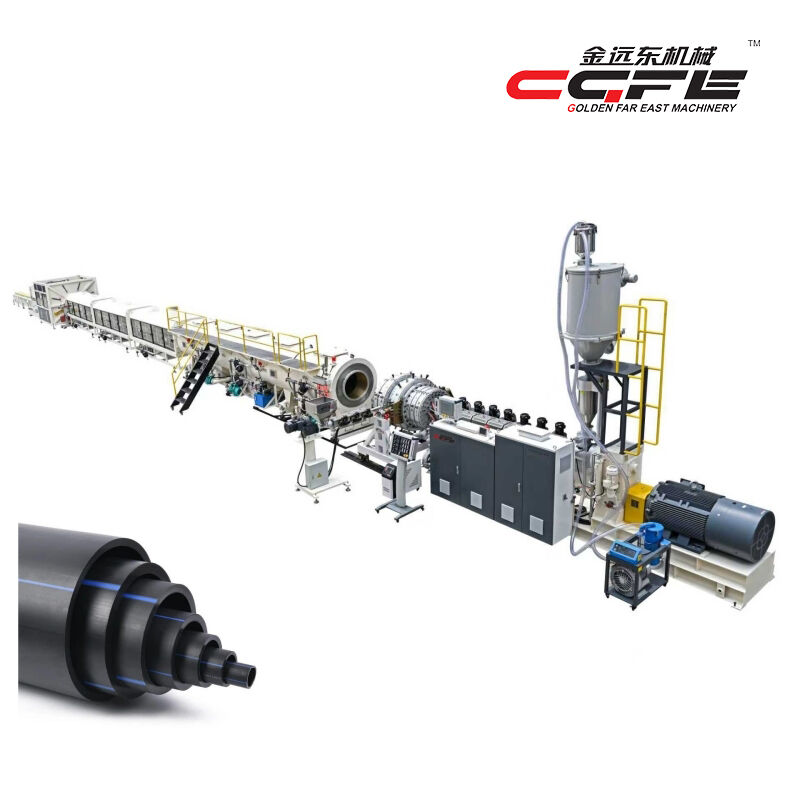
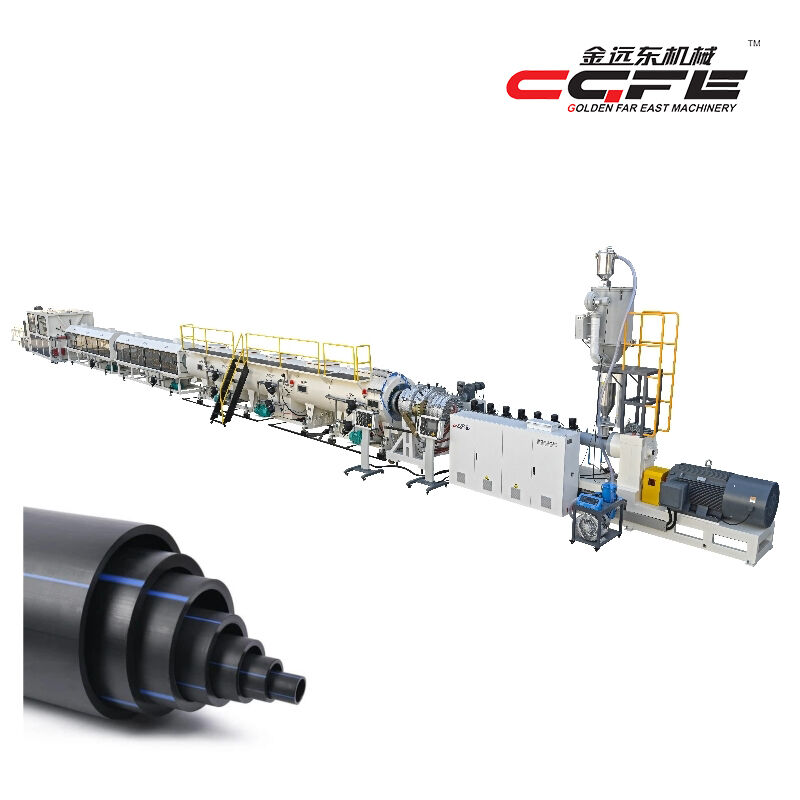
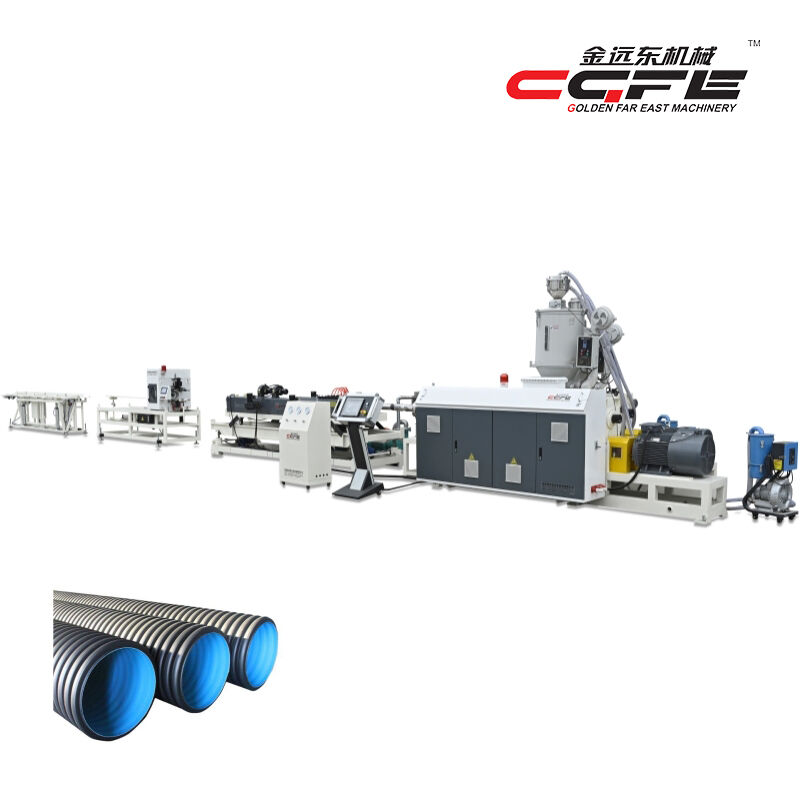
The HDPE pipe extrusion line represents a sophisticated manufacturing system designed to produce high-density polyethylene pipes with exceptional precision and efficiency. This advanced production equipment transforms raw HDPE pellets into finished pipes through a carefully controlled extrusion process, delivering consistent quality and dimensional accuracy across various pipe diameters and wall thicknesses. The HDPE pipe extrusion line incorporates cutting-edge technology to meet the demanding requirements of modern infrastructure projects, water distribution systems, and industrial applications. The main functions of an HDPE pipe extrusion line encompass material feeding, melting, mixing, shaping, cooling, and cutting operations. The system begins with precise material dosing, where HDPE pellets are automatically fed into the extruder hopper. The core component, a single or twin-screw extruder, melts and homogenizes the polymer material while maintaining optimal temperature profiles throughout the barrel zones. The molten HDPE then passes through a specially designed die head that shapes the material into the desired pipe configuration. Technological features of modern HDPE pipe extrusion lines include advanced temperature control systems, servo-driven haul-off units, and sophisticated cooling systems that ensure proper pipe formation. The equipment typically features programmable logic controllers (PLC) that monitor and adjust critical parameters such as screw speed, temperature zones, line speed, and cooling water flow rates. Many systems incorporate automatic diameter control technology that continuously monitors pipe dimensions and makes real-time adjustments to maintain specification compliance. The applications for HDPE pipes produced by these extrusion lines span numerous industries and sectors. Municipal water supply networks rely heavily on HDPE pipes due to their corrosion resistance and long service life. Gas distribution systems benefit from the material's chemical inertness and leak-tight joint capabilities. Industrial applications include chemical processing facilities, mining operations, and agricultural irrigation systems where durability and chemical resistance are paramount.

 EN
EN