pe pipe extrusion process
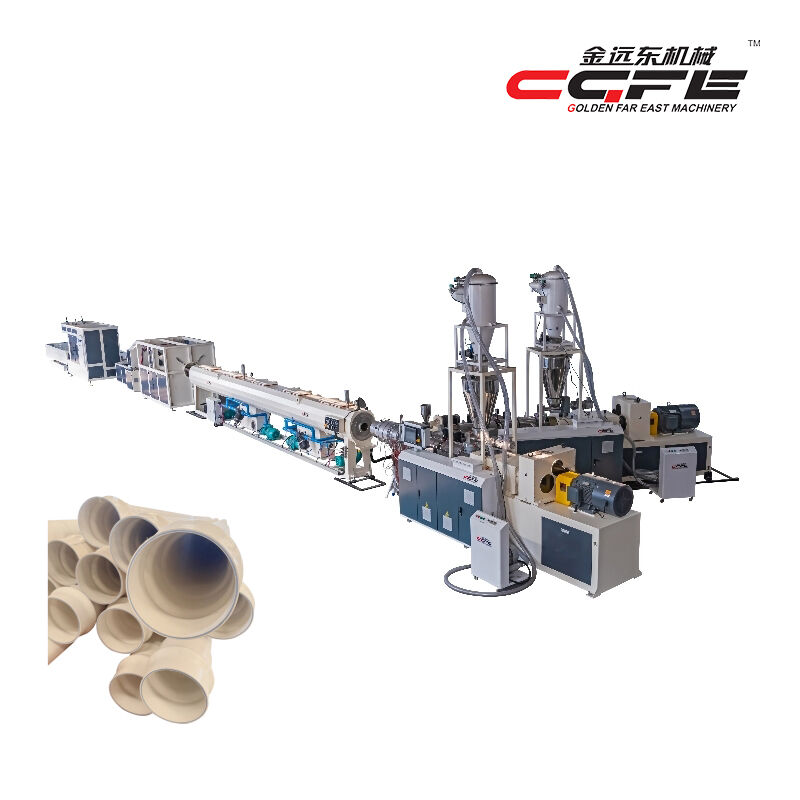
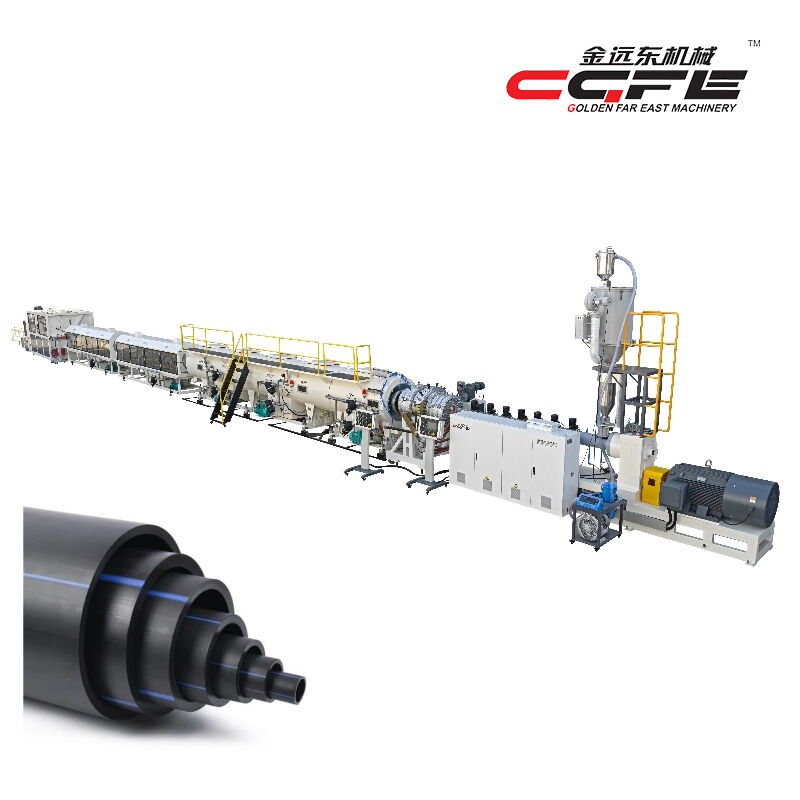
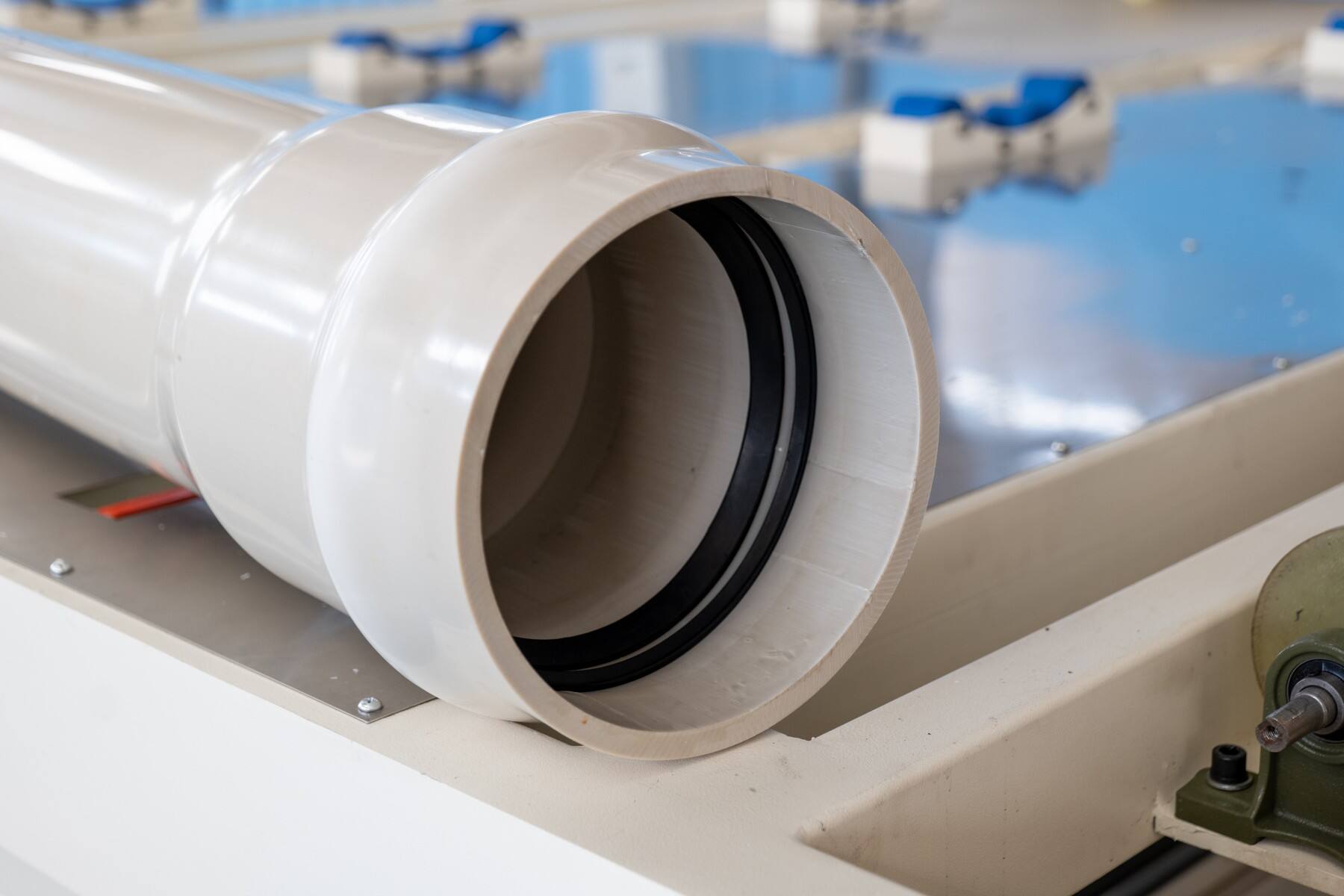
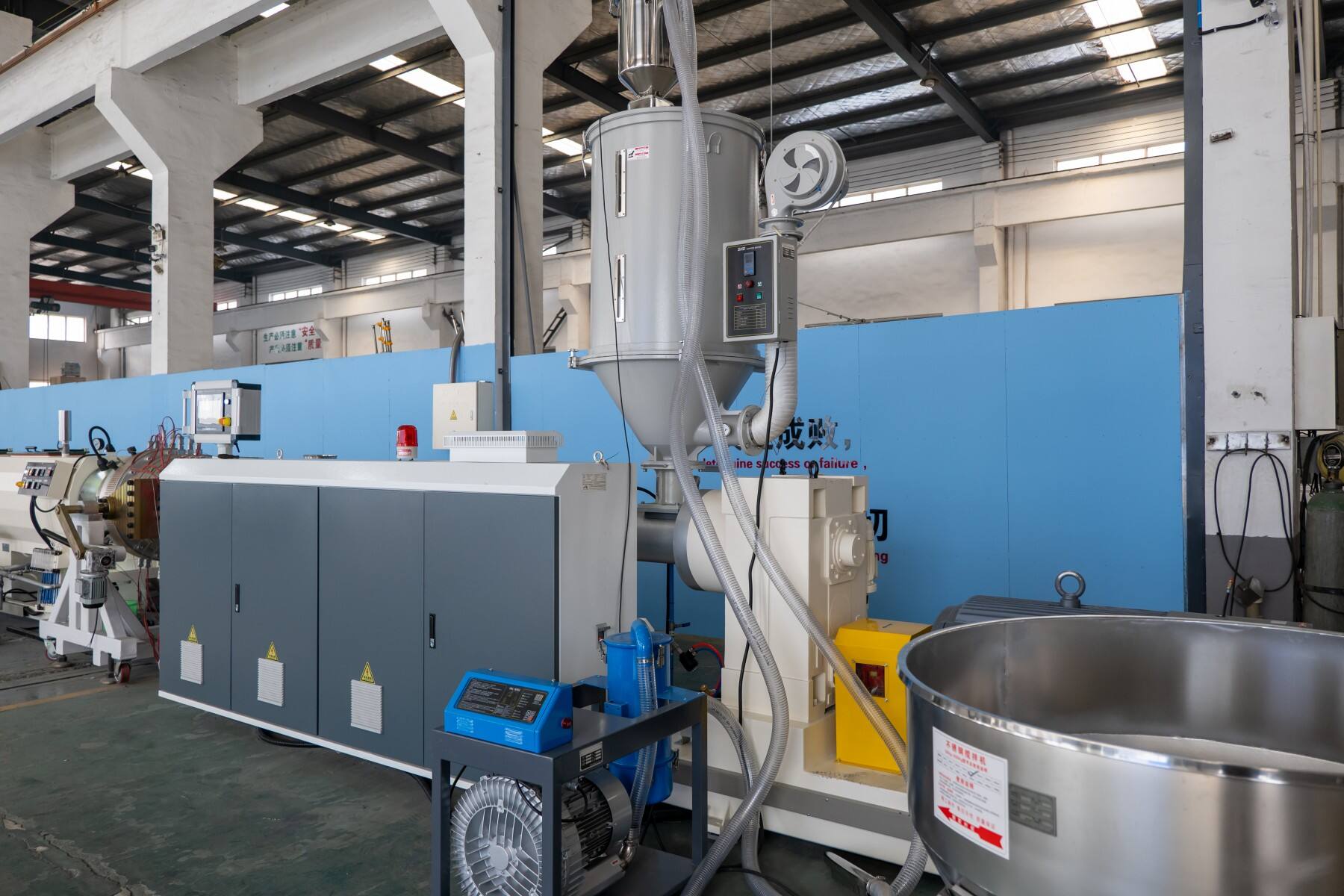
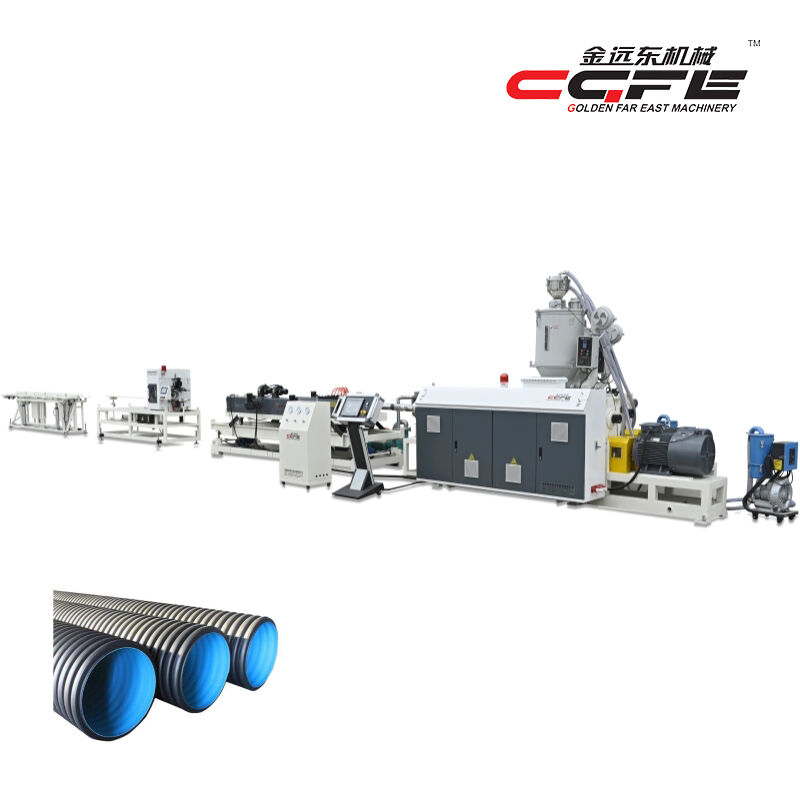
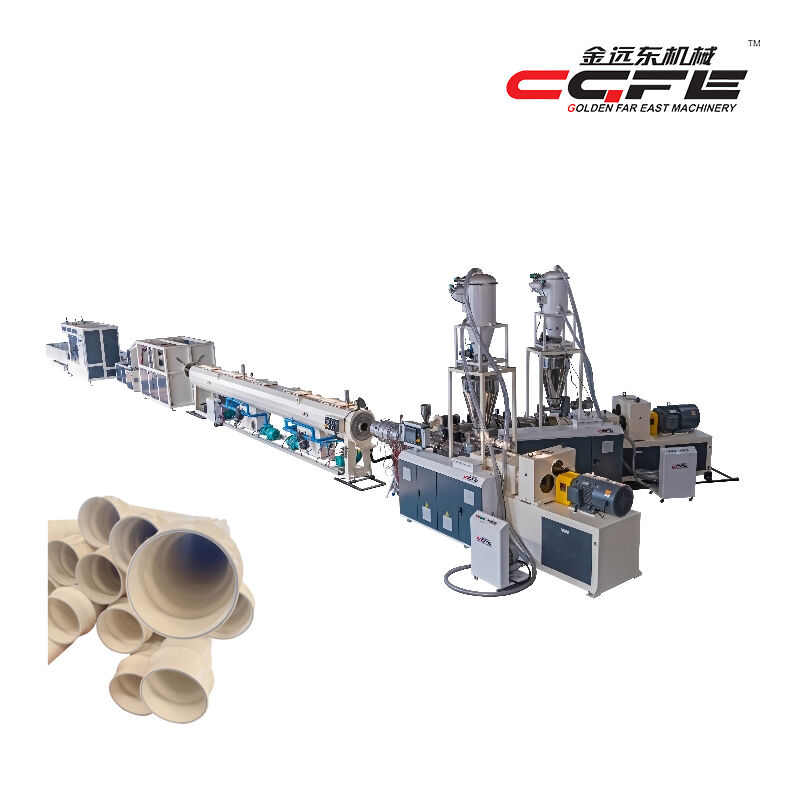
The pe pipe extrusion process represents a sophisticated manufacturing technique that transforms polyethylene resin into durable, high-quality pipes for diverse industrial and residential applications. This advanced manufacturing method involves heating polyethylene pellets to precise temperatures, creating a molten state that allows the material to flow through specialized extrusion equipment. The pe pipe extrusion process utilizes continuous production methodology, where heated polymer material passes through a carefully designed die system to form pipes with consistent wall thickness and dimensional accuracy. Modern extrusion machinery incorporates computer-controlled systems that monitor temperature, pressure, and material flow rates throughout the entire pe pipe extrusion process. The primary functions include melting raw polyethylene materials, maintaining optimal processing conditions, and shaping the molten polymer into finished pipe products. Technological features of the pe pipe extrusion process encompass multi-zone heating systems, precision screw designs, and automated cooling mechanisms that ensure uniform product quality. The process begins with material preparation, where polyethylene pellets are fed into heated barrel chambers equipped with rotating screws that mix and transport the material forward. Temperature control zones along the extruder barrel gradually increase heat levels, transforming solid pellets into homogeneous molten polymer. The pe pipe extrusion process employs specialized dies that determine final pipe dimensions, wall thickness, and surface characteristics. Cooling systems immediately follow the die exit, utilizing water baths or air cooling methods to solidify the newly formed pipes while maintaining dimensional stability. Applications for products manufactured through the pe pipe extrusion process span multiple industries, including water distribution systems, gas transportation networks, agricultural irrigation, industrial fluid handling, and residential plumbing installations. The versatility of this manufacturing approach enables production of various pipe sizes, pressure ratings, and specialized configurations to meet specific customer requirements.


 EN
EN