
 EN
EN

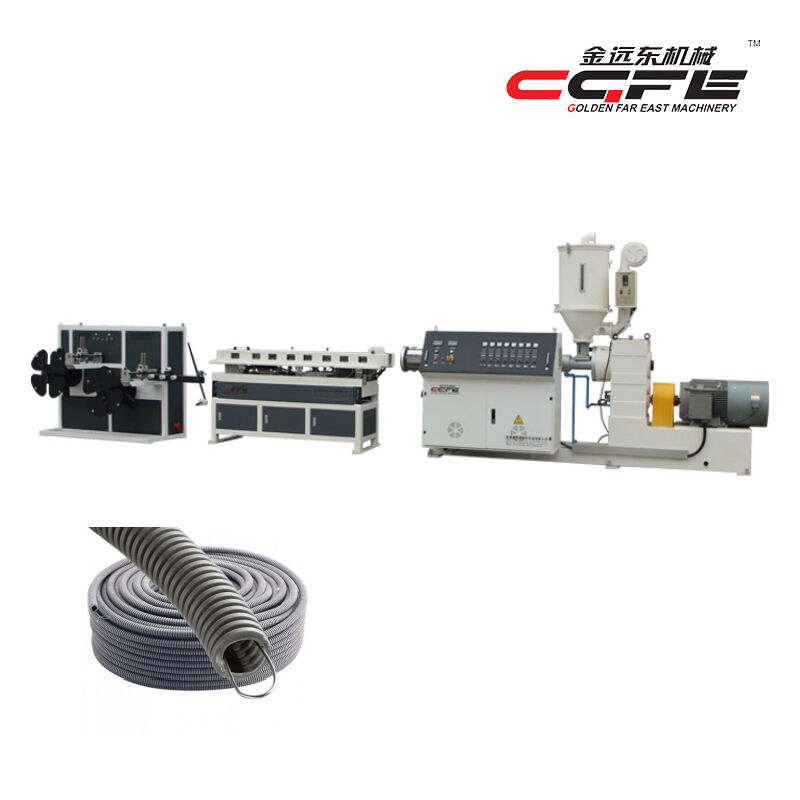
PVC trunking production line technology has undergone significant evolution by 2026, incorporating advanced automation, precision control systems, and energy-efficient processing methods that revolutionize how manufacturers produce cable management solutions. Modern pvc trunking production line systems now integrate artificial intelligence, real-time quality monitoring, and sustainable manufacturing practices to deliver superior products with reduced operational costs and enhanced production efficiency.
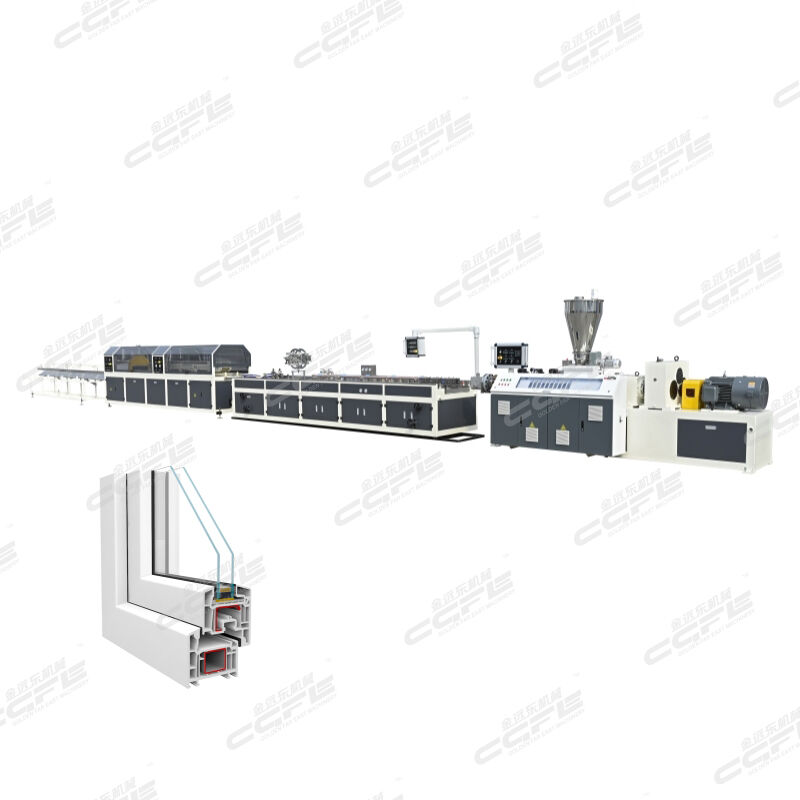
The working mechanism of a contemporary pvc trunking production line involves a sophisticated sequence of material preparation, extrusion processing, cooling, calibration, cutting, and packaging stages. Each phase operates through precise temperature control, pressure management, and automated monitoring systems that ensure consistent product quality while maximizing throughput rates. Understanding how these integrated systems function provides manufacturers with crucial insights for optimizing their production capabilities and meeting evolving market demands for high-performance cable management solutions.
Material Preparation and Feed Systems
Raw Material Processing Integration
The initial stage of any modern pvc trunking production line begins with sophisticated material preparation systems that handle PVC resin, stabilizers, plasticizers, and reinforcement additives. Advanced dosing equipment ensures precise material ratios while automated mixing systems create homogeneous compounds that deliver consistent product properties. These preparation systems incorporate gravimetric feeders, high-intensity mixers, and temperature-controlled storage units that maintain optimal material conditions throughout the production process.
Material conveying systems utilize pneumatic transport networks that move processed compounds from storage silos directly to the extruder hopper without contamination or segregation issues. Modern pvc trunking production line configurations include dust collection systems, moisture control mechanisms, and automated quality sampling that verify material specifications before processing begins. This systematic approach eliminates production variations while ensuring consistent raw material quality that translates into superior finished products.
Quality Control at Feed Stage
Contemporary material preparation incorporates real-time monitoring systems that analyze compound viscosity, density, and additive distribution before extrusion processing begins. These quality control measures prevent downstream production issues while maintaining strict adherence to product specifications. Advanced pvc trunking production line systems include automated sampling mechanisms that continuously verify material properties and trigger alerts when parameters drift outside acceptable ranges.
Temperature management during material preparation ensures optimal flow characteristics and prevents thermal degradation that could compromise product quality. Controlled heating systems maintain compound temperatures within narrow ranges while preventing overheating that could cause material breakdown. This precise temperature control extends throughout the entire material handling system, creating stable processing conditions that enhance overall production efficiency and product consistency.
Extrusion Processing Technology
Advanced Screw Design and Configuration
Modern extruders employed in pvc trunking production line systems feature specialized screw geometries designed specifically for PVC compound processing. These screws incorporate optimized compression ratios, mixing elements, and barrier flights that ensure complete material melting while minimizing thermal stress on heat-sensitive PVC formulations. Advanced screw designs include modular configurations that allow manufacturers to adjust processing characteristics based on specific product requirements or material variations.
Twin-screw extruders have become increasingly popular in 2026 due to their superior mixing capabilities and precise temperature control characteristics. These systems provide excellent material distribution while maintaining gentle processing conditions that preserve PVC molecular structure and prevent degradation. The twin-screw configuration enables better additive incorporation and creates more uniform melt temperatures throughout the processing zone, resulting in improved product quality and dimensional consistency.
Die Technology and Profile Formation
Extrusion dies used in contemporary pvc trunking production line systems incorporate advanced flow distribution technology that ensures uniform material delivery across the entire profile cross-section. These dies feature optimized land lengths, controlled temperature zones, and precision-machined channels that eliminate flow variations and prevent dimensional inconsistencies. Modern die designs include adjustable flow restrictors that enable operators to fine-tune material distribution for optimal profile formation.
Die heating systems maintain precise temperature control across all die zones, preventing material stagnation while ensuring consistent melt viscosity throughout the profile formation process. Advanced pvc trunking production line configurations include automated die temperature monitoring that adjusts heating based on line speed, material properties, and ambient conditions. This dynamic temperature management ensures optimal product surface finish while preventing thermal degradation that could compromise mechanical properties.
Cooling and Calibration Systems
Water Cooling Tank Technology
Cooling systems in modern pvc trunking production line configurations utilize multi-stage water cooling tanks that provide controlled temperature reduction while maintaining precise dimensional control. These cooling tanks incorporate temperature-controlled water circulation, overflow management, and contamination prevention systems that ensure consistent cooling performance. Advanced cooling tank designs include adjustable water levels, variable spray systems, and integrated debris removal mechanisms that maintain optimal cooling conditions throughout extended production runs.
Calibration sleeves within cooling tanks provide dimensional control while the extruded profile maintains sufficient plasticity for shaping. These sleeves incorporate vacuum chambers that draw the warm profile against calibrated surfaces, ensuring precise dimensional accuracy and consistent wall thickness distribution. Modern calibration systems include adjustable vacuum levels, replaceable wear surfaces, and monitoring systems that detect dimensional variations before they affect product quality.
Air Cooling and Final Dimensioning
Following water cooling, contemporary pvc trunking production line systems incorporate air cooling sections that complete the temperature reduction process while providing additional dimensional stabilization. These air cooling systems utilize controlled airflow patterns, adjustable cooling zones, and temperature monitoring that optimize cooling rates for specific profile geometries. Advanced air cooling configurations include variable speed fans, directional air flow control, and humidity management that prevent condensation issues during the cooling process.
Final calibration occurs during air cooling through precision guides and supports that maintain profile alignment while preventing distortion or warping. These calibration systems incorporate adjustable guide positions, wear-resistant contact surfaces, and vibration dampening that ensure smooth profile transit without surface marking or dimensional deviation. Modern systems include automated calibration adjustment based on real-time dimensional measurement feedback.
Cutting and Downstream Processing
Precision Cutting Systems
Advanced cutting systems integrated into modern pvc trunking production line configurations provide precise length control while maintaining clean cut surfaces and preventing material waste. These cutting systems incorporate servo-driven saw units, programmable length controls, and automated waste removal that optimize cutting accuracy and production efficiency. Contemporary cutting technology includes carbide-tipped blades, variable cutting speeds, and integrated dust collection that maintain clean operating conditions while ensuring precise cuts.
Flying cutoff systems enable continuous production while maintaining precise length control through synchronized cutting mechanisms that match line speed during the cutting operation. These systems eliminate production interruptions while ensuring consistent piece lengths and clean cut surfaces. Modern pvc trunking production line systems include programmable cutting sequences, automatic length verification, and reject handling that maintain quality standards while maximizing throughput rates.
Quality Inspection and Packaging Integration
Inline quality inspection systems utilize dimensional measurement, surface defect detection, and automated sorting that ensure only specification-compliant products advance to packaging operations. These inspection systems incorporate laser measurement, optical scanning, and automated rejection mechanisms that maintain quality standards while minimizing manual intervention. Advanced inspection technology includes statistical process control, trend analysis, and predictive maintenance capabilities that optimize overall production performance.
Automated packaging systems complete the pvc trunking production line process through controlled product handling, protective wrapping, and systematic bundling that prepare products for shipment. These packaging systems include adjustable bundle sizes, protective material application, and automated labeling that ensure products reach customers in optimal condition. Modern packaging integration includes inventory tracking, quality documentation, and shipping preparation that streamline the complete production-to-delivery process.
Automation and Control Systems
Process Control Integration
Contemporary pvc trunking production line systems incorporate sophisticated control platforms that integrate all production processes through centralized monitoring and automated adjustment capabilities. These control systems utilize programmable logic controllers, human-machine interfaces, and data acquisition systems that provide comprehensive process oversight while enabling rapid response to production variations. Advanced control integration includes predictive algorithms, automated optimization routines, and remote monitoring capabilities that enhance production efficiency while reducing operational complexity.
Real-time process monitoring enables immediate detection of production variations while automated control responses maintain optimal operating conditions without manual intervention. These monitoring systems track temperature profiles, pressure variations, dimensional measurements, and quality parameters throughout the entire production process. Modern pvc trunking production line control systems include statistical analysis, trend identification, and predictive maintenance scheduling that optimize long-term production performance while minimizing unplanned downtime.
Energy Management and Efficiency
Energy management systems integrated into 2026 pvc trunking production line configurations optimize power consumption through intelligent heating control, variable frequency drives, and recovery systems that minimize operational costs while maintaining production quality. These energy management systems include demand monitoring, peak load management, and efficiency optimization algorithms that reduce energy consumption without compromising production performance. Advanced systems incorporate waste heat recovery, regenerative braking, and power factor correction that further enhance energy efficiency.
Sustainable manufacturing practices embedded in modern production lines include material waste reduction, energy recovery, and environmental monitoring that support corporate sustainability objectives while maintaining competitive production costs. These sustainability features include closed-loop cooling systems, material recycling capabilities, and emissions monitoring that minimize environmental impact while ensuring regulatory compliance. Contemporary pvc trunking production line designs prioritize resource efficiency while delivering superior product quality and production reliability.
FAQ
What are the key technological advances in pvc trunking production line systems for 2026?
The most significant technological advances include AI-powered process control, real-time quality monitoring, energy-efficient heating systems, and automated material handling that collectively enhance production efficiency while reducing operational costs. Modern systems also incorporate predictive maintenance, advanced die technology, and integrated quality inspection that ensure consistent product quality while maximizing throughput rates.
How do modern cooling and calibration systems improve product quality in pvc trunking production?
Contemporary cooling and calibration systems provide precise dimensional control through multi-stage temperature reduction, vacuum calibration, and controlled cooling rates that prevent warping while ensuring consistent wall thickness. These systems include temperature-controlled water circulation, adjustable calibration sleeves, and monitoring systems that maintain optimal cooling conditions throughout extended production runs.
What role does automation play in contemporary pvc trunking production line operations?
Automation systems integrate all production processes through centralized control platforms that monitor temperatures, pressures, dimensions, and quality parameters while providing automated responses to production variations. These systems include predictive algorithms, statistical process control, and remote monitoring capabilities that optimize production efficiency while reducing manual intervention and operational complexity.
How do energy management systems enhance pvc trunking production line efficiency?
Energy management systems optimize power consumption through intelligent heating control, variable frequency drives, waste heat recovery, and demand monitoring that significantly reduce operational costs while maintaining production quality. These systems include efficiency optimization algorithms, peak load management, and power factor correction that enhance overall energy efficiency while supporting sustainable manufacturing practices.
Table of Contents
- Material Preparation and Feed Systems
- Extrusion Processing Technology
- Cooling and Calibration Systems
- Cutting and Downstream Processing
- Automation and Control Systems
-
FAQ
- What are the key technological advances in pvc trunking production line systems for 2026?
- How do modern cooling and calibration systems improve product quality in pvc trunking production?
- What role does automation play in contemporary pvc trunking production line operations?
- How do energy management systems enhance pvc trunking production line efficiency?