
 EN
EN

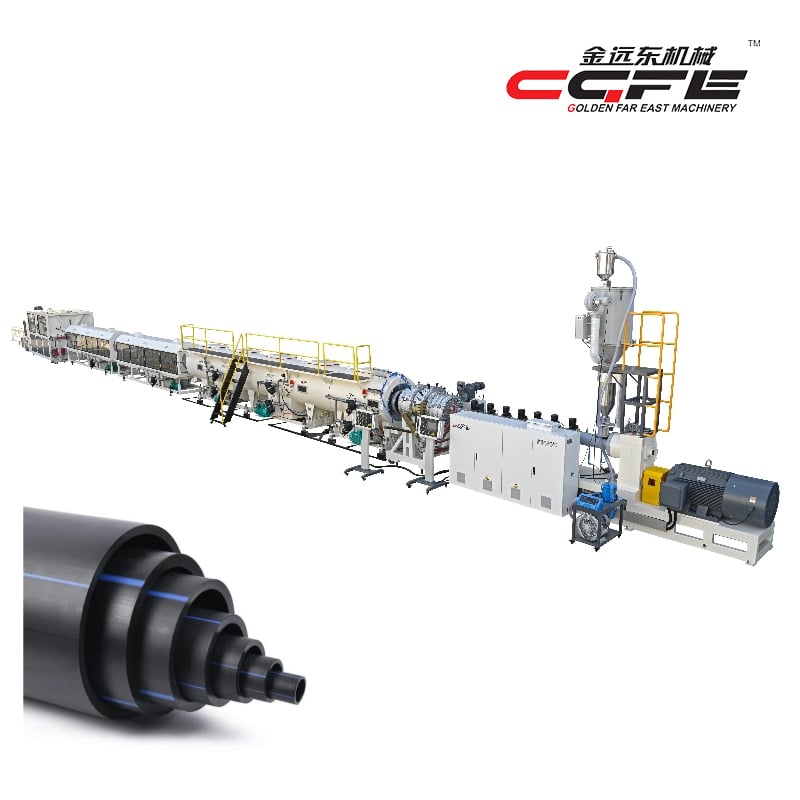
The pvc pipe production line serves as the backbone of modern photo frame manufacturing operations. Maintaining these systems effectively determines production uptime, product quality, and long-term profitability. A well-maintained pvc pipe production line operates efficiently, reduces downtime, and produces consistent photo frame profiles that meet industry standards. Understanding the maintenance requirements specific to your pvc pipe production line is critical for facilities managers, production supervisors, and equipment operators.
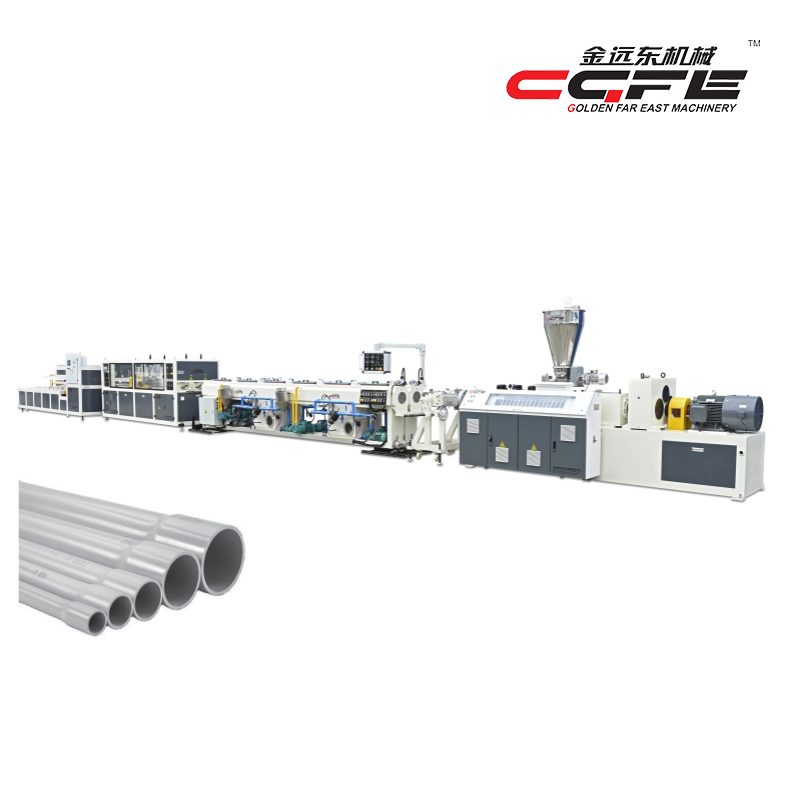
Photo frame production relies on precision equipment that shapes, extrudes, and finishes polymer materials into marketable profiles. The pvc pipe production line must maintain exact temperature control, consistent material feed rates, and proper cooling sequences. Without disciplined maintenance protocols, a pvc pipe production line degrades rapidly, leading to surface defects, profile warping, production delays, and unexpected breakdowns that disrupt schedules and inflate repair costs.
Core Maintenance Systems for Your Production Line
Daily Inspection and Cleaning Protocols
Every pvc pipe production line requires daily visual inspections before startup. Check the extruder barrel for cracks, cooling channels for blockages, and die components for wear patterns. Accumulated polymer residue compromises the performance of your pvc pipe production line, restricting material flow and creating temperature inconsistencies. Use appropriate solvents and soft brushes to clean external surfaces, taking care not to damage sensors or electrical components on the pvc pipe production line.
Polymer buildup inside the extruder barrel is particularly damaging to any pvc pipe production line. This residue insulates the barrel walls, causing temperature dead zones and uneven material melting. Schedule cleaning cycles weekly or biweekly depending on your production volume and material type. A properly cleaned pvc pipe production line maintains thermal uniformity and produces photo frames with consistent color and dimensional accuracy.
Temperature Control and Sensor Calibration
Temperature management is fundamental to preserving your pvc pipe production line's integrity and output quality. Thermocouples and resistance temperature detectors (RTDs) drift over time, causing the control system to misread actual barrel temperatures. Calibrate temperature sensors on your pvc pipe production line quarterly using certified reference standards. Inaccurate readings lead a pvc pipe production line operator to increase heater power excessively, degrading polymer chains and creating weak photo frame profiles prone to cracking.
Establish separate temperature zones on your pvc pipe production line and log readings throughout each shift. The feed zone should be cooler, the compression zone moderate, and the metering zone hotter to ensure smooth material transition. Any deviation from setpoint suggests sensor failure or heater malfunction in your pvc pipe production line. Address these issues immediately to prevent product scrap and equipment stress.
Mechanical Component Preservation
Screw and Barrel Wear Management
The screw and barrel form the core working chamber of every pvc pipe production line, enduring tremendous mechanical and thermal stress. Over extended operation, the screw flights wear down and barrel walls score, reducing the mechanical seal between them. This clearance gap allows material to slip backward on your pvc pipe production line, reducing output pressure and throughput. Measure screw flight depth and barrel bore diameter annually using precision tools to detect early wear before catastrophic failure damages your pvc pipe production line.
Polymer additives like stabilizers and lubricants accelerate screw and barrel degradation if not properly controlled. Your pvc pipe production line operates best when material composition remains consistent. Verify incoming raw material specifications against established baselines. Worn screws and barrels on a pvc pipe production line reduce product consistency and increase energy consumption, making replacement a sound investment when wear reaches specified limits.
Drive Motor and Transmission Maintenance
The motor and gearbox system powers material movement through your pvc pipe production line, transmitting steady rotational force to the screw. Check motor bearings monthly for heat, noise, and vibration indicators suggesting wear. Inadequate lubrication in the gearbox rapidly damages your pvc pipe production line's power transmission. Follow manufacturer specifications for lubricant type and change intervals, and monitor oil condition using particle counting analysis on long-running installations where your pvc pipe production line operates continuously.
Misalignment between motor and gearbox shafts creates vibration that travels through your pvc pipe production line, stressing dies and cooling equipment. Use laser alignment tools to verify shaft concentricity after any motor replacement or maintenance work. A well-aligned pvc pipe production line operates smoothly with minimal vibration and extends equipment lifespan significantly.
Cooling System and Die Maintenance
Water Cooling Circuit Integrity
Most modern pvc pipe production line equipment relies on water cooling to extract heat from extruded photo frame profiles. Scale buildup and corrosion in cooling circuits reduce heat transfer efficiency, forcing your pvc pipe production line to produce weaker cooling performance. Flush cooling lines quarterly with descaling solutions designed for polymer processing equipment. Install water filters on your pvc pipe production line inlet to trap particulate matter before it enters cooling passages.
Monitor water flow rates and temperature differential across your pvc pipe production line cooling circuits. A significant drop in flow or reduced temperature removal indicates blockage or coolant degradation. Maintain water quality by adjusting pH and conductivity within manufacturer specifications for your pvc pipe production line. Proper cooling preserves die performance and prevents thermal drift that compromises photo frame profile dimensions.
Die Component Inspection and Restoration
The die shapes molten polymer into finished photo frame profiles, making it the most wear-intensive component of your pvc pipe production line. Inspect the die for scratches, buildup, and wear patterns after every material changeover on your pvc pipe production line. Small scratches expand into surface defects on extruded profiles if left unaddressed. Polish the die cavity using approved compounds that restore surface finish without altering critical dimensions on your pvc pipe production line.
Schedule professional die maintenance annually through qualified service providers who specialize in pvc pipe production line equipment. They can use precision machining to restore worn die cavities to original specifications. A properly maintained pvc pipe production line die produces photo frame profiles that require minimal finishing, reducing downstream labor and waste.
Predictive Maintenance and Monitoring
Data Logging and Trend Analysis
Modern industrial monitoring systems collect real-time data from your pvc pipe production line, recording temperature, pressure, motor current, and production output. Analyze these trends weekly to identify gradual performance deterioration before catastrophic failure stops your pvc pipe production line. Rising motor current suggests increased screw friction or material blockage developing in the pvc pipe production line system. Elevated barrel temperatures with stable setpoints indicate heat exchanger fouling or thermocouple drift affecting your pvc pipe production line control accuracy.
Implement preventive maintenance schedules based on historical data from your pvc pipe production line. If data shows consistent wear patterns at specific intervals, plan maintenance proactively to minimize production impact. A data-driven approach to your pvc pipe production line maintenance reduces emergency repairs and optimizes equipment utilization across your manufacturing facility.
Vibration and Noise Monitoring
Unexpected vibration or noise changes often precede mechanical failures in your pvc pipe production line. Baseline vibration measurements during normal operation provide reference points for detecting bearing wear, misalignment, or imbalance conditions. Elevated vibration in your pvc pipe production line typically indicates screw imbalance, motor bearing degradation, or structural loosening that requires immediate attention. Address vibration issues promptly to prevent cascading damage to dies, cooling systems, and product quality from the pvc pipe production line.
FAQ
How often should I perform maintenance on a pvc pipe production line?
Maintenance frequency depends on your operational schedule and production volume. A pvc pipe production line running continuously requires daily inspections, weekly cleaning cycles, and monthly bearing checks. Facilities operating the pvc pipe production line seasonally may extend intervals, but quarterly calibrations and annual overhauls remain essential regardless of usage patterns. Consult your specific pvc pipe production line equipment manual for manufacturer recommendations tailored to your model and conditions.
What causes premature wear on a pvc pipe production line?
Several factors accelerate degradation of your pvc pipe production line. Improper temperature control causes polymer degradation and thermal stress on components. Abrasive fillers in low-quality raw materials damage screw flights and barrel walls on the pvc pipe production line. Operating beyond recommended speed or throughput limits creates excessive mechanical stress. Poor cooling and inadequate lubrication compound these issues, making a pvc pipe production line fail prematurely if maintenance protocols are neglected.
When should I replace components in a pvc pipe production line?
Replace components when measurements indicate wear has reached critical thresholds specified in your pvc pipe production line manual. Screw flights typically require replacement when flight depth drops 10–15 percent below original specification. Barrel liners should be replaced when bore diameter increases beyond tolerance limits for your pvc pipe production line. Temperature sensors showing calibration errors exceeding 2–3 degrees need replacement. Preventive replacement at manufacturer-recommended intervals prevents unexpected failures that interrupt photo frame production from your pvc pipe production line.