
 EN
EN

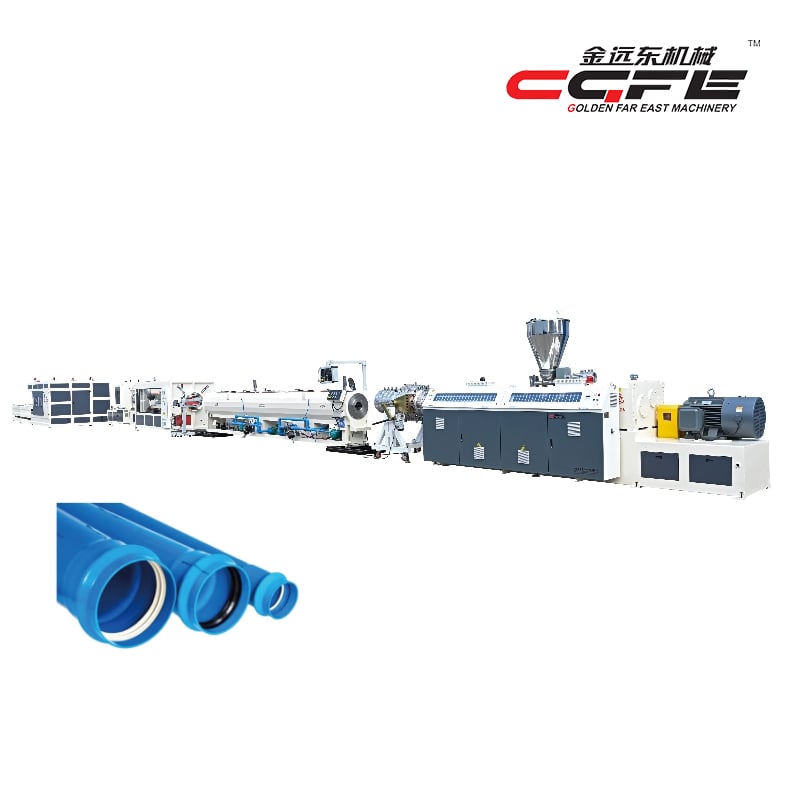
Optimizing your PVC pipe production line for high-speed extrusion requires a strategic approach that balances equipment capability, material flow, and process control. The pvc pipe production line represents a significant capital investment, and maximizing its performance directly impacts your production output, product quality, and competitive positioning in the market. Modern manufacturers recognize that a well-optimized pvc pipe production line can increase throughput by 20 to 40 percent while maintaining consistent quality standards. Understanding the critical optimization factors helps you extract maximum value from your existing equipment and plan effective upgrades when necessary.
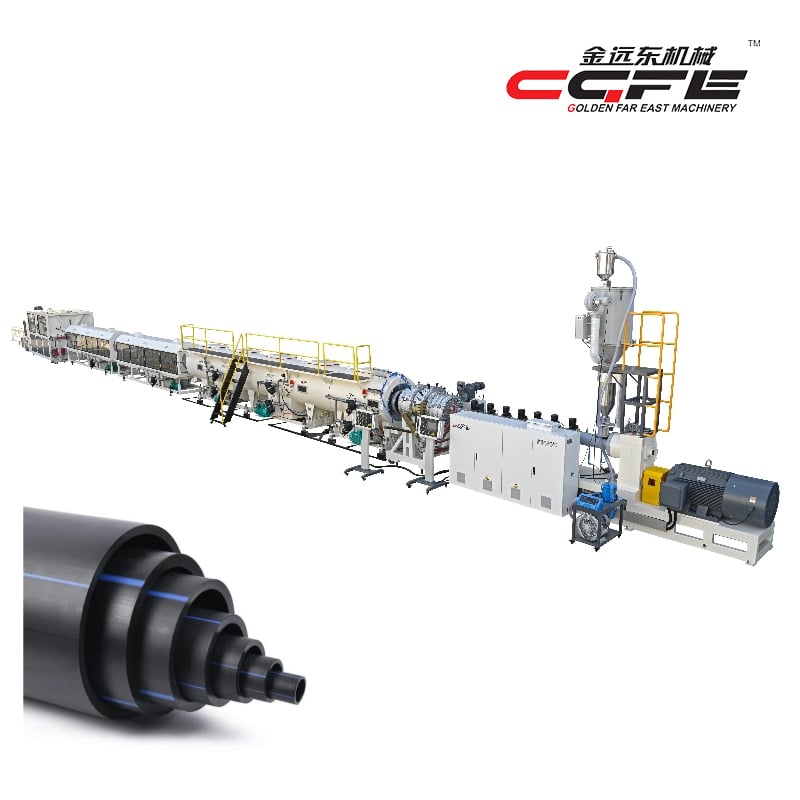
Achieving high-speed extrusion performance on your pvc pipe production line demands attention to multiple system components working in harmony. From raw material preparation through final cooling and cutting, every stage influences the overall efficiency of your pvc pipe production line. This comprehensive guide walks you through the essential optimization strategies that experienced manufacturers use to achieve superior performance and reliability in their extrusion operations.
Material Preparation and Feed System Optimization
Raw Material Conditioning for Consistent Flow
The foundation of an efficient pvc pipe production line begins with proper raw material conditioning. Raw PVC resin must be dried to the correct moisture content before entering your pvc pipe production line's hopper system. Residual moisture creates process instability, reduces melt quality, and compromises the dimensional accuracy of finished pipes. A properly maintained pvc pipe production line incorporates drying equipment that reduces moisture content to below 0.1 percent, ensuring consistent material flow and preventing equipment wear.
Temperature control during material storage also affects pvc pipe production line performance. Resin must be stored in cool, dry conditions to prevent degradation and ensure uniform feeding. When your pvc pipe production line begins processing, pre-warmed material at the correct temperature reduces strain on the extruder and promotes faster melt development, directly contributing to higher throughput rates.
Hopper Design and Volumetric Feeder Calibration
The hopper and volumetric feeder represent critical control points on your pvc pipe production line. A properly sized hopper with consistent material flow prevents surge conditions that disrupt melt quality. Many manufacturers optimize their pvc pipe production line by installing variable-speed feeders that automatically adjust material flow based on real-time pressure monitoring, creating a feedback loop that stabilizes extrusion.
Feeder calibration directly impacts the consistency of your pvc pipe production line output. Regular calibration ensures that volumetric measurements match actual material weight entering the extruder. A well-calibrated pvc pipe production line experiences fewer viscosity fluctuations, enabling operators to run faster screw speeds while maintaining uniform wall thickness and surface quality.
Extruder Screw Configuration and Temperature Management
Screw Design Optimization for High-Speed Performance
The extruder screw is the heart of your pvc pipe production line, and its design directly determines maximum achievable throughput. High-speed pvc pipe production line operations require screws engineered specifically for rapid material melting and homogenization. Modern screw designs feature optimized compression ratios, varied flight depths, and strategic barrier sections that enable your pvc pipe production line to process material faster while reducing thermal degradation.
Many operators overlook the impact of screw wear on pvc pipe production line efficiency. A worn screw reduces the pvc pipe production line's ability to generate shearing action, requiring higher temperatures and pressures to achieve the same melt quality. Regular screw inspection and timely replacement maintain your pvc pipe production line's high-speed capability and prevent the gradual efficiency decline that occurs with degraded equipment.
Thermal Profile and Melt Quality Control
Temperature management profoundly affects your pvc pipe production line's speed and product quality. The barrel temperature profile must be carefully calibrated to heat material progressively through the compression zone while preventing thermal degradation. A properly managed pvc pipe production line maintains melt temperatures between 180 and 200 degrees Celsius, avoiding the brittle overheating that causes pipe failure and the underfused material that produces weak joints.
Installing multiple temperature sensors throughout the barrel allows real-time monitoring of your pvc pipe production line's thermal conditions. Advanced control systems automatically adjust heater output to maintain target temperatures, ensuring that your pvc pipe production line operates consistently throughout extended production runs. This thermal stability enables operators to maintain higher screw speeds without compromising the structural integrity of finished pipes.
Die Design and Cooling System Optimization
Die Geometry for Uniform Wall Thickness
The extrusion die shapes the pvc pipe production line's output and critically influences dimensional consistency. A well-designed die on your pvc pipe production line balances material flow distribution to produce uniform wall thickness across the pipe circumference. Many manufacturers experience improved pvc pipe production line performance by upgrading to modern die designs that incorporate advanced flow channels and temperature zones, reducing the melt residence time required to achieve homogeneous material distribution.
High-speed operation of your pvc pipe production line demands precise die calibration and regular maintenance. Die deposits and residue buildup restrict material flow and create quality defects on your pvc pipe production line's output. Implementing scheduled die cleaning protocols maintains your pvc pipe production line's ability to sustain high throughput rates without sacrificing dimensional accuracy or surface finish.
Cooling Systems and Dimensional Stability
The cooling section directly follows the die on your pvc pipe production line and determines final pipe dimensions and rigidity. A high-speed pvc pipe production line requires rapid, uniform cooling to freeze the pipe profile before dimensional drift occurs. Modern vacuum sizing chambers provide superior dimensional control compared to older air-cooling methods, enabling your pvc pipe production line to maintain tighter tolerances even at elevated production speeds.
Water temperature and flow rate in your pvc pipe production line's cooling system must be precisely controlled. Excessively cold water can cause surface stress, while insufficient cooling allows unwanted dimensional changes. Optimized pvc pipe production line cooling systems maintain water temperature between 20 and 25 degrees Celsius and adjust flow rates based on production speed, ensuring your pvc pipe production line delivers consistent dimensions throughout the production run.
Process Monitoring and Production Rate Optimization
Real-Time Pressure and Performance Tracking
Modern pvc pipe production line optimization relies on continuous monitoring of critical parameters including head pressure, motor load, and melt temperature. Pressure readings from your pvc pipe production line indicate material flow resistance and reveal potential blockages or die restrictions before they cause defects. Real-time monitoring enables operators to make immediate adjustments, keeping your pvc pipe production line running at maximum safe throughput.
Establishing baseline performance data for your pvc pipe production line creates a reference point for optimization efforts. By tracking throughput, energy consumption, and quality metrics over time, manufacturers identify patterns that reveal optimization opportunities. A well-maintained pvc pipe production line operating at its designed capacity provides clear performance trends that guide future upgrade decisions and maintenance scheduling.
Speed Progression and Quality Verification
Increasing your pvc pipe production line's operating speed must follow a structured, data-driven approach. Rather than immediately jumping to maximum speeds, experienced manufacturers implement gradual speed increases while continuously monitoring output quality. This methodical approach reveals the pvc pipe production line's true maximum sustainable throughput without risking product defects or equipment damage.
Quality verification becomes more critical as your pvc pipe production line operates at higher speeds. Implementing automated measurement systems ensures your pvc pipe production line maintains dimensional tolerances, wall thickness uniformity, and surface smoothness throughout extended production runs. This pvc pipe production line quality assurance approach protects your brand reputation while maximizing the economic value of high-speed operations.
FAQ
What is the typical throughput increase achievable by optimizing a pvc pipe production line?
Well-executed optimization of a pvc pipe production line typically yields 20 to 40 percent throughput improvements. Actual gains depend on your starting point—whether your pvc pipe production line was previously running below capacity due to thermal instability, material feed issues, or cooling limitations. Some manufacturers report even higher improvements when addressing multiple factors simultaneously on their pvc pipe production line.
How frequently should I perform maintenance on my pvc pipe production line's critical components?
A high-speed pvc pipe production line requires scheduled maintenance aligned with production volume. The extruder screw should be inspected for wear every 500 to 1000 production hours, die cleaning should occur monthly or when quality metrics indicate restriction buildup, and cooling system maintenance should follow seasonal changes. Regular maintenance on your pvc pipe production line prevents the gradual efficiency loss that reduces throughput and product quality over time.
Can I optimize an older pvc pipe production line to match modern high-speed systems?
Partial optimization is possible on older pvc pipe production line equipment, though fundamental design limitations may restrict maximum achievable improvements. Upgrading the extruder screw, improving thermal controls, and modernizing the cooling system can significantly enhance an older pvc pipe production line's performance. However, very old equipment may reach practical limits that make new equipment investment more economical than continued enhancement of the pvc pipe production line.