
 EN
EN

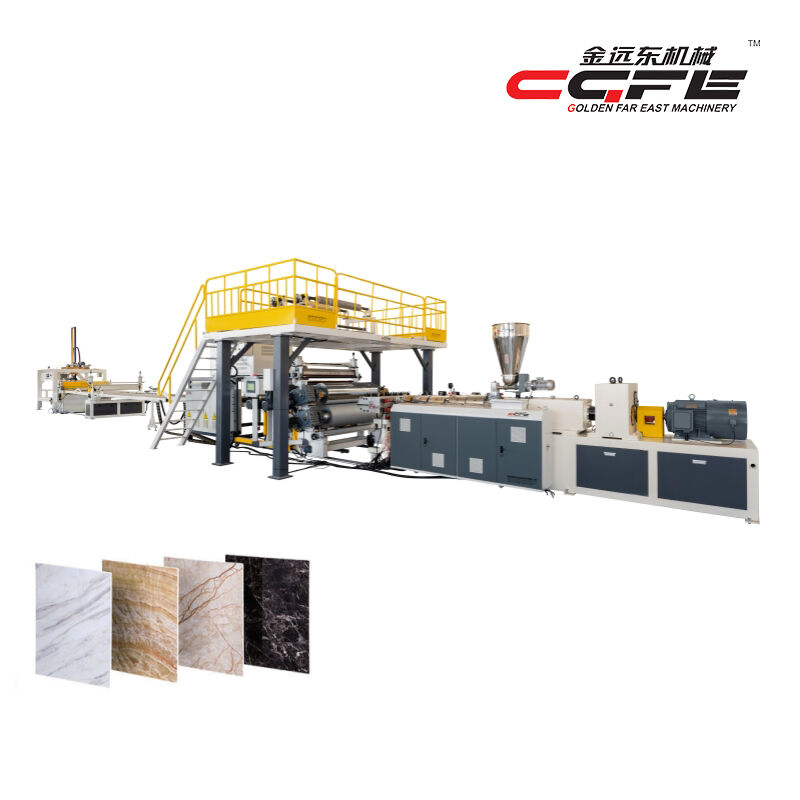
Automated PVC marble sheet production lines represent a fundamental shift in how manufacturers approach decorative surface production, offering unprecedented control over quality, speed, and operational costs. The decision to invest in automation stems from compelling business drivers that directly impact profitability, product consistency, and market competitiveness in an increasingly demanding construction materials sector.
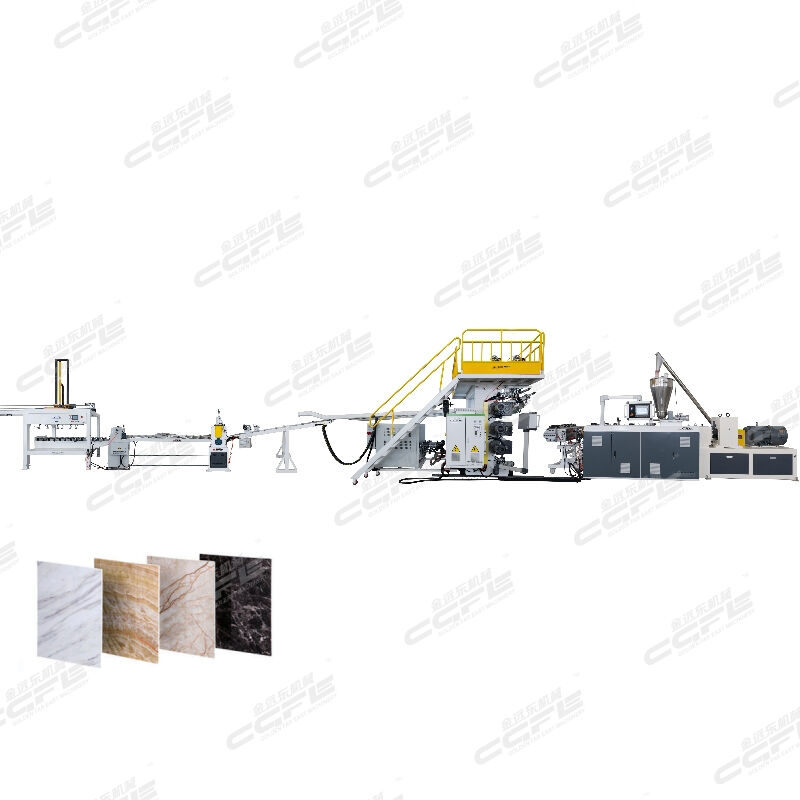
The compelling reasons for choosing automated systems extend beyond simple labor reduction to encompass precise material handling, consistent thermal processing, and integrated quality monitoring that manual operations cannot reliably achieve. Modern PVC marble sheet production facilities face mounting pressure to deliver flawless surface finishes, dimensional accuracy, and production volumes that meet accelerated construction schedules while maintaining cost structures that preserve competitive margins.
Enhanced Production Efficiency and Speed
Continuous Process Flow Optimization
Automated pvc marble sheet production line systems eliminate the start-stop cycles inherent in manual operations, creating uninterrupted material flow from raw PVC compound feeding through final sheet cooling and cutting. This continuous processing approach reduces cycle times by eliminating manual handling delays, material transfer bottlenecks, and operator-dependent speed variations that characterize traditional production methods.
The integration of automated material feeding systems ensures consistent polymer supply rates, preventing the production interruptions that occur when manual feeding creates material shortages or overfeeding situations. Automated systems maintain optimal processing temperatures throughout the entire production cycle, eliminating the thermal fluctuations that force operators to reduce line speeds to maintain product quality.
Advanced control algorithms automatically adjust processing parameters in real-time based on material properties, ambient conditions, and quality feedback, enabling higher sustained production speeds than manually controlled systems can safely achieve. This dynamic optimization capability allows automated pvc marble sheet production line equipment to maintain maximum throughput while preserving product specifications.
Reduced Changeover and Setup Times
Automated production systems incorporate programmable parameter sets that enable rapid changeovers between different marble patterns, sheet thicknesses, and surface finishes without extensive manual adjustments. Pre-programmed recipes store optimal settings for each product variant, eliminating the trial-and-adjustment periods that extend changeover times in manual operations.
Mechanical adjustments for roller gap settings, temperature profiles, and line speed configurations execute automatically based on stored parameters, reducing changeover times from hours to minutes. This capability becomes particularly valuable for manufacturers serving diverse market segments that require frequent product variations and shorter production runs.
The elimination of manual setup procedures also reduces the skill dependency and training requirements associated with changeovers, enabling production teams to execute complex product transitions without specialized expertise. Automated setup validation confirms that all parameters reach target values before production begins, preventing the startup waste and quality issues that occur when manual adjustments contain errors.
Superior Quality Control and Consistency
Precision Temperature and Pressure Management
Automated systems maintain precise thermal profiles across all processing zones, ensuring uniform polymer melting, mixing, and cooling that directly impacts surface quality and dimensional stability. Temperature control accuracy within ±2°C eliminates the thermal variations that create surface defects, color inconsistencies, and internal stress patterns in manually controlled production.
Pressure regulation systems automatically adjust roller forces based on material flow characteristics and target sheet thickness, preventing the over-compression or under-compression conditions that cause surface irregularities or dimensional variations. This precise pressure control ensures consistent sheet caliper across the full width and length of each production run.
The integration of closed-loop feedback systems continuously monitors processing conditions and makes instantaneous corrections that prevent quality deviations before they become visible defects. This proactive quality management approach significantly reduces scrap rates and rework requirements compared to reactive quality control methods used in manual operations.
Automated Defect Detection and Response
Advanced vision systems integrated into automated pvc marble sheet production line equipment detect surface defects, color variations, and dimensional deviations in real-time, enabling immediate corrective actions that prevent defective material from proceeding through subsequent processing stages. These detection systems identify problems that human operators often miss due to visual limitations or attention variations.
Automatic rejection systems remove defective sections from the production stream without stopping the entire line, maintaining production continuity while ensuring that only conforming product reaches final packaging. This selective quality control approach minimizes waste while maintaining consistent output quality standards.
Data logging capabilities track quality metrics throughout each production run, providing detailed records that support process optimization, customer quality documentation, and regulatory compliance requirements. This comprehensive quality documentation becomes increasingly important as construction industry quality standards continue to evolve.
Operational Cost Reduction and ROI Benefits
Labor Cost Optimization
Automated pvc marble sheet production line systems typically require 60-70% fewer operators than equivalent manual production setups, creating substantial ongoing labor cost savings that improve manufacturing margins. The reduction in required personnel extends beyond direct labor to include supervision, training, and benefits costs associated with larger production teams.
The skill level requirements for automated system operators focus on monitoring and maintenance tasks rather than manual manipulation of production parameters, enabling manufacturers to utilize less specialized personnel for routine operations. This shift reduces wage costs and improves workforce availability in markets where skilled manual operators are scarce or expensive.
Reduced labor dependency also minimizes the production disruptions caused by employee absences, vacation schedules, and turnover, creating more predictable production capacity and delivery schedules. This operational stability becomes particularly valuable for manufacturers serving construction projects with rigid timeline requirements.
Material Waste Reduction and Energy Efficiency
Precise material handling and processing control in automated systems significantly reduce polymer waste, off-specification product, and energy consumption per unit of output. Automated feeding systems eliminate over-feeding and material spillage that increase raw material costs in manual operations.
Optimized heating and cooling cycles reduce energy consumption by maintaining processing temperatures only where and when required, rather than maintaining elevated temperatures throughout entire production areas. Smart energy management systems automatically adjust power consumption based on production schedules and ambient conditions.
The reduction in scrap and rework rates achieved through automated quality control directly improves material utilization efficiency, reducing both raw material costs and waste disposal expenses. These improvements typically generate measurable cost savings within the first year of operation.
Scalability and Future-Proofing Advantages
Production Capacity Expansion Capabilities
Automated pvc marble sheet production line systems provide clear pathways for capacity expansion through additional line installations, speed increases, and extended operating hours without proportional increases in labor requirements. This scalability enables manufacturers to respond to market growth opportunities without fundamental changes to their operational approach.
Modular system designs allow manufacturers to add processing capabilities, upgrade control systems, and integrate new technologies without complete equipment replacement. This evolutionary upgrade capability protects initial investments while enabling continuous improvement and adaptation to changing market requirements.
The data collection and analysis capabilities built into automated systems provide detailed insights into production bottlenecks, efficiency opportunities, and optimization potential that guide strategic expansion decisions. This data-driven approach to capacity planning reduces investment risks and improves expansion project success rates.
Technology Integration and Industry 4.0 Readiness
Modern automated systems incorporate connectivity features that enable integration with enterprise resource planning systems, supply chain management platforms, and predictive maintenance programs. This connectivity creates opportunities for advanced production planning, inventory optimization, and maintenance cost reduction that extend automation benefits beyond the production floor.
Machine learning capabilities enable automated systems to continuously improve their performance based on production history, identifying optimization opportunities and predicting maintenance requirements that further reduce operating costs. These intelligent features become more valuable as systems accumulate operational data over time.
The standardized communication protocols used in modern automated pvc marble sheet production line equipment facilitate integration with future technologies and industry standards, protecting manufacturers from obsolescence and enabling participation in emerging supply chain digitization initiatives.
FAQ
What is the typical payback period for automated PVC marble sheet production line investments?
Most manufacturers achieve payback periods of 2-3 years through combined savings in labor costs, material waste reduction, energy efficiency improvements, and increased production capacity utilization. The exact payback period depends on production volumes, local labor costs, and the degree of automation implemented compared to existing manual processes.
How does automation affect product customization capabilities in PVC marble sheet manufacturing?
Automated systems actually enhance customization capabilities by enabling rapid parameter changes, precise pattern reproduction, and consistent quality across custom orders. Programmable control systems store unlimited product recipes, making it easier to produce small batches of specialized products without extensive setup time or quality compromises.
What maintenance requirements should manufacturers expect with automated PVC marble sheet production lines?
Automated systems require scheduled preventive maintenance focused on mechanical components, sensor calibration, and software updates, but typically experience fewer unexpected breakdowns than manual equipment due to controlled operating conditions and predictive maintenance capabilities. Total maintenance costs are generally lower due to reduced wear from operator error and more consistent operating parameters.
Can existing manual PVC sheet production facilities be upgraded to automated systems?
Most existing facilities can accommodate automated pvc marble sheet production line upgrades, though the extent of modification required depends on current equipment age, facility layout, and power availability. Gradual automation implementation allows manufacturers to maintain production during upgrades while spreading capital investment over time to optimize cash flow and operational transition.
Table of Contents
- Enhanced Production Efficiency and Speed
- Superior Quality Control and Consistency
- Operational Cost Reduction and ROI Benefits
- Scalability and Future-Proofing Advantages
-
FAQ
- What is the typical payback period for automated PVC marble sheet production line investments?
- How does automation affect product customization capabilities in PVC marble sheet manufacturing?
- What maintenance requirements should manufacturers expect with automated PVC marble sheet production lines?
- Can existing manual PVC sheet production facilities be upgraded to automated systems?