
 EN
EN

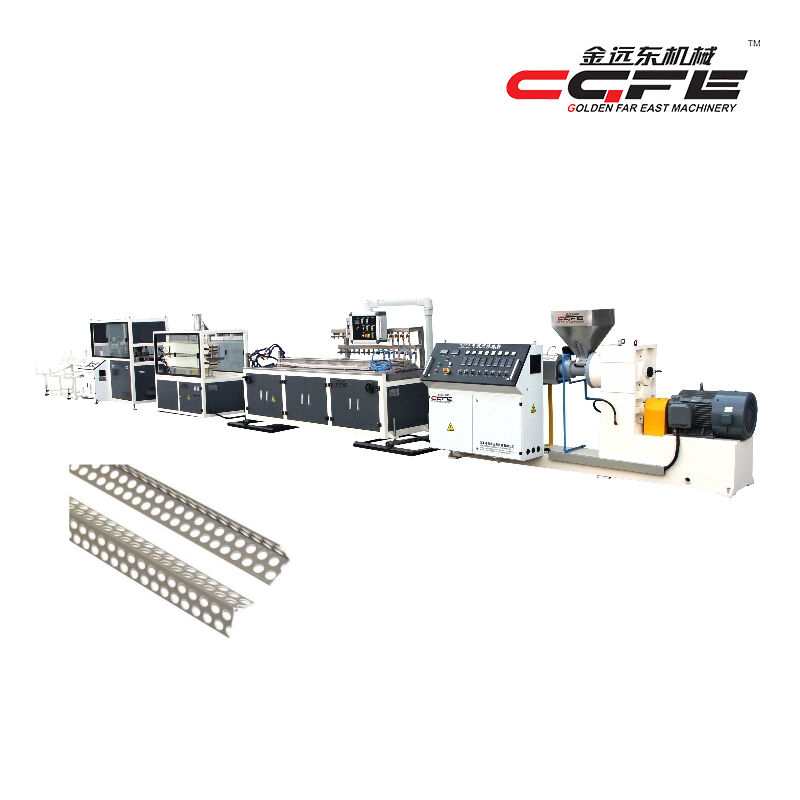
PVC corner production line technology stands apart from traditional extrusion methods through its specialized design architecture that enables precise geometric forming of corner profiles used in construction and industrial applications. The unique characteristics of this manufacturing technology stem from its ability to handle the complex material flow dynamics required for creating consistent corner angles while maintaining dimensional accuracy throughout the production process.
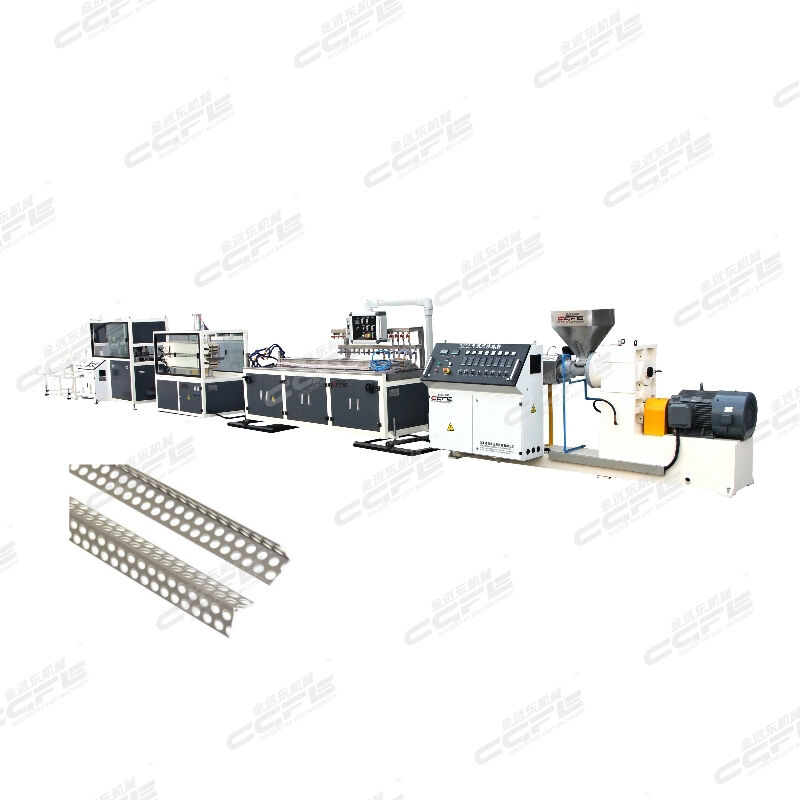
What distinguishes modern pvc corner production line systems is their integration of advanced temperature control mechanisms, specialized die configurations, and calibration systems that work together to achieve the precise corner geometries demanded by today's construction industry. These technological innovations address the fundamental challenges of corner profile manufacturing while delivering consistent quality and dimensional stability across high-volume production runs.
Advanced Die Technology and Corner Profile Formation
Specialized Corner Die Design Principles
The cornerstone of any exceptional pvc corner production line lies in its sophisticated die technology that transforms molten PVC compounds into precisely shaped corner profiles. Unlike standard extrusion dies, corner profile dies incorporate complex internal geometries that guide material flow through multiple channels simultaneously, creating the distinctive angular features that define corner applications.
These specialized dies feature precision-machined flow channels that maintain consistent material distribution while preventing flow imbalances that could compromise corner integrity. The internal design includes carefully calculated land lengths and compression ratios that ensure uniform material density throughout the corner profile cross-section, eliminating potential weak points that could affect structural performance.
Temperature management within corner dies represents another crucial aspect of the technology, with integrated heating elements positioned strategically to maintain optimal material viscosity as the PVC compound navigates the complex internal pathways. This thermal control prevents material degradation while ensuring proper fusion of the polymer matrix during the forming process.
Material Flow Dynamics in Corner Formation
The unique material flow characteristics required for corner profile production demand sophisticated understanding of polymer rheology and flow behavior under processing conditions. A well-engineered pvc corner production line incorporates flow simulation principles that predict material behavior within the die cavity, enabling precise control over wall thickness distribution and corner radius formation.
Material flow balancing becomes particularly critical when producing corner profiles with varying wall thicknesses or complex geometries. The production line technology employs adjustable flow restrictors and distribution manifolds that can be fine-tuned to compensate for natural flow preferences, ensuring consistent material distribution to all areas of the corner profile cross-section.
Advanced pvc corner production line systems utilize real-time monitoring of material pressure and temperature at multiple points throughout the die assembly, providing operators with immediate feedback on flow conditions and enabling rapid adjustments to maintain optimal processing parameters.
Temperature Control Systems and Thermal Management
Multi-Zone Heating Configuration
Effective thermal management distinguishes professional-grade pvc corner production line equipment from basic extrusion systems through the implementation of sophisticated multi-zone heating configurations. These systems typically incorporate separate temperature zones for the extruder barrel, adapter, die body, and calibration sections, each optimized for specific stages of the corner profile formation process.
The extruder barrel heating zones are configured to create a controlled temperature gradient that promotes proper material plastification while preventing thermal degradation of the PVC compound. This gradient approach ensures that the material reaches optimal processing viscosity just as it enters the die assembly, maximizing flow characteristics for corner formation.
Die temperature control represents perhaps the most critical aspect of thermal management in corner profile production, requiring precise temperature uniformity across the entire die face to prevent differential cooling that could distort corner geometry. Advanced systems employ multiple heating circuits with individual controllers to maintain temperature stability within tight tolerances throughout production runs.
Cooling and Calibration Integration
The transition from heated forming to controlled cooling defines another unique aspect of pvc corner production line technology, where calibration systems must maintain corner geometry while managing thermal stresses that naturally occur during the cooling process. Specialized corner calibrators incorporate adjustable sizing elements that support the profile during cooling while preventing dimensional changes.
Water-based cooling systems integrated into the calibration process utilize carefully controlled flow patterns and temperature gradients to achieve uniform cooling across the corner profile cross-section. This controlled cooling approach prevents internal stresses that could cause warping or dimensional instability in finished corner profiles.
Advanced pvc corner production line configurations include vacuum-assisted calibration systems that draw the hot profile against precision-machined calibration surfaces, ensuring consistent dimensional accuracy while the material solidifies. These systems can accommodate varying corner angles and profile dimensions through interchangeable calibration inserts.
Quality Control and Dimensional Accuracy Systems
Real-Time Monitoring Technology
Modern pvc corner production line systems incorporate sophisticated quality control technologies that monitor critical parameters throughout the manufacturing process, ensuring consistent corner profile quality and dimensional accuracy. These monitoring systems typically include laser-based measurement devices that continuously track profile dimensions and corner angles during production.
Inline measurement systems provide immediate feedback on corner profile characteristics, enabling operators to detect and correct dimensional variations before they result in significant material waste. The technology includes automated comparison algorithms that reference dimensional data against predetermined tolerances, triggering alerts when corrections are needed.
Data logging capabilities built into quality control systems maintain comprehensive production records that track dimensional accuracy trends over time, supporting statistical process control initiatives and enabling predictive maintenance scheduling for optimal pvc corner production line performance.
Automated Adjustment Capabilities
Leading-edge pvc corner production line technology incorporates automated adjustment systems that can modify processing parameters in real-time based on quality control feedback, maintaining consistent corner profile characteristics without manual intervention. These systems utilize servo-controlled mechanisms to adjust die gap settings, calibration dimensions, and cooling parameters automatically.
Feedback control algorithms process measurement data from inline monitoring systems and calculate optimal adjustment values for maintaining dimensional targets. This closed-loop control approach minimizes variation in corner profile quality while reducing the skill level required for consistent operation.
The integration of automated adjustment capabilities with production management systems enables remote monitoring and control of pvc corner production line operations, supporting lean manufacturing initiatives and reducing labor requirements for quality maintenance.
Energy Efficiency and Sustainable Production Features
Optimized Energy Consumption Design
Contemporary pvc corner production line technology emphasizes energy efficiency through optimized heating system designs that minimize power consumption while maintaining processing performance. These systems incorporate high-efficiency heating elements with advanced insulation packages that reduce heat loss and improve temperature response times.
Variable frequency drive technology applied to extruder motors and auxiliary equipment enables precise control over energy consumption based on actual production requirements. This approach allows operators to optimize power usage for different corner profile specifications while maintaining consistent processing quality.
Heat recovery systems integrated into advanced pvc corner production line configurations capture thermal energy from cooling processes and redirect it to preheating applications, reducing overall energy requirements and improving production economics. These systems can achieve significant energy savings while supporting environmental sustainability objectives.
Waste Reduction and Material Optimization
The unique design characteristics of modern pvc corner production line systems support waste reduction through improved material utilization and recycling capabilities. Startup waste collection systems automatically divert off-specification material during production transitions, separating it for reprocessing rather than disposal.
Material optimization features include precise metering systems that deliver exact amounts of PVC compound to the extrusion process, minimizing material waste while ensuring consistent corner profile quality. These systems can accommodate various compound formulations and adjust delivery rates automatically based on production requirements.
Closed-loop material handling systems integrated into comprehensive pvc corner production line installations enable immediate recycling of production waste, reducing raw material consumption and supporting circular economy principles in corner profile manufacturing operations.
FAQ
What distinguishes PVC corner production line technology from standard profile extrusion?
PVC corner production line technology differs from standard profile extrusion through specialized die designs that create precise corner geometries, advanced temperature control systems that manage complex material flow patterns, and integrated calibration systems that maintain dimensional accuracy during cooling. These systems require sophisticated flow balancing and thermal management capabilities not found in conventional extrusion equipment.
How does die technology affect corner profile quality in PVC production lines?
Die technology directly impacts corner profile quality through precision-machined flow channels that distribute material evenly, temperature-controlled heating zones that prevent material degradation, and adjustable flow restrictors that compensate for natural flow variations. Advanced die designs incorporate complex internal geometries that guide material flow while maintaining consistent wall thickness and corner radius specifications throughout production runs.
What role does calibration play in PVC corner production line operations?
Calibration systems in PVC corner production lines maintain precise corner geometry while managing thermal stresses during the cooling process. These systems use vacuum-assisted sizing, controlled cooling gradients, and precision-machined calibration surfaces to ensure dimensional accuracy and prevent warping. Proper calibration integration prevents corner distortion while supporting high-speed production requirements.
How do modern PVC corner production lines achieve energy efficiency?
Modern PVC corner production lines achieve energy efficiency through optimized heating system designs with advanced insulation, variable frequency drive technology for precise power control, and heat recovery systems that capture thermal energy from cooling processes. These features reduce overall energy consumption while maintaining processing performance and supporting sustainable manufacturing practices.
Table of Contents
- Advanced Die Technology and Corner Profile Formation
- Temperature Control Systems and Thermal Management
- Quality Control and Dimensional Accuracy Systems
- Energy Efficiency and Sustainable Production Features
-
FAQ
- What distinguishes PVC corner production line technology from standard profile extrusion?
- How does die technology affect corner profile quality in PVC production lines?
- What role does calibration play in PVC corner production line operations?
- How do modern PVC corner production lines achieve energy efficiency?