
 EN
EN

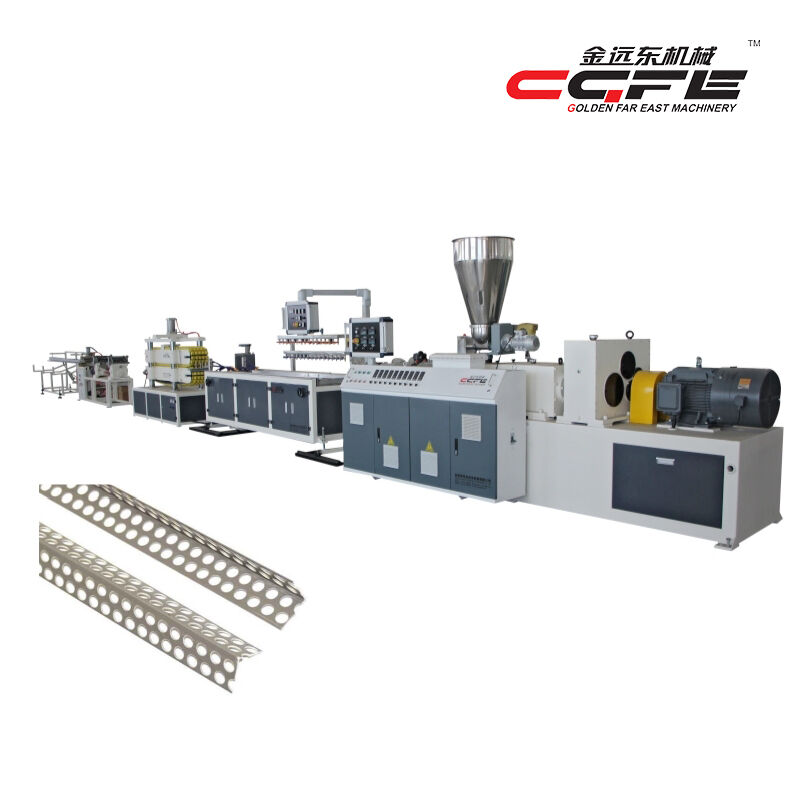
Manufacturing efficiency in PVC corner profile production directly impacts production costs, product quality, and overall profitability. Modern PVC corner production line operations require systematic optimization approaches that address equipment performance, material handling, process parameters, and workflow coordination. Understanding the specific efficiency bottlenecks and implementing targeted solutions enables manufacturers to achieve substantial improvements in throughput, energy consumption, and operational reliability.
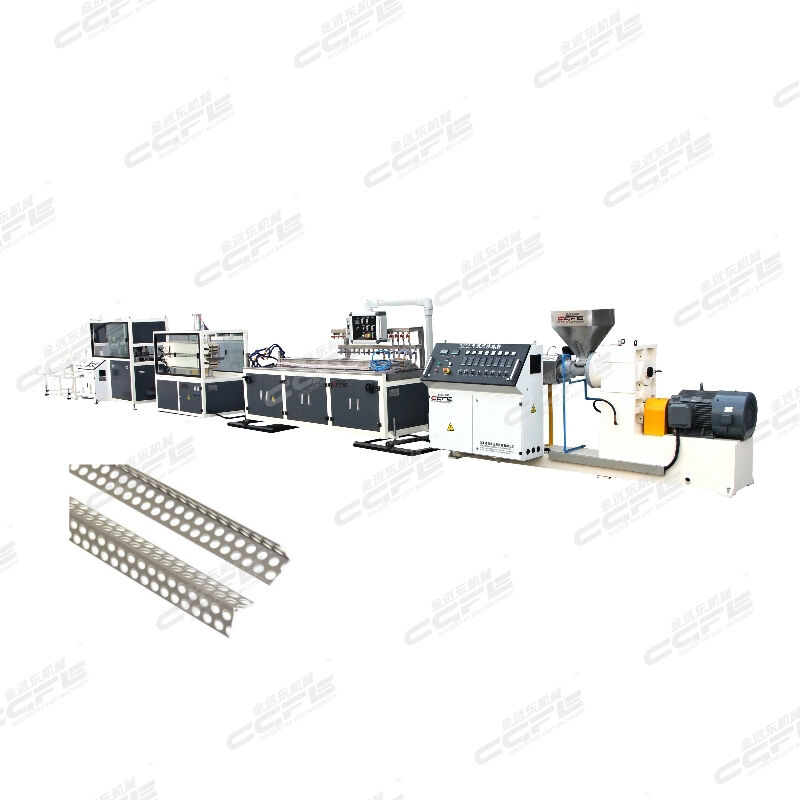
Optimizing a PVC corner production line involves coordinated improvements across multiple operational areas including raw material preparation, extrusion parameters, cooling systems, cutting mechanisms, and quality control processes. Each component within the production system influences overall efficiency, requiring manufacturers to adopt comprehensive optimization strategies rather than isolated improvements. The integration of modern monitoring technologies, preventive maintenance protocols, and operator training programs creates synergistic effects that maximize production line performance while maintaining consistent product quality standards.
Material Preparation and Feed System Optimization
Raw Material Quality and Consistency Control
Raw material quality significantly impacts PVC corner production line efficiency through its influence on processing stability, product consistency, and equipment wear rates. Implementing rigorous material testing protocols ensures consistent PVC resin characteristics, including melt flow index, particle size distribution, and moisture content. Material suppliers should provide certificates of analysis for each batch, enabling production teams to adjust processing parameters proactively based on material variations.
Maintaining proper storage conditions prevents material degradation that can cause processing difficulties, surface defects, and dimensional inconsistencies. Temperature-controlled storage areas, moisture protection systems, and first-in-first-out inventory rotation minimize material quality variations. Regular material testing using standardized procedures identifies potential issues before they impact production efficiency or product quality.
Additive integration requires precise measurement and mixing protocols to ensure uniform distribution throughout the PVC compound. Automated dosing systems eliminate human error in additive proportions while providing consistent blend characteristics. Color concentrate, stabilizers, and processing aids must be thoroughly mixed to prevent streaking, degradation, or processing difficulties that reduce overall line efficiency.
Material Handling and Feeding System Enhancements
Efficient material conveying systems reduce handling time, minimize contamination risks, and ensure consistent feed rates to the extruder. Pneumatic conveying systems provide rapid, automated material transfer from storage silos to production hoppers, eliminating manual handling delays and reducing labor requirements. Vacuum conveying systems prevent material contamination while maintaining consistent feed pressure.
Hopper design optimization ensures consistent material flow to the extruder feed throat, preventing bridging, segregation, or feed interruptions that cause production stoppages. Vibrating hoppers, flow aids, and level sensors maintain steady material supply while preventing overfilling or emptying conditions. Magnetic separators remove metallic contaminants that could damage extruder screws or create product defects.
Gravimetric feeding systems provide precise material flow control, enabling consistent production rates and improved dimensional accuracy. Loss-in-weight feeders automatically adjust feed rates to maintain target throughput while compensating for material density variations. Integration with production control systems enables automatic adjustment of feed rates based on line speed changes or product specifications.
Extrusion Process Parameter Optimization
Temperature Profile Management and Control
Temperature control throughout the extruder barrel zones directly influences PVC corner production line efficiency by affecting material plasticization, melt quality, and energy consumption. Establishing optimal temperature profiles requires understanding PVC thermal characteristics, screw design parameters, and product geometry requirements. Temperature settings must balance adequate plasticization with minimal thermal degradation to achieve consistent melt quality.
Zone-by-zone temperature optimization considers material residence time, screw configuration, and heat transfer characteristics. Feed zone temperatures should promote gradual heating while preventing premature melting that causes feed problems. Compression and metering zone temperatures must achieve complete plasticization without excessive thermal stress that degrades material properties or causes surface defects.
Advanced temperature control systems using PID controllers and thermal modeling provide precise temperature management with minimal variations. Real-time monitoring of barrel and melt temperatures enables rapid response to process disturbances while maintaining optimal processing conditions. Temperature data logging facilitates process optimization and troubleshooting efforts.
Screw Speed and Pressure Optimization
Screw speed optimization balances production throughput requirements with melt quality considerations, energy consumption, and equipment wear characteristics. Higher screw speeds increase production rates but may cause excessive shear heating, material degradation, or dimensional variations. Lower speeds improve melt quality but reduce throughput and may cause insufficient mixing or plasticization.
Pressure control throughout the extrusion process ensures consistent material flow, adequate mixing, and stable product dimensions. Back pressure adjustments influence mixing effectiveness, melt temperature, and residence time distribution. Proper pressure management prevents flow instabilities that cause surface defects, dimensional variations, or production interruptions in the pvc corner production line.
Automated process control systems integrate screw speed, temperature, and pressure management to maintain optimal processing conditions. Feedback control loops automatically adjust operating parameters based on product measurements, melt temperature, or pressure variations. Predictive control algorithms anticipate process changes and make proactive adjustments to maintain consistent operation.
Cooling and Calibration System Enhancements
Water Cooling System Optimization
Cooling system efficiency directly affects production line speed, product quality, and energy consumption in PVC corner profile manufacturing. Proper cooling system design ensures uniform temperature reduction while maintaining product dimensions and surface quality. Water temperature, flow rate, and cooling length must be optimized for specific product geometries and production speeds.
Vacuum calibration systems provide precise dimensional control while facilitating efficient cooling through intimate contact between the product and cooling surfaces. Vacuum levels must be optimized to prevent profile collapse while ensuring adequate cooling contact. Vacuum tank design, seal effectiveness, and pumping capacity influence cooling efficiency and dimensional accuracy.
Cooling water temperature control systems maintain consistent cooling conditions despite ambient temperature variations or production changes. Chilled water systems provide stable cooling performance while heat exchangers recover waste heat for other plant operations. Water treatment systems prevent scale formation, corrosion, or biological growth that reduces cooling efficiency.
Profile Calibration and Dimensional Control
Calibration system design ensures consistent product dimensions while facilitating efficient cooling and material flow. Calibration plates must match product geometry precisely while providing adequate cooling contact area. Progressive sizing through multiple calibration stations achieves final dimensions without excessive material stress or dimensional distortion.
Adjustable calibration systems accommodate different product sizes and specifications without extensive changeover procedures. Quick-change tooling systems reduce setup time while maintaining dimensional accuracy. Automated adjustment mechanisms enable real-time dimensional corrections based on measurement feedback.
Lubrication systems reduce friction between the product and calibration surfaces, minimizing surface defects while reducing pulling force requirements. Water-based lubricants provide effective friction reduction while simplifying maintenance and environmental compliance. Lubricant application systems ensure uniform distribution without excess consumption.
Downstream Equipment and Workflow Integration
Pulling and Cutting System Optimization
Pulling system performance directly influences PVC corner production line efficiency through its impact on production speed, product quality, and dimensional consistency. Caterpillar pullers provide consistent pulling force while accommodating product dimensional variations. Pulling speed synchronization with extrusion rate prevents material stretching or compression that affects final dimensions.
Cutting system precision ensures accurate product lengths while minimizing material waste and secondary operations. Flying cutoff systems maintain continuous production flow while providing precise length control. Blade design, cutting speed, and blade maintenance significantly impact cutting quality and system reliability.
Automated length control systems integrate pulling and cutting operations to achieve precise product lengths with minimal operator intervention. Encoder feedback systems provide accurate length measurement while control systems coordinate cutting actions with product position. Material handling systems transport cut products efficiently while preventing damage or dimensional distortion.
Quality Control Integration and Automation
Inline quality control systems enable real-time monitoring of product dimensions, surface quality, and physical properties without interrupting production flow. Laser measurement systems provide continuous dimensional monitoring with immediate feedback to process control systems. Surface inspection systems detect defects, color variations, or texture problems that affect product quality.
Statistical process control implementation tracks production parameters and product characteristics to identify trends, predict potential problems, and optimize process settings. Control charts, capability studies, and trend analysis provide objective measures of process performance while guiding improvement efforts. Automated data collection eliminates human error while providing comprehensive production records.
Integration of quality control systems with process control enables automatic adjustment of production parameters based on product measurements. Closed-loop control systems maintain product specifications by adjusting temperature, speed, or cooling parameters in response to dimensional or quality variations. Predictive quality systems use process data to anticipate quality problems before they occur.
Maintenance and Performance Monitoring
Preventive Maintenance Program Development
Comprehensive preventive maintenance programs maximize PVC corner production line efficiency by preventing unplanned downtime, maintaining equipment performance, and extending component life. Maintenance schedules must balance production requirements with equipment reliability needs. Critical components require frequent inspection while non-critical items follow extended intervals.
Predictive maintenance techniques identify potential equipment problems before they cause production interruptions or quality issues. Vibration analysis, thermal imaging, and oil analysis provide early warning of bearing wear, alignment problems, or lubrication issues. Condition monitoring systems track equipment performance trends while scheduling maintenance based on actual condition rather than time intervals.
Maintenance procedures must be documented, standardized, and regularly updated to reflect equipment modifications or operational changes. Maintenance personnel training ensures proper techniques, safety compliance, and thorough completion of required tasks. Maintenance records provide valuable data for optimizing maintenance intervals and identifying recurring problems.
Performance Monitoring and Continuous Improvement
Real-time performance monitoring systems track key efficiency indicators including production rate, energy consumption, material usage, and quality metrics. Dashboard displays provide operators with immediate feedback on system performance while historical data analysis identifies improvement opportunities. Performance benchmarking against industry standards or internal targets guides optimization efforts.
Energy monitoring systems identify consumption patterns, inefficiencies, and optimization opportunities throughout the PVC corner production line operation. Motor load analysis, heating system efficiency, and cooling system performance monitoring guide energy reduction initiatives. Power quality monitoring prevents equipment problems caused by electrical disturbances while optimizing energy costs.
Continuous improvement programs engage production teams in identifying and implementing efficiency enhancements. Regular review meetings, suggestion systems, and improvement project tracking maintain focus on efficiency optimization. Performance metrics, cost-benefit analysis, and implementation tracking ensure sustained improvement results.
FAQ
What are the most common bottlenecks in PVC corner production line efficiency?
The most common efficiency bottlenecks include inconsistent material quality causing process instability, inadequate cooling capacity limiting line speed, worn or improperly maintained cutting systems creating downtime, and poor process parameter control leading to quality issues and rework. Temperature control problems, material handling delays, and insufficient preventive maintenance also significantly impact overall efficiency.
How can automation improve PVC corner production line performance?
Automation enhances performance through consistent process control, reduced operator variability, real-time quality monitoring, and predictive maintenance scheduling. Automated material handling eliminates manual delays, while integrated control systems optimize processing parameters continuously. Advanced monitoring systems detect problems early, preventing quality issues and unplanned downtime that reduce overall efficiency.
What role does operator training play in production line efficiency optimization?
Operator training directly impacts efficiency through proper equipment operation, quick problem identification, effective troubleshooting, and consistent process execution. Well-trained operators recognize early signs of problems, make appropriate adjustments, and maintain quality standards while maximizing production rates. Regular training updates ensure operators understand new technologies and optimization techniques.
How frequently should PVC corner production line efficiency be evaluated and optimized?
Production line efficiency should be monitored continuously through real-time performance indicators, with formal evaluation conducted monthly or quarterly depending on production volume and complexity. Major optimization reviews should occur annually or when significant process changes are implemented. Daily performance tracking enables immediate response to efficiency problems while long-term analysis identifies systematic improvement opportunities.
Table of Contents
- Material Preparation and Feed System Optimization
- Extrusion Process Parameter Optimization
- Cooling and Calibration System Enhancements
- Downstream Equipment and Workflow Integration
- Maintenance and Performance Monitoring
-
FAQ
- What are the most common bottlenecks in PVC corner production line efficiency?
- How can automation improve PVC corner production line performance?
- What role does operator training play in production line efficiency optimization?
- How frequently should PVC corner production line efficiency be evaluated and optimized?