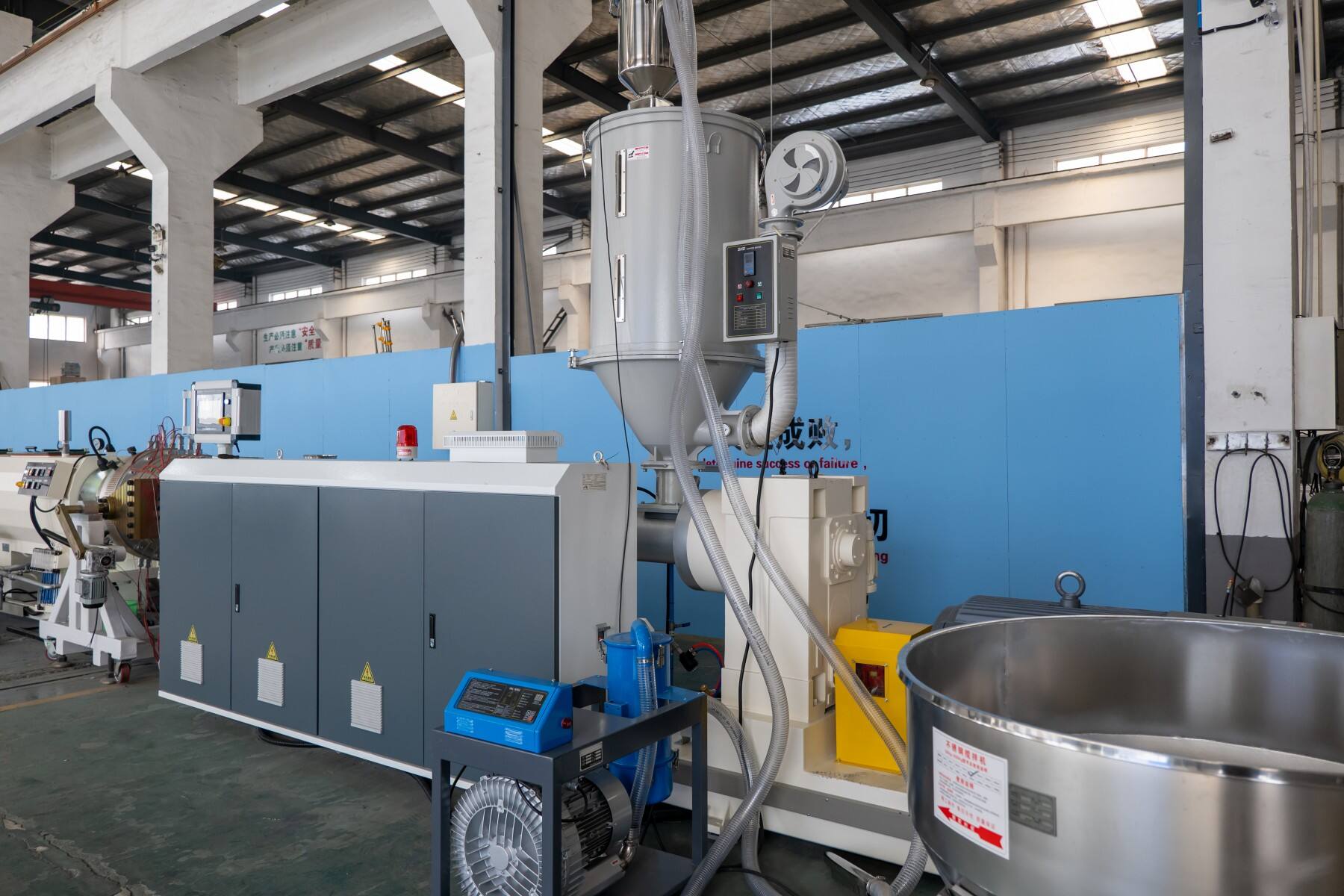
Professional Polyethylene Pipe Extrusion Machine - Advanced Manufacturing Equipment

Get a Free Quote

Our representative will contact you soon.
Email
Name
Company Name
Message
0/1000

polyethylene pipe extrusion machine

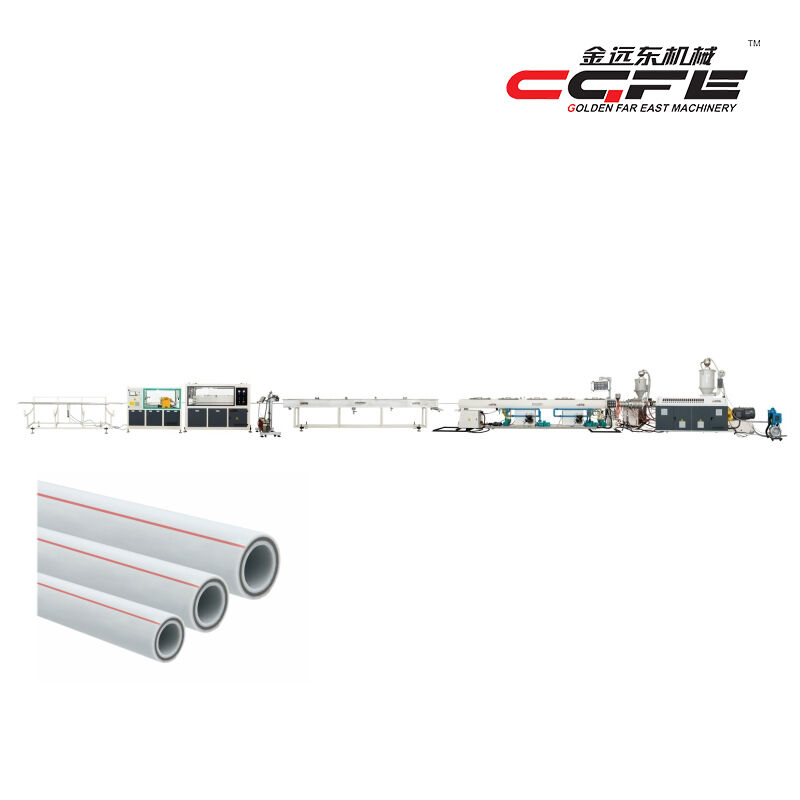
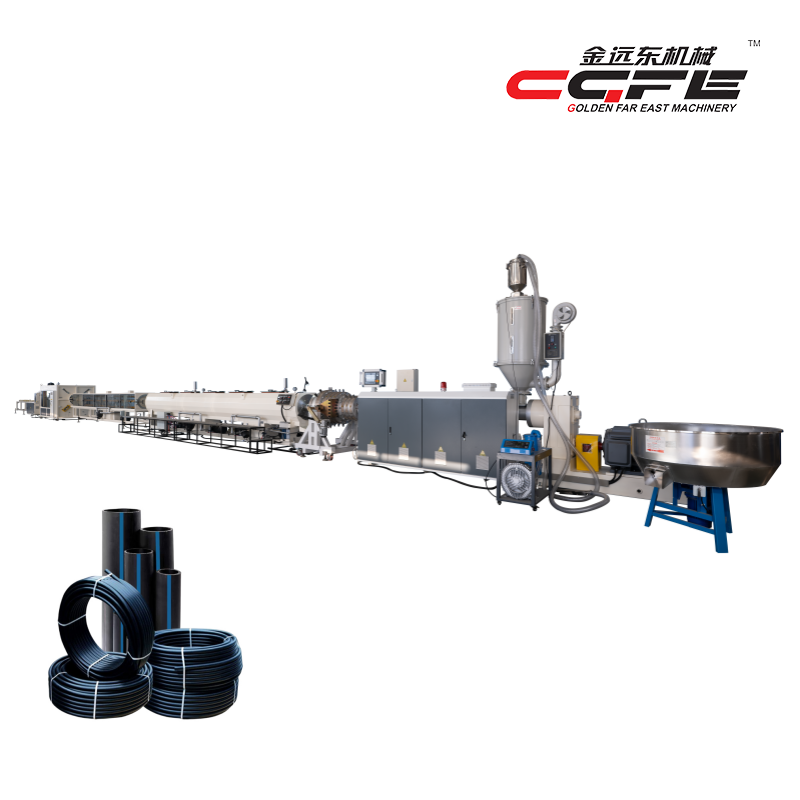
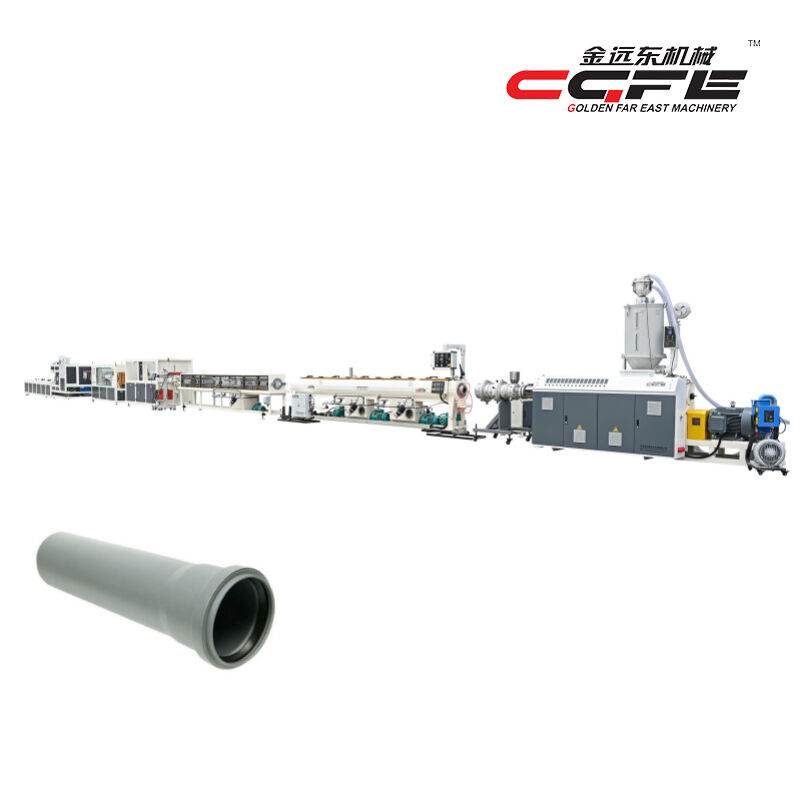
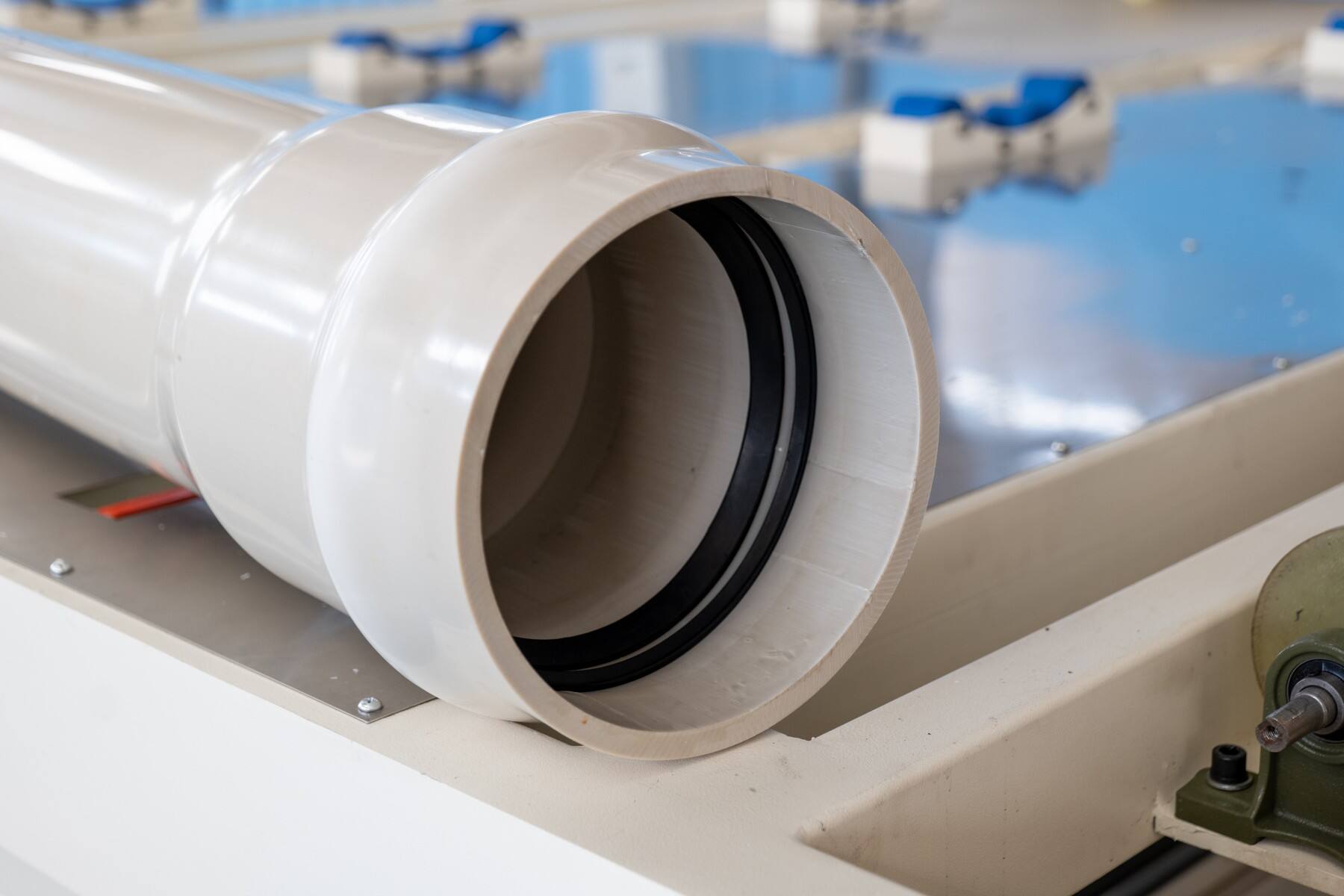
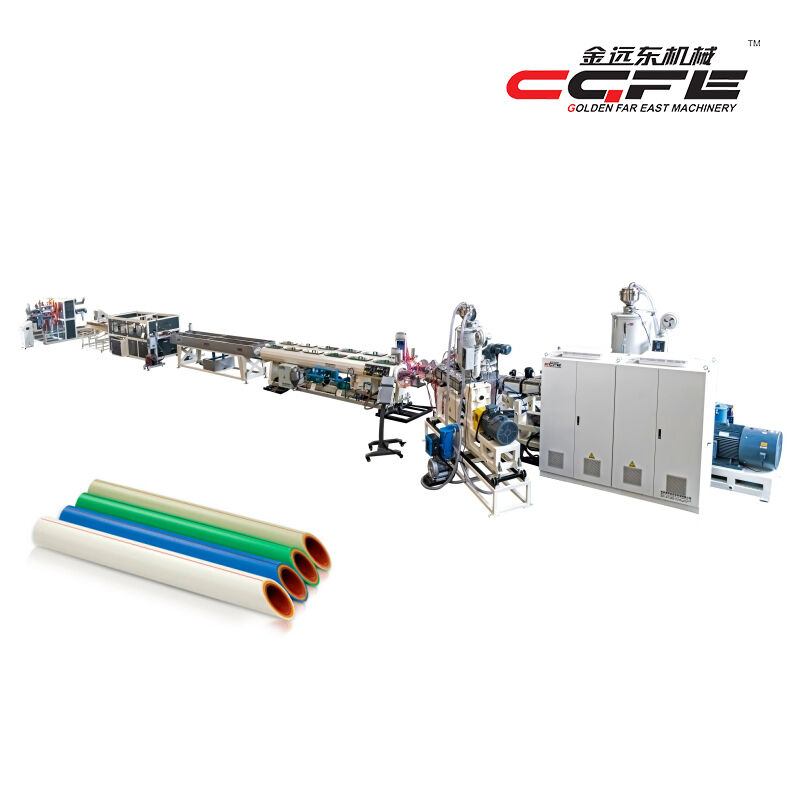
The polyethylene pipe extrusion machine represents a cornerstone of modern plastic manufacturing technology, specifically engineered to produce high-quality polyethylene pipes used across diverse industrial and commercial applications. This sophisticated equipment transforms raw polyethylene materials into continuous, seamless pipes through a precisely controlled thermoplastic extrusion process. The machine operates by melting polyethylene pellets or granules in a heated barrel, where rotating screws mix and homogenize the molten material before forcing it through specially designed dies that shape the final pipe profile. The core functionality revolves around maintaining optimal temperature control throughout multiple heating zones, ensuring consistent material flow and uniform wall thickness distribution. Modern polyethylene pipe extrusion machines incorporate advanced servo-driven systems that provide exceptional control over production speed, dimensional accuracy, and output consistency. The technological framework includes sophisticated cooling systems that rapidly solidify the extruded pipes while maintaining their structural integrity and dimensional stability. These machines feature integrated vacuum sizing tanks that ensure precise outer diameter control and smooth surface finish. The calibration units work in conjunction with cooling baths to achieve optimal pipe geometry and performance characteristics. Contemporary models employ computerized control systems that monitor and adjust critical parameters such as screw rotation speed, barrel temperature profiles, haul-off speed, and cooling water temperature. The versatility of polyethylene pipe extrusion machines enables production of various pipe specifications, including different diameters, wall thicknesses, and pressure ratings to meet specific application requirements. These systems accommodate multiple polyethylene grades, from high-density polyethylene (HDPE) to medium-density variants, allowing manufacturers to produce pipes suitable for water supply, gas distribution, drainage, irrigation, and industrial fluid transport applications.
New Product Releases

The polyethylene pipe extrusion machine delivers exceptional economic benefits that significantly impact manufacturing profitability and operational efficiency. These machines reduce production costs through optimized material utilization, minimizing waste generation and maximizing output per unit of raw material input. The automated control systems eliminate human error while ensuring consistent product quality, reducing rejection rates and associated material losses. Energy efficiency stands as a primary advantage, with modern machines incorporating advanced heating technologies and improved insulation systems that substantially lower power consumption compared to conventional equipment. The reduced energy requirements translate directly into lower operating expenses and improved environmental sustainability. Production flexibility represents another crucial benefit, allowing manufacturers to quickly switch between different pipe specifications without extensive setup modifications or lengthy changeover procedures. This adaptability enables responsive production scheduling that aligns with market demands and customer requirements. The machines offer superior processing speeds that increase overall manufacturing throughput, enabling companies to fulfill larger orders within shorter timeframes and improve customer satisfaction. Quality consistency emerges as a fundamental advantage, with precision control systems ensuring uniform pipe dimensions, wall thickness, and material properties across entire production runs. This consistency reduces quality control expenses and enhances product reliability. The durability and robust construction of polyethylene pipe extrusion machines result in extended operational lifespans with minimal maintenance requirements, providing excellent return on investment over many years of service. Advanced monitoring capabilities prevent equipment failures through predictive maintenance scheduling, reducing unexpected downtime and repair costs. The machines support various polyethylene formulations, including recycled content integration, promoting sustainable manufacturing practices while maintaining product performance standards. Operator safety features protect personnel while simplifying machine operation, reducing training requirements and improving workplace safety records. The compact footprint of modern designs optimizes facility space utilization, allowing installation in existing production environments without major facility modifications.

Practical Tips

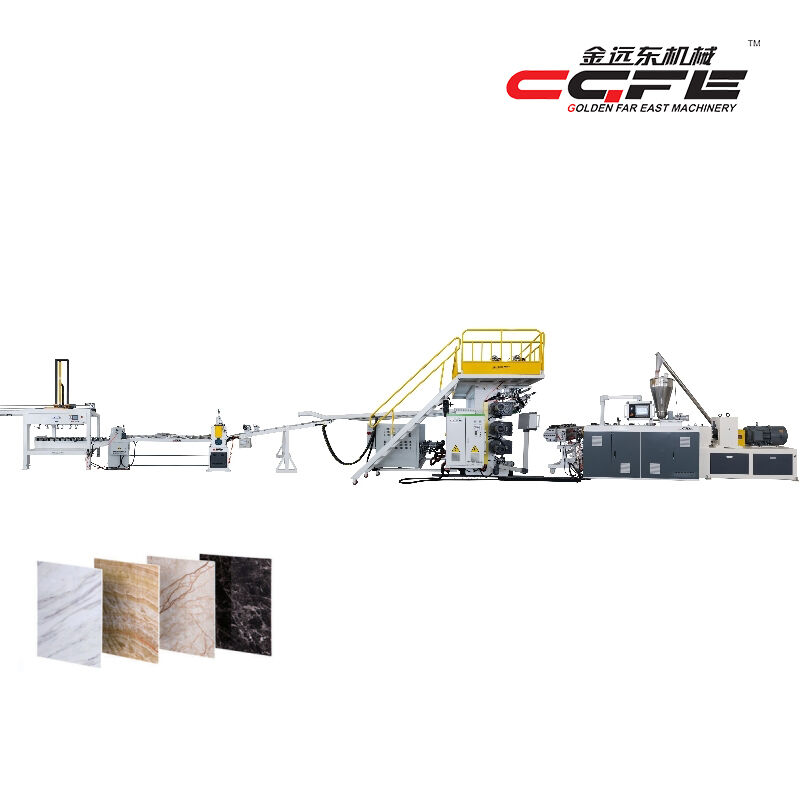
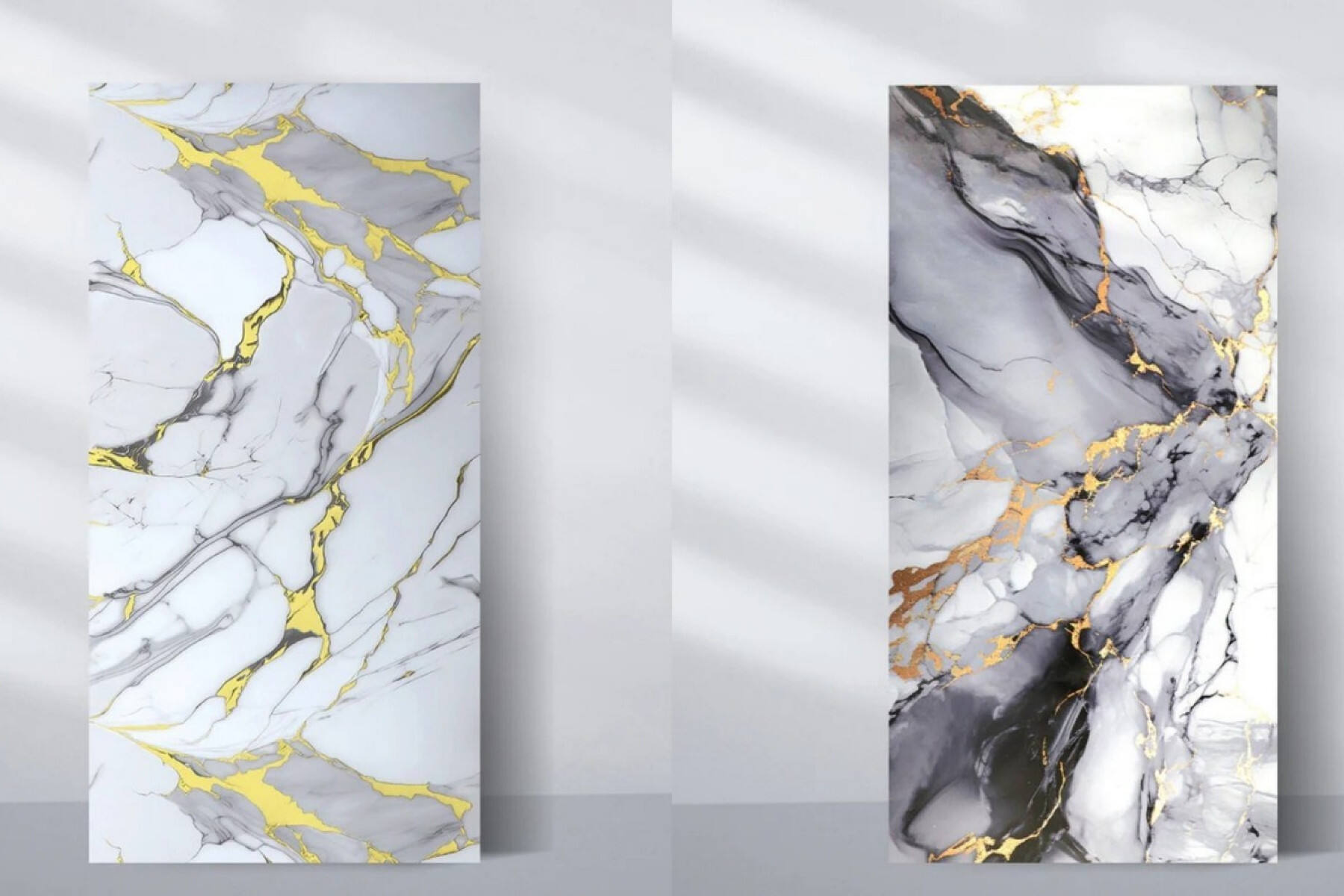
PVC  marble sheet production line-creating a new choice for high-quality decoration

15

Dec

PVC marble sheet production line-creating a new choice for high-quality decoration

View More
Optimizing Production with PVC Pipe Extrusion Machine Lines

15

Dec

Optimizing Production with PVC Pipe Extrusion Machine Lines

View More
Optimizing Performance and Sustainability in PE Pipe Extrusion: Innovations and Best Practices

15

Dec

Optimizing Performance and Sustainability in PE Pipe Extrusion: Innovations and Best Practices

View More

Get a Free Quote

Our representative will contact you soon.
Email
Name
Company Name
Message
0/1000

polyethylene pipe extrusion machine

Advanced Temperature Control Technology

Advanced Temperature Control Technology

The polyethylene pipe extrusion machine incorporates sophisticated multi-zone temperature control systems that represent the pinnacle of thermal management technology in plastic processing equipment. This advanced temperature regulation capability ensures optimal material processing conditions throughout the entire extrusion process, from initial pellet melting to final pipe formation. The system utilizes precision heating elements strategically positioned along the barrel length, creating distinct temperature zones that can be independently controlled and monitored. Each zone maintains specific temperature parameters optimized for different stages of the polyethylene melting and homogenization process. The feed zone operates at lower temperatures to gradually preheat the material, while compression zones reach higher temperatures to achieve complete melting and mixing. The metering zone maintains precise temperatures to ensure uniform melt consistency before the material enters the die system. Advanced PID controllers continuously monitor temperature variations and make real-time adjustments to maintain stability within narrow tolerance ranges. This level of control prevents material degradation that can occur from overheating while ensuring complete melting for optimal pipe quality. The temperature management system includes sophisticated cooling circuits that rapidly remove heat from the extruded pipes, enabling faster production speeds without compromising product integrity. Forced air cooling, water spray systems, and vacuum cooling chambers work in coordination to achieve optimal cooling rates that prevent warping, shrinkage, or dimensional distortion. The integration of infrared temperature sensors provides non-contact monitoring of pipe surface temperatures throughout the cooling process, enabling automatic adjustments to maintain ideal thermal profiles. This comprehensive temperature control technology significantly enhances product quality by ensuring uniform material properties, consistent wall thickness, and excellent surface finish characteristics that meet stringent industry standards and customer specifications.
Precision Dimensional Control Systems

Precision Dimensional Control Systems

The polyethylene pipe extrusion machine features cutting-edge dimensional control systems that guarantee exceptional accuracy and consistency in pipe manufacturing, addressing the critical requirements for precise specifications demanded by modern infrastructure applications. These sophisticated systems incorporate multiple measurement and adjustment mechanisms that work seamlessly together to maintain tight tolerances throughout the production process. Laser-based measurement devices continuously monitor pipe diameter, wall thickness, and ovality in real-time, providing instant feedback to control systems that make automatic corrections to maintain specified dimensions. The vacuum sizing system plays a crucial role in achieving precise outer diameter control by applying calibrated vacuum pressure that draws the hot, pliable pipe against precision-machined sizing sleeves. These sleeves are manufactured to exacting tolerances and feature optimized cooling channel designs that ensure uniform heat removal while maintaining dimensional stability. Wall thickness control utilizes ultrasonic measurement technology that provides non-destructive, continuous monitoring of material distribution around the pipe circumference. The system detects variations and automatically adjusts die gap settings or haul-off speed to compensate for any deviations from target specifications. The haul-off unit incorporates servo-controlled caterpillar drives that maintain precise pulling speeds synchronized with extrusion rates, preventing stretching or compression that could affect pipe dimensions. Advanced feedback control algorithms analyze measurement data and implement corrective actions faster than traditional mechanical systems, resulting in superior dimensional consistency and reduced waste. The calibration tools feature interchangeable components that enable rapid changeover between different pipe sizes without compromising accuracy or requiring extensive setup procedures. Temperature-controlled calibration sleeves prevent thermal expansion effects that could introduce dimensional variations, while integrated cooling circuits maintain optimal operating conditions. This precision dimensional control technology ensures that manufactured pipes meet or exceed international standards for pressure ratings, structural integrity, and installation compatibility, providing customers with reliable products that perform consistently in demanding applications.
Energy-Efficient Production Capabilities

Energy-Efficient Production Capabilities

The polyethylene pipe extrusion machine demonstrates exceptional energy efficiency through innovative design features and advanced technologies that significantly reduce power consumption while maintaining high production output and superior product quality. The energy optimization begins with high-efficiency heating systems that utilize ceramic band heaters and advanced insulation materials to minimize heat loss and reduce power requirements. These heating elements feature rapid response characteristics that quickly reach operating temperatures and maintain precise control with minimal energy waste. The barrel design incorporates multi-layer insulation systems that retain heat within the processing zones, reducing the energy needed to maintain optimal temperatures during operation. Variable frequency drives control motor speeds precisely, adjusting power consumption based on actual production requirements rather than operating at constant maximum capacity. This intelligent power management reduces energy usage during startup, changeovers, and low-demand periods while ensuring adequate power availability for peak production needs. The screw design optimization reduces mixing energy requirements through improved flight geometry and specialized barrier sections that enhance material homogenization with lower rotational speeds and reduced torque demands. Advanced cooling systems utilize energy recovery technology that captures waste heat from the cooling process and redirects it to preheat incoming cooling water or support facility heating requirements. This heat recovery capability can reduce overall facility energy consumption by substantial margins while improving process efficiency. The control system incorporates energy monitoring features that track power consumption patterns and identify opportunities for further optimization through operational adjustments or maintenance scheduling. Servo-driven haul-off units consume significantly less energy than hydraulic alternatives while providing superior speed control and positioning accuracy. The machine design minimizes friction losses through precision-engineered components and advanced bearing systems that reduce parasitic power losses. Standby modes automatically reduce power consumption during production pauses or maintenance periods, ensuring energy efficiency throughout the entire operational cycle. These comprehensive energy-efficient features provide substantial cost savings over the machine's operational lifetime while supporting environmental sustainability goals and reducing the carbon footprint of pipe manufacturing operations.

Get a Free Quote

Our representative will contact you soon.
Email
Name
Company Name
Message
0/1000