Advanced PVC Ceiling Panel Production Line - Complete Manufacturing Solutions for High-Quality Panel Production

Get a Free Quote

Our representative will contact you soon.
Email
Name
Company Name
Message
0/1000

pvc ceiling panel production line

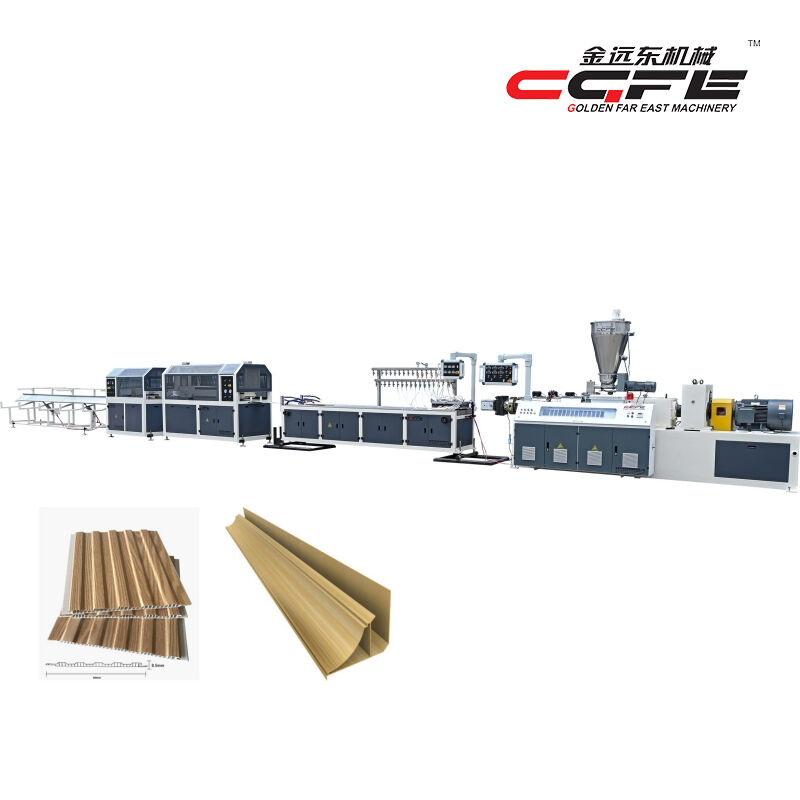
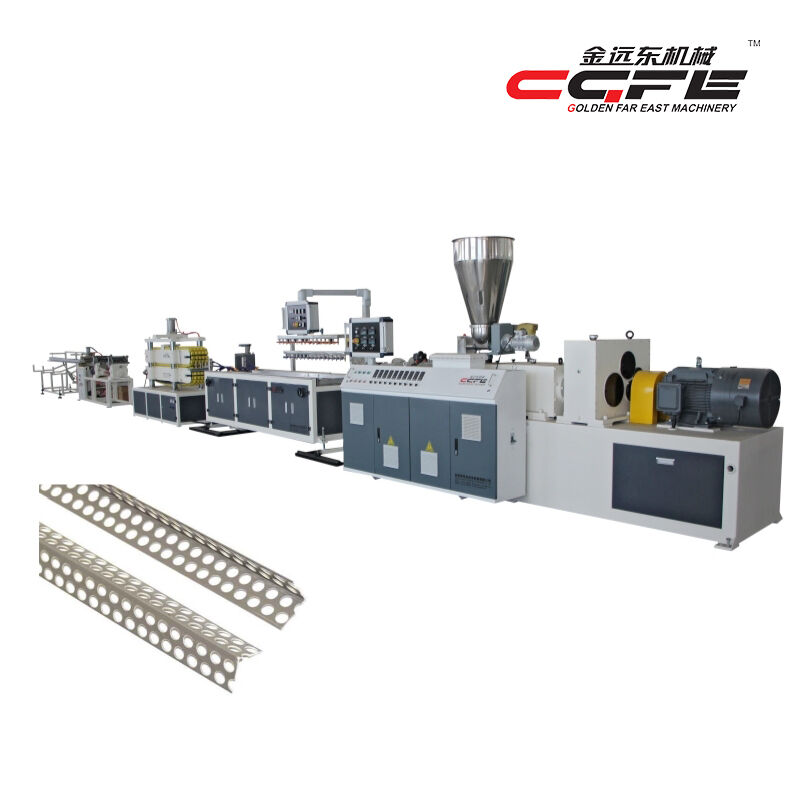
The PVC ceiling panel production line represents a sophisticated manufacturing system designed to produce high-quality polyvinyl chloride ceiling panels for residential, commercial, and industrial applications. This comprehensive production line integrates multiple advanced technologies to transform raw PVC materials into durable, aesthetically pleasing ceiling panels that meet international quality standards. The main functions of this production line encompass material preparation, extrusion, cooling, cutting, and quality control processes that work seamlessly together to ensure consistent output. The technological features of the PVC ceiling panel production line include precision temperature control systems, automated feeding mechanisms, and computerized monitoring equipment that maintains optimal production parameters throughout the manufacturing process. The extrusion technology employed in this production line utilizes specialized screws and dies that shape the PVC material into precise panel profiles with consistent thickness and surface quality. Advanced cooling systems ensure proper solidification of the extruded panels while maintaining dimensional accuracy. The production line incorporates cutting systems that precisely dimension panels according to specifications, eliminating waste and ensuring uniformity across all products. Quality control sensors continuously monitor panel thickness, surface finish, and structural integrity throughout the production cycle. Applications for products manufactured by the PVC ceiling panel production line span across multiple sectors including residential construction, office buildings, retail spaces, healthcare facilities, and educational institutions. These panels serve as cost-effective alternatives to traditional ceiling materials while offering superior moisture resistance, fire retardancy, and thermal insulation properties. The versatility of the PVC ceiling panel production line allows manufacturers to produce panels in various colors, textures, and designs to meet diverse market demands and architectural requirements.
Popular Products

The PVC ceiling panel production line delivers exceptional operational efficiency that significantly reduces manufacturing costs while maintaining superior product quality. This advanced manufacturing system operates continuously with minimal downtime, allowing producers to meet high-volume orders and tight delivery schedules effectively. The automated nature of the production line reduces labor requirements substantially, cutting operational expenses and minimizing human error risks that could compromise product consistency. Energy efficiency represents another major advantage, as modern PVC ceiling panel production lines incorporate heat recovery systems and optimized heating elements that reduce power consumption by up to thirty percent compared to traditional manufacturing methods. The precision engineering of these production lines ensures consistent panel dimensions and surface quality, eliminating the need for extensive post-production finishing processes that add time and cost to manufacturing operations. Raw material utilization reaches optimal levels through advanced feeding systems that minimize waste generation, directly improving profit margins for manufacturers. The flexibility inherent in PVC ceiling panel production lines enables rapid changeovers between different panel designs, colors, and specifications without extensive retooling requirements. This adaptability allows manufacturers to respond quickly to market demands and customer preferences, maintaining competitive advantages in dynamic markets. Quality assurance capabilities built into the production line include real-time monitoring systems that detect defects immediately, preventing substandard products from reaching customers and protecting brand reputation. Maintenance requirements remain minimal due to robust construction and high-quality components used throughout the system, ensuring reliable operation over extended periods. The scalability of PVC ceiling panel production lines allows businesses to expand capacity as demand grows without requiring complete system overhauls. Environmental benefits include reduced material waste, lower energy consumption, and the production of recyclable ceiling panels that support sustainable building practices. Investment returns typically materialize within eighteen to twenty-four months due to reduced operational costs, increased production capacity, and improved product quality that commands premium pricing in the marketplace.

Practical Tips

PVC  marble sheet production line-creating a new choice for high-quality decoration

15

Dec

PVC marble sheet production line-creating a new choice for high-quality decoration

View More
Optimizing Production with PVC Pipe Extrusion Machine Lines

15

Dec

Optimizing Production with PVC Pipe Extrusion Machine Lines

View More
Optimizing Performance and Sustainability in PE Pipe Extrusion: Innovations and Best Practices

15

Dec

Optimizing Performance and Sustainability in PE Pipe Extrusion: Innovations and Best Practices

View More

Get a Free Quote

Our representative will contact you soon.
Email
Name
Company Name
Message
0/1000

pvc ceiling panel production line

Advanced Extrusion Technology for Superior Panel Quality

Advanced Extrusion Technology for Superior Panel Quality

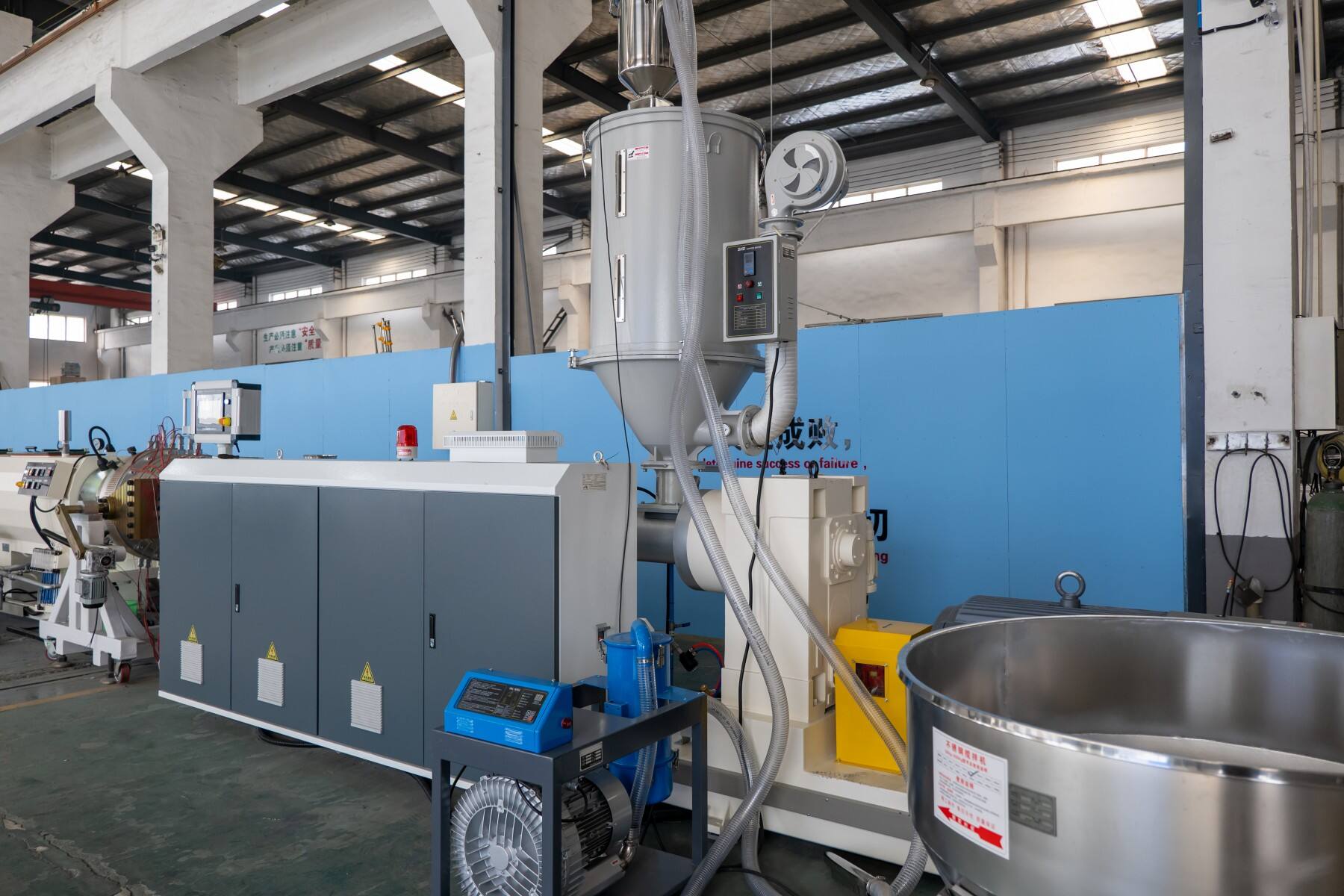
The heart of any PVC ceiling panel production line lies in its advanced extrusion technology, which transforms raw PVC compounds into precisely formed ceiling panels with exceptional consistency and quality. This sophisticated extrusion system employs specially designed screws that create optimal mixing and melting conditions for PVC materials, ensuring uniform distribution of additives and colorants throughout the panel structure. The precision-engineered dies used in this process create panels with exact dimensional specifications, maintaining consistent thickness across the entire panel width and length. Temperature control systems integrated into the extrusion process maintain precise heating zones that optimize material flow characteristics while preventing degradation of PVC compounds. The extrusion technology incorporates multiple heating elements with independent controls, allowing operators to fine-tune processing conditions for different PVC formulations and panel designs. Advanced pressure monitoring systems ensure consistent material flow through the die, eliminating variations that could result in surface defects or dimensional irregularities. The cooling systems following extrusion utilize calibrated water baths and air cooling chambers that solidify panels gradually, preventing internal stresses that could cause warping or dimensional instability. Vacuum calibration systems maintain panel profile accuracy during the critical cooling phase, ensuring that finished products meet tight dimensional tolerances required for professional installation. The extrusion technology enables production of panels with various surface textures and patterns, from smooth finishes to wood grain effects, expanding market opportunities for manufacturers. Quality control sensors integrated into the extrusion process continuously monitor panel thickness, detecting variations that exceed specified tolerances and automatically adjusting processing parameters to maintain consistency. This advanced technology reduces material waste significantly by ensuring that virtually all extruded material meets quality standards, improving overall production efficiency and profitability for manufacturers investing in PVC ceiling panel production lines.
Automated Control Systems for Enhanced Production Efficiency

Automated Control Systems for Enhanced Production Efficiency

Modern PVC ceiling panel production lines incorporate sophisticated automated control systems that revolutionize manufacturing efficiency and product consistency while reducing operational complexity for production teams. These intelligent control systems integrate programmable logic controllers with human-machine interfaces that provide operators with intuitive control over all production parameters from centralized workstations. The automation technology continuously monitors critical process variables including temperature, pressure, line speed, and material flow rates, automatically adjusting these parameters to maintain optimal production conditions without manual intervention. Recipe management capabilities allow operators to store and recall processing parameters for different panel specifications, enabling rapid changeovers between products while ensuring consistent quality across all production runs. Real-time data collection systems gather comprehensive production information that enables manufacturers to analyze performance trends, identify optimization opportunities, and implement predictive maintenance strategies that minimize unexpected downtime. The automated feeding systems precisely control raw material introduction into the production process, maintaining consistent material ratios and preventing production interruptions caused by material shortages or feeding irregularities. Advanced alarm systems immediately alert operators to any deviation from normal operating conditions, enabling rapid response to potential issues before they impact product quality or production efficiency. Remote monitoring capabilities allow supervisors to oversee production operations from off-site locations, providing flexibility in production management and enabling rapid response to operational issues. The integration of quality control sensors with automated control systems enables immediate detection and correction of product defects, preventing substandard panels from progressing through the production line. Statistical process control functions built into these systems automatically track quality metrics and generate reports that demonstrate compliance with international quality standards. Energy management features optimize power consumption by automatically adjusting heating and cooling systems based on actual production requirements, reducing operational costs while maintaining process stability throughout extended production runs.
Versatile Panel Design Capabilities for Market Differentiation

Versatile Panel Design Capabilities for Market Differentiation

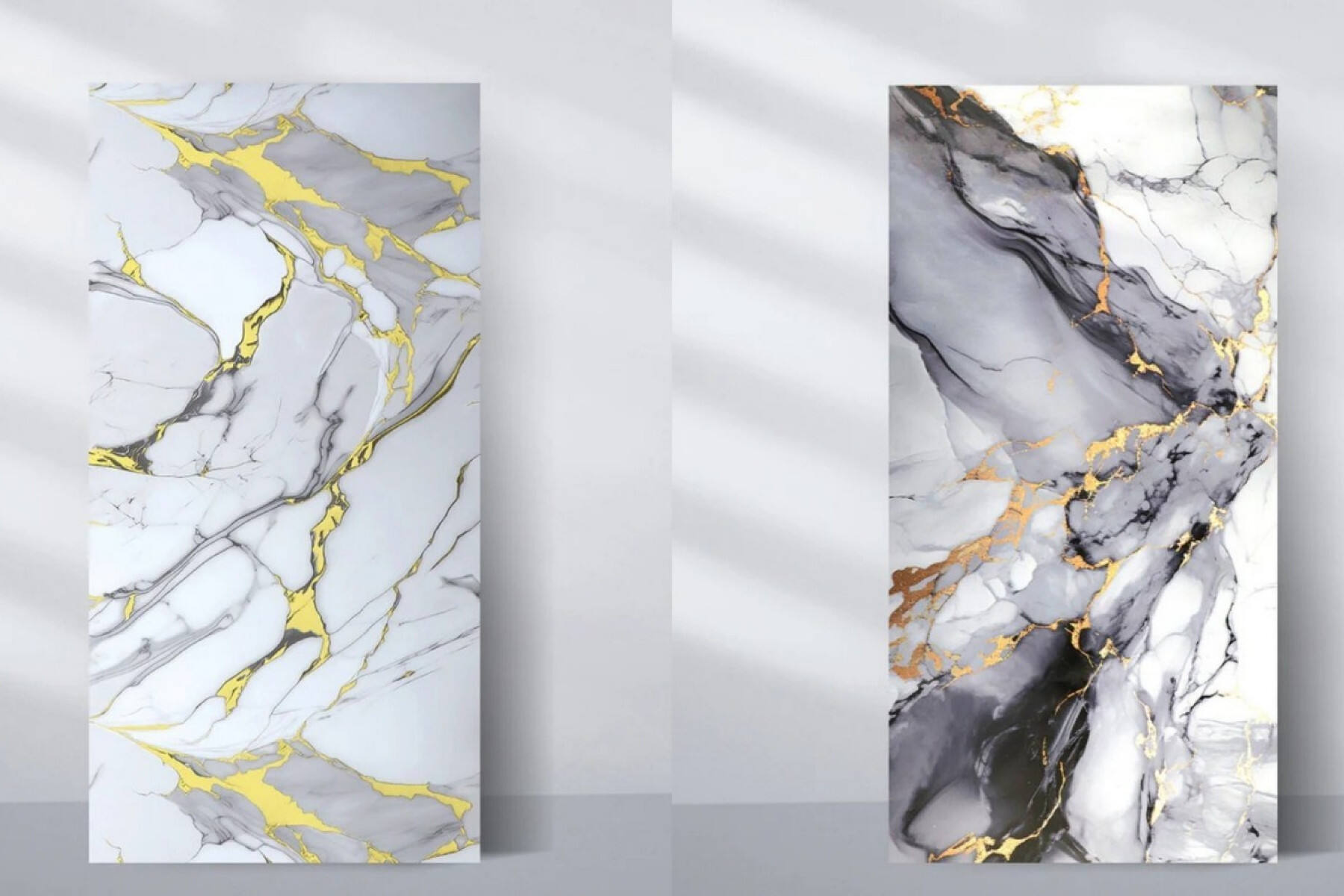
The versatility of modern PVC ceiling panel production lines enables manufacturers to create diverse panel designs that cater to varied market segments and architectural requirements, providing significant competitive advantages in increasingly demanding markets. This design flexibility encompasses multiple panel profiles, including traditional flat panels, decorative coffered designs, and innovative three-dimensional textures that simulate natural materials like wood and stone. The production line accommodates various panel widths and lengths, allowing manufacturers to serve both residential markets requiring standard dimensions and commercial projects demanding custom specifications. Surface treatment capabilities integrated into the production process enable creation of panels with different finishes, from high-gloss surfaces suitable for modern commercial spaces to matte textures preferred in residential applications. Color customization options allow manufacturers to produce panels in virtually unlimited color combinations, enabling architects and designers to achieve specific aesthetic goals while maintaining the practical benefits of PVC ceiling materials. The lamination capabilities of advanced PVC ceiling panel production lines enable application of decorative films that replicate expensive natural materials at fraction of the cost, opening premium market segments previously dominated by traditional ceiling materials. Embossing technologies create realistic surface textures that enhance visual appeal while maintaining the moisture resistance and durability characteristics that make PVC panels ideal for challenging environments. Multi-layer panel construction capabilities enable integration of insulation materials during production, creating panels with enhanced thermal performance that meet energy efficiency requirements in modern building codes. The production line flexibility extends to panel edge profiles, enabling manufacture of tongue-and-groove systems, overlapping designs, and seamless installation options that reduce installation time and improve finished appearance. Custom tooling options allow manufacturers to develop proprietary panel designs that differentiate their products in competitive markets while maintaining compatibility with standard installation systems. This design versatility, combined with the inherent advantages of PVC materials, enables manufacturers using these production lines to address diverse market opportunities while maintaining efficient production operations and competitive pricing structures.

Get a Free Quote

Our representative will contact you soon.
Email
Name
Company Name
Message
0/1000