PVC Profile Extrusion: Advanced Manufacturing Solutions for Precision Profiles

Get a Free Quote

Our representative will contact you soon.
Email
Name
Company Name
Message
0/1000

pvc profile extrusion

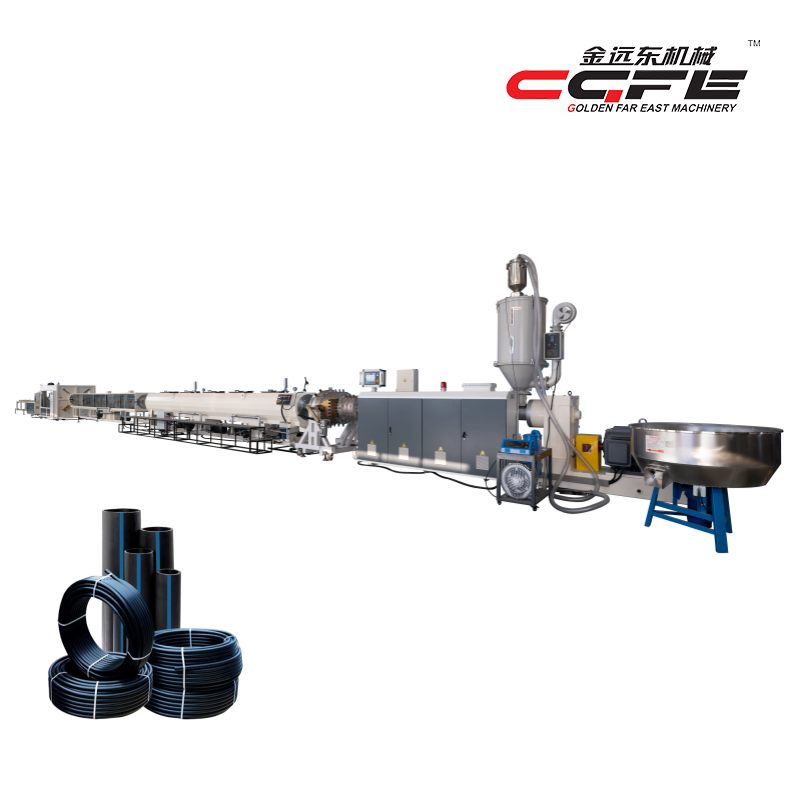
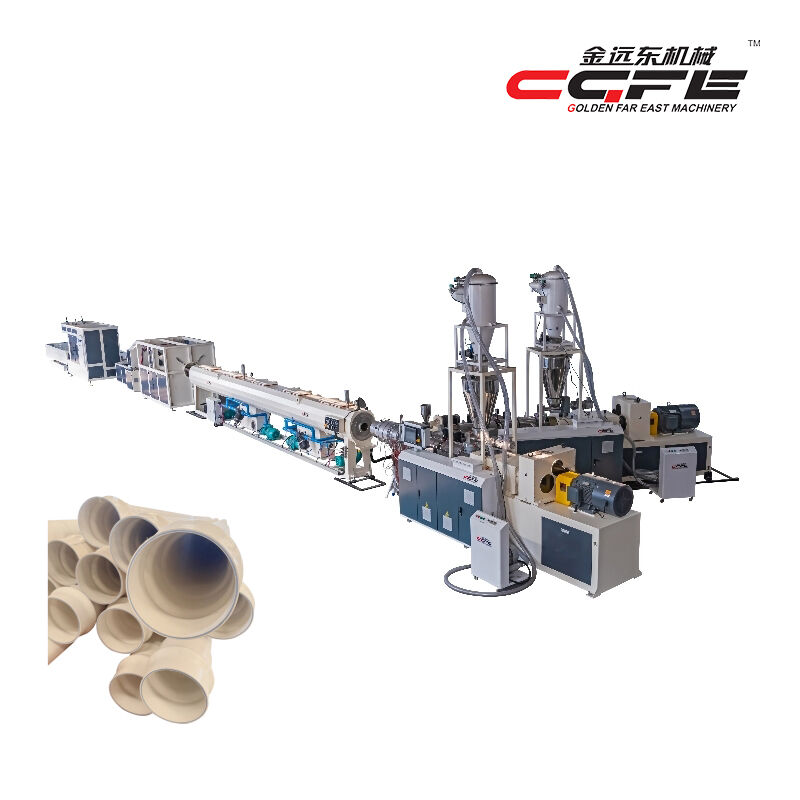
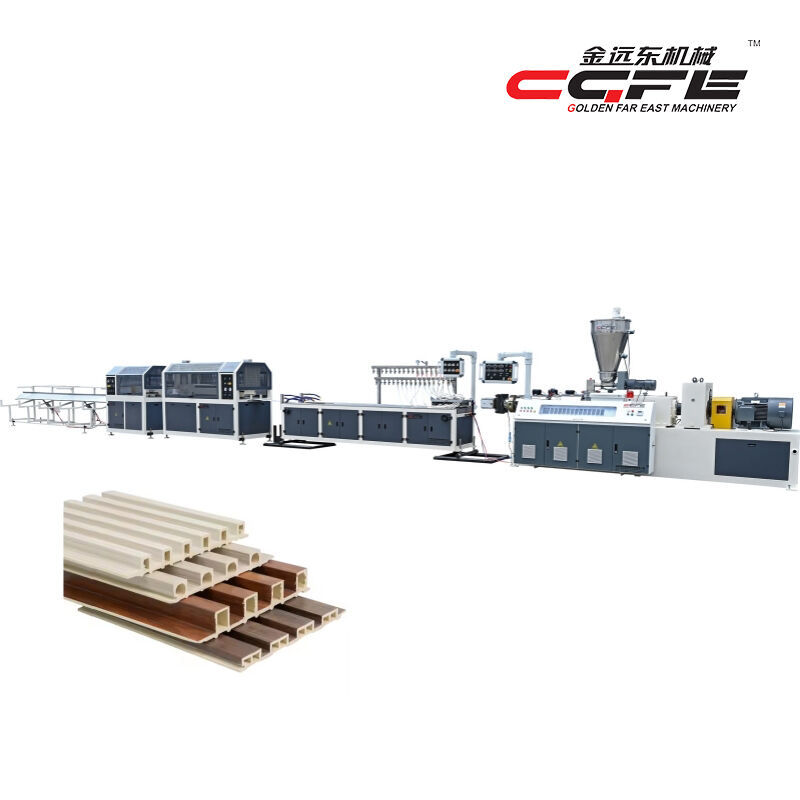
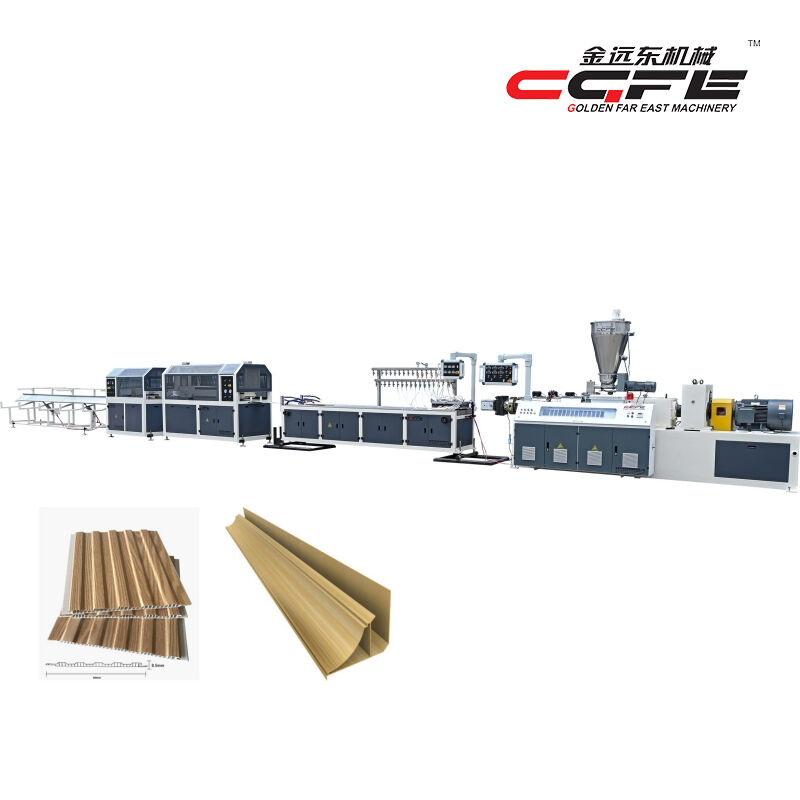
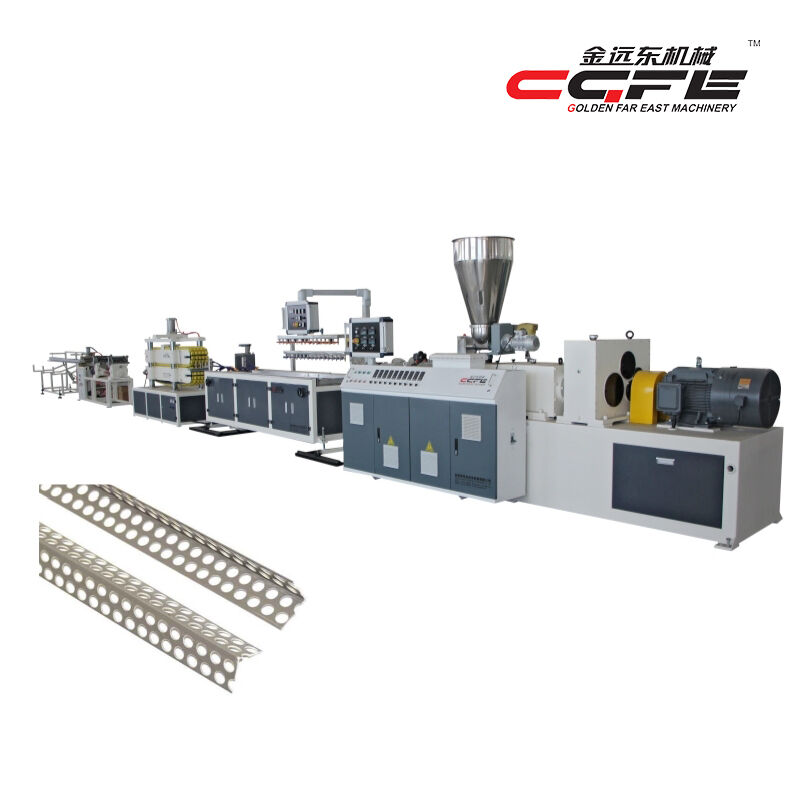
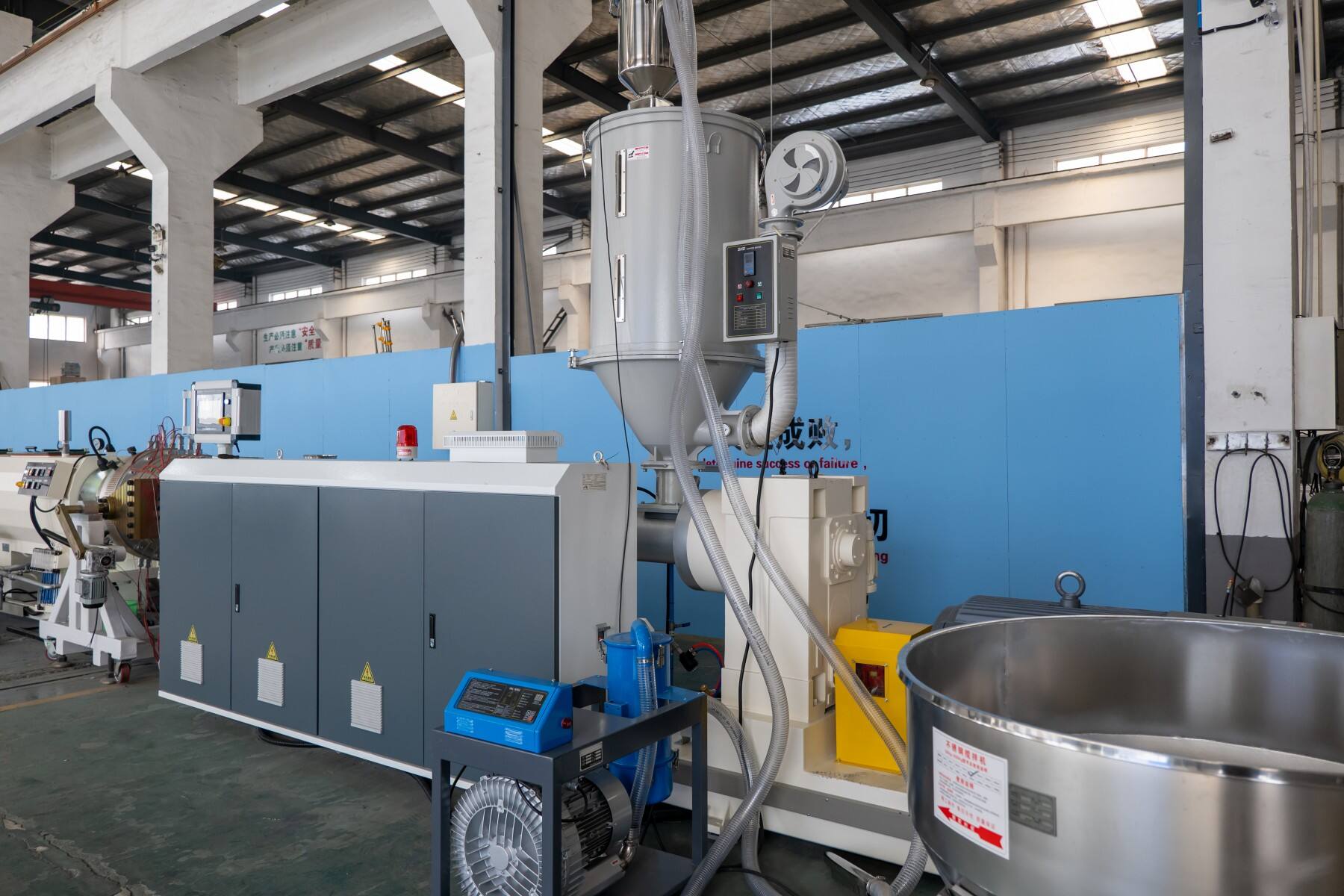
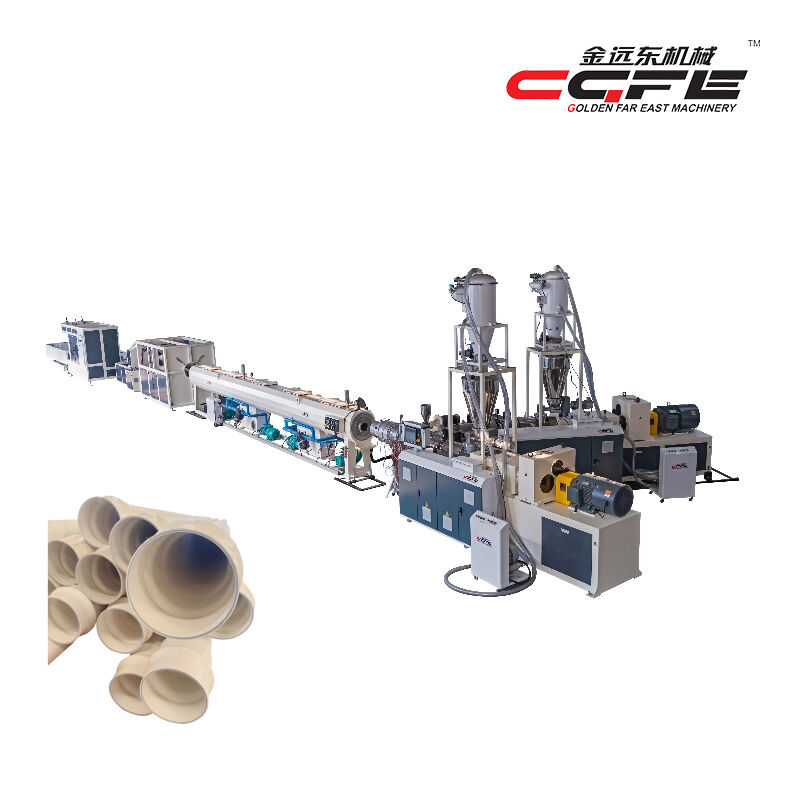
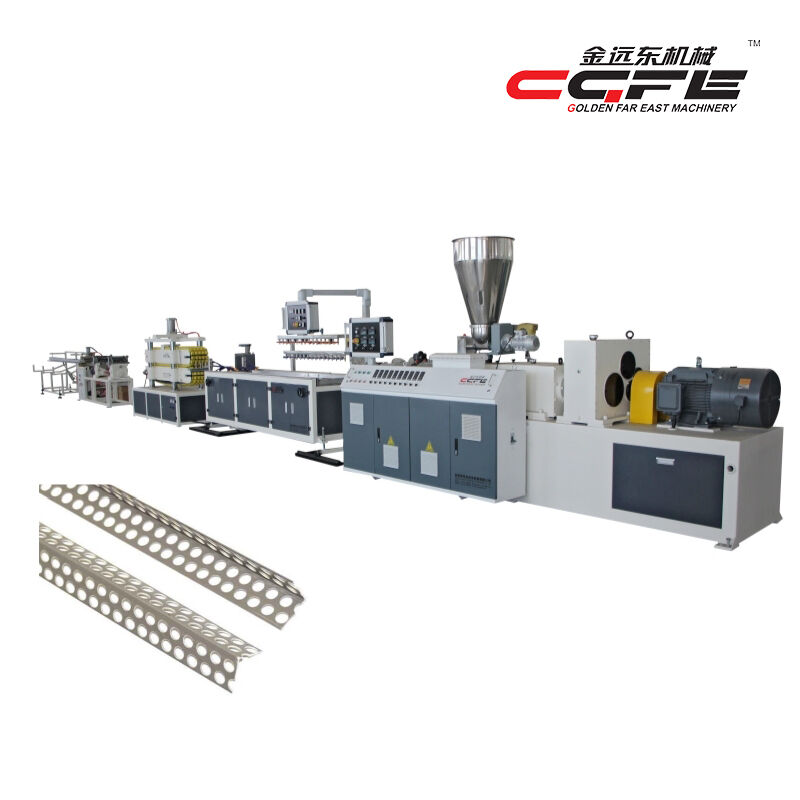
PVC profile extrusion represents a sophisticated manufacturing process that transforms polyvinyl chloride raw materials into versatile, durable profiles used across numerous industries. This advanced production method involves heating PVC compounds to precise temperatures and forcing the molten material through specially designed dies to create consistent cross-sectional shapes. The pvc profile extrusion process operates continuously, allowing manufacturers to produce long lengths of profiles with exceptional dimensional accuracy and surface quality. The technological foundation of pvc profile extrusion relies on precisely controlled heating zones, screw configurations, and die designs that ensure optimal material flow and product consistency. Modern extrusion lines incorporate sophisticated temperature monitoring systems, automated feeding mechanisms, and real-time quality control measures that maintain product specifications throughout production runs. The main functions of pvc profile extrusion encompass creating window frames, door components, architectural trim, industrial gaskets, and decorative moldings with remarkable precision and repeatability. The process accommodates various PVC formulations, including rigid and flexible compounds, enabling manufacturers to tailor material properties to specific application requirements. Technological features include multi-layer co-extrusion capabilities, which allow combining different PVC compounds or colors within single profiles, enhancing both aesthetic appeal and functional performance. The pvc profile extrusion process also supports post-extrusion operations such as embossing, printing, and secondary forming to achieve specialized surface textures and configurations. Applications span construction, automotive, furniture, signage, and consumer goods industries, where the versatility and cost-effectiveness of extruded PVC profiles provide significant advantages. The process enables efficient material utilization, minimal waste generation, and high-speed production rates that support both large-scale manufacturing and customized small-batch requirements.
New Product Recommendations

The pvc profile extrusion process delivers exceptional cost-effectiveness through efficient material utilization and streamlined production workflows. Manufacturers benefit from reduced raw material waste since the continuous extrusion process minimizes scrap generation compared to traditional forming methods. The process allows companies to achieve consistent product quality with minimal labor requirements, as automated systems control most production parameters. Energy consumption remains relatively low due to the thermoplastic nature of PVC, which requires moderate processing temperatures and allows for material recycling. The pvc profile extrusion method provides remarkable design flexibility, enabling manufacturers to create complex cross-sectional geometries that would be difficult or impossible to achieve through other manufacturing processes. This flexibility extends to color customization, where pigments can be incorporated directly into the PVC compound or applied as co-extruded layers for enhanced visual appeal. Production speeds are significantly higher than alternative methods, with modern extrusion lines capable of producing hundreds of feet of profile per minute. The dimensional accuracy achieved through pvc profile extrusion ensures consistent fit and function in assembly applications, reducing installation time and improving overall product reliability. Material properties of extruded PVC profiles include excellent weather resistance, chemical stability, and electrical insulation characteristics that make them suitable for demanding environments. The profiles resist moisture absorption, preventing warping and dimensional changes that commonly affect other materials. Maintenance requirements for pvc profile extrusion equipment are minimal, as PVC's non-corrosive properties reduce wear on processing machinery. The process supports easy color changes and formulation adjustments, allowing manufacturers to respond quickly to market demands without significant downtime. Quality control is simplified through inline monitoring systems that detect and correct deviations in real-time, ensuring consistent product specifications. The pvc profile extrusion process also enables the incorporation of reinforcing elements, additives, and functional components during production, creating enhanced products with specialized properties. Environmental benefits include the recyclability of PVC materials and the ability to incorporate recycled content into new profiles without compromising performance.

Tips And Tricks

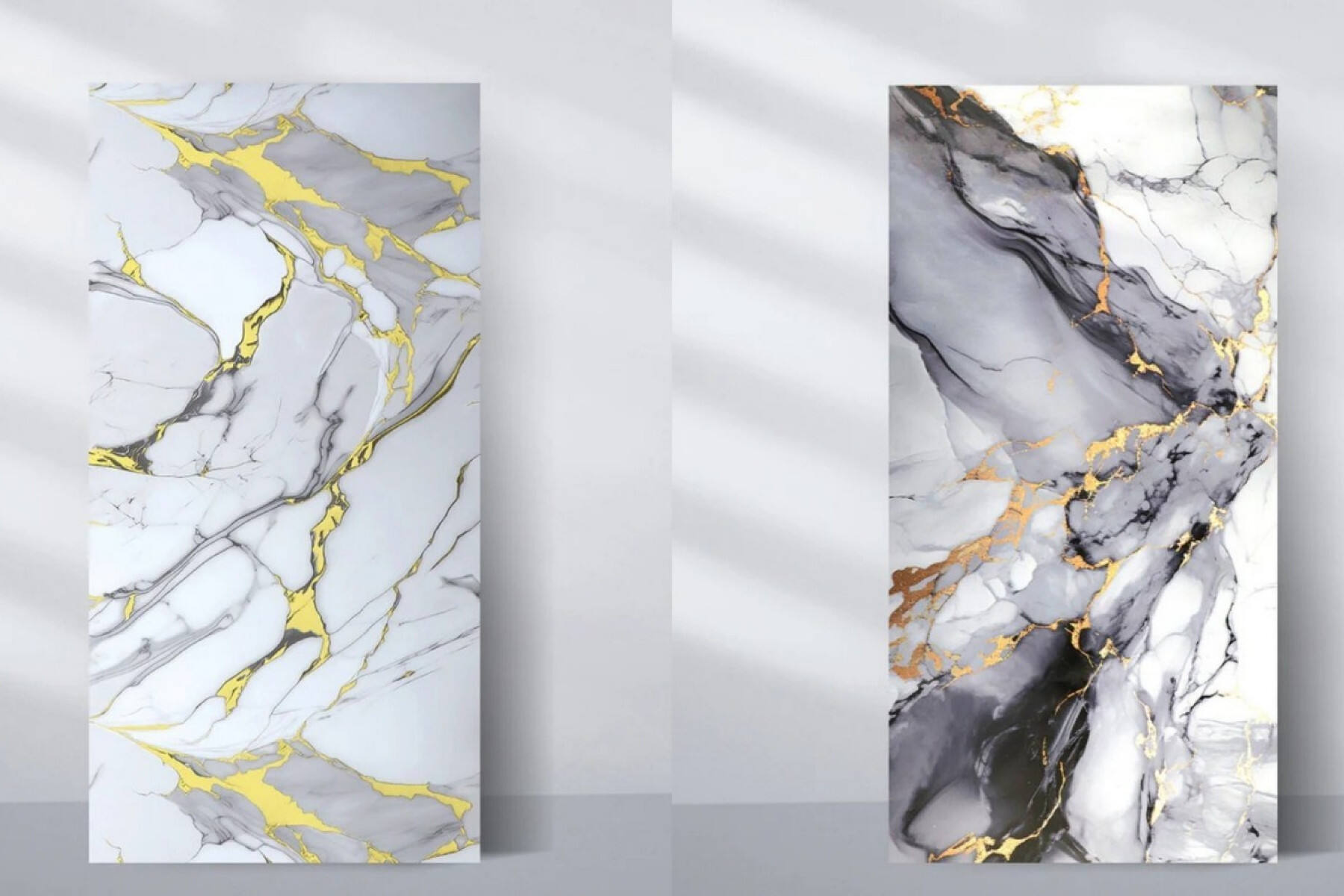
PVC  marble sheet production line-creating a new choice for high-quality decoration

15

Dec

PVC marble sheet production line-creating a new choice for high-quality decoration

View More
Optimizing Production with PVC Pipe Extrusion Machine Lines

15

Dec

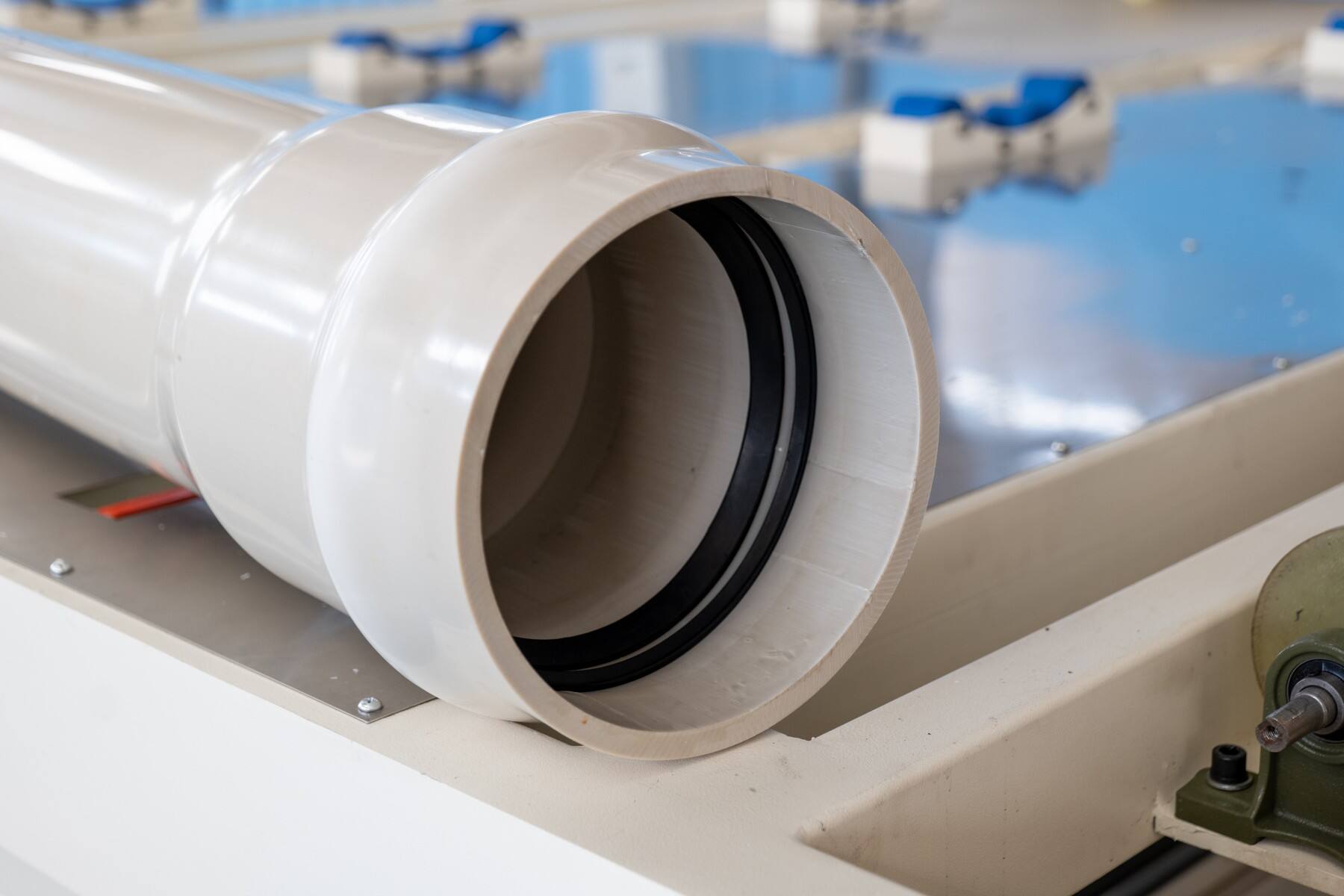
Optimizing Production with PVC Pipe Extrusion Machine Lines

View More
Optimizing Performance and Sustainability in PE Pipe Extrusion: Innovations and Best Practices

15

Dec

Optimizing Performance and Sustainability in PE Pipe Extrusion: Innovations and Best Practices

View More

Get a Free Quote

Our representative will contact you soon.
Email
Name
Company Name
Message
0/1000

pvc profile extrusion

Advanced Multi-Layer Co-Extrusion Technology

Advanced Multi-Layer Co-Extrusion Technology

The sophisticated multi-layer co-extrusion capability represents one of the most significant advantages of modern pvc profile extrusion systems. This advanced technology enables manufacturers to combine multiple PVC formulations or different materials within a single profile, creating products with enhanced functionality and aesthetic appeal. The process involves simultaneously extruding different materials through carefully designed dies that merge the streams into cohesive, multi-layered structures. This capability allows manufacturers to optimize material properties for specific applications, such as combining a weather-resistant exterior layer with a cost-effective core material, or integrating colored surface layers with neutral base compounds. The pvc profile extrusion process supporting multi-layer technology provides exceptional design freedom, enabling the creation of profiles with varying hardness, color, or functional properties across different sections. For example, window profiles can incorporate soft gasket materials along sealing surfaces while maintaining rigid structural components in load-bearing areas. This technology significantly reduces secondary assembly operations, as multiple functions are integrated during the primary extrusion process. Quality control systems monitor each layer independently, ensuring consistent material distribution and proper adhesion between layers throughout production runs. The multi-layer approach also enables cost optimization by using premium materials only where necessary while employing economical formulations in non-critical areas. Environmental benefits include reduced material waste and the ability to incorporate recycled content in core layers while maintaining virgin material properties in visible surfaces. The technology supports complex color schemes, textures, and surface finishes that would require expensive secondary operations with traditional single-layer extrusion. Manufacturing flexibility increases dramatically as product variations can be achieved through formulation changes rather than tooling modifications, reducing changeover times and inventory requirements.
Precision Dimensional Control and Surface Quality

Precision Dimensional Control and Surface Quality

The pvc profile extrusion process achieves exceptional dimensional precision and surface quality through advanced control systems and sophisticated die engineering. Modern extrusion lines incorporate laser measurement systems that continuously monitor profile dimensions and automatically adjust processing parameters to maintain tight tolerances. This precision control eliminates the dimensional variations commonly associated with other manufacturing methods, ensuring consistent fit and function in assembly applications. The surface quality achieved through pvc profile extrusion rivals that of machined components, with smooth finishes that eliminate the need for secondary surface treatments in many applications. Die design technology has evolved to incorporate complex geometries and intricate surface textures directly into the extrusion process, creating profiles with integrated functional features such as snap-fit connections, sealing grooves, and decorative elements. Temperature control systems maintain optimal processing conditions throughout the die length, preventing thermal degradation and ensuring uniform material properties across the profile cross-section. The pvc profile extrusion process supports various surface finishes, from high-gloss smooth surfaces to textured patterns that enhance grip or aesthetic appeal. Cooling systems are precisely controlled to prevent warping and maintain dimensional stability as profiles solidify after leaving the die. Quality assurance systems continuously monitor surface defects, dimensional deviations, and material properties, automatically rejecting non-conforming products and adjusting process parameters to prevent future occurrences. The precision achieved through advanced pvc profile extrusion enables tight-fitting assemblies without secondary machining operations, reducing production costs and improving product reliability. Post-extrusion handling systems maintain profile integrity through controlled support and transportation mechanisms that prevent deformation or surface damage. The consistent quality output enables predictable performance in end-use applications, reducing warranty issues and customer complaints while building brand reputation for reliability and precision.
Sustainable Manufacturing and Material Efficiency

Sustainable Manufacturing and Material Efficiency

Environmental sustainability and material efficiency represent core strengths of the pvc profile extrusion process, making it an increasingly attractive manufacturing option for environmentally conscious companies and consumers. The thermoplastic nature of PVC enables complete recyclability, allowing manufacturers to incorporate recycled content into new profiles without compromising performance or quality. The pvc profile extrusion process generates minimal waste through efficient material utilization, as any off-specification material can be reground and reintroduced into the production stream. Energy consumption is optimized through advanced heating systems that maintain precise temperature control while minimizing power requirements. The continuous nature of the extrusion process eliminates the start-stop cycles associated with batch processing, resulting in consistent energy usage and reduced overall consumption per unit of production. Material efficiency is enhanced through precise metering systems that deliver exact quantities of raw materials, preventing overuse and reducing costs. The pvc profile extrusion process supports the use of bio-based additives and sustainable stabilizer systems that further improve the environmental profile of finished products. Long service life of extruded PVC profiles reduces replacement frequency, contributing to resource conservation and waste reduction over the product lifecycle. The durability and weather resistance of profiles produced through pvc profile extrusion eliminate the need for protective coatings or treatments that might contain harmful substances. Manufacturing facility requirements are minimized compared to alternative processes, as extrusion equipment has a smaller footprint and lower infrastructure demands. Water usage is minimal since PVC processing does not require extensive cooling or cleaning operations typical of other materials. The process enables local production capabilities, reducing transportation emissions and supporting regional economic development. End-of-life considerations are addressed through established PVC recycling networks that can process used profiles into new products or alternative applications, creating a circular economy approach to material management.

Get a Free Quote

Our representative will contact you soon.
Email
Name
Company Name
Message
0/1000