High-Performance PVC Profile Extrusion Line - Advanced Manufacturing Solutions

Get a Free Quote

Our representative will contact you soon.
Email
Name
Company Name
Message
0/1000

pvc profile extrusion line

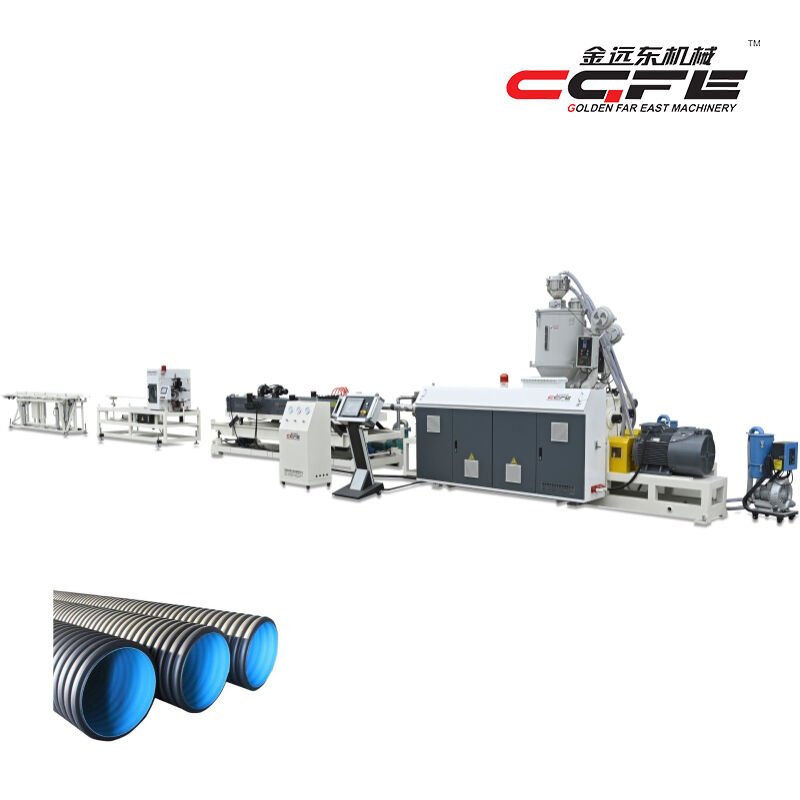
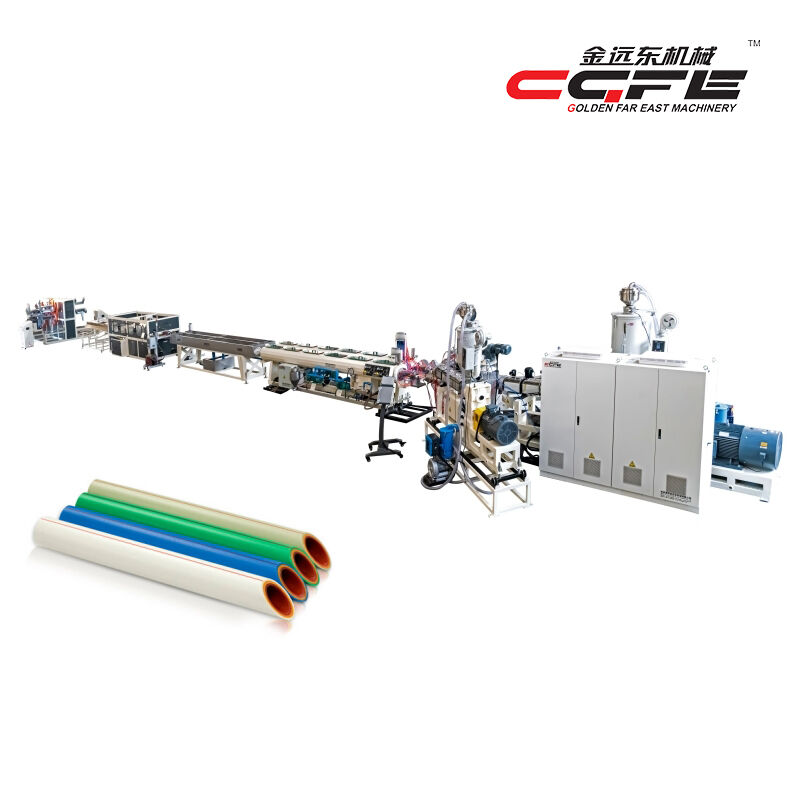
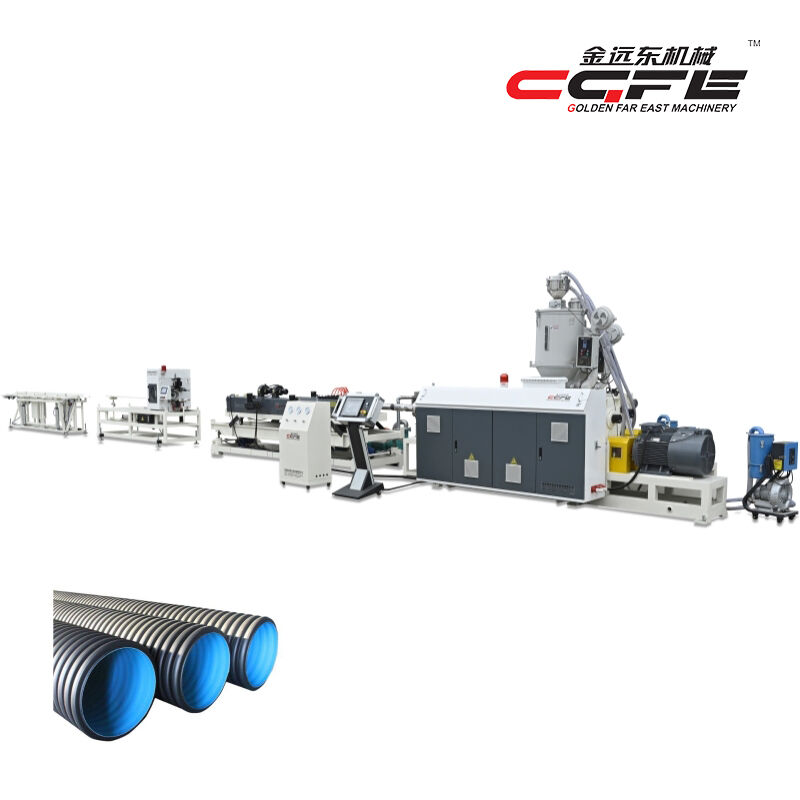
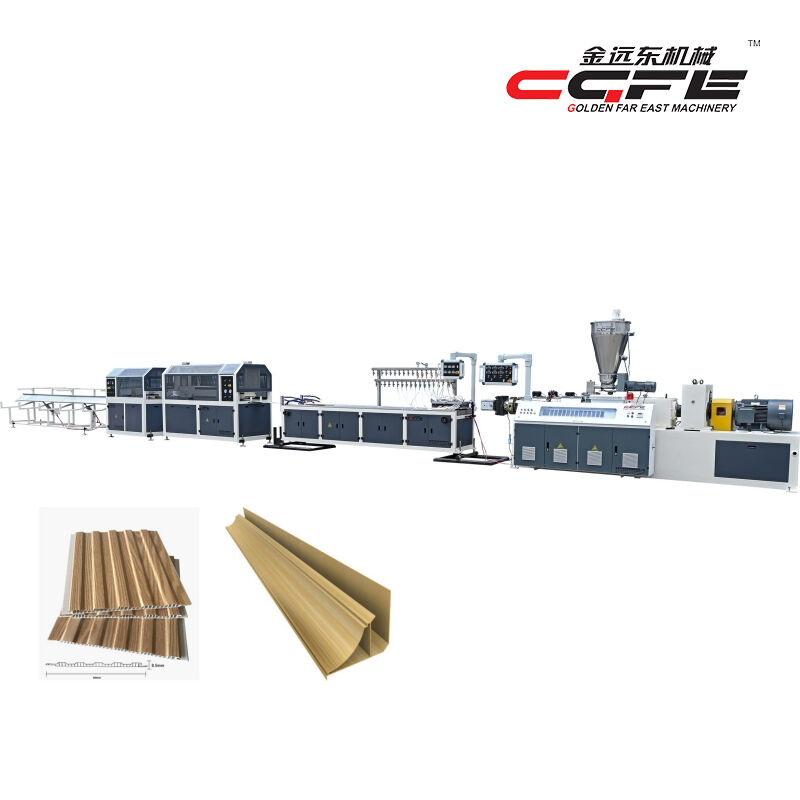
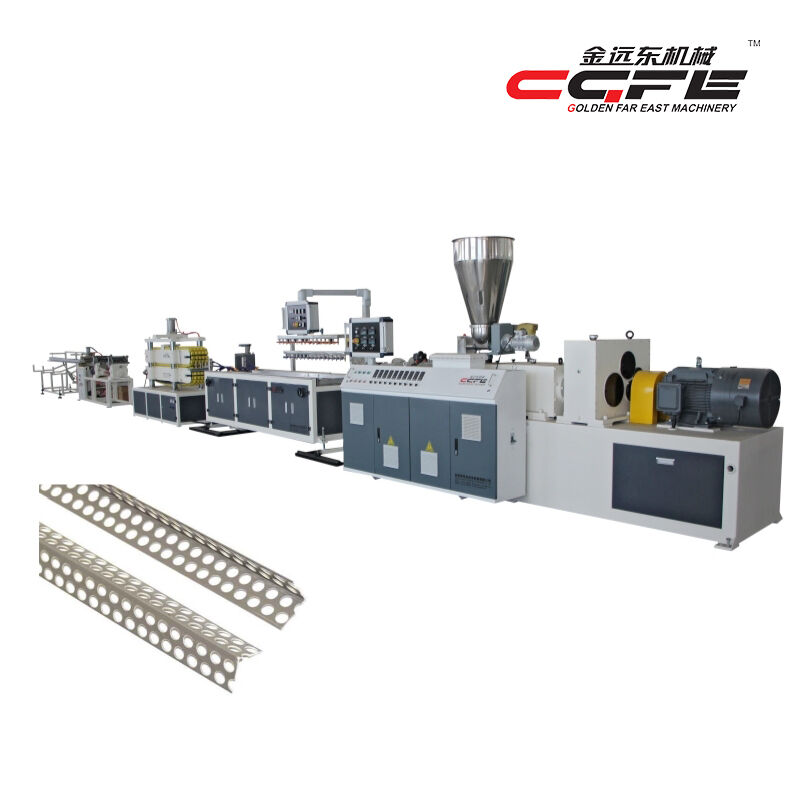
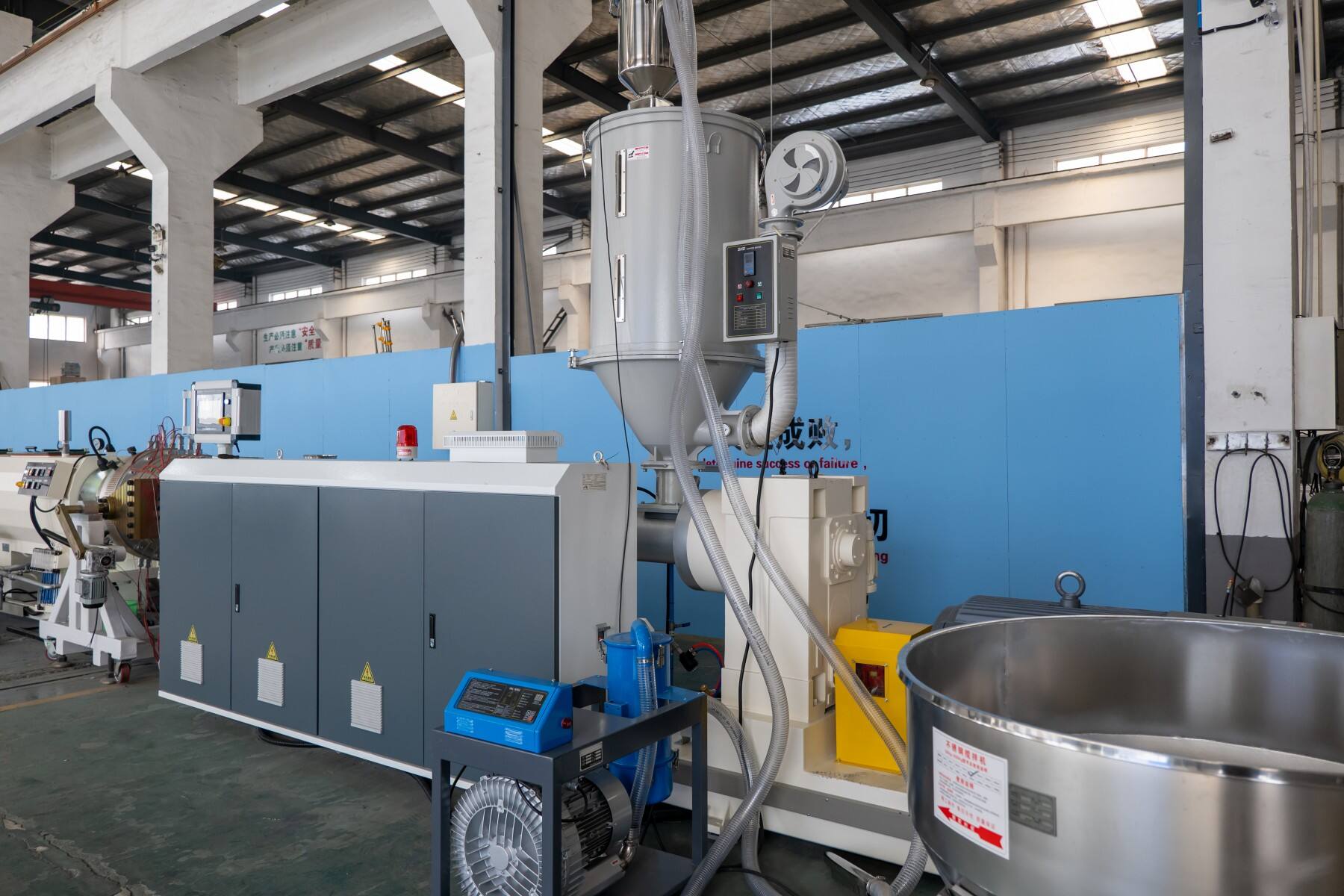
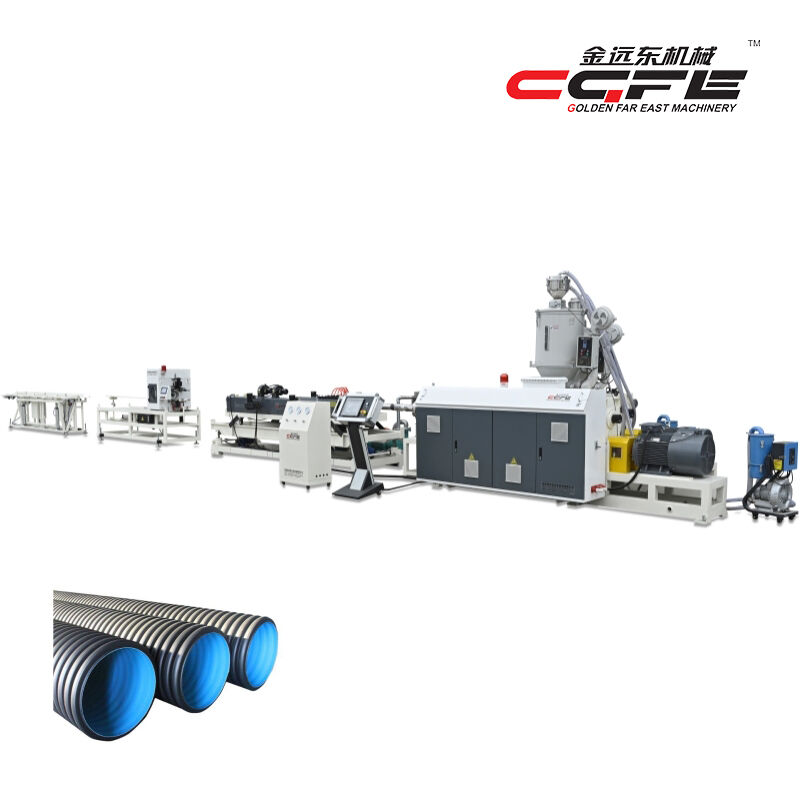
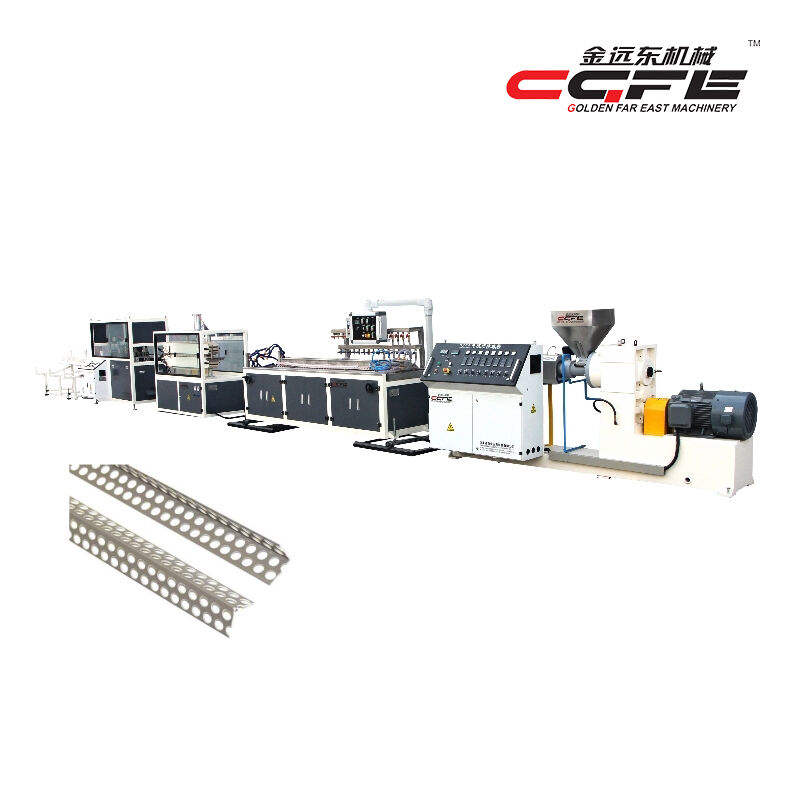
The PVC profile extrusion line represents a sophisticated manufacturing system designed to produce high-quality polyvinyl chloride profiles with exceptional precision and consistency. This advanced production equipment transforms raw PVC materials into finished profiles through a controlled heating, melting, and shaping process. The system operates by feeding PVC resin, additives, and stabilizers into an extruder where they are heated to optimal temperatures, thoroughly mixed, and forced through specially designed dies to create the desired profile shapes. Modern PVC profile extrusion lines incorporate state-of-the-art technology including servo-controlled systems, intelligent temperature monitoring, and automated calibration units that ensure dimensional accuracy throughout the production cycle. The technological features of these systems include variable speed drives that allow operators to adjust production rates based on specific requirements, multi-zone temperature control systems that maintain optimal processing conditions, and sophisticated cooling systems that ensure proper solidification of extruded profiles. These machines typically feature robust steel construction with precision-machined components that deliver long-term reliability and minimal maintenance requirements. The calibration system uses vacuum technology and water cooling to maintain exact dimensions while preventing warpage or deformation during the cooling process. Applications for PVC profile extrusion lines span numerous industries including construction, automotive, furniture manufacturing, and architectural applications. In construction, these systems produce window frames, door profiles, siding panels, and decorative trim pieces that offer excellent weather resistance and durability. The automotive industry utilizes PVC profiles for interior components, weatherstripping, and protective moldings. Furniture manufacturers rely on these systems to create edge banding, decorative strips, and structural components. The versatility of PVC profile extrusion lines allows manufacturers to produce both standard and custom profiles, accommodating various cross-sectional designs, colors, and surface textures to meet specific customer requirements and industry standards.
New Products

The PVC profile extrusion line offers numerous practical benefits that directly impact manufacturing efficiency and product quality. These systems deliver exceptional energy efficiency through optimized heating zones and intelligent temperature control, reducing operational costs while maintaining consistent output quality. The automated features significantly reduce labor requirements, allowing operators to manage multiple production runs with minimal intervention. This automation translates to lower production costs and improved safety conditions for workers. The precision engineering of modern PVC profile extrusion lines ensures superior dimensional accuracy, eliminating costly rework and material waste that commonly occurs with less sophisticated equipment. Manufacturers benefit from faster setup times due to quick-change tooling systems and standardized operating procedures that minimize downtime between different profile runs. The robust construction of these machines provides exceptional durability, often operating continuously for years with minimal maintenance requirements, which maximizes return on investment. Quality control systems integrated into the production line monitor critical parameters in real-time, immediately alerting operators to any deviations that could affect product quality. This proactive approach prevents defective products from entering the market and maintains customer satisfaction. The flexibility of PVC profile extrusion lines allows manufacturers to respond quickly to changing market demands by switching between different profile designs without extensive retooling. Environmental benefits include reduced material waste through precise material metering and recycling capabilities that allow manufacturers to reprocess trim and reject materials. The clean operation of modern systems minimizes emissions and creates a healthier work environment. Production scalability enables manufacturers to increase output capacity by adding additional lines or upgrading existing equipment without completely restructuring their facilities. Cost-effectiveness extends beyond initial equipment investment through reduced material consumption, lower energy usage, and decreased labor costs. The reliable operation of these systems ensures consistent delivery schedules, helping manufacturers maintain strong customer relationships and competitive positioning. Technical support and training programs provided by equipment manufacturers help operators maximize system performance and troubleshoot issues quickly. The standardized design of major components simplifies maintenance procedures and reduces spare parts inventory requirements.

Latest News

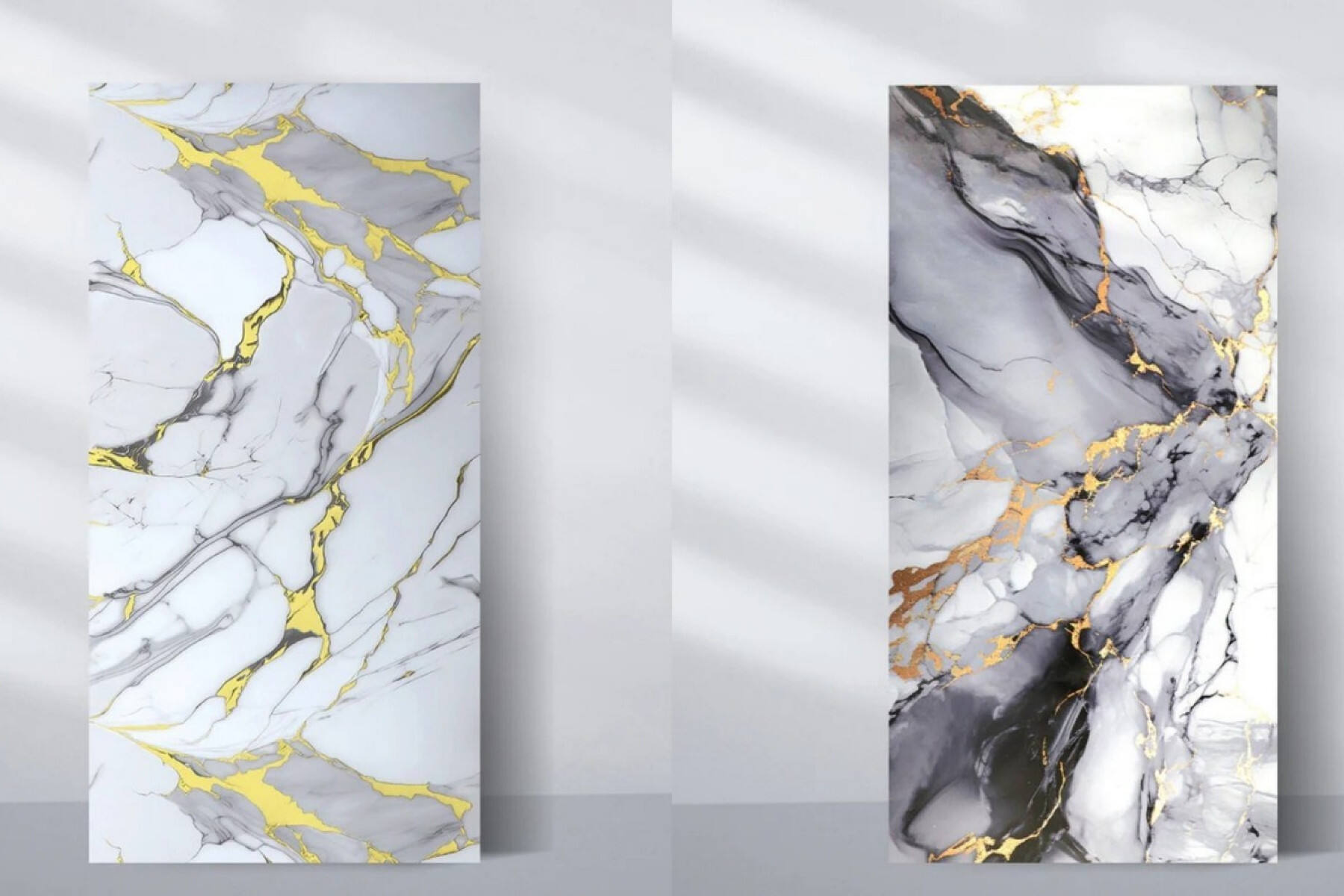
PVC  marble sheet production line-creating a new choice for high-quality decoration

15

Dec

PVC marble sheet production line-creating a new choice for high-quality decoration

View More
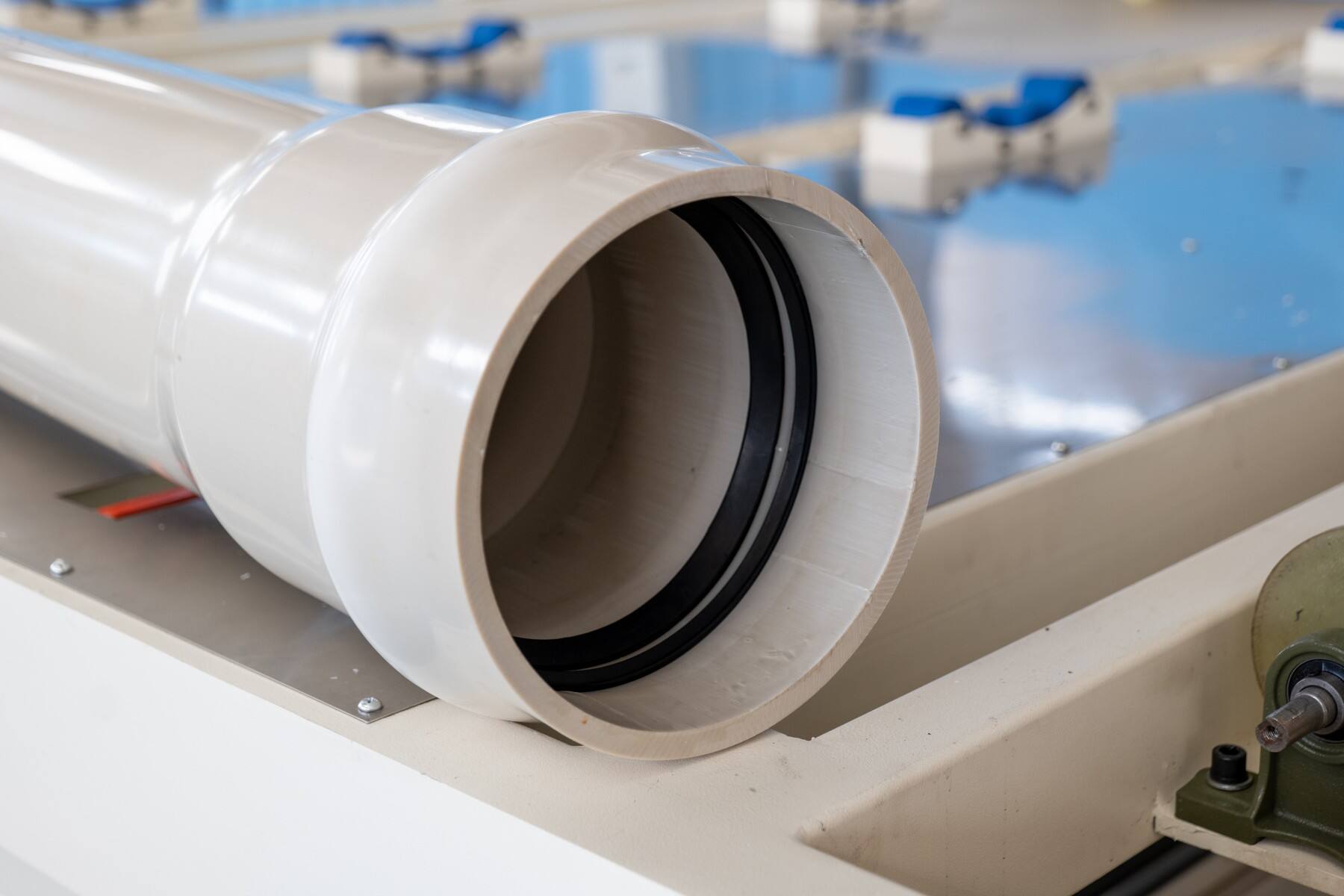
Optimizing Production with PVC Pipe Extrusion Machine Lines

15

Dec

Optimizing Production with PVC Pipe Extrusion Machine Lines

View More
Optimizing Performance and Sustainability in PE Pipe Extrusion: Innovations and Best Practices

15

Dec

Optimizing Performance and Sustainability in PE Pipe Extrusion: Innovations and Best Practices

View More

Get a Free Quote

Our representative will contact you soon.
Email
Name
Company Name
Message
0/1000

pvc profile extrusion line

Advanced Temperature Control and Processing Technology

Advanced Temperature Control and Processing Technology

The sophisticated temperature control system represents one of the most critical advantages of modern PVC profile extrusion lines, directly impacting product quality and operational efficiency. This technology employs multi-zone heating elements with independent temperature regulation that allows precise control over material processing conditions throughout the entire extrusion process. Each heating zone can be adjusted individually to optimize material flow characteristics, ensuring proper plasticization while preventing thermal degradation of the PVC material. The system utilizes advanced PID controllers that continuously monitor and adjust temperatures based on real-time feedback from multiple sensors positioned strategically along the barrel. This precise temperature management prevents common issues such as material burning, incomplete melting, or inconsistent melt quality that can compromise the final product. The technology includes adaptive heating algorithms that automatically compensate for variations in ambient temperature, material properties, and production speeds. Thermal insulation systems minimize heat loss and improve energy efficiency while maintaining stable processing conditions. The cooling systems work in conjunction with heating elements to provide rapid temperature transitions when changing between different materials or colors, reducing purging time and material waste. Emergency shutdown procedures include rapid cooling capabilities that protect both equipment and materials in case of unexpected interruptions. The temperature control technology extends to the die system where heated manifolds ensure uniform material distribution across the entire profile cross-section. This comprehensive thermal management creates optimal conditions for producing profiles with excellent surface finish, consistent wall thickness, and superior mechanical properties. Operators benefit from intuitive touchscreen interfaces that display real-time temperature data and allow easy adjustments without interrupting production. Historical temperature data logging enables process optimization and troubleshooting while supporting quality management systems. The integration of temperature control with other system parameters creates a synergistic effect that maximizes overall equipment effectiveness and product consistency.
Precision Calibration and Dimensional Accuracy Systems

Precision Calibration and Dimensional Accuracy Systems

The calibration system in modern PVC profile extrusion lines delivers unparalleled dimensional accuracy through sophisticated vacuum forming and cooling technology that ensures consistent profile geometry throughout production runs. This system employs precision-machined calibration sleeves that maintain exact internal and external dimensions while the extruded profile cools and solidifies. The vacuum calibration process creates negative pressure that draws the hot profile against the calibration surfaces, preventing shrinkage and maintaining tight tolerances that meet or exceed industry standards. Water cooling circuits integrated into the calibration system provide controlled heat removal that prevents thermal stress and warpage while ensuring uniform cooling rates across the entire profile cross-section. The modular design of calibration systems allows manufacturers to quickly change between different profile configurations without extensive downtime or complex adjustments. Pneumatic positioning systems enable precise alignment of calibration components, ensuring consistent results even when switching between production runs. The cooling water temperature control system maintains optimal thermal conditions that prevent both overcooling, which can cause brittleness, and undercooling, which can result in dimensional instability. Spray cooling systems provide additional thermal management for complex profiles or high-speed production requirements. The calibration system includes automatic sizing adjustments that compensate for material variations or environmental changes, maintaining consistent output dimensions without manual intervention. Quality monitoring sensors continuously measure critical dimensions and provide immediate feedback to operators when adjustments are needed. The precision engineering of calibration components ensures long service life with minimal wear, reducing maintenance costs and production interruptions. Interchangeable calibration inserts allow manufacturers to produce multiple profile variations using the same basic equipment platform, maximizing flexibility and return on investment. The system design incorporates easy access for cleaning and maintenance, ensuring optimal performance and extended equipment life. Advanced materials used in calibration components provide excellent wear resistance and thermal stability, maintaining accuracy over extended production periods.
Automated Control Systems and Smart Manufacturing Integration

Automated Control Systems and Smart Manufacturing Integration

The intelligent automation capabilities of contemporary PVC profile extrusion lines revolutionize manufacturing efficiency through integrated control systems that manage every aspect of the production process with minimal human intervention. These sophisticated systems employ programmable logic controllers that coordinate multiple machine functions including material feeding, temperature regulation, speed control, and quality monitoring in perfect synchronization. The human-machine interface provides operators with comprehensive process visualization through high-resolution touchscreen displays that present real-time production data, alarm notifications, and performance metrics in easily understood formats. Recipe management systems store optimized processing parameters for different profile types, enabling rapid changeovers and consistent quality regardless of operator experience levels. The automation extends to material handling through integrated conveyor systems, automatic cutting units, and robotic stacking systems that minimize manual labor while improving workplace safety. Predictive maintenance algorithms analyze equipment performance data to identify potential issues before they cause production interruptions, reducing unplanned downtime and maintenance costs. The control system interfaces seamlessly with enterprise resource planning software, providing production managers with accurate scheduling information and inventory tracking capabilities. Remote monitoring capabilities allow technical support teams to diagnose problems and provide assistance without on-site visits, reducing response times and minimizing production losses. Data logging functions create comprehensive production records that support quality management systems and regulatory compliance requirements. The system includes automatic start-up and shutdown sequences that ensure safe and efficient operation while protecting equipment from damage due to improper procedures. Energy management features optimize power consumption by adjusting heating and cooling systems based on production requirements and ambient conditions. Statistical process control functions continuously analyze production data to identify trends and variations that might affect product quality. The modular software architecture allows for future upgrades and customization without disrupting existing operations. Integration capabilities support Industry 4.0 initiatives by connecting production equipment to broader manufacturing networks and enabling advanced analytics that drive continuous improvement initiatives.

Get a Free Quote

Our representative will contact you soon.
Email
Name
Company Name
Message
0/1000