Comprehensive Automation and Control Systems
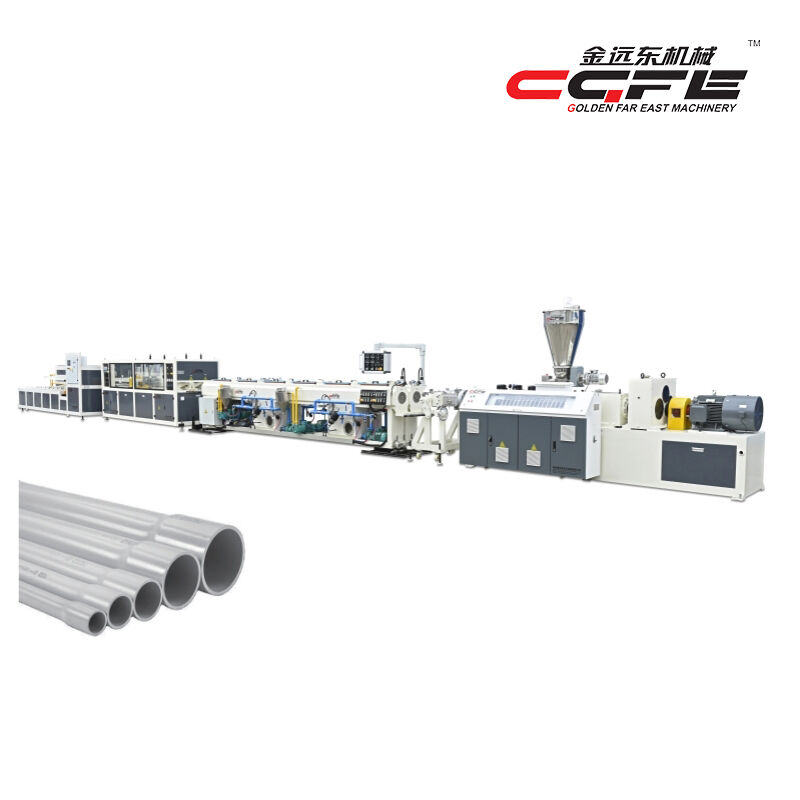
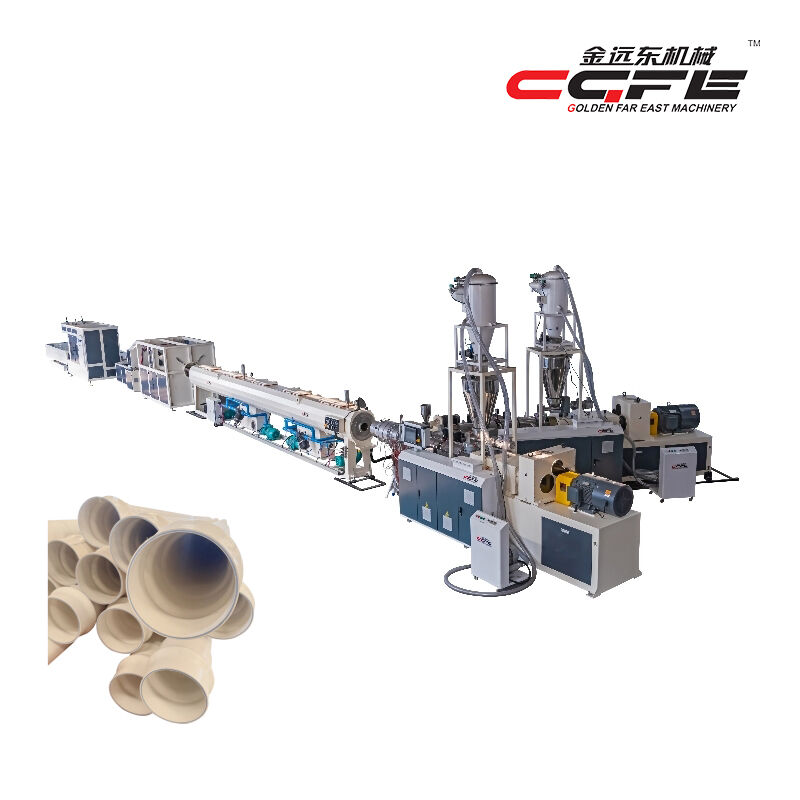
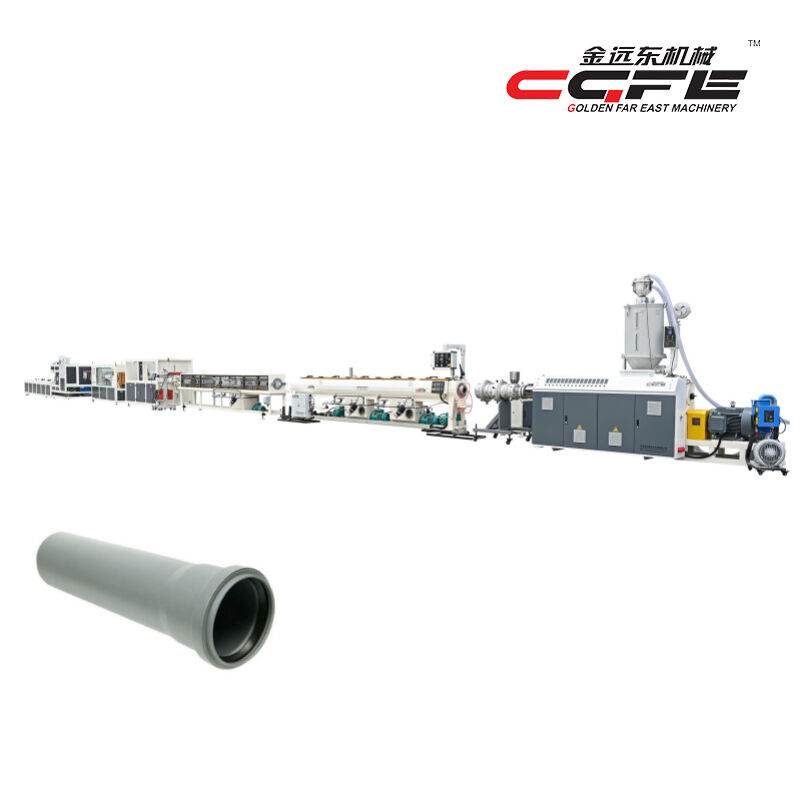
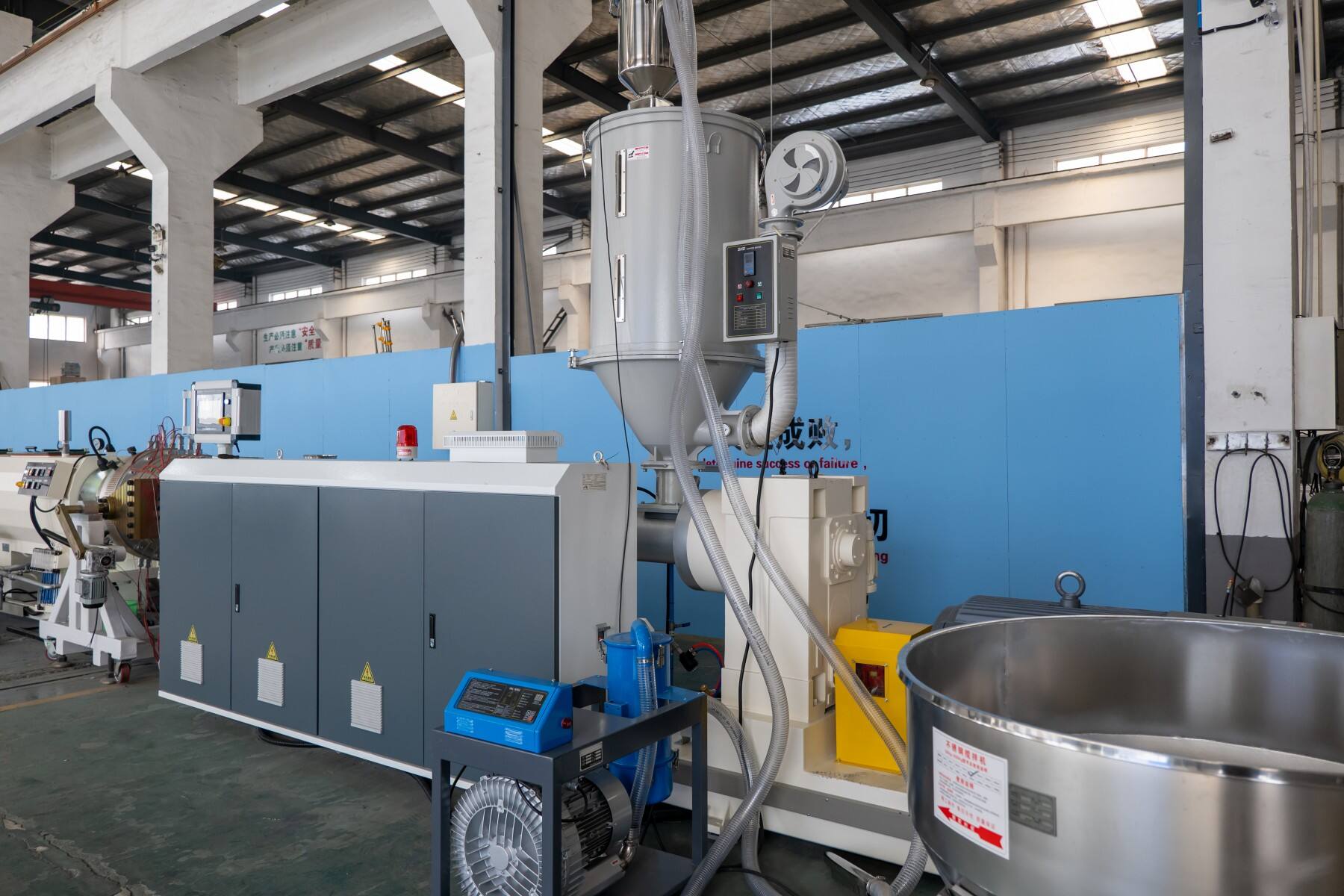
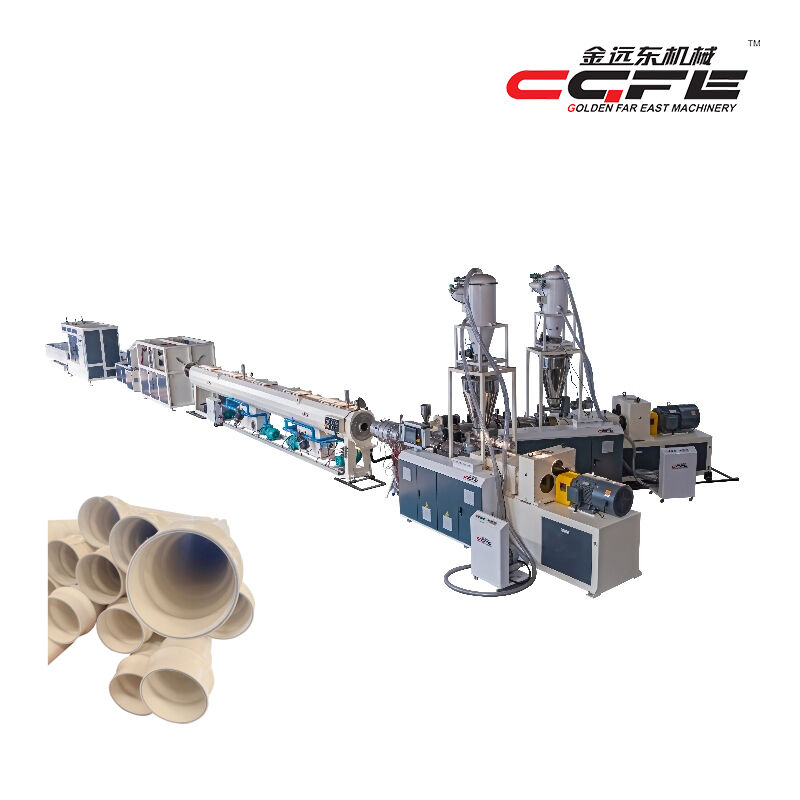
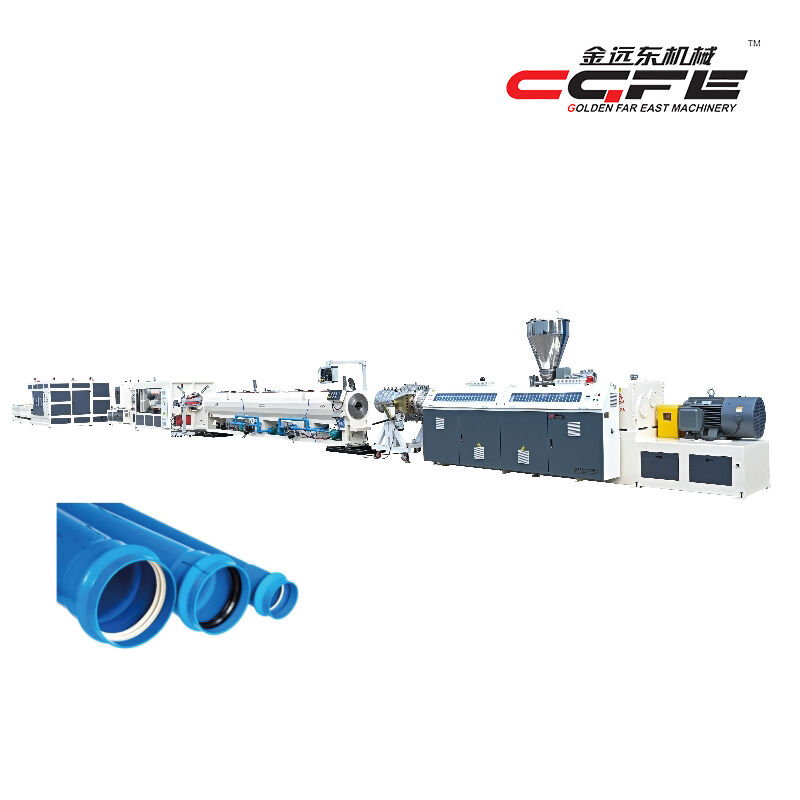
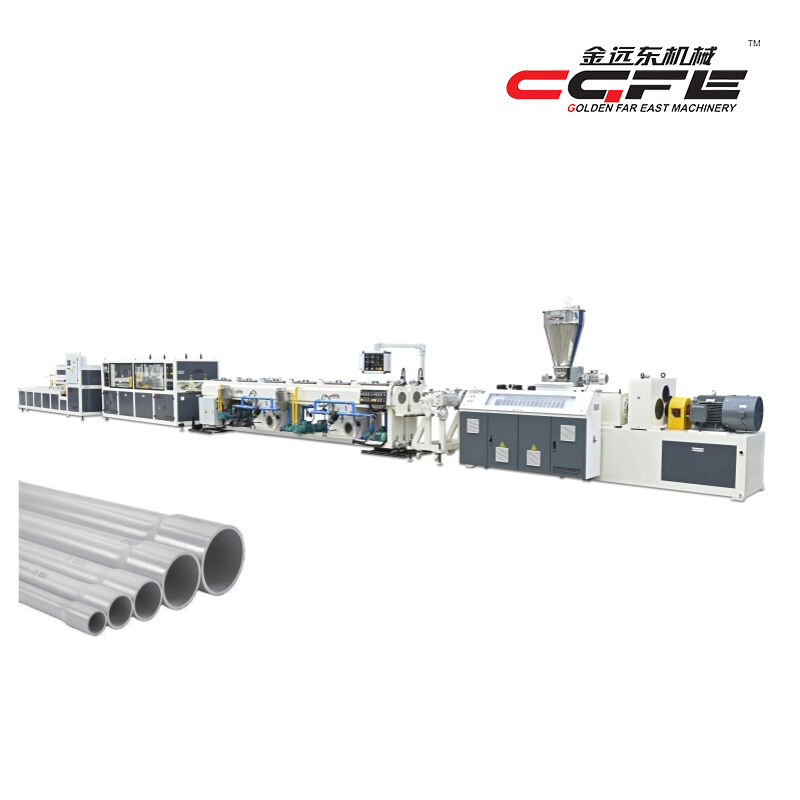
The PVC twin pipe production line features comprehensive automation and control systems that optimize manufacturing efficiency while ensuring consistent product quality and operational safety. These sophisticated control systems integrate multiple sensors, actuators, and monitoring devices throughout the production line, creating a fully automated manufacturing environment that minimizes human intervention and maximizes precision. The central control unit processes real-time data from temperature sensors, pressure transducers, speed encoders, and quality monitoring devices, automatically adjusting processing parameters to maintain optimal production conditions. Touch-screen interfaces provide operators with intuitive control over all production aspects, displaying critical process information and enabling quick parameter adjustments when necessary. The automation system includes advanced recipe management capabilities that store proven processing parameters for different pipe specifications, allowing rapid changeovers between product variants without manual recalibration. Safety interlocks and emergency shutdown systems protect equipment and personnel while preventing costly damage during unexpected operational events. The control system monitors material consumption rates and automatically adjusts feeding systems to maintain consistent material flow and minimize waste. Production scheduling algorithms optimize line utilization by coordinating material preparation, processing sequences, and finished product handling to maximize throughput efficiency. Quality control automation includes dimensional measurement systems that continuously verify pipe specifications and trigger corrective actions when deviations occur. The system generates comprehensive production reports that document quality metrics, material usage, energy consumption, and operational efficiency data for analysis and improvement initiatives. Remote monitoring capabilities enable plant managers to oversee production operations from off-site locations, receiving alerts about operational status and potential issues requiring attention. Predictive maintenance algorithms analyze equipment performance data to schedule maintenance activities before component failures occur, minimizing unplanned downtime and extending equipment service life. The automation system supports integration with enterprise resource planning systems, enabling seamless coordination between production scheduling, inventory management, and customer order fulfillment processes.


 EN
EN