pvc corner production line makers
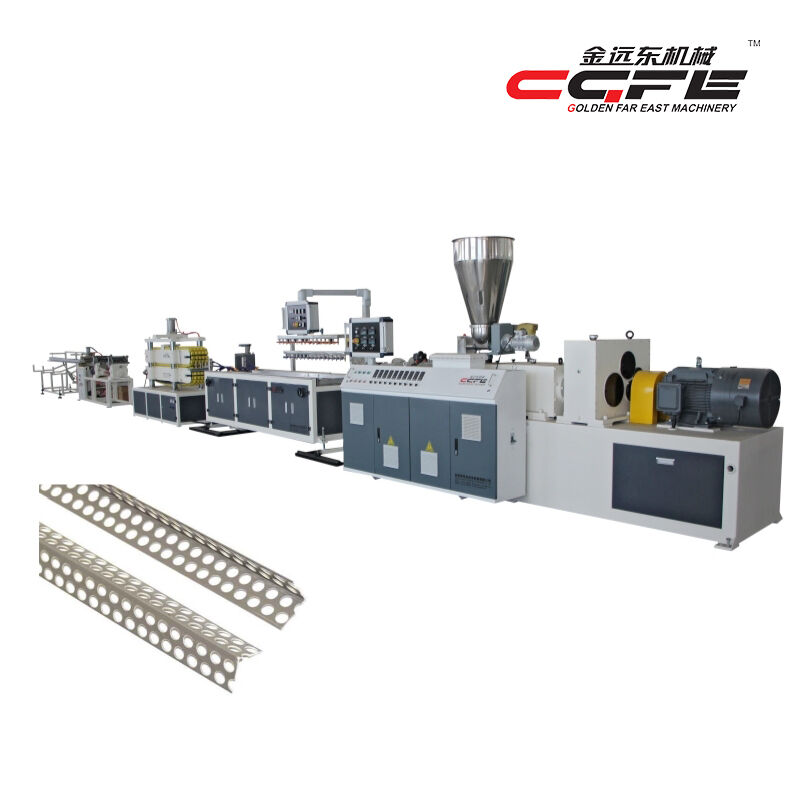
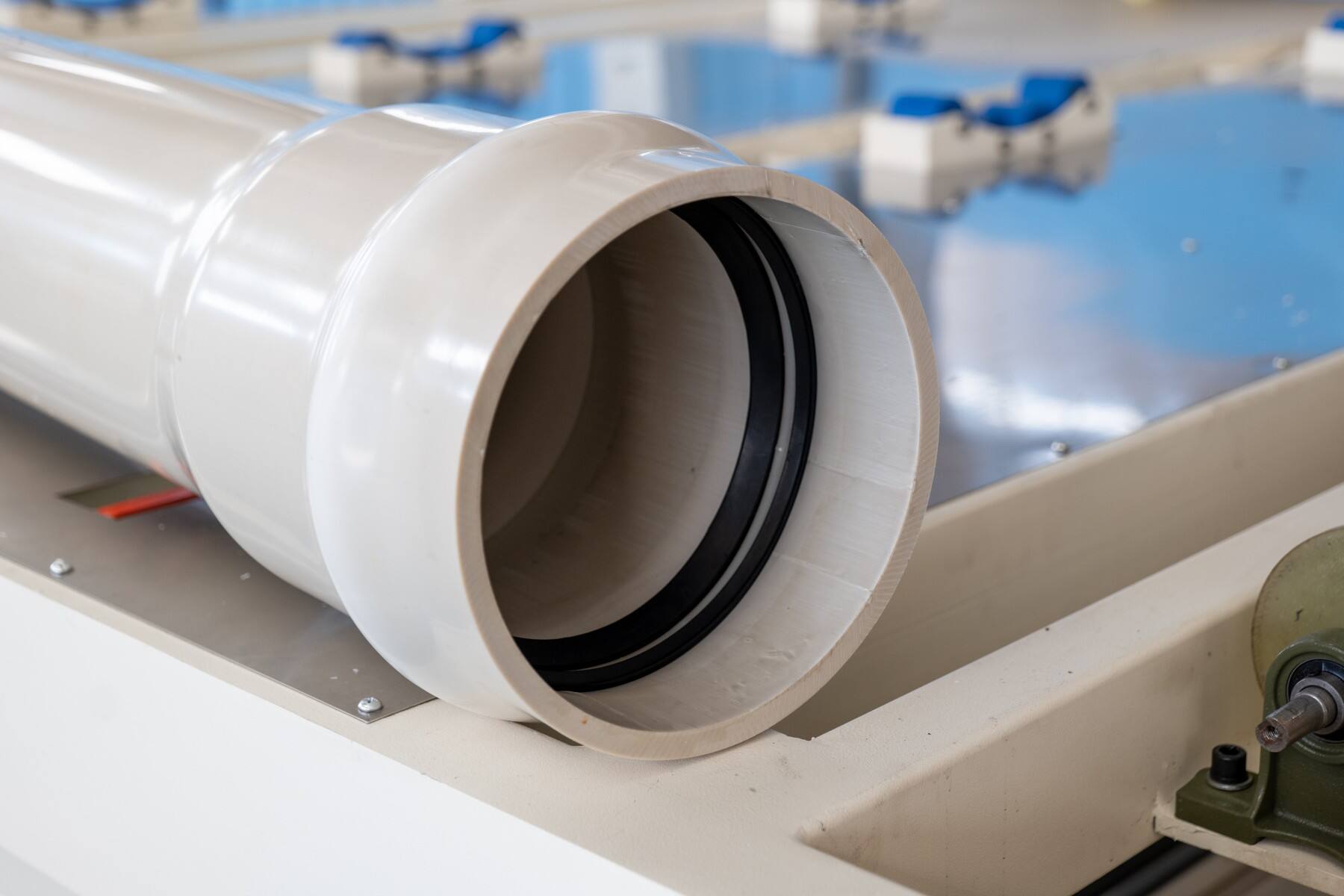
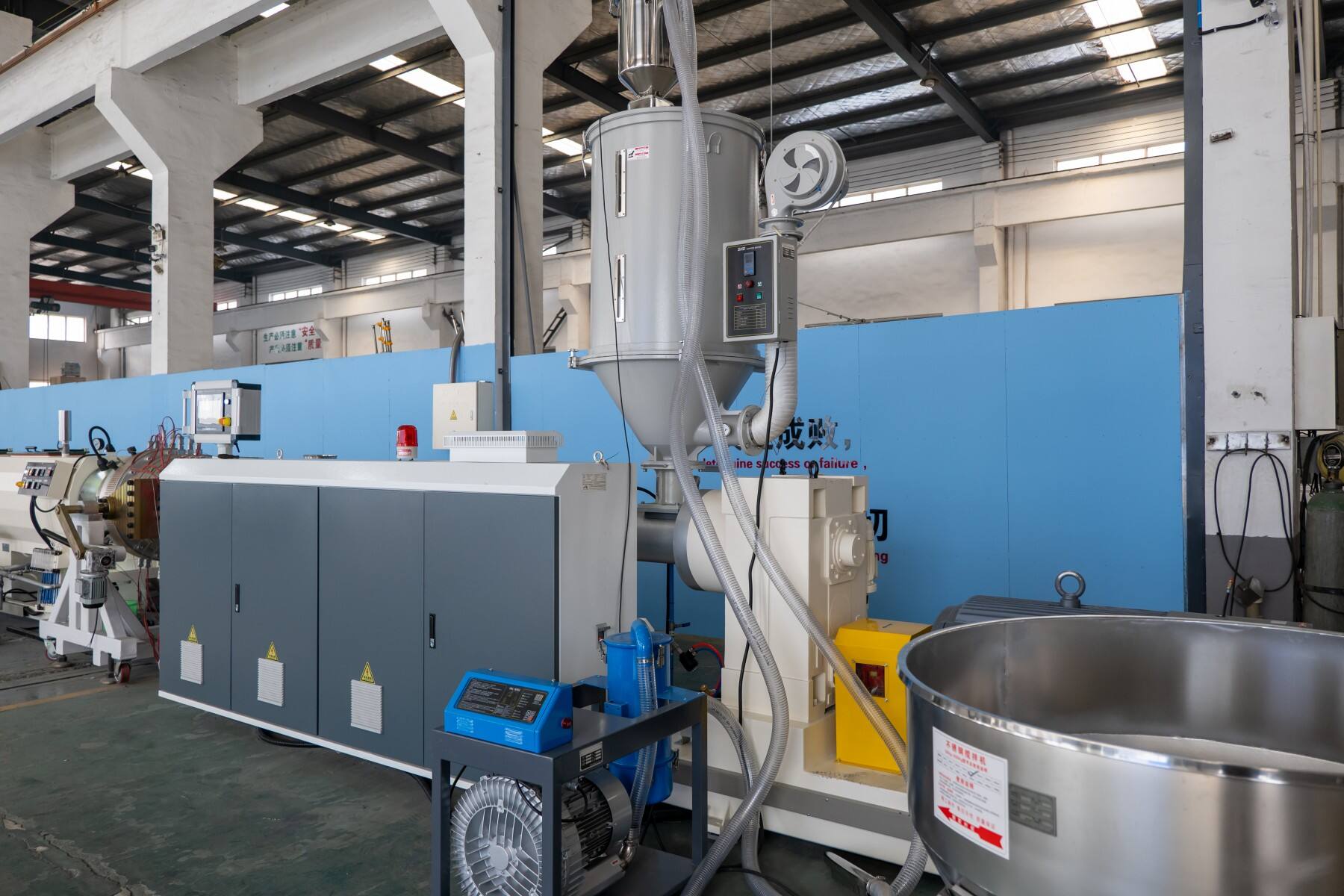
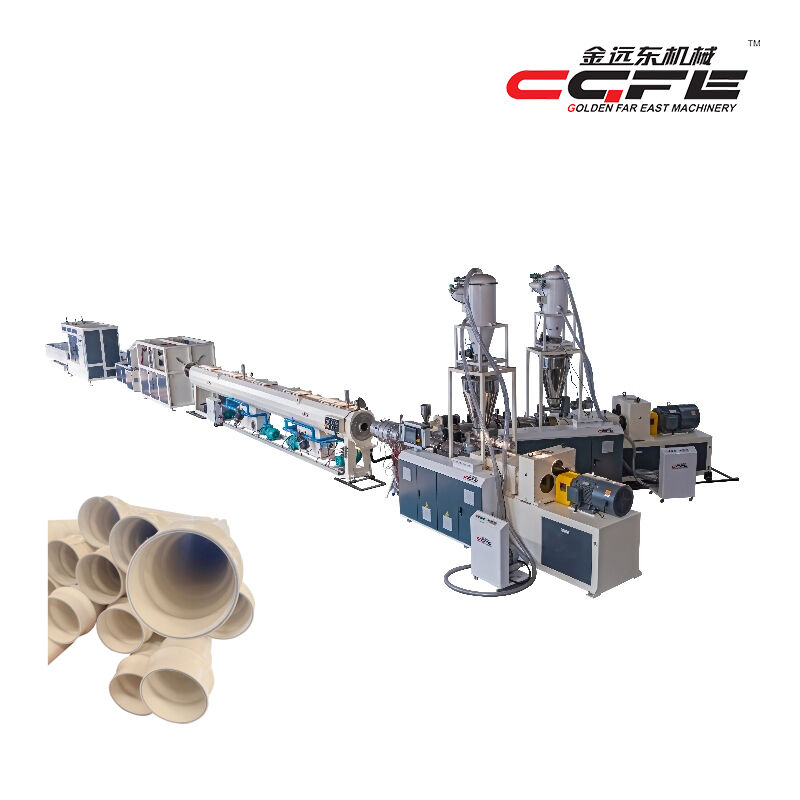
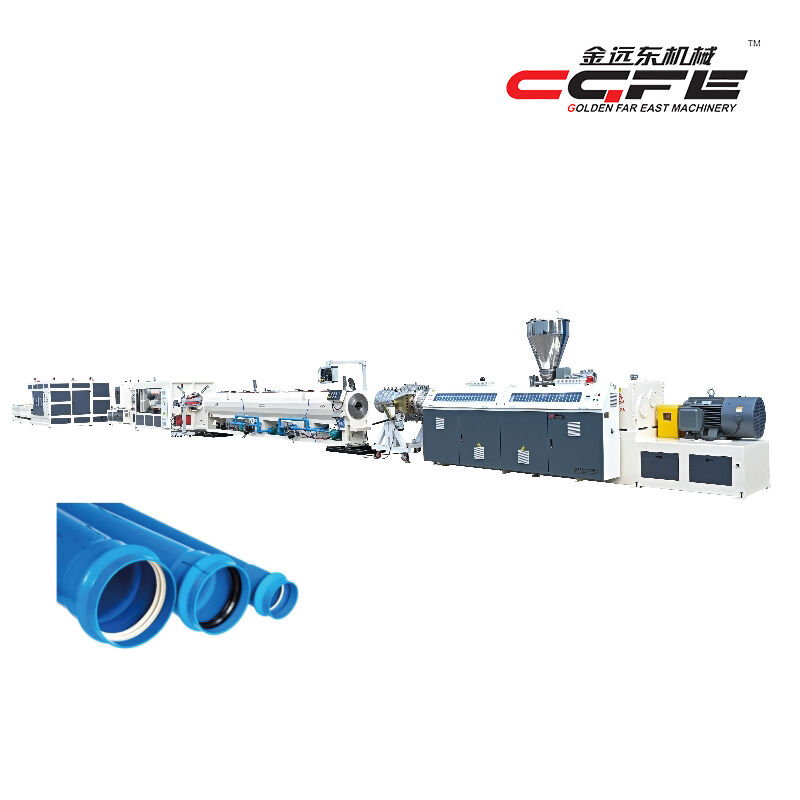
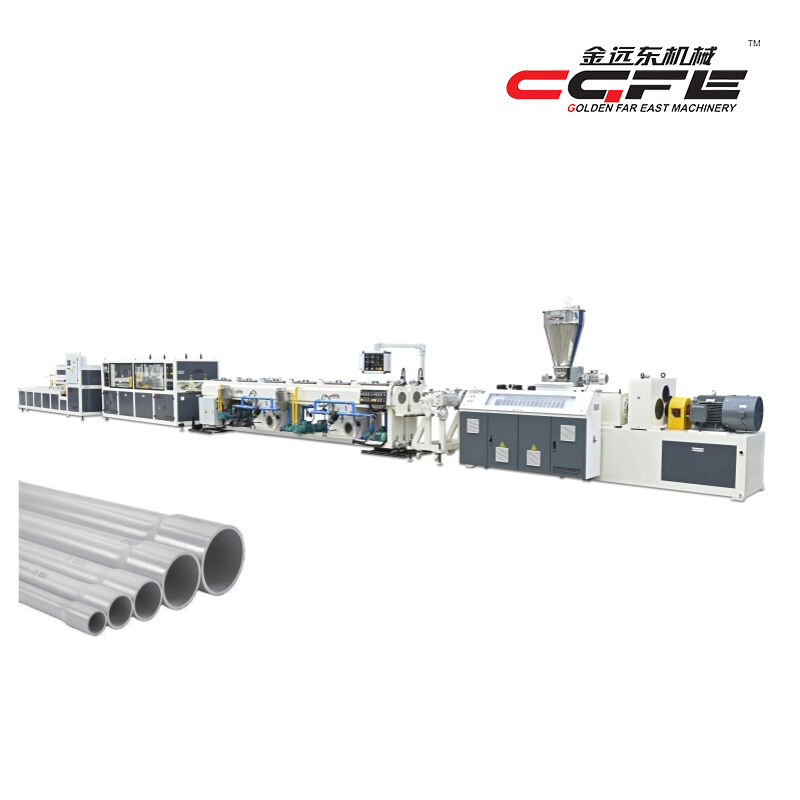
PVC corner production line makers represent sophisticated manufacturing systems designed to produce high-quality plastic corner profiles used extensively in construction, furniture, and architectural applications. These specialized production lines integrate advanced extrusion technology, precision cutting mechanisms, and automated quality control systems to deliver consistent corner profiles that meet stringent industry standards. The primary function of pvc corner production line makers involves melting PVC raw materials through controlled heating processes, shaping them through custom-designed dies, and cooling the extruded profiles to maintain dimensional stability. Modern pvc corner production line makers incorporate state-of-the-art temperature control systems that ensure uniform heating throughout the extrusion process, preventing material degradation and maintaining optimal flow characteristics. The technological features of these production systems include programmable logic controllers that manage every aspect of the manufacturing process, from material feeding to final product cutting and stacking. Advanced servo-driven cutting systems provide precise length control, while integrated cooling chambers ensure proper profile formation and dimensional accuracy. Many pvc corner production line makers feature modular designs that allow manufacturers to customize their systems based on specific production requirements and available floor space. The applications for products manufactured by pvc corner production line makers span numerous industries, including residential and commercial construction where corner profiles provide essential protection and finishing touches for drywall installations, window frames, and door assemblies. Furniture manufacturers utilize these corner profiles for edge protection and aesthetic enhancement of cabinets, tables, and storage solutions. The versatility of pvc corner production line makers enables production of various profile dimensions and configurations, accommodating different market demands and customer specifications. These systems typically incorporate energy-efficient heating elements and optimized cooling systems that reduce operational costs while maintaining high production speeds and consistent quality output.


 EN
EN