
 EN
EN

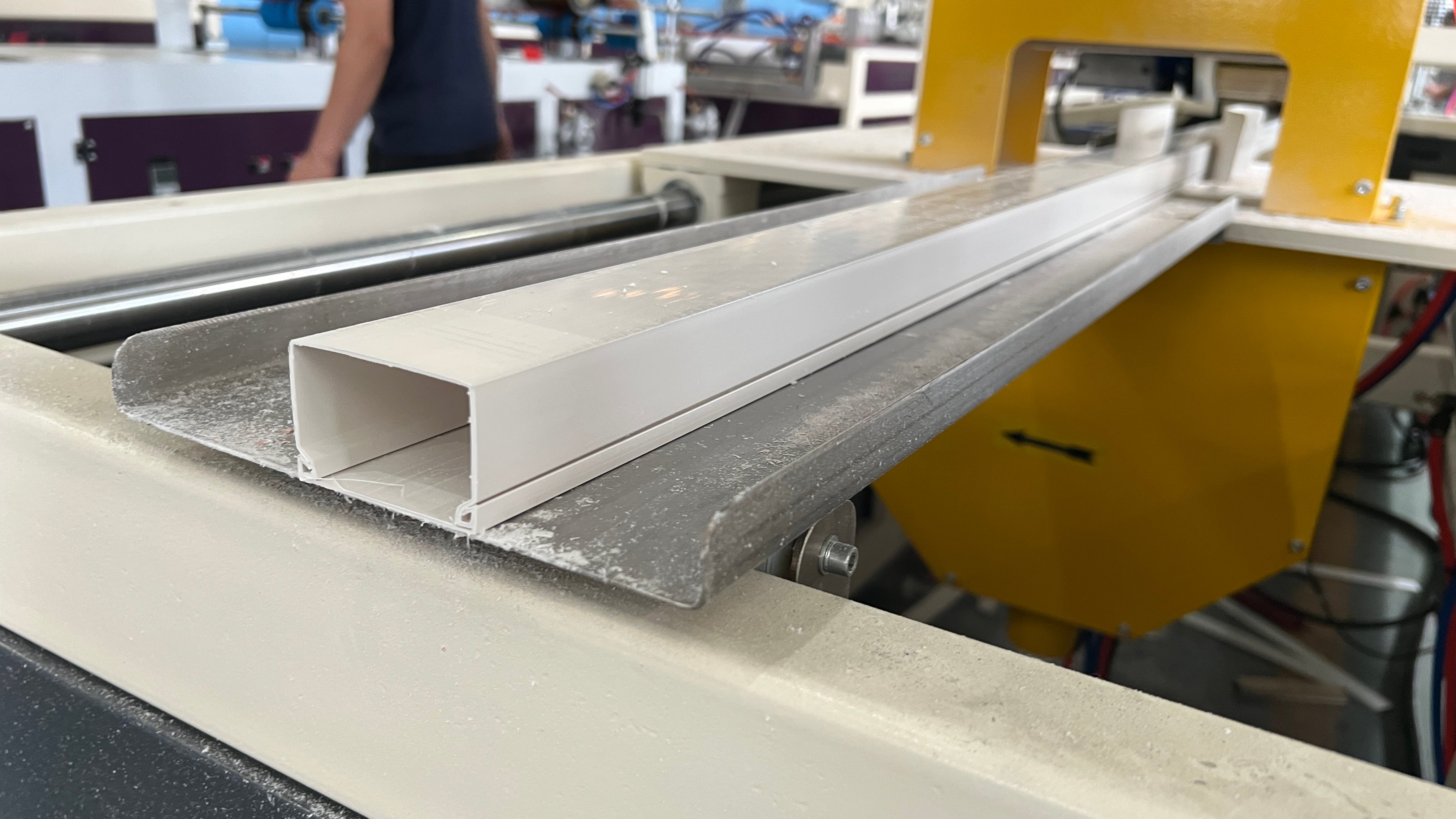
Knowing when to upgrade your pvc trunking production line is one of the most consequential decisions a cable management manufacturer can face. Delaying an upgrade too long means tolerating rising scrap rates, missed delivery windows, and energy costs that quietly erode your margins. Acting too early, on the other hand, ties up capital before the existing equipment has delivered its full value. The challenge is identifying the precise moment when the cost of staying still exceeds the cost of moving forward.
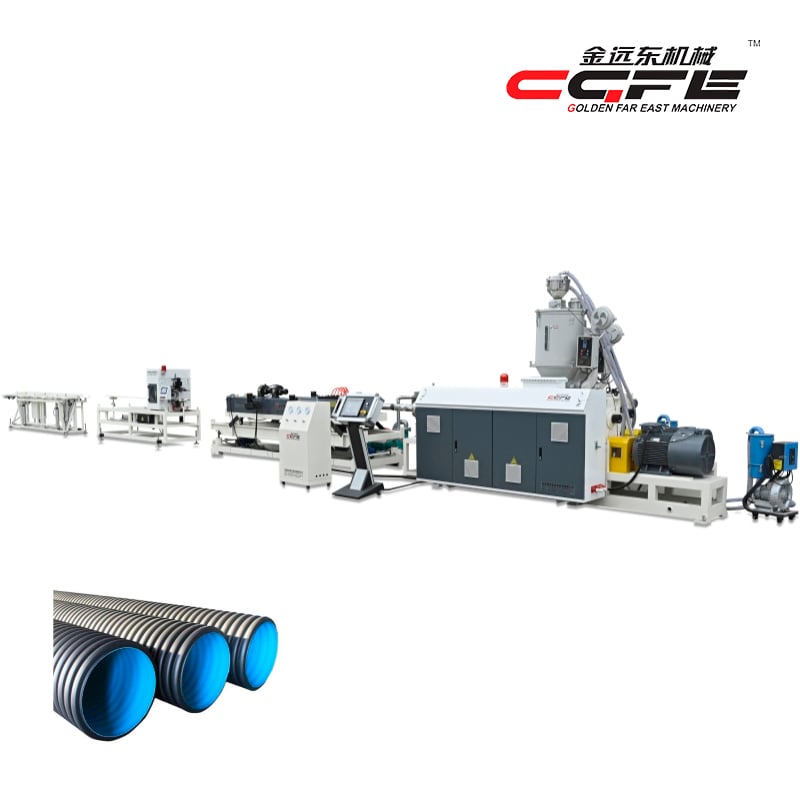
This article examines the concrete timing signals that indicate your pvc trunking production line has reached an upgrade threshold. Whether you operate a single-line facility or manage multiple extrusion systems, the decision framework presented here helps you evaluate readiness based on operational data, market demands, and technology gaps rather than guesswork. Each section maps directly to a different category of upgrade trigger so you can apply the guidance to your specific situation.
Operational Warning Signs on Your PVC Trunking Production Line
Declining Output Quality and Rising Scrap Rates
When a pvc trunking production line begins generating consistent dimensional deviations, surface defects, or brittle profiles, those symptoms rarely resolve themselves through minor adjustments. Worn extruder screws, degraded barrel linings, and aging calibration tooling all contribute to quality drift over time. If your scrap rate on the pvc trunking production line has climbed more than two percentage points above its historical baseline and corrective maintenance has not reversed that trend, the equipment is sending a clear signal. Continued operation under those conditions means passing quality risk to your customers and absorbing increasing rework costs that compound daily.
Unplanned Downtime Frequency
Every pvc trunking production line experiences occasional stoppages, but the pattern matters more than the total count. When unplanned downtime events on your pvc trunking production line occur more than twice per week on average, the underlying mechanical or electrical systems are likely approaching end-of-life. Spare parts availability becomes a secondary concern at that stage because even successfully repaired components tend to fail again quickly when surrounding systems are equally worn. Track mean time between failures on your pvc trunking production line over a rolling 90-day window. A shortening interval is one of the clearest upgrade timing signals available to operations managers.
Market Demand Shifts That Drive PVC Trunking Production Line Upgrades
New Profile Specifications and Customer Requirements
The cable management market regularly introduces new trunking dimensions, wall thickness standards, and surface finish requirements driven by building codes, infrastructure projects, and OEM specifications. If your current pvc trunking production line cannot accommodate these new profile dimensions without costly custom tooling changes that slow your response time, you are effectively ceding new contracts to competitors with more flexible equipment. A modern pvc trunking production line typically supports faster die changeovers, a broader dimensional range, and tighter tolerance control, all of which allow you to accept a wider variety of orders. When customer inquiries consistently reference specifications your current setup cannot meet, that is a market-driven upgrade signal you cannot afford to ignore.
Volume Growth That Outpaces Current Line Capacity
A pvc trunking production line operating at or above 90 percent of its rated capacity for more than three consecutive months is structurally unable to absorb demand spikes or accommodate new order volumes. Running at that utilization level also accelerates mechanical wear because the equipment has no recovery time between production cycles. Before adding a second pvc trunking production line, evaluate whether upgrading to a higher-output single line is more cost-effective given your floor space, labor structure, and order mix. In many cases, upgrading your pvc trunking production line to a newer, faster platform delivers better capital efficiency than duplicating an aging system.
Technology Gaps That Justify a PVC Trunking Production Line Investment
Energy Consumption Benchmarks
Energy is one of the largest variable costs in any pvc trunking production line, and the gap between legacy equipment and current-generation systems can be substantial. Older extruder drives, resistive heating zones, and inefficient cooling systems consume significantly more electricity per kilogram of output than modern servo-driven, inverter-controlled pvc trunking production line configurations. If your current pvc trunking production line energy cost per unit produced has not decreased over the past three years despite process optimizations, the equipment itself is the constraint. Calculate your current kilowatt-hours per kilogram of trunking output and compare it against published benchmarks for current-generation pvc trunking production line systems. A gap of 15 percent or more typically justifies a financial feasibility study for replacement.
Absence of Process Monitoring and Automation
Modern pvc trunking production line platforms incorporate inline thickness gauging, melt pressure feedback loops, automatic haul-off speed correction, and centralized HMI control. If your pvc trunking production line relies on manual sampling intervals, operator-adjusted parameters, and paper-based quality logs, you are operating without the data infrastructure needed to meet ISO process documentation requirements or customer audit standards. Beyond compliance, the absence of real-time monitoring on your pvc trunking production line means quality deviations go undetected for longer, increasing scrap and rework exposure. Automation gaps are particularly relevant when your workforce is scaling or when experienced operators retire and institutional process knowledge is lost.
FAQ
How long does a typical pvc trunking production line last before needing replacement?
A well-maintained pvc trunking production line can operate effectively for 10 to 15 years under normal production conditions. However, actual service life depends on shift hours, material throughput, maintenance quality, and how aggressively the line has been run at capacity. Lines operated on three-shift continuous cycles typically reach upgrade consideration earlier than those running single or double shifts. Chronological age alone is less meaningful than the operational metrics discussed in this article, including scrap rates, downtime frequency, and energy consumption per unit of output.
Is it better to refurbish an existing pvc trunking production line or invest in a new one?
Refurbishment makes financial sense when the core extruder barrel, screw geometry, and main drive are still within specification and the performance gaps are isolated to peripheral systems such as haul-offs, cutters, or control panels. When wear affects the core of the pvc trunking production line and the refurbishment cost exceeds 50 to 60 percent of a new system price, full replacement usually delivers better long-term value through improved efficiency, warranty coverage, and technology alignment. A detailed condition audit by a qualified equipment engineer is the most reliable basis for this decision.
What production data should I collect before deciding to upgrade my pvc trunking production line?
Before initiating an upgrade evaluation for your pvc trunking production line, collect at minimum 90 days of data covering scrap rate by shift, unplanned downtime hours and causes, energy consumption per kilogram of output, order rejection rates linked to dimensional tolerances, and maintenance labor hours per week. This dataset creates a quantified performance baseline for your pvc trunking production line and allows you to calculate the true cost of continued operation versus the projected cost of upgrading. Without this data, upgrade decisions tend to be reactive rather than strategic, which increases the risk of either premature replacement or delayed action.