
 EN
EN

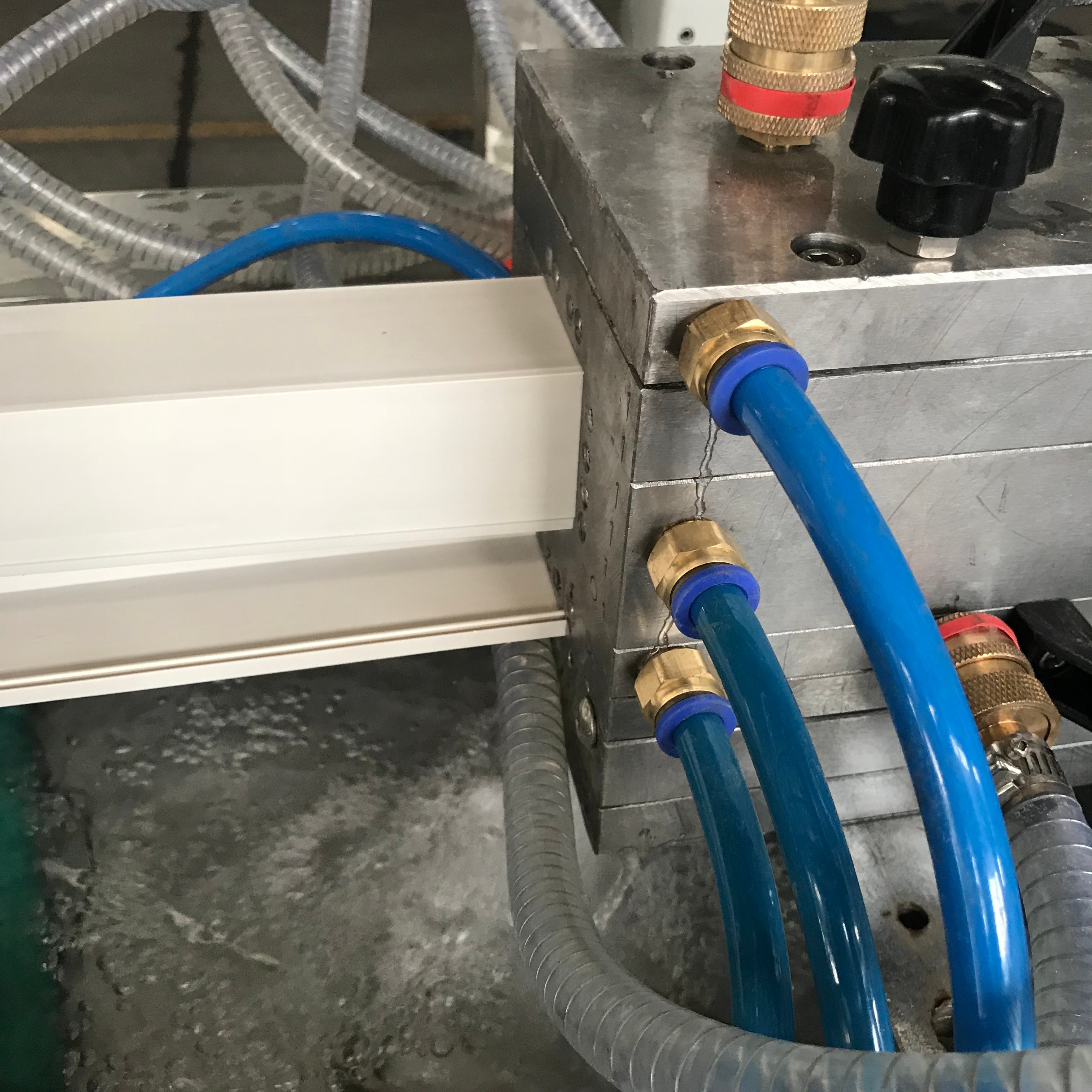
A pvc trunking production line is a specialized extrusion system designed to manufacture PVC cable management channels, also known as trunking or conduit profiles, used widely in electrical installations and building infrastructure. Understanding what this system is and how it operates is essential for manufacturers, procurement engineers, and facility planners who rely on consistent, high-quality trunking output at scale. The pvc trunking production line converts raw PVC compound into precisely shaped, dimensionally accurate profiles through a continuous thermal and mechanical process.
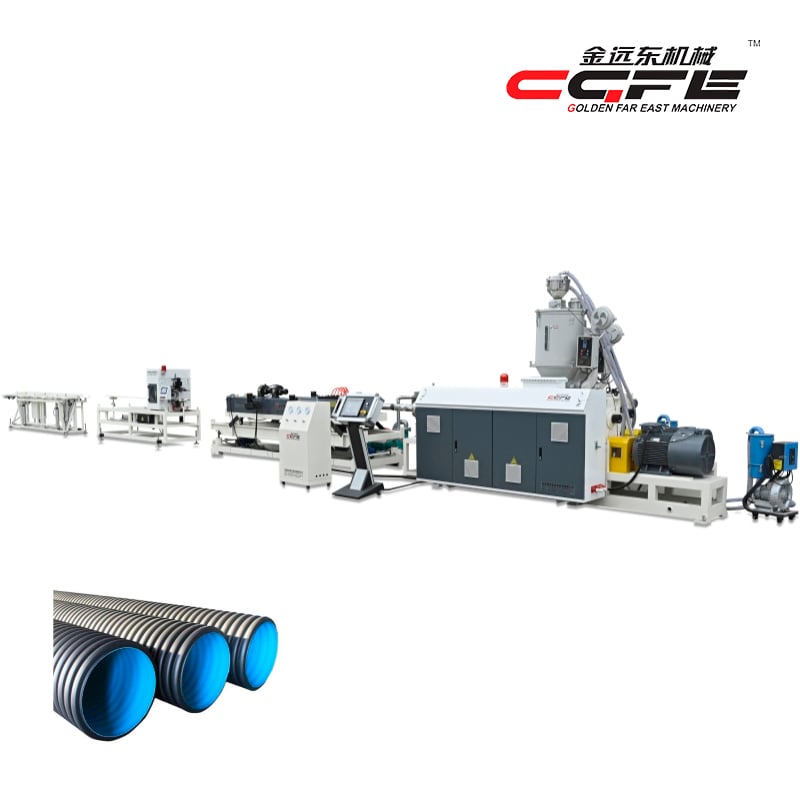
The pvc trunking production line is a core asset in the PVC profiles manufacturing sector. Whether producing slotted cable ducts, closed trunking channels, or multi-compartment conduit bodies, each pvc trunking production line must deliver uniform wall thickness, smooth surface finish, and tight dimensional tolerances. This article explains the key components, the operational workflow, and the quality assurance mechanisms that define a modern pvc trunking production line.
Core Components of a PVC Trunking Production Line
Raw Material Feeding and Mixing Unit
Every pvc trunking production line begins with the raw material preparation stage. PVC resin is blended with stabilizers, plasticizers, fillers, and pigments in a high-speed mixer to create a homogeneous compound. The accuracy of this blending stage directly determines the mechanical performance of trunking profiles. A properly configured pvc trunking production line includes gravimetric or volumetric dosing feeders that deliver consistent material ratios to the extruder hopper, minimizing variation between production batches.
Extruder and Die Head Assembly
The extruder is the processing heart of the pvc trunking production line. A single-screw or twin-screw extruder melts and homogenizes the PVC compound under controlled temperature and pressure before forcing the molten material through a precision-engineered die head. The die head defines the cross-sectional shape of the trunking profile. For a pvc trunking production line producing multi-compartment or snap-lid designs, the die tooling must be custom-engineered to match exact profile specifications. Temperature zones along the barrel and die must be precisely monitored to prevent degradation of the heat-sensitive PVC compound.
The Operational Workflow of a PVC Trunking Production Line
Cooling, Sizing, and Calibration
Once the molten PVC exits the die head, it enters the calibration and cooling section of the pvc trunking production line. A vacuum sizing tank draws the soft extrudate against calibration tooling, locking the profile into its precise final dimensions. Subsequent water-cooling tanks further solidify the material. The calibration stage is critical for any pvc trunking production line because trunking profiles must maintain flat bases, straight walls, and uniform channel widths to ensure reliable fitment of cable management clips and covers during installation.
Haul-Off, Cutting, and Stacking
After cooling, the continuous profile moves through a haul-off unit, which controls the pull speed and thereby regulates wall thickness consistency across the pvc trunking production line. Precise haul-off speed synchronization with extruder output is a defining operational parameter. The profile then reaches an automatic cutting saw, which cuts lengths to specification without stopping the line. A well-engineered pvc trunking production line integrates servo-driven or pneumatic cutters that produce clean, burr-free ends. Finished profiles are stacked or bundled automatically, ready for packaging and dispatch.
Control System and Process Monitoring
Modern versions of the pvc trunking production line use programmable logic controllers and touchscreen human-machine interfaces to manage all process variables from a single control panel. Operators can monitor barrel temperatures, screw speed, haul-off rate, and cut lengths in real time. Advanced pvc trunking production line configurations include inline dimensional gauges that provide continuous feedback, automatically adjusting parameters to maintain tolerance compliance without manual intervention. This level of automation reduces scrap rates and ensures the pvc trunking production line sustains output quality across long production runs.
Quality Assurance and Output Considerations
Material and Dimensional Standards
The output quality of a pvc trunking production line depends on both upstream material quality and downstream process discipline. Trunking profiles must meet flame-retardancy standards, impact resistance benchmarks, and dimensional specifications required by international electrical installation codes. A reliable pvc trunking production line is designed to accommodate UPVC compounds that meet these regulatory demands. Routine sampling and offline measurement complement the inline monitoring systems to verify that every batch from the pvc trunking production line conforms to customer and market requirements.
Flexibility and Product Range
A major operational advantage of a modern pvc trunking production line is its adaptability. By changing die tooling and adjusting process parameters, the same pvc trunking production line can produce a wide range of trunking sizes, from narrow 25mm single-compartment channels to wide 150mm multi-compartment industrial ducts. Tooling changeover procedures on a well-designed pvc trunking production line are engineered for speed and repeatability, allowing manufacturers to serve diverse customer specifications without major downtime. This flexibility makes the pvc trunking production line a versatile investment for both high-volume and mixed-product manufacturing environments.
FAQ
What materials are used in a pvc trunking production line?
A pvc trunking production line processes rigid or semi-rigid PVC compound formulated with heat stabilizers, lubricants, impact modifiers, and flame-retardant additives. The specific formulation is selected to meet the mechanical and regulatory requirements of the trunking profiles being produced.
How long does it take to set up a pvc trunking production line for a new profile?
Setup time for a new profile on a pvc trunking production line depends on the complexity of the tooling change and the extent of process parameter adjustments required. On modern lines with well-documented changeover procedures, a full die and calibration tooling change can typically be completed within two to four hours.
What output capacity can a pvc trunking production line achieve?
The output capacity of a pvc trunking production line varies based on profile size, wall thickness, and extruder screw diameter. Smaller profiles on a high-speed pvc trunking production line can be produced at linear speeds exceeding five meters per minute, while larger, thicker profiles run at lower speeds to ensure complete cooling and dimensional stability.