Advanced UPVC Pipe Extrusion Line Solutions - High-Performance Manufacturing Equipment

Get a Free Quote

Our representative will contact you soon.
Email
Name
Company Name
Message
0/1000

upvc pipe extrusion line

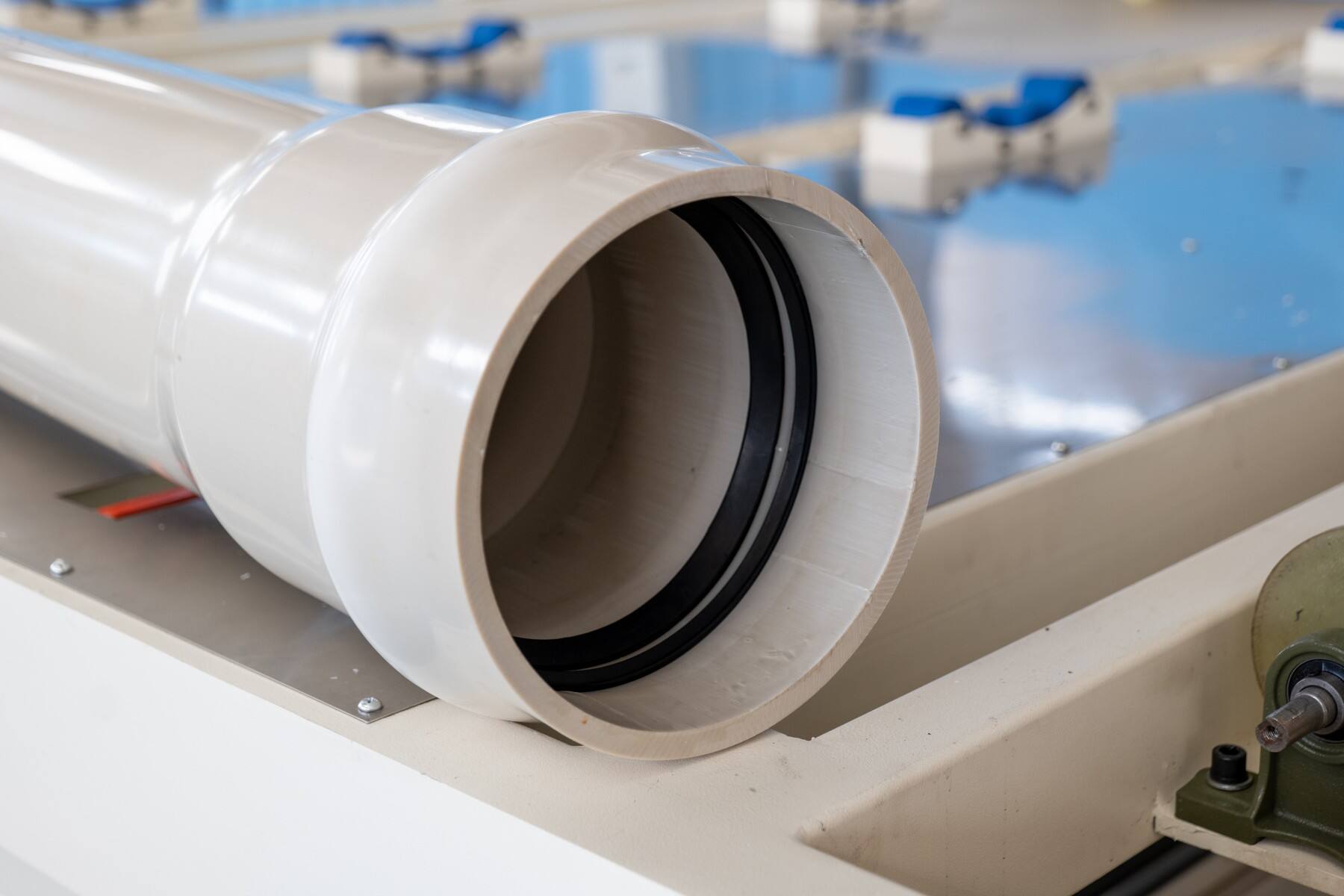
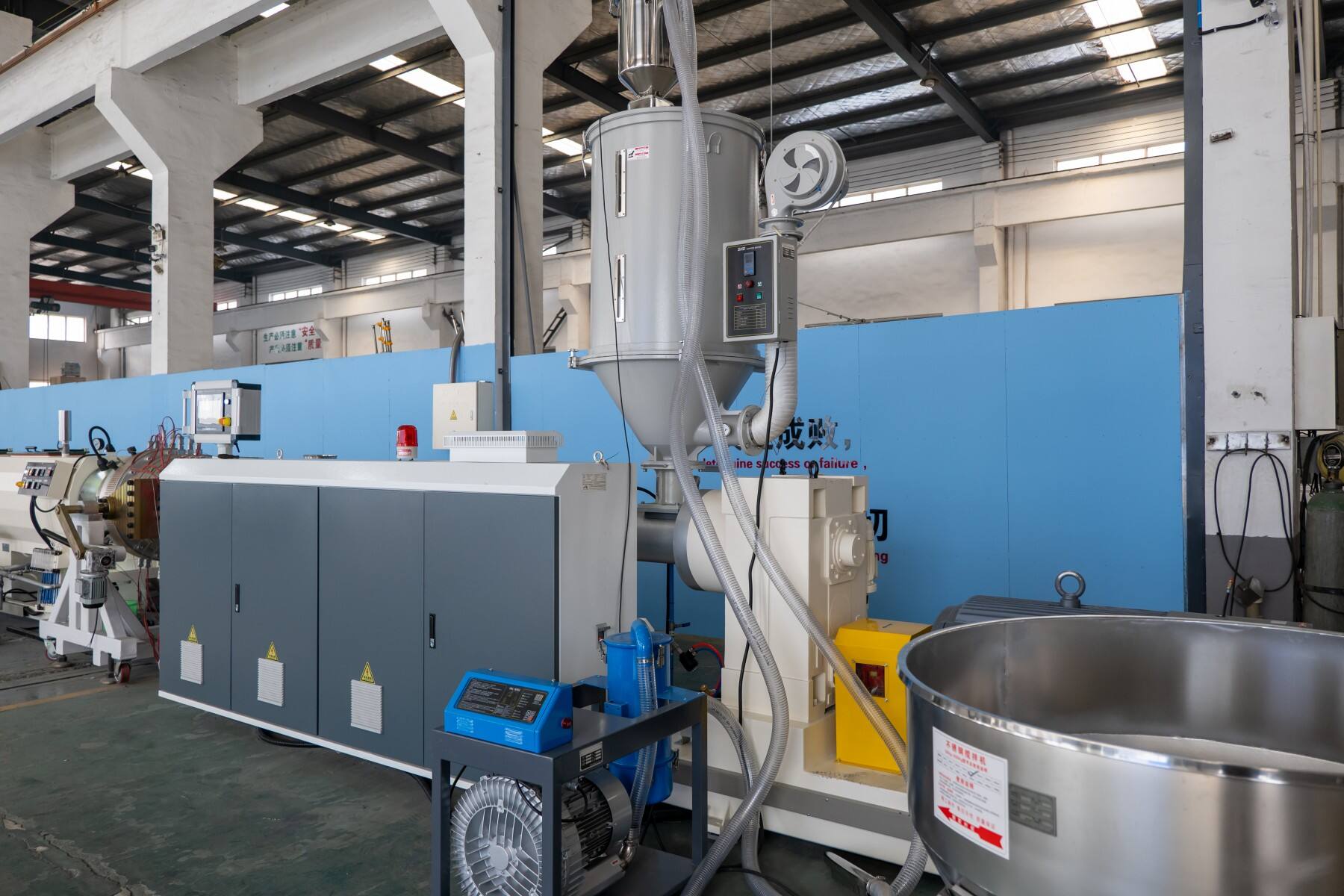
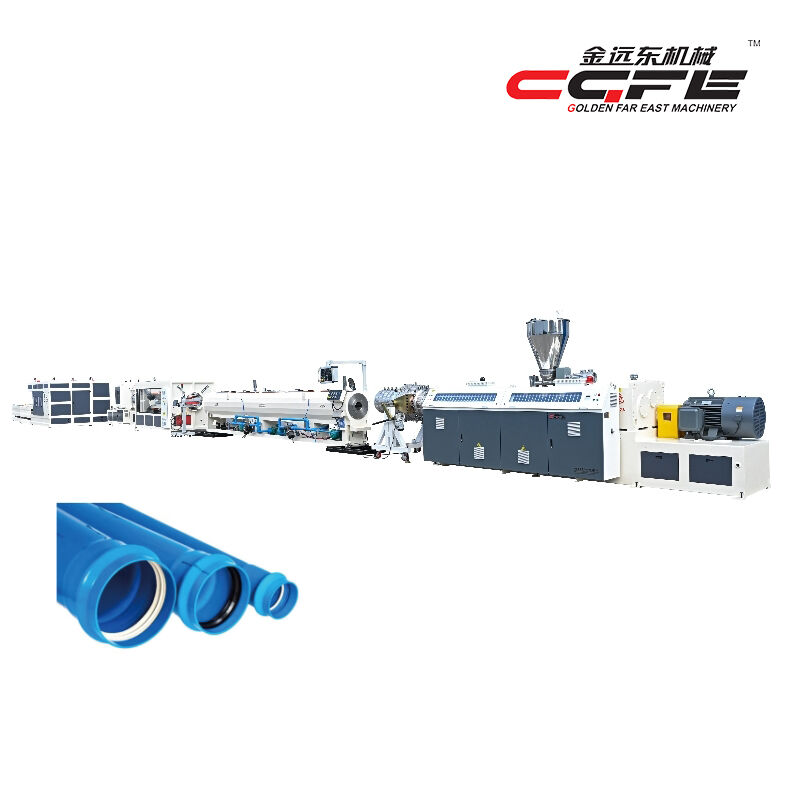
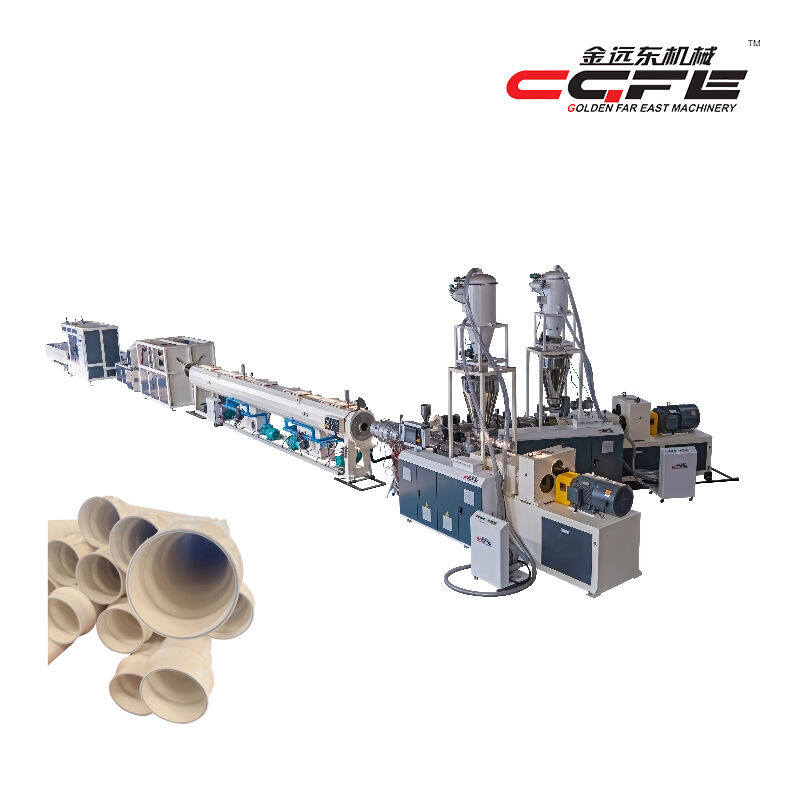
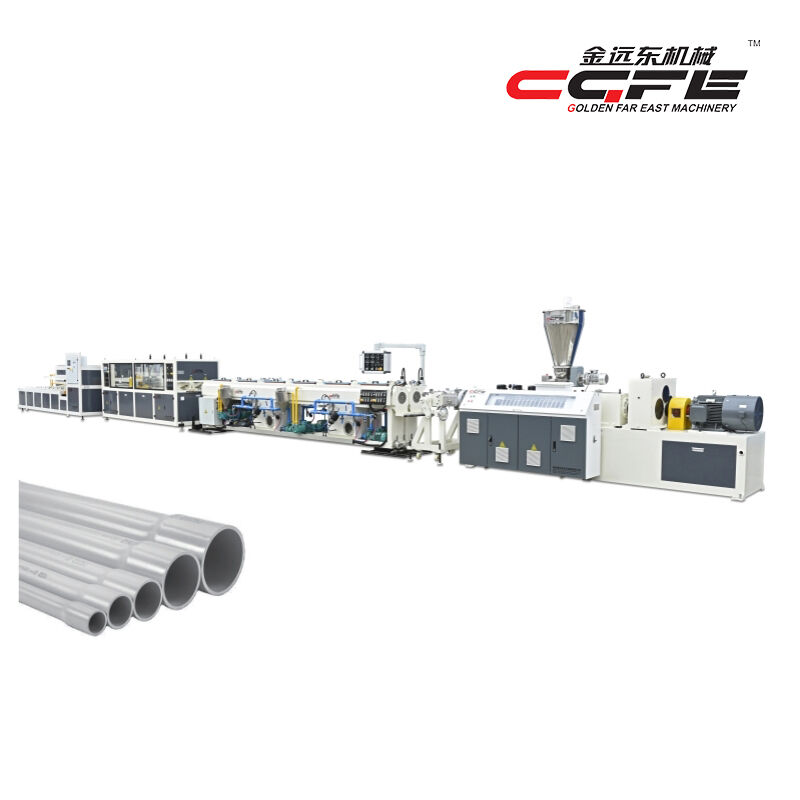
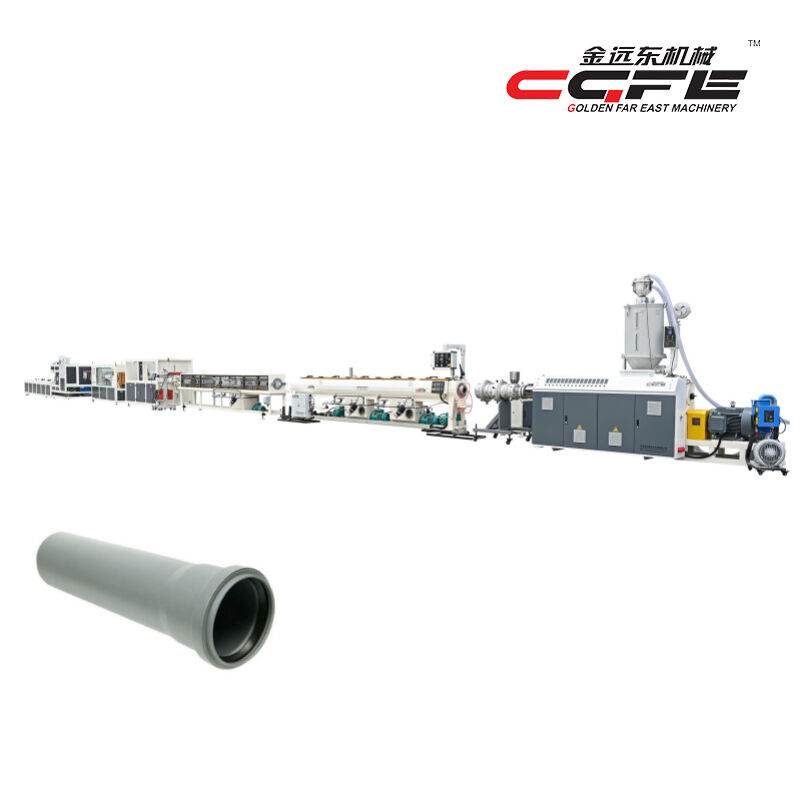
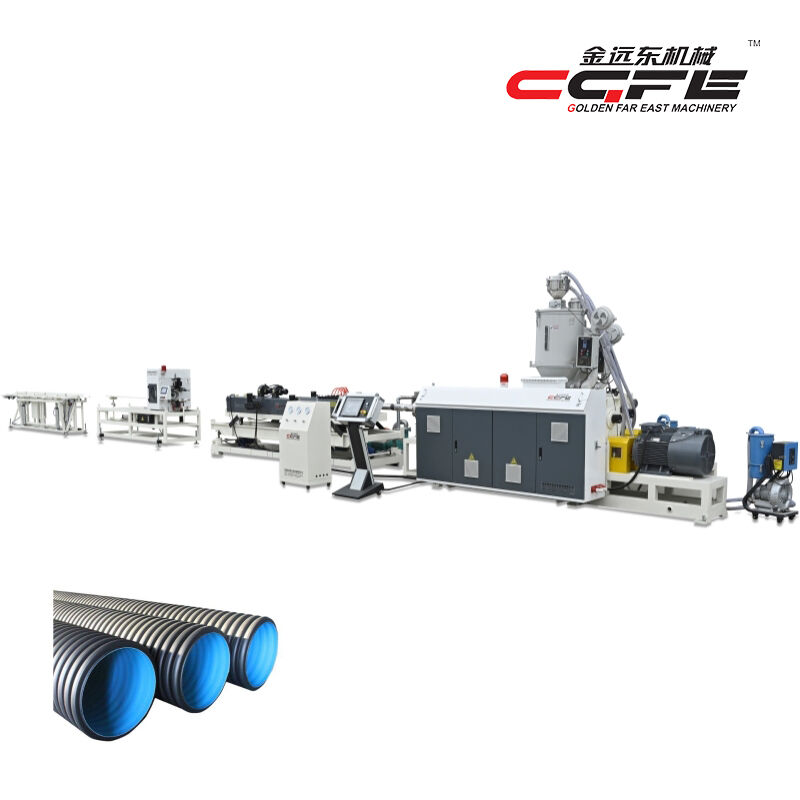
The UPVC pipe extrusion line represents a sophisticated manufacturing solution designed for producing high-quality unplasticized polyvinyl chloride pipes used across diverse industrial and residential applications. This advanced production system combines precision engineering with automated control mechanisms to deliver consistent pipe manufacturing capabilities. The UPVC pipe extrusion line incorporates multiple integrated components working in seamless coordination, including raw material feeding systems, precision heating elements, extrusion dies, cooling chambers, and automated cutting mechanisms. The technological foundation of this extrusion line centers on controlled temperature management throughout the production process, ensuring optimal material flow and dimensional accuracy. Modern UPVC pipe extrusion lines feature computerized control panels that monitor critical parameters such as temperature profiles, screw rotation speeds, and material pressure levels. These systems utilize servo-driven mechanisms for precise control over pipe wall thickness and diameter specifications. The extrusion process begins with feeding UPVC resin compounds into the heated barrel where rotating screws melt and homogenize the material. The molten polymer then passes through calibrated dies that shape the pipe profile before entering vacuum-assisted cooling systems that solidify the structure while maintaining dimensional integrity. Advanced UPVC pipe extrusion lines incorporate haul-off units with variable speed controls to accommodate different pipe sizes and production requirements. Quality assurance features include real-time monitoring systems that detect variations in wall thickness, diameter measurements, and surface finish quality. These production lines can manufacture pipes ranging from small diameter residential plumbing applications to large industrial conduit systems. The versatility of UPVC pipe extrusion lines enables production of various pipe configurations including straight lengths, corrugated profiles, and specialized fittings. Applications span construction, agriculture, telecommunications, electrical installations, water distribution systems, and chemical processing facilities where corrosion resistance and durability are essential requirements.

Popular Products

UPVC pipe extrusion lines deliver exceptional cost-effectiveness through reduced operational expenses and minimal maintenance requirements compared to traditional pipe manufacturing methods. These systems operate continuously with remarkable energy efficiency, utilizing optimized heating zones that minimize power consumption while maintaining consistent production temperatures. The automated nature of UPVC pipe extrusion lines significantly reduces labor costs by requiring fewer operators while simultaneously increasing production output rates. Quality consistency represents another major advantage, as computerized controls eliminate human error variables that often compromise pipe specifications in manual production processes. The precision engineering of modern UPVC pipe extrusion lines ensures uniform wall thickness distribution, accurate diameter measurements, and smooth internal surfaces that enhance fluid flow characteristics. Production flexibility allows manufacturers to quickly switch between different pipe sizes and specifications without extensive retooling procedures, enabling rapid response to market demands and custom order requirements. Environmental benefits include reduced material waste through precise material metering systems and recycling capabilities that process production scraps back into usable raw materials. The durability of pipes produced by UPVC pipe extrusion lines exceeds traditional materials, offering superior chemical resistance, UV stability, and mechanical strength that translates to longer service life and reduced replacement costs for end users. Speed advantages are substantial, with modern UPVC pipe extrusion lines capable of producing hundreds of meters per hour depending on pipe diameter and wall thickness specifications. Quality control integration enables real-time monitoring and adjustment of production parameters, preventing defective products from reaching customers and maintaining consistent brand reputation. The scalability of UPVC pipe extrusion lines accommodates business growth by allowing capacity expansion through additional production modules or upgraded control systems. Investment returns are typically realized within short timeframes due to high production volumes, reduced labor requirements, and premium pricing for quality UPVC pipe products. Technical support availability ensures maximum uptime through preventive maintenance programs and rapid troubleshooting assistance when operational issues arise. Training requirements are minimal due to user-friendly interface designs and comprehensive documentation packages that enable quick operator certification and efficient production startup procedures.

Latest News

PVC  marble sheet production line-creating a new choice for high-quality decoration

15

Dec

PVC marble sheet production line-creating a new choice for high-quality decoration

View More
Optimizing Production with PVC Pipe Extrusion Machine Lines

15

Dec

Optimizing Production with PVC Pipe Extrusion Machine Lines

View More
Optimizing Performance and Sustainability in PE Pipe Extrusion: Innovations and Best Practices

15

Dec

Optimizing Performance and Sustainability in PE Pipe Extrusion: Innovations and Best Practices

View More

Get a Free Quote

Our representative will contact you soon.
Email
Name
Company Name
Message
0/1000

upvc pipe extrusion line

Advanced Temperature Control Technology

Advanced Temperature Control Technology

The sophisticated temperature control technology integrated into modern UPVC pipe extrusion lines represents the cornerstone of superior pipe quality and production efficiency. This critical system employs multiple heating zones with independent temperature regulation, allowing precise control over the plasticization process throughout the entire barrel length. Advanced proportional-integral-derivative controllers maintain temperature stability within narrow tolerances, typically within plus or minus two degrees Celsius, ensuring consistent material properties and dimensional accuracy in finished pipes. The heating system utilizes cast-in heaters with uniform heat distribution patterns that eliminate hot spots and cold zones that could compromise pipe quality. Temperature sensors positioned at strategic locations throughout the barrel provide continuous feedback to the control system, enabling real-time adjustments that compensate for variations in ambient conditions, material properties, or production speeds. The cooling system complements the heating technology by providing controlled temperature reduction through vacuum-assisted water baths and air cooling chambers that prevent thermal stress while maintaining pipe roundness and dimensional stability. Ceramic heating elements offer extended service life and rapid heat-up capabilities, reducing energy consumption during startup procedures and maintaining consistent performance throughout extended production runs. The temperature profiling capability allows operators to customize heating patterns for different UPVC formulations and pipe specifications, optimizing material flow characteristics and surface finish quality. Insulation systems minimize heat loss and create safer working environments while reducing overall energy consumption. Emergency cooling systems provide rapid temperature reduction capabilities for production line shutdowns, preventing material degradation and equipment damage. The integration of predictive temperature control algorithms anticipates temperature changes based on production parameters, automatically adjusting heating elements before deviations occur. This proactive approach eliminates the temperature fluctuations that cause variations in pipe wall thickness and dimensional accuracy, resulting in consistently high-quality products that meet stringent industry standards and customer specifications.
Precision Die Technology and Calibration Systems

Precision Die Technology and Calibration Systems

The precision die technology incorporated in advanced UPVC pipe extrusion lines delivers unparalleled accuracy in pipe geometry and surface quality through innovative design features and calibration systems. The extrusion dies utilize hardened steel construction with precision-machined surfaces that maintain dimensional tolerances within micron-level accuracy, ensuring consistent pipe diameter and wall thickness throughout production runs. Streamlined flow channels within the die eliminate material stagnation points and pressure variations that could cause surface defects or dimensional irregularities in finished pipes. The calibration sleeve system provides external dimensional control through vacuum-assisted sizing that maintains pipe roundness while preventing collapse during the cooling process. Multi-zone calibration chambers allow independent adjustment of different pipe sections, accommodating variations in material shrinkage rates and thermal expansion characteristics. The mandrel system ensures internal surface smoothness and accurate inside diameter measurements critical for hydraulic performance and fitting compatibility. Quick-change die systems enable rapid transitions between different pipe sizes, reducing downtime and increasing production flexibility to meet diverse customer requirements. Wear-resistant coatings extend die service life while maintaining surface finish quality throughout extended production campaigns. The torpedo and spider system distributes molten material evenly around the mandrel, eliminating weld lines and ensuring uniform wall thickness distribution. Precision adjustment mechanisms allow fine-tuning of die gaps and flow patterns without production interruptions, enabling continuous optimization of pipe quality parameters. Temperature control within the die prevents material degradation while ensuring proper melt flow characteristics for optimal surface finish and dimensional accuracy. The modular die design facilitates maintenance procedures and component replacement without requiring complete system disassembly. Computerized monitoring systems track die performance parameters and predict maintenance requirements, preventing unexpected failures and maintaining consistent production quality. The integration of vision systems enables real-time monitoring of pipe geometry during production, providing immediate feedback for calibration adjustments and quality assurance verification.
Automated Quality Control and Production Management

Automated Quality Control and Production Management

The comprehensive automated quality control and production management system integrated into modern UPVC pipe extrusion lines revolutionizes manufacturing efficiency through real-time monitoring, data collection, and process optimization capabilities. This sophisticated system employs multiple sensor technologies including laser measurement devices, ultrasonic thickness gauges, and optical inspection systems that continuously monitor critical quality parameters throughout the production process. The automated data collection system records dimensional measurements, production speeds, temperature profiles, and material consumption rates, creating comprehensive production records that facilitate quality traceability and process optimization. Statistical process control algorithms analyze production data in real-time, identifying trends and variations that indicate potential quality issues before they result in defective products. The integrated management system coordinates all production line components through centralized control interfaces that enable operators to monitor and adjust multiple parameters simultaneously from a single workstation. Automatic rejection systems remove non-conforming pipes from the production line based on predetermined quality criteria, preventing defective products from reaching packaging and shipping areas. The production scheduling module optimizes manufacturing sequences to minimize material waste and maximize equipment utilization while meeting delivery commitments and inventory requirements. Remote monitoring capabilities enable production supervision and troubleshooting from off-site locations, reducing response times for technical support and maintenance procedures. The quality documentation system generates automatic reports that comply with industry standards and customer specifications, streamlining certification processes and audit procedures. Predictive maintenance algorithms analyze equipment performance data to schedule maintenance activities during planned downtime periods, preventing unexpected failures and maximizing production availability. The integration of enterprise resource planning systems enables seamless coordination between production planning, inventory management, and customer order processing functions. Operator training modules provide interactive guidance for setup procedures, troubleshooting protocols, and quality control verification steps, ensuring consistent performance across different production shifts and personnel changes. The system maintains comprehensive historical databases that enable trend analysis, process improvement identification, and benchmarking against industry performance standards, driving continuous improvement initiatives and competitive advantage development.

Get a Free Quote

Our representative will contact you soon.
Email
Name
Company Name
Message
0/1000