Precision Diameter Control System
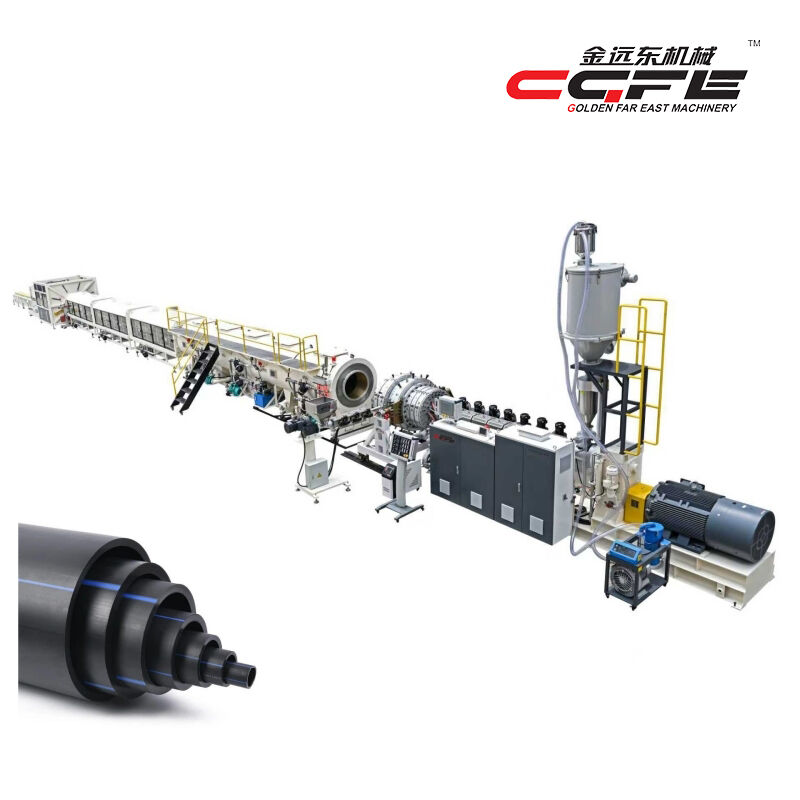
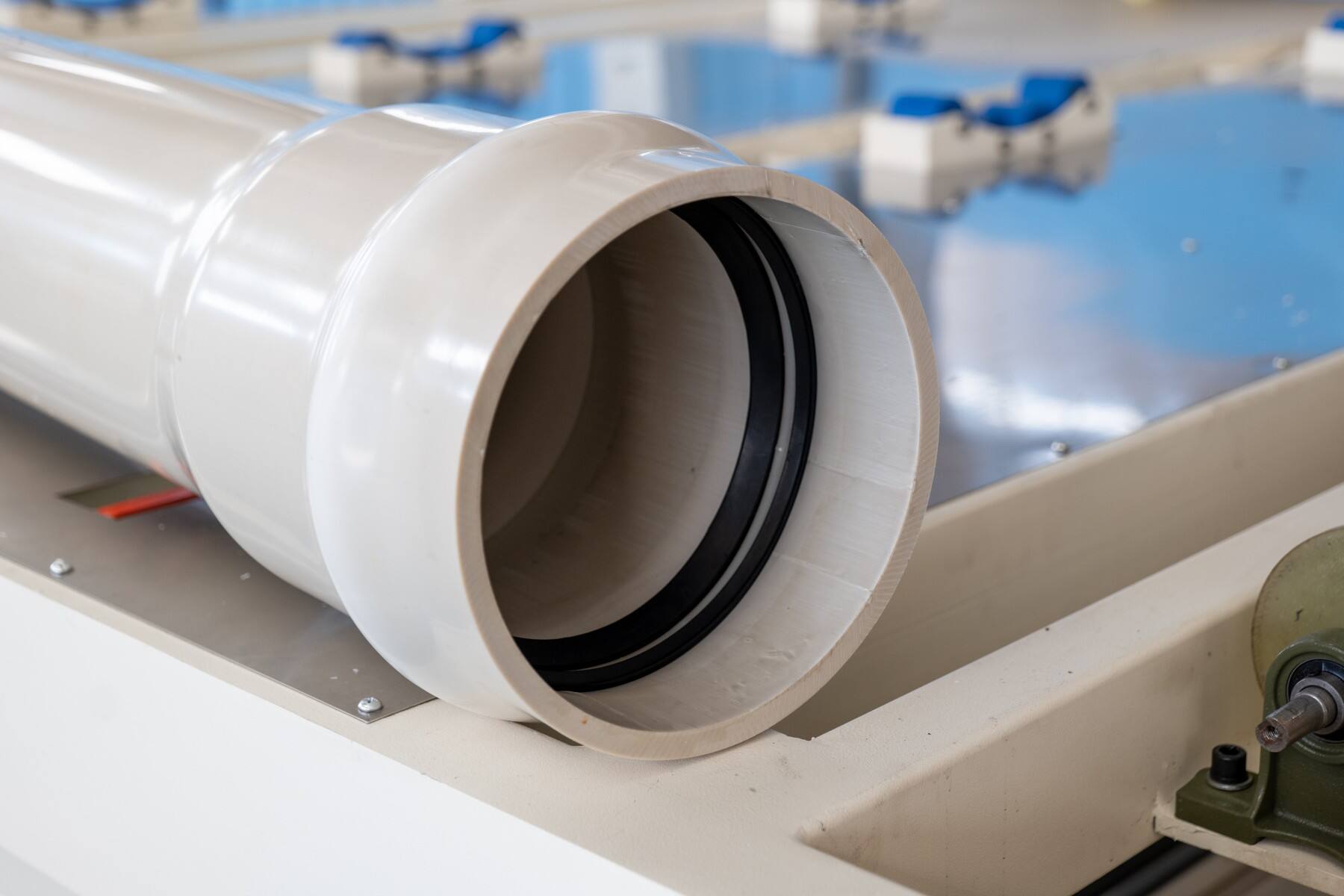
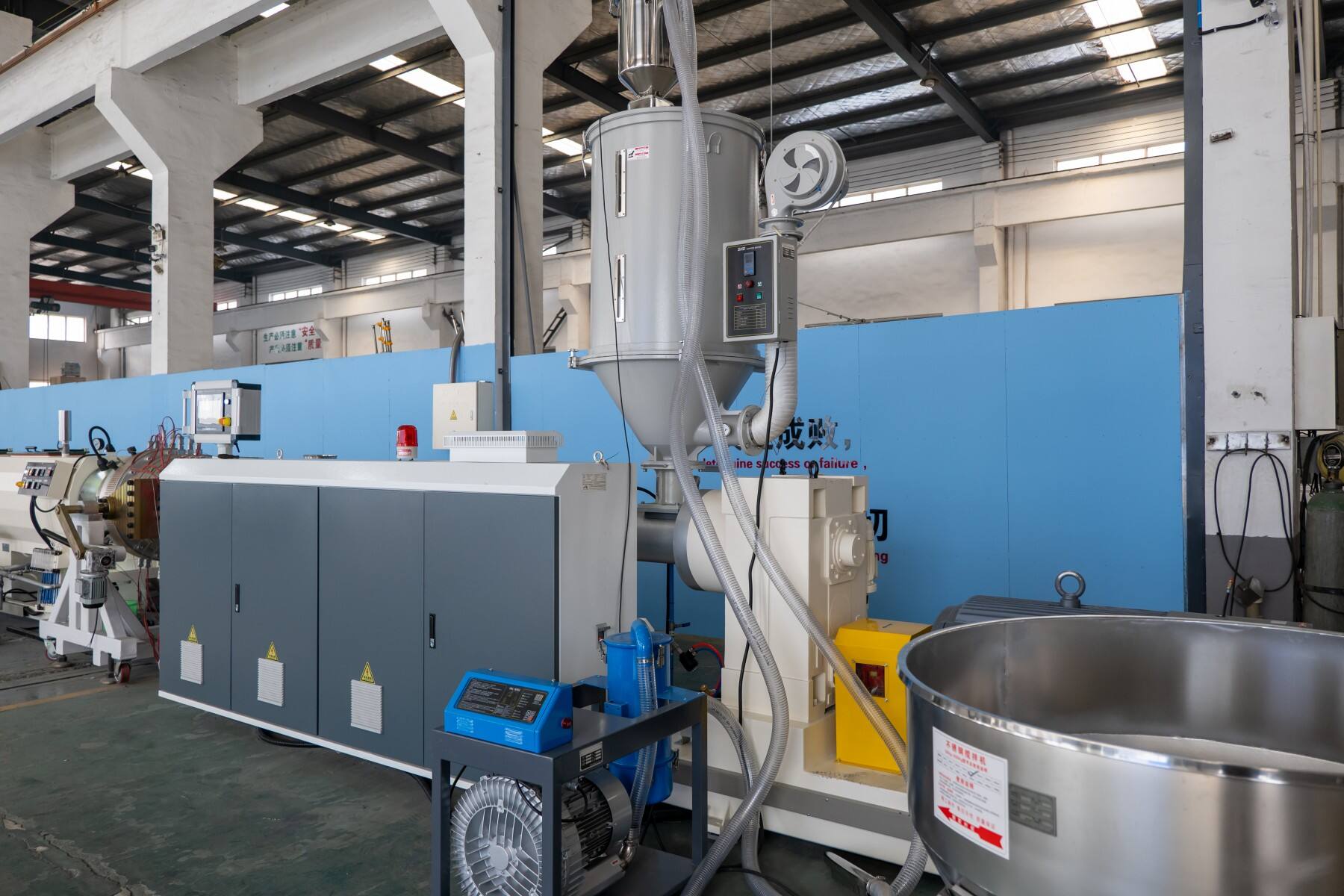
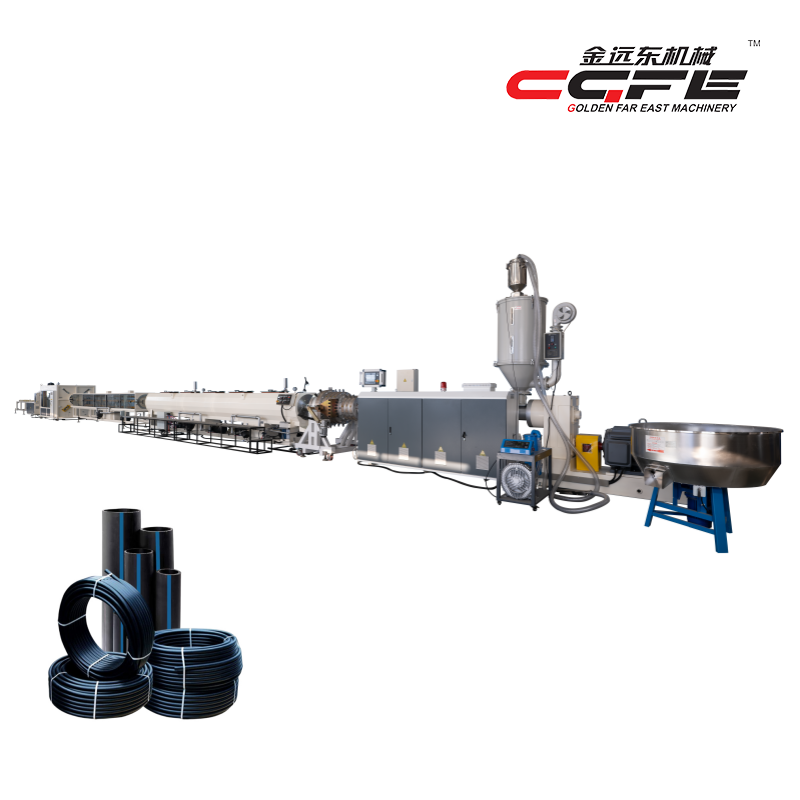
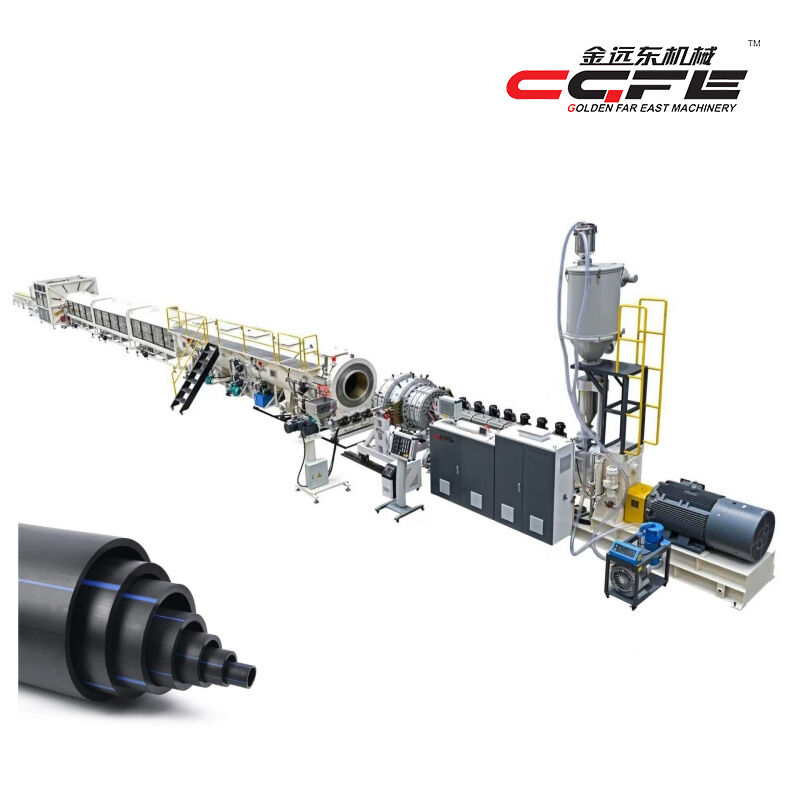
The precision diameter control system represents one of the most critical technological innovations in modern pe pipe extrusion line equipment, delivering unparalleled accuracy in pipe dimensional specifications. This advanced system utilizes sophisticated measurement technologies including laser scanning and ultrasonic sensors to continuously monitor pipe diameter throughout the production process. The pe pipe extrusion line diameter control system responds instantly to any dimensional variations, automatically adjusting die gap settings and cooling parameters to maintain precise specifications. Manufacturing tolerances achieved through this precision control system typically fall within plus or minus 0.1 millimeters, far exceeding industry standards and customer expectations for dimensional accuracy. The diameter control capabilities of the pe pipe extrusion line eliminate costly material waste that occurs when pipes fail to meet dimensional specifications, significantly improving overall production efficiency and profitability. Real-time feedback mechanisms in the precision control system provide continuous data to operators, enabling proactive adjustments that prevent quality issues before they occur. The pe pipe extrusion line diameter control system integrates seamlessly with other production parameters, coordinating cooling rates, line speeds, and material flow to optimize dimensional stability throughout the manufacturing process. Statistical process control features built into the diameter monitoring system track dimensional trends over time, providing valuable data for process optimization and predictive maintenance scheduling. Quality documentation capabilities allow the pe pipe extrusion line to automatically generate detailed dimensional reports for each production batch, satisfying strict quality assurance requirements and customer specifications. The precision diameter control system contributes significantly to customer satisfaction by ensuring consistent pipe performance in field applications, reducing installation problems and long-term maintenance issues. Advanced algorithms in the control system learn from historical production data, continuously improving performance and reducing setup times for different pipe specifications.

 EN
EN