High-Performance Plastic Pipe for Compressed Air Systems - Durable, Efficient, and Cost-Effective Solutions

Get a Free Quote

Our representative will contact you soon.
Email
Name
Company Name
Message
0/1000

plastic pipe for compressed air

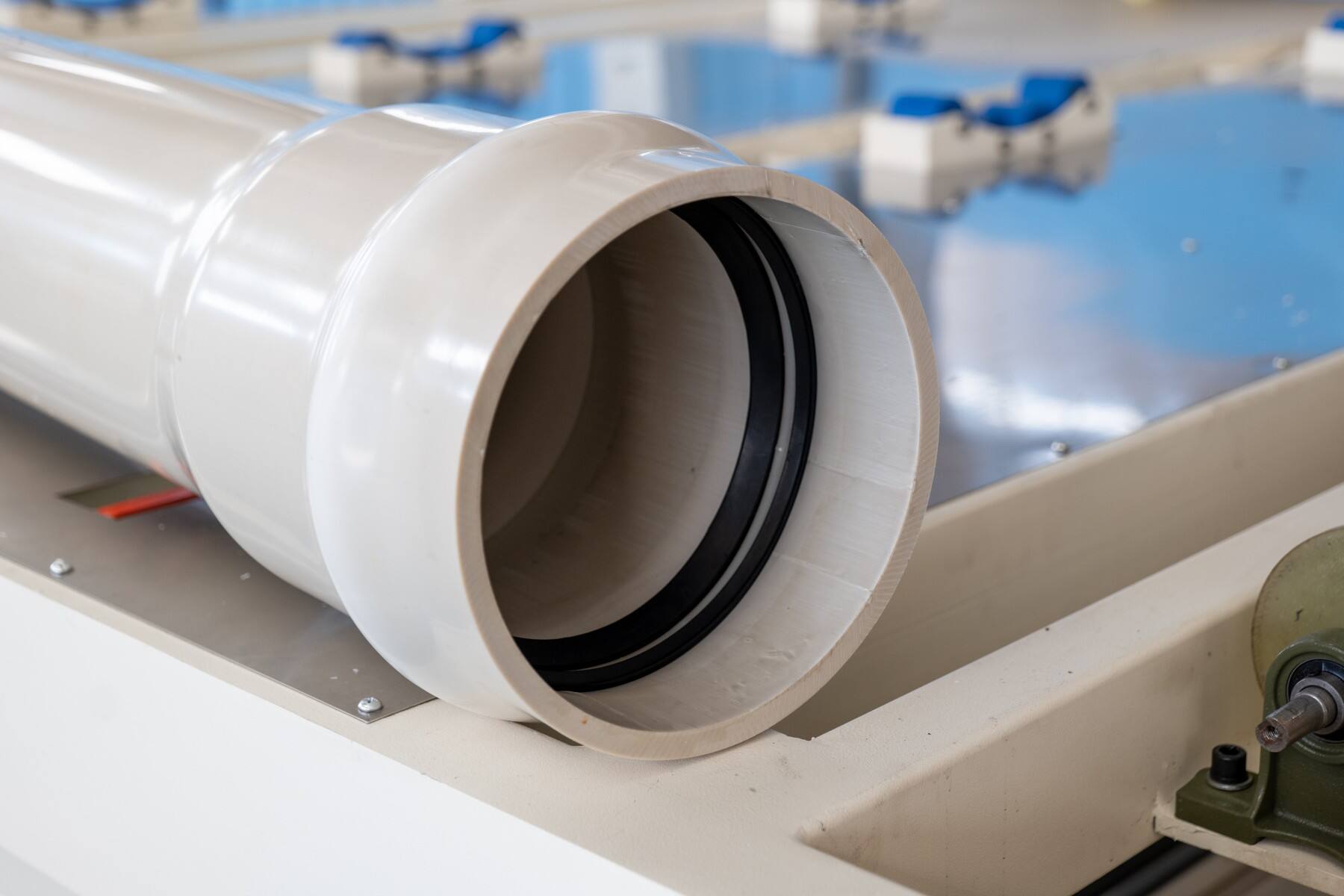
Plastic pipe for compressed air represents a revolutionary advancement in pneumatic system infrastructure, offering exceptional performance characteristics that make it an ideal choice for modern industrial applications. These specialized pipes are engineered using high-grade thermoplastic materials, primarily polyethylene and polypropylene compounds, which provide superior resistance to pressure variations and environmental factors. The main function of plastic pipe for compressed air systems involves the safe and efficient transportation of pressurized air from compressors to various pneumatic tools and equipment throughout industrial facilities. The technological features of plastic pipe for compressed air include advanced molecular structure that maintains structural integrity under extreme pressure conditions, typically ranging from 150 to 300 PSI depending on the specific application requirements. These pipes incorporate innovative sealing mechanisms and connection systems that ensure leak-proof performance over extended operational periods. The smooth interior surface of plastic pipe for compressed air minimizes friction losses, resulting in improved energy efficiency and reduced operational costs for businesses. Manufacturing processes involve precision extrusion techniques that create uniform wall thickness and consistent dimensional accuracy throughout the entire length of each pipe section. Quality control measures ensure that every plastic pipe for compressed air meets rigorous industry standards and certification requirements. Applications span across diverse sectors including automotive manufacturing, food processing, pharmaceutical production, and general industrial automation systems. The versatility of plastic pipe for compressed air makes it suitable for both permanent installations and temporary pneumatic setups. Installation procedures are simplified due to the lightweight nature of these pipes, reducing labor costs and project completion times. Maintenance requirements are minimal compared to traditional metal piping systems, as plastic pipe for compressed air does not suffer from corrosion or scale buildup issues that commonly affect steel alternatives.
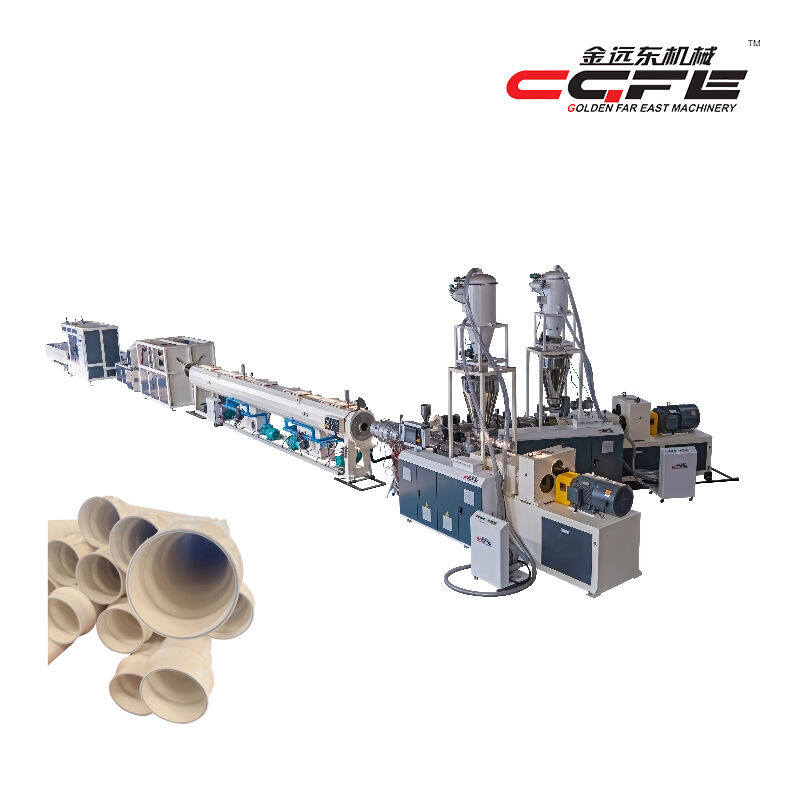
New Products

Plastic pipe for compressed air delivers numerous compelling advantages that make it the preferred choice for modern pneumatic installations. The lightweight construction significantly reduces installation complexity and associated labor costs, allowing technicians to complete projects faster and more efficiently than traditional heavy metal piping systems. This weight reduction also eliminates the need for extensive structural support systems, further decreasing overall project expenses. Corrosion resistance stands as one of the most significant benefits of plastic pipe for compressed air, as these materials remain unaffected by moisture, chemicals, and environmental factors that typically degrade metal pipes over time. This resistance ensures consistent performance throughout the entire service life without the need for frequent replacements or costly maintenance interventions. The smooth interior surface of plastic pipe for compressed air minimizes pressure drops and energy losses, resulting in improved system efficiency and reduced operational costs for businesses. Unlike metal alternatives that develop rough surfaces due to corrosion and scale buildup, plastic pipes maintain their smooth characteristics indefinitely. Flexibility represents another crucial advantage, as plastic pipe for compressed air can accommodate thermal expansion and contraction without stress fractures or joint failures. This flexibility also simplifies installation in tight spaces and around obstacles where rigid metal pipes would require additional fittings and connections. Cost-effectiveness extends beyond initial purchase price to include long-term savings from reduced maintenance, extended service life, and improved energy efficiency. The chemical inertness of plastic pipe for compressed air prevents contamination of compressed air streams, making it ideal for applications requiring clean air such as food processing and pharmaceutical manufacturing. Quick installation methods using push-fit connections or fusion welding techniques reduce project timelines significantly compared to threaded or welded metal pipe installations. Temperature stability ensures reliable performance across wide temperature ranges commonly encountered in industrial environments. The non-conductive properties of plastic pipe for compressed air provide electrical isolation benefits in environments where electrical safety is paramount.

Practical Tips

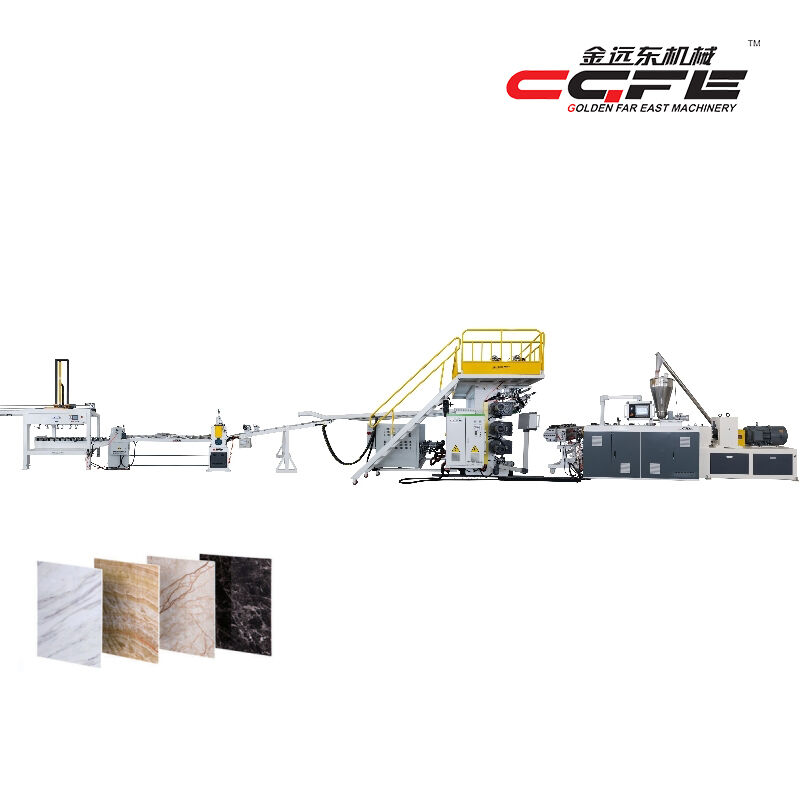
PVC  marble sheet production line-creating a new choice for high-quality decoration

15

Dec

PVC marble sheet production line-creating a new choice for high-quality decoration

View More
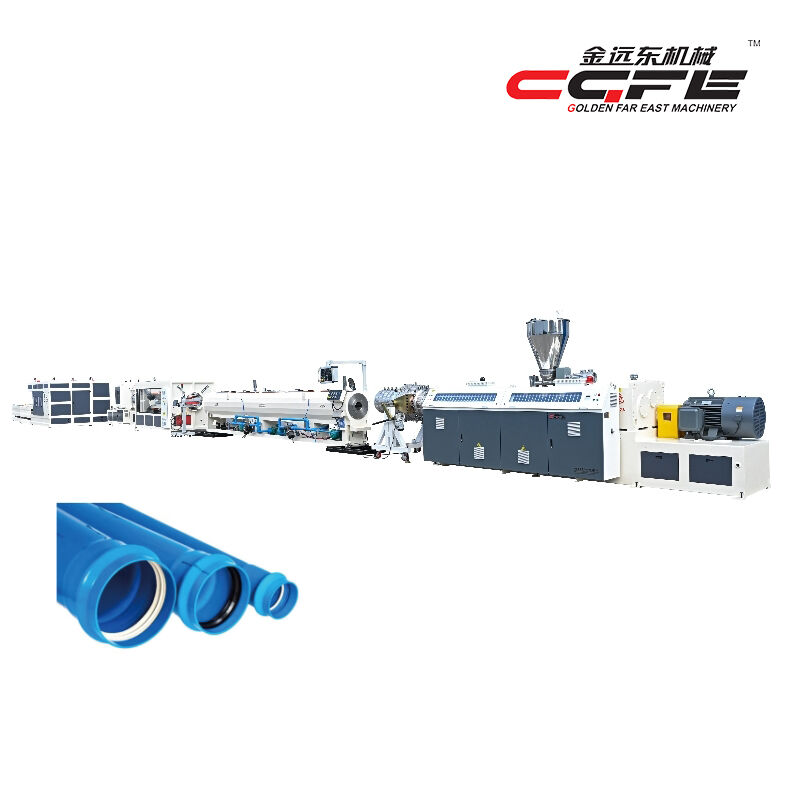
Optimizing Production with PVC Pipe Extrusion Machine Lines

15

Dec

Optimizing Production with PVC Pipe Extrusion Machine Lines

View More
Optimizing Performance and Sustainability in PE Pipe Extrusion: Innovations and Best Practices

15

Dec

Optimizing Performance and Sustainability in PE Pipe Extrusion: Innovations and Best Practices

View More

Get a Free Quote

Our representative will contact you soon.
Email
Name
Company Name
Message
0/1000

plastic pipe for compressed air

Superior Durability and Longevity Performance

Superior Durability and Longevity Performance

The exceptional durability of plastic pipe for compressed air stems from advanced polymer engineering that creates molecular structures capable of withstanding demanding industrial conditions for decades without degradation. Unlike traditional metal piping systems that succumb to corrosion, rust, and scale formation, plastic pipe for compressed air maintains its structural integrity throughout its entire service life. The specialized thermoplastic compounds used in manufacturing these pipes undergo rigorous testing to ensure they can handle continuous pressure cycling without developing stress fractures or dimensional changes. This durability translates directly into significant cost savings for businesses, as the extended service life reduces replacement frequency and associated downtime costs. The resistance to chemical attack makes plastic pipe for compressed air particularly valuable in environments where aggressive substances might be present in the compressed air stream or surrounding atmosphere. Manufacturing processes incorporate UV stabilizers and antioxidants that protect the pipe material from environmental degradation, ensuring consistent performance even in outdoor installations exposed to sunlight and weather extremes. The fatigue resistance of plastic pipe for compressed air exceeds that of many metal alternatives, particularly when subjected to pressure fluctuations and thermal cycling common in industrial compressed air systems. Quality assurance protocols verify that each pipe segment can withstand pressure surges and hammer effects without failure. The molecular structure of these advanced plastics prevents crack propagation, ensuring that minor surface imperfections do not compromise overall system integrity. Long-term performance studies demonstrate that properly installed plastic pipe for compressed air systems maintain their original specifications for over thirty years of continuous service. This longevity provides excellent return on investment and reduces the total cost of ownership significantly compared to alternative piping materials that require periodic replacement or extensive maintenance interventions.
Enhanced Energy Efficiency and Flow Optimization

Enhanced Energy Efficiency and Flow Optimization

Energy efficiency represents a critical consideration in compressed air system design, and plastic pipe for compressed air excels in this regard through its superior flow characteristics and minimal pressure loss properties. The precision-manufactured smooth interior surface eliminates the rough textures and irregularities found in metal pipes, reducing friction coefficients and allowing compressed air to flow with minimal resistance. This smooth surface remains unchanged throughout the pipe's service life, unlike metal alternatives that develop increasingly rough surfaces due to corrosion and scale buildup over time. The maintained smoothness of plastic pipe for compressed air ensures that energy efficiency gains are sustained indefinitely rather than degrading as the system ages. Computational fluid dynamics studies reveal that plastic pipe for compressed air can reduce pressure drops by up to 40 percent compared to corroded metal pipes of equivalent diameter, resulting in substantial energy savings for compressed air systems. The uniform wall thickness achieved through advanced extrusion processes ensures consistent flow characteristics throughout the entire piping network, eliminating the pressure variations that can occur with welded metal pipe systems where weld beads create flow restrictions. The thermal properties of plastic pipe for compressed air contribute to energy efficiency by providing insulation that reduces heat loss from compressed air streams, maintaining air temperature and preventing condensation formation within the piping system. This thermal stability also reduces the workload on air dryers and other conditioning equipment, extending their service life and reducing energy consumption. Installation flexibility allows for optimized routing that minimizes the number of fittings and directional changes required, further reducing pressure losses throughout the system. The ability to create smooth bends and gradual transitions with plastic pipe for compressed air eliminates the sharp corners and abrupt direction changes common in rigid metal piping systems, maintaining laminar flow characteristics that maximize energy efficiency and system performance.
Simplified Installation and Maintenance Benefits

Simplified Installation and Maintenance Benefits

The installation advantages of plastic pipe for compressed air revolutionize project timelines and reduce labor costs through innovative connection methods and lightweight construction characteristics. Traditional metal pipe installations require skilled welders, threading equipment, and extensive preparation work, while plastic pipe for compressed air systems utilize quick-connect fittings and fusion welding techniques that significantly reduce installation complexity. The lightweight nature of these pipes allows single technicians to handle longer pipe sections safely, eliminating the need for multiple workers or lifting equipment required for heavy metal pipe installations. Push-fit connection systems enable rapid assembly without specialized tools, allowing installation crews to complete projects in a fraction of the time required for threaded or welded connections. The flexibility of plastic pipe for compressed air permits installation around obstacles and through tight spaces without requiring numerous fittings and joints that add complexity and potential leak points to the system. Fusion welding techniques create permanent, leak-proof joints that eliminate the ongoing maintenance issues associated with threaded connections that can loosen over time due to vibration and thermal cycling. The modular nature of plastic pipe for compressed air systems facilitates easy expansion and modification of existing installations, allowing businesses to adapt their compressed air distribution networks as operational requirements change. Maintenance requirements are dramatically reduced compared to metal piping systems, as plastic pipe for compressed air does not require periodic inspection for corrosion, scale removal, or joint tightening. The smooth interior surface prevents debris accumulation and eliminates the need for regular cleaning procedures that are essential for maintaining flow capacity in metal pipe systems. Leak detection and repair procedures are simplified with plastic pipe for compressed air, as damaged sections can be quickly identified and replaced using standard cutting tools and connection fittings. The non-magnetic properties of these pipes allow for easy location using electronic detection equipment when pipes are installed in walls or underground applications, facilitating maintenance and troubleshooting activities.

Get a Free Quote

Our representative will contact you soon.
Email
Name
Company Name
Message
0/1000