Premium Plastic Pipe for Air Lines - Efficient Compressed Air Distribution Systems

Get a Free Quote

Our representative will contact you soon.
Email
Name
Company Name
Message
0/1000

plastic pipe for air lines

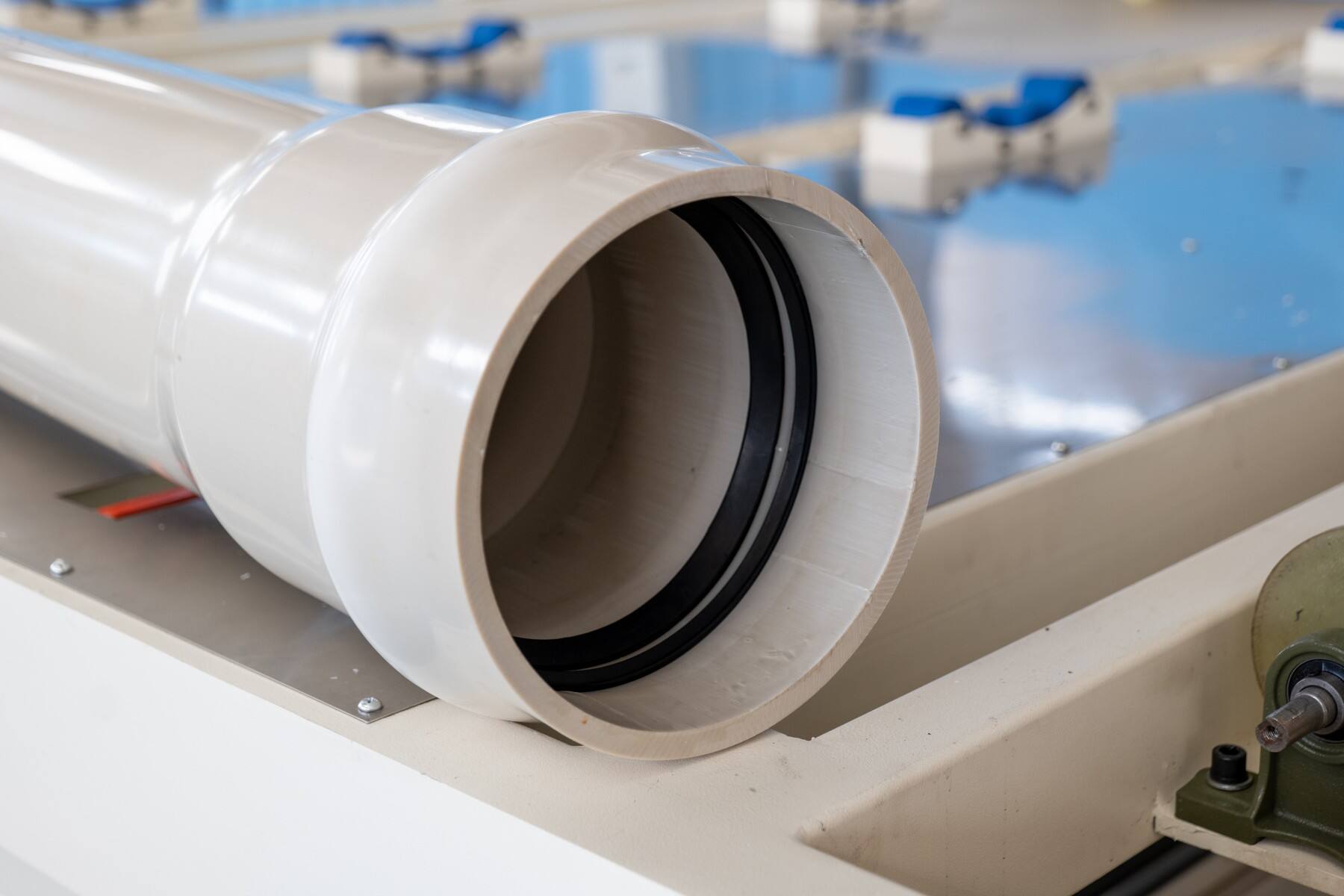
Plastic pipe for air lines represents a revolutionary advancement in pneumatic system infrastructure, offering superior performance and reliability for compressed air distribution networks. These specialized conduits are engineered to handle varying air pressures while maintaining structural integrity and operational efficiency across diverse industrial applications. The primary function of plastic pipe for air lines involves transporting compressed air from compressors to pneumatic tools, machinery, and equipment throughout manufacturing facilities, workshops, and construction sites. Modern plastic pipe for air lines incorporates advanced polymer technology that ensures consistent air flow while minimizing pressure drops and energy losses. The technological features of these systems include precision-engineered wall thickness, optimized internal surface smoothness, and chemical resistance properties that prevent contamination of compressed air supplies. These pipes feature modular connection systems that allow for quick installation and easy maintenance, making them ideal for both permanent installations and temporary setups. The lightweight nature of plastic pipe for air lines significantly reduces installation costs and complexity compared to traditional metal alternatives. Applications span across automotive manufacturing, woodworking shops, construction sites, painting operations, and general industrial facilities where reliable compressed air distribution is essential. The versatility of plastic pipe for air lines makes them suitable for both indoor and outdoor installations, with UV-resistant formulations available for extended exposure applications. These systems accommodate various pressure ratings, typically ranging from low-pressure applications up to industrial-grade high-pressure requirements. The smooth interior surface of plastic pipe for air lines minimizes turbulence and friction, resulting in more efficient air flow and reduced energy consumption. Quality plastic pipe for air lines undergoes rigorous testing to ensure compliance with industry standards for pressure ratings, temperature resistance, and long-term durability, making them a dependable choice for professional air distribution systems.
New Products

Plastic pipe for air lines delivers exceptional cost-effectiveness that significantly reduces both initial investment and long-term operational expenses. The lightweight construction of plastic pipe for air lines eliminates the need for heavy-duty supports and complex installation procedures, cutting labor costs by up to sixty percent compared to metal alternatives. Maintenance requirements remain minimal throughout the service life of plastic pipe for air lines, as these systems resist corrosion, scale buildup, and internal degradation that commonly affect metal piping. The superior chemical resistance of modern plastic pipe for air lines prevents contamination issues that can compromise air quality and damage sensitive pneumatic equipment. Installation flexibility represents another major advantage, as plastic pipe for air lines can be easily modified, extended, or reconfigured without specialized tools or extensive downtime. The smooth internal surface of plastic pipe for air lines maintains consistent air flow characteristics, reducing pressure drops and improving overall system efficiency. Energy savings accumulate over time due to the reduced friction losses inherent in well-designed plastic pipe for air lines, translating to lower compressor operating costs and improved productivity. Temperature stability ensures reliable performance across varying environmental conditions, making plastic pipe for air lines suitable for both heated and unheated facilities. The modular design of quality plastic pipe for air lines systems allows for quick repairs and easy troubleshooting, minimizing production interruptions and maintenance expenses. Noise reduction benefits become apparent in workplace environments where plastic pipe for air lines operate more quietly than metal systems, contributing to improved working conditions. The non-conductive properties of plastic pipe for air lines eliminate electrical grounding concerns and reduce safety risks in environments with electrical equipment. Leak detection becomes simplified with transparent or semi-transparent plastic pipe for air lines options, allowing visual inspection of connections and potential problem areas. Long-term reliability ensures that investments in plastic pipe for air lines systems provide consistent returns through reduced replacement costs and extended service intervals, making them an intelligent choice for forward-thinking operations seeking sustainable air distribution solutions.

Tips And Tricks

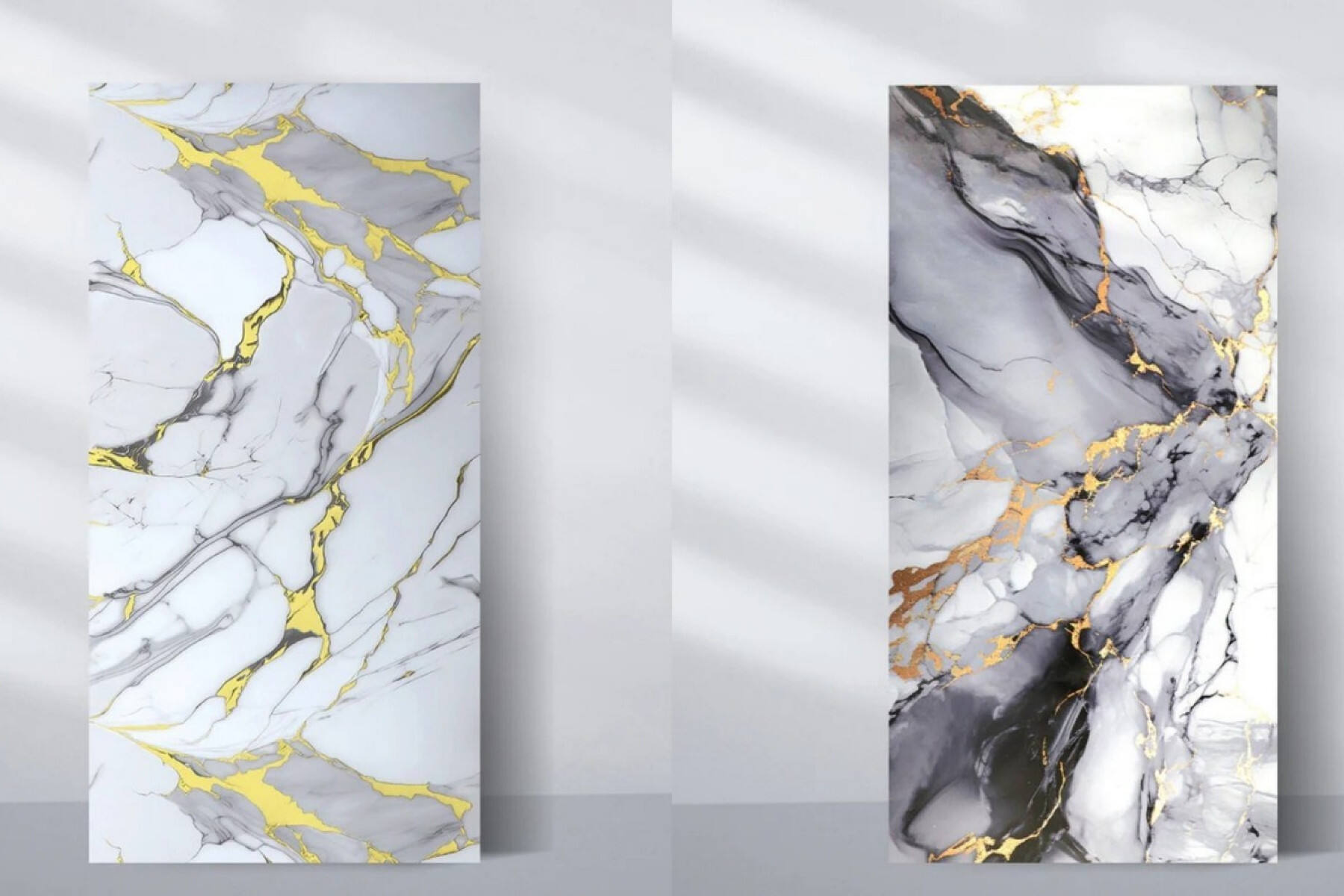
PVC  marble sheet production line-creating a new choice for high-quality decoration

15

Dec

PVC marble sheet production line-creating a new choice for high-quality decoration

View More
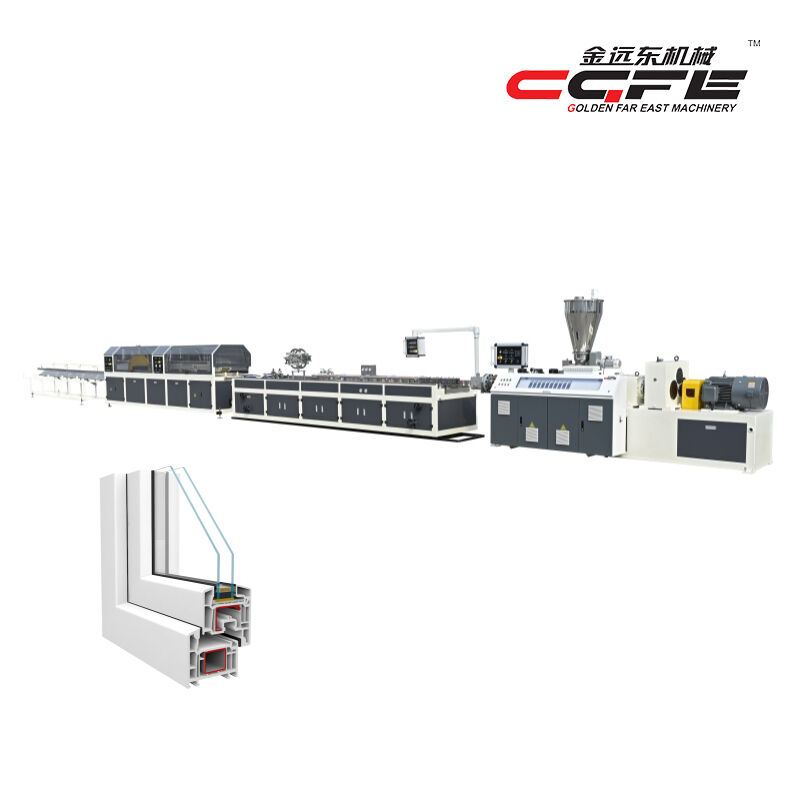
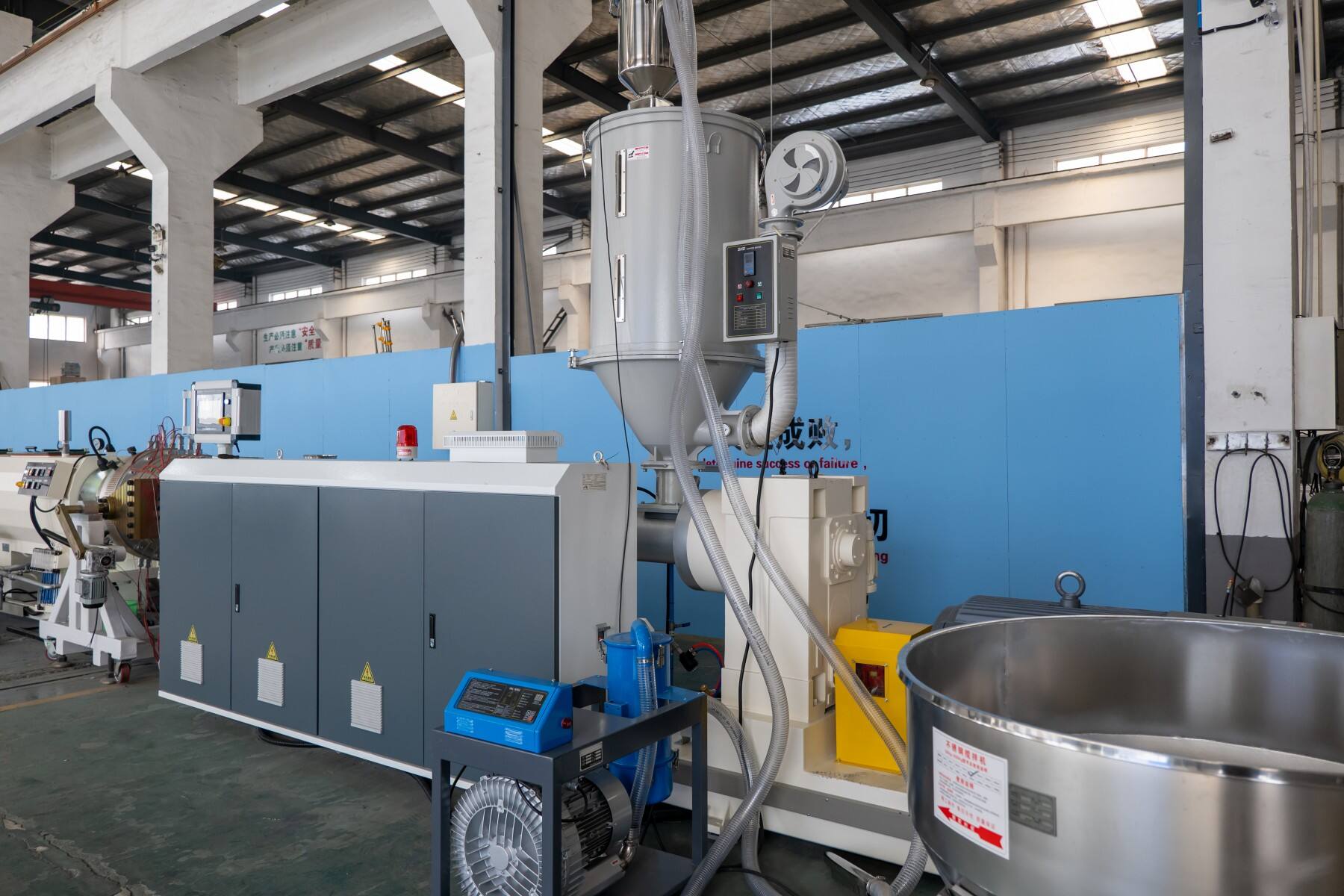
Optimizing Production with PVC Pipe Extrusion Machine Lines

15

Dec

Optimizing Production with PVC Pipe Extrusion Machine Lines

View More
Optimizing Performance and Sustainability in PE Pipe Extrusion: Innovations and Best Practices

15

Dec

Optimizing Performance and Sustainability in PE Pipe Extrusion: Innovations and Best Practices

View More

Get a Free Quote

Our representative will contact you soon.
Email
Name
Company Name
Message
0/1000

plastic pipe for air lines

Superior Pressure Performance and System Reliability

Superior Pressure Performance and System Reliability

The engineering excellence behind plastic pipe for air lines manifests most prominently in their exceptional pressure handling capabilities and unwavering system reliability. Modern plastic pipe for air lines utilize advanced polymer compositions specifically formulated to withstand industrial-grade pressure requirements while maintaining dimensional stability over extended operational periods. These systems typically accommodate working pressures ranging from standard shop air applications at 90-120 PSI up to specialized high-pressure installations exceeding 200 PSI, depending on the specific grade and wall thickness selected. The molecular structure of quality plastic pipe for air lines provides inherent flexibility that allows the material to expand and contract with pressure fluctuations without developing stress fractures or failure points that commonly plague rigid metal systems. This dynamic response characteristic ensures that plastic pipe for air lines maintain consistent performance even under varying load conditions and temperature cycles. The burst pressure ratings of professionally manufactured plastic pipe for air lines typically exceed working pressures by safety factors of four to one or greater, providing substantial margins for system safety and longevity. Quality control processes during manufacturing ensure that each section of plastic pipe for air lines meets or exceeds specified pressure ratings through rigorous testing protocols including hydrostatic pressure testing and long-term stress analysis. The reliability factor becomes particularly important in mission-critical applications where compressed air interruptions can result in significant production losses or safety concerns. Plastic pipe for air lines demonstrate exceptional resistance to pressure fatigue, a phenomenon that can cause premature failure in systems subjected to repetitive pressure cycling. The consistent wall thickness and material density of precision-manufactured plastic pipe for air lines eliminate weak points that might compromise system integrity under operational stresses. Installation techniques for plastic pipe for air lines incorporate proven connection methods that distribute stress evenly across joint interfaces, preventing localized pressure concentrations that could lead to system failures. Regular performance monitoring of plastic pipe for air lines installations consistently demonstrates pressure stability and flow consistency that meets or exceeds design specifications throughout their operational lifespan, making them a dependable foundation for pneumatic system infrastructure.
Advanced Material Technology and Chemical Resistance

Advanced Material Technology and Chemical Resistance

The sophisticated material science underlying plastic pipe for air lines represents decades of polymer engineering advancement specifically tailored to address the unique challenges of compressed air distribution systems. Contemporary plastic pipe for air lines employ high-performance thermoplastics that combine molecular stability with mechanical strength, creating materials that resist degradation from environmental factors, chemical exposure, and operational stresses. The chemical resistance properties of quality plastic pipe for air lines provide immunity to corrosion issues that consistently plague metal piping systems, eliminating concerns about rust particles, scale formation, and internal surface deterioration that can contaminate air supplies and damage downstream equipment. Advanced UV stabilization technology incorporated into plastic pipe for air lines ensures that outdoor installations maintain structural integrity and appearance even under prolonged exposure to direct sunlight and weather extremes. The non-porous surface characteristics of modern plastic pipe for air lines prevent moisture absorption and bacterial growth that can compromise air quality in sensitive applications such as food processing, pharmaceutical manufacturing, and precision instrumentation. Temperature stability represents another crucial aspect of the material technology, with quality plastic pipe for air lines maintaining consistent mechanical properties across temperature ranges from sub-zero conditions to elevated industrial environments exceeding 150 degrees Fahrenheit. The antistatic formulations available in specialized plastic pipe for air lines provide additional safety benefits in environments where static electricity accumulation poses explosion or ignition risks. Chemical compatibility testing ensures that plastic pipe for air lines remain stable when exposed to oils, cleaning solvents, and other industrial chemicals commonly present in manufacturing environments. The molecular bonding structure of advanced plastic pipe for air lines resists stress cracking and environmental stress corrosion that can develop over time in conventional materials. Manufacturing quality control processes verify that each batch of plastic pipe for air lines meets specifications for chemical resistance, ensuring consistent performance across different production runs. The long-term stability of plastic pipe for air lines materials translates to predictable service life expectations, allowing facility managers to plan maintenance schedules and replacement cycles with confidence. Research and development in plastic pipe for air lines technology continues to advance material properties, incorporating nanotechnology enhancements and specialized additives that further improve performance characteristics and expand application possibilities.
Installation Efficiency and System Flexibility Advantages

Installation Efficiency and System Flexibility Advantages

The installation advantages of plastic pipe for air lines revolutionize compressed air system design and implementation through innovative connection technologies and inherent material properties that streamline construction processes while reducing project costs and completion timeframes. The lightweight nature of plastic pipe for air lines, typically weighing sixty to seventy percent less than equivalent metal piping, eliminates the need for extensive structural support systems and reduces physical strain on installation personnel, contributing to safer and more efficient construction practices. Quick-connect fitting systems designed specifically for plastic pipe for air lines enable rapid assembly without requiring specialized tools, welding equipment, or threading operations that add complexity and cost to traditional installations. The flexibility characteristics of plastic pipe for air lines allow routing around obstacles, through confined spaces, and along curved pathways that would require multiple fittings and joints in rigid metal systems, reducing potential leak points and simplifying installation planning. Modular design principles incorporated into quality plastic pipe for air lines systems facilitate easy expansion and reconfiguration as facility requirements change, protecting initial investments while accommodating future growth needs. The thermal expansion properties of plastic pipe for air lines are predictable and manageable through proper installation techniques, eliminating concerns about stress buildup and joint failure that can occur in systems with inadequate expansion compensation. Installation versatility extends to mounting options, as plastic pipe for air lines can be suspended from ceiling structures, wall-mounted using lightweight brackets, or installed in underground applications with appropriate protection, providing designers with maximum flexibility in system layout planning. The compatibility of plastic pipe for air lines with various fitting types and connection methods allows integration with existing systems and components, facilitating retrofit projects and system upgrades without complete infrastructure replacement. Quality plastic pipe for air lines systems include comprehensive installation guides and technical support resources that enable proper installation practices and help avoid common pitfalls that could compromise system performance. The ease of cutting, joining, and modifying plastic pipe for air lines during installation reduces labor requirements and allows for real-time adjustments as construction conditions change. Testing and commissioning procedures for plastic pipe for air lines installations are straightforward and can be completed quickly, allowing systems to be placed into service sooner than traditional alternatives. The forgiving nature of plastic pipe for air lines materials accommodates minor installation variations while maintaining system integrity, reducing the precision requirements that increase costs in metal piping projects.

Get a Free Quote

Our representative will contact you soon.
Email
Name
Company Name
Message
0/1000