polyethylene pipe production line
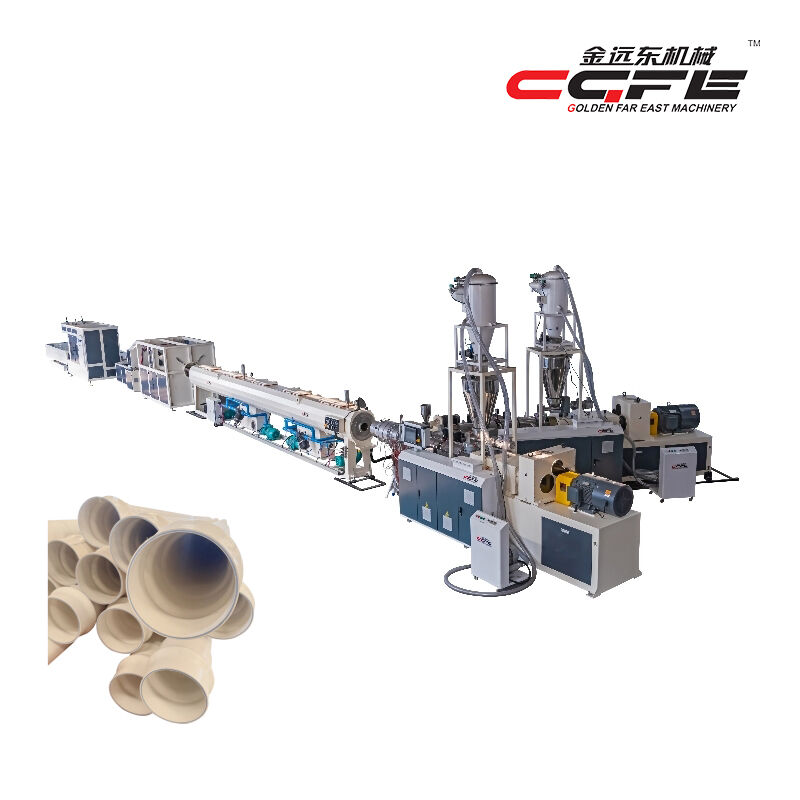
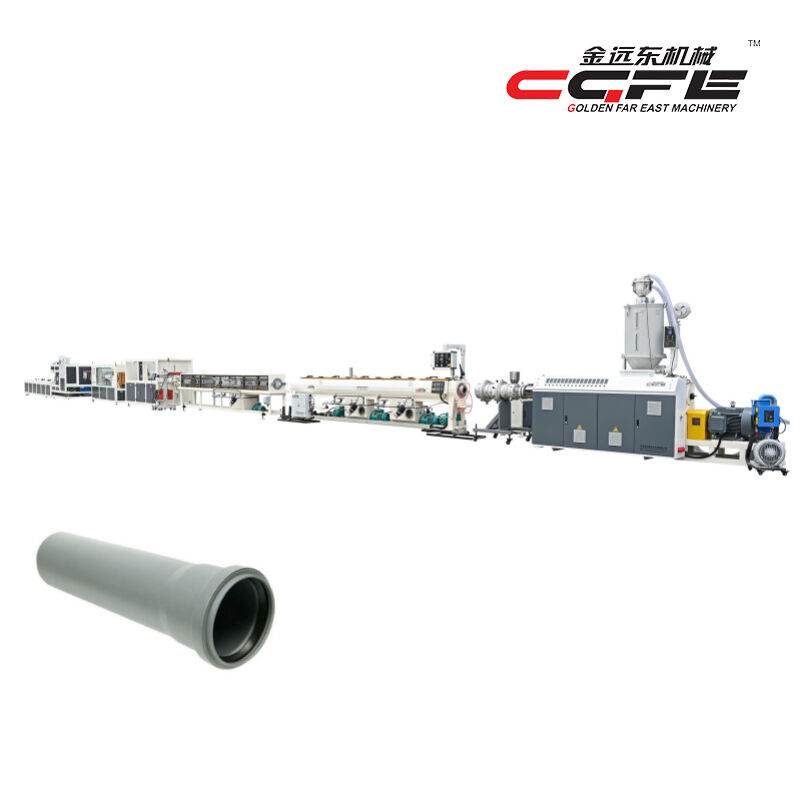
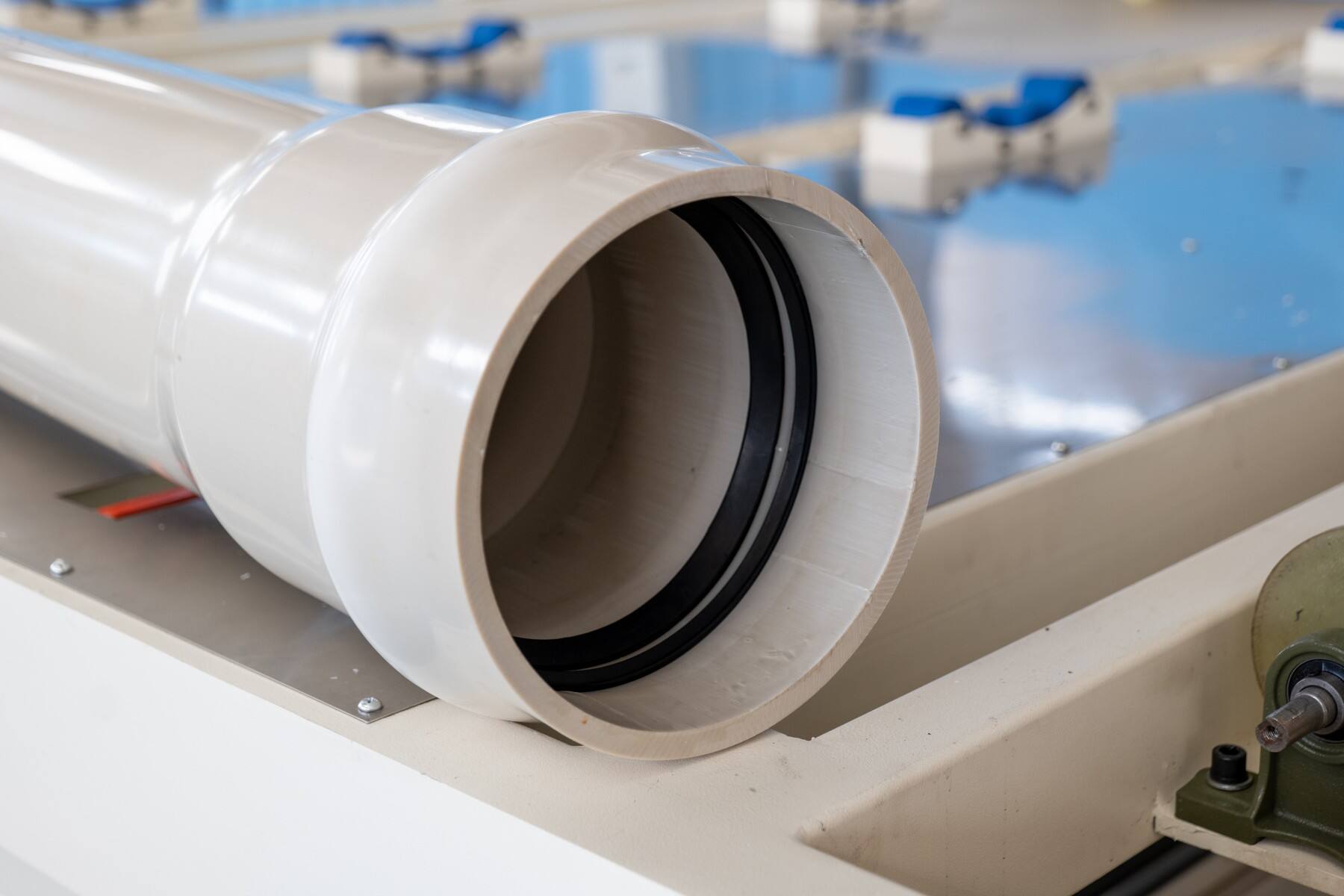
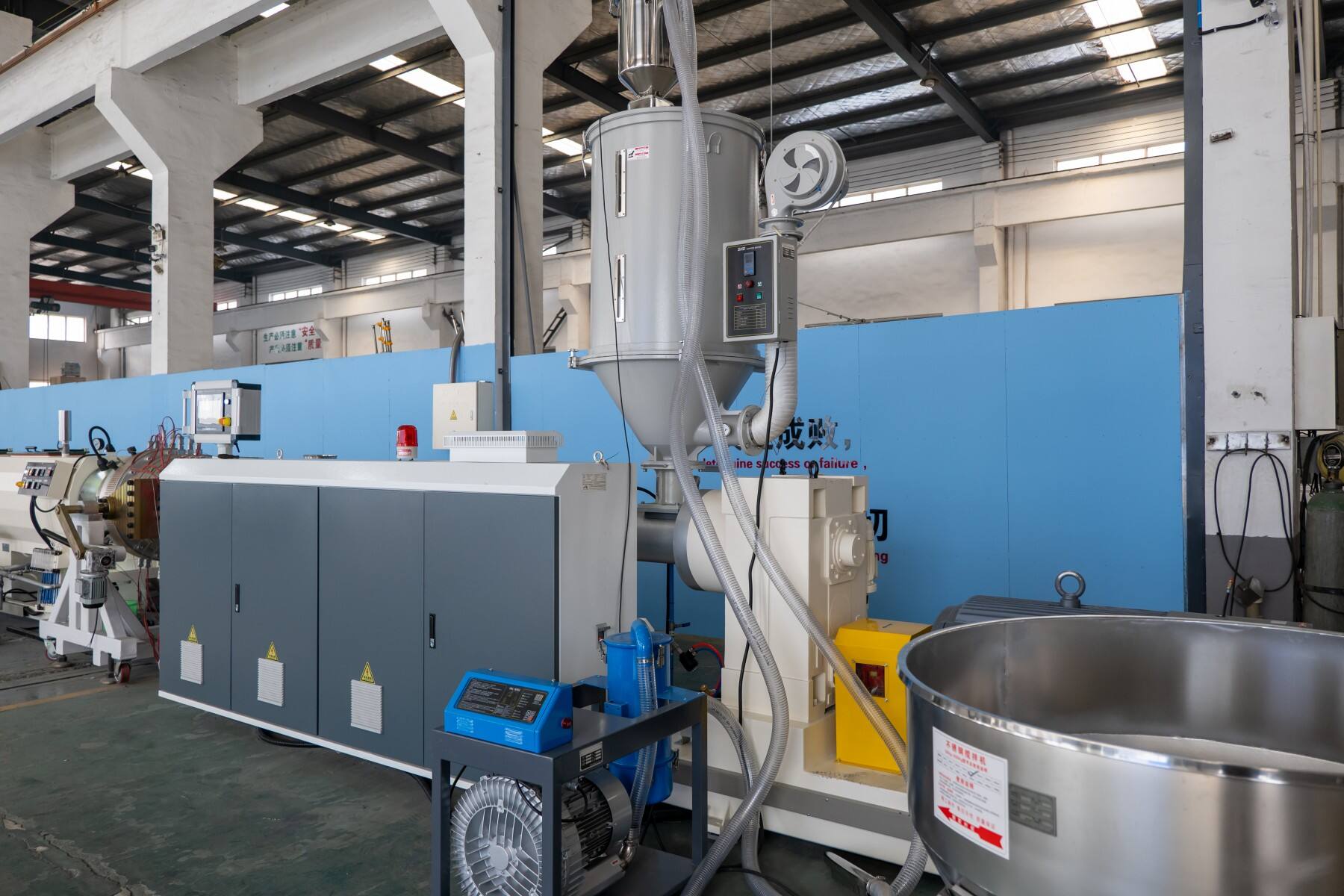
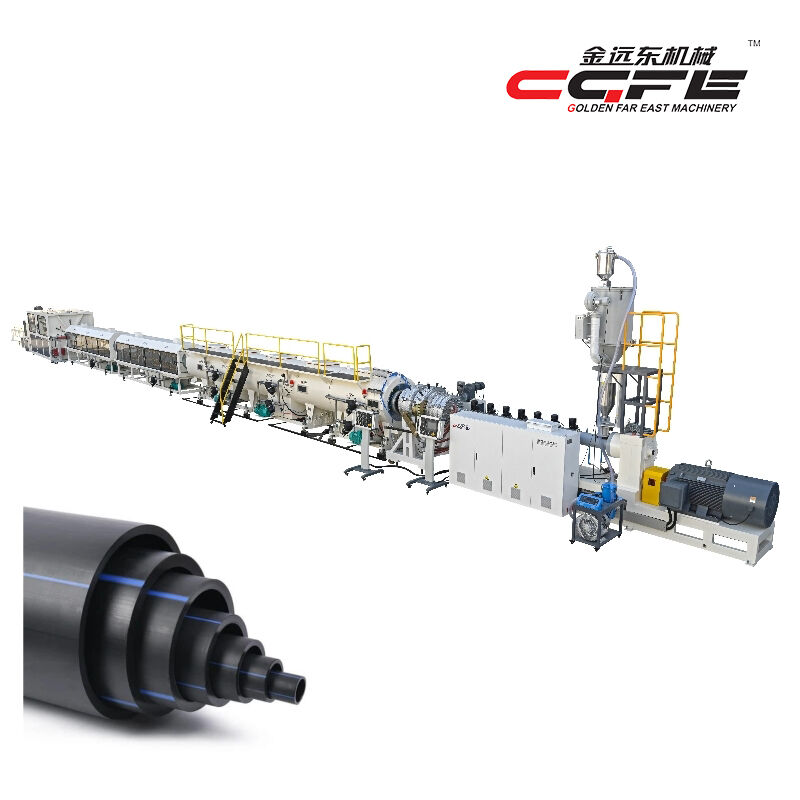
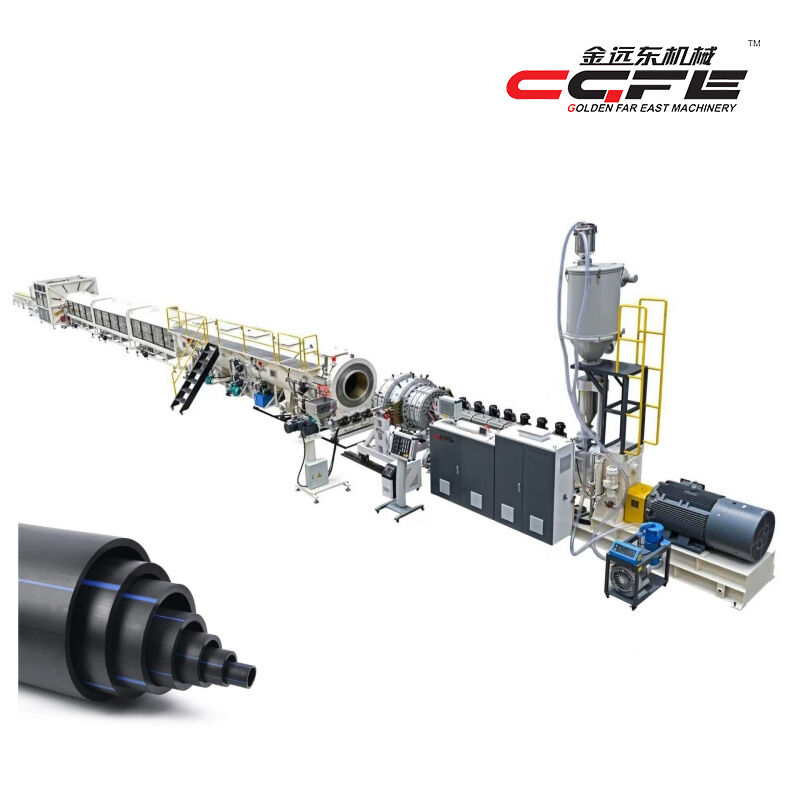
The polyethylene pipe production line represents a sophisticated manufacturing system designed to produce high-quality plastic pipes for diverse industrial and commercial applications. This advanced production system integrates multiple technological components to transform raw polyethylene materials into durable, reliable piping solutions. The main functions of a polyethylene pipe production line encompass material preparation, extrusion processing, cooling systems, dimensional control, and quality assurance mechanisms. The production process begins with raw material feeding systems that precisely meter polyethylene resins and additives into the extruder. The extruder melts and homogenizes the material under controlled temperature and pressure conditions, ensuring consistent material properties throughout the manufacturing cycle. The technological features of modern polyethylene pipe production lines include computerized control systems that monitor temperature profiles, pressure parameters, and dimensional specifications in real-time. These systems incorporate servo-driven haul-off units that maintain precise pulling speeds, ensuring uniform wall thickness and dimensional accuracy. Advanced cooling systems utilize water baths or vacuum calibration tanks to rapidly solidify the extruded pipe while maintaining geometric integrity. The production line also features cutting mechanisms that provide clean, precise cuts to specified lengths. Quality control systems integrated within the line perform continuous monitoring of pipe dimensions, wall thickness uniformity, and surface quality parameters. Applications for polyethylene pipes manufactured on these production lines span numerous industries including water distribution networks, gas transmission systems, sewage management infrastructure, agricultural irrigation systems, and industrial fluid handling applications. The versatility of polyethylene pipe production lines allows manufacturers to produce pipes in various diameters, wall thicknesses, and pressure ratings to meet specific customer requirements and industry standards.


 EN
EN