Superior Chemical Resistance Ensures Long-Term Water Quality and System Integrity
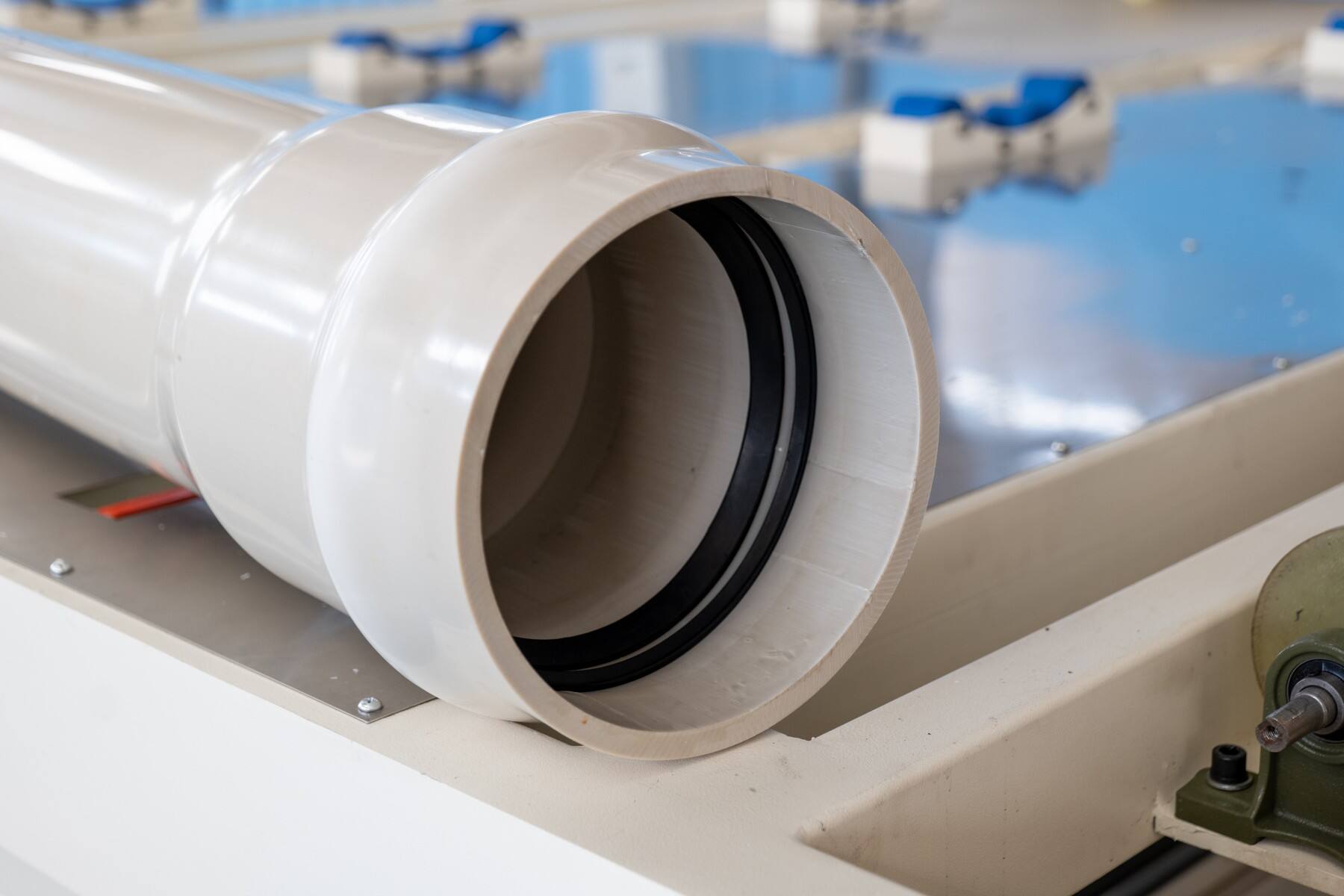
The exceptional chemical resistance properties of ppr water line materials provide unparalleled protection against the wide range of aggressive substances commonly encountered in water distribution systems, including chlorine compounds, acidic conditions, alkaline solutions, and various water treatment chemicals that routinely damage conventional piping materials. This comprehensive chemical immunity stems from the advanced polymer structure of polypropylene random copolymer, which exhibits remarkable stability when exposed to oxidizing agents, disinfectants, and naturally occurring minerals that typically cause corrosion, pitting, and degradation in metal piping systems. The ppr water line resistance to chemical attack ensures that the interior surfaces remain smooth and unaffected by exposure to chlorinated water supplies, preventing the formation of corrosion byproducts that can compromise water quality, create taste and odor issues, and reduce system flow capacity over time. Unlike copper, steel, or other metallic piping that can leach harmful substances into the water supply under certain conditions, ppr water line materials maintain complete inertness, ensuring that transported water maintains its original quality characteristics without contamination or alteration. The molecular structure of ppr water line polymers prevents the absorption of chemicals or the formation of biofilms that can harbor bacteria and other microorganisms, contributing to superior hygiene standards and reduced maintenance requirements for system sanitization. This chemical resistance extends to external environmental factors, including soil chemicals, groundwater contaminants, and atmospheric pollutants that might contact buried or exposed portions of ppr water line installations, ensuring system integrity regardless of installation environment. The stability of ppr water line materials under chemical exposure eliminates the need for protective coatings, cathodic protection systems, or chemical inhibitors that add complexity and ongoing costs to conventional piping installations. Testing protocols have demonstrated that ppr water line systems maintain their mechanical properties and structural integrity even after decades of exposure to aggressive water chemistry conditions that would severely compromise alternative materials, providing confidence in long-term performance and reliability for critical water distribution applications.



 EN
EN