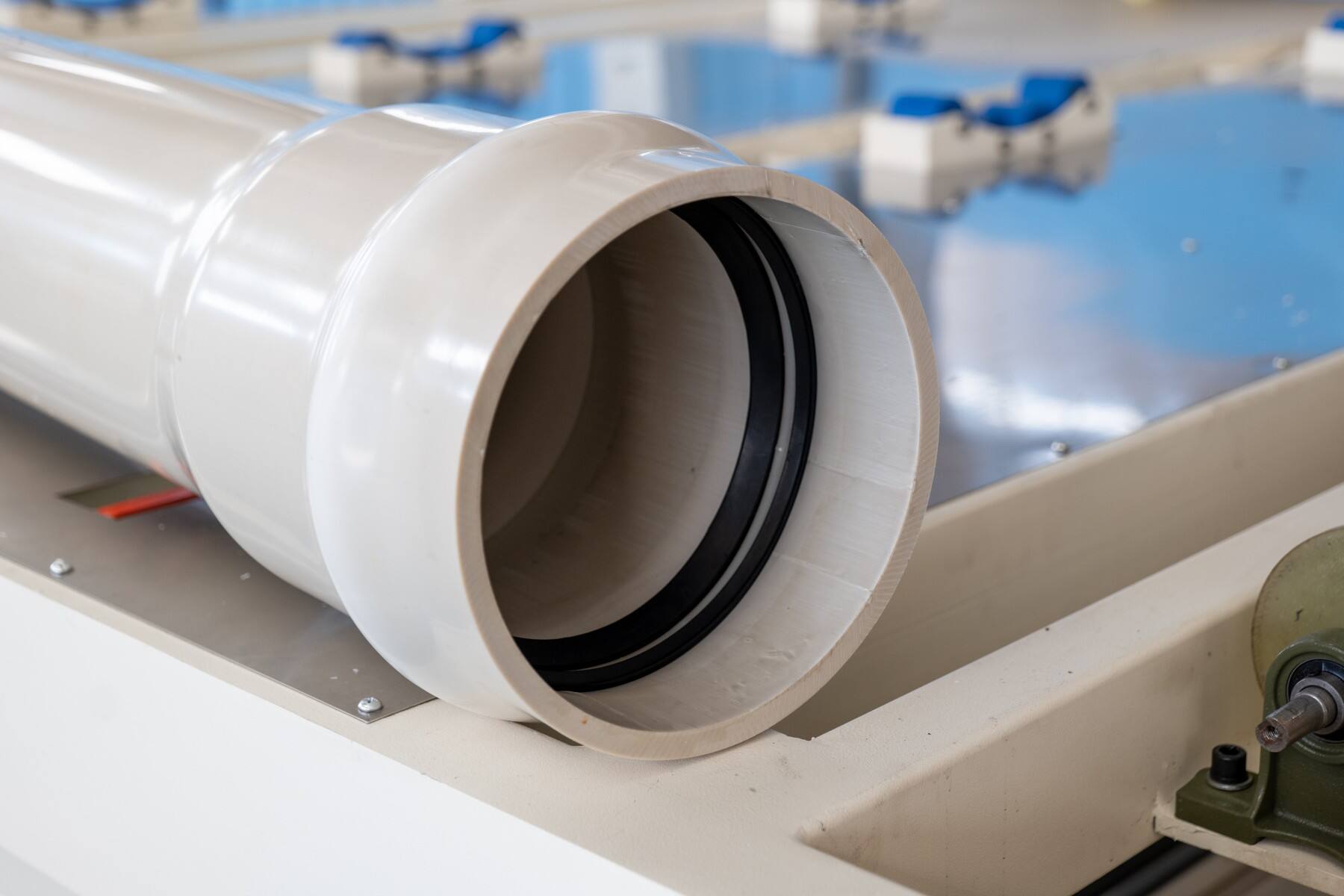
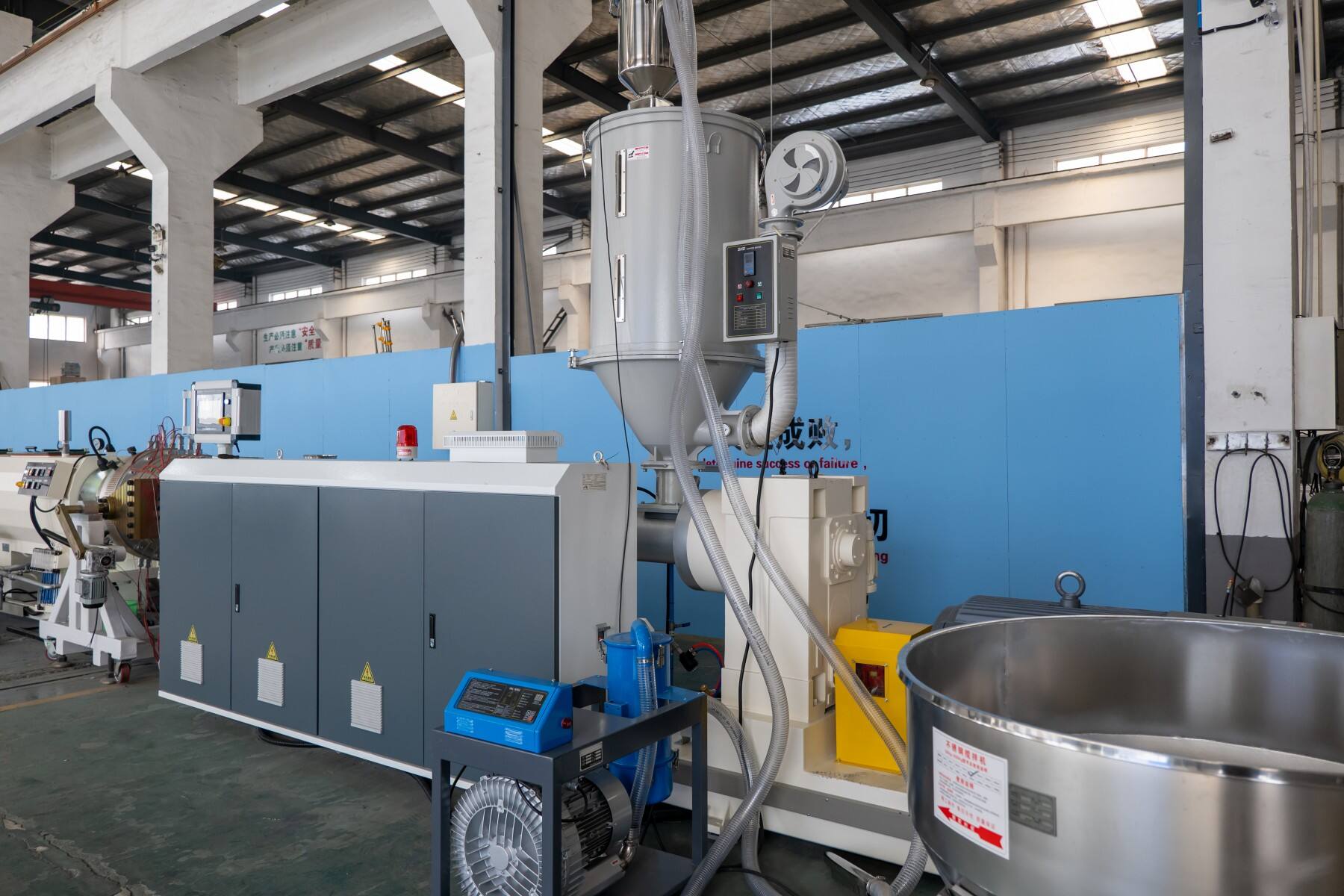
Automated Production Control and Monitoring
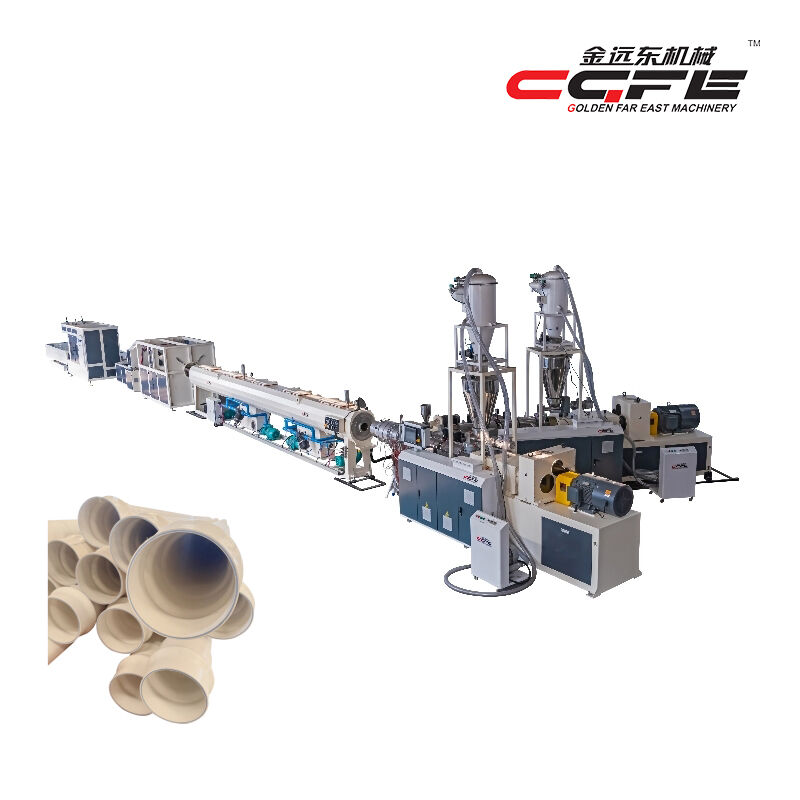
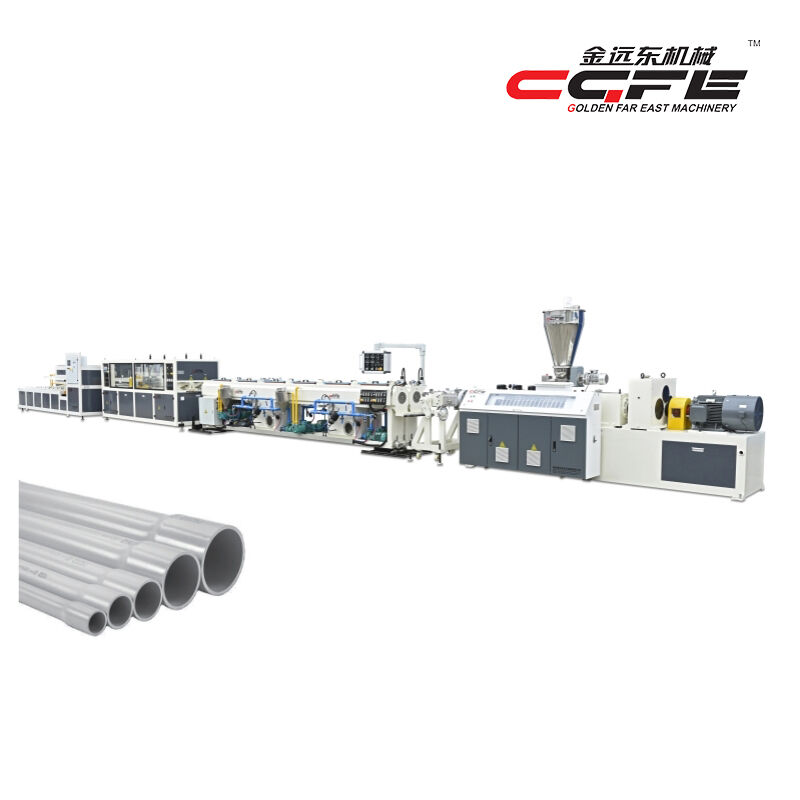
The comprehensive automated production control and monitoring system transforms UPVC pipe extruder operations into highly efficient, intelligent manufacturing processes that maximize productivity while ensuring consistent quality output through advanced technological integration and real-time process optimization. This sophisticated automation platform incorporates programmable logic controllers that coordinate all aspects of the extrusion process, from raw material feeding and temperature management to line speed control and finished product handling, creating a seamlessly integrated production environment that operates with minimal human intervention. The monitoring system employs an array of sensors throughout the production line that continuously measure critical parameters including temperature, pressure, torque, line speed, and dimensional characteristics, providing comprehensive real-time data that enables proactive process adjustments and predictive maintenance scheduling. Advanced human-machine interface displays present operators with intuitive graphical representations of all system parameters, allowing easy monitoring of production status, quality metrics, and equipment performance while providing access to historical data trends and production reports. The automated control system features adaptive algorithms that learn from production patterns and automatically optimize processing parameters to maintain consistent quality while maximizing throughput, reducing the need for manual adjustments and minimizing the potential for operator error. Integrated quality management capabilities include automatic rejection systems that identify and remove off-specification products before they reach final packaging, ensuring that only conforming pipes enter the supply chain while maintaining detailed quality records for traceability purposes. The automation platform provides comprehensive production planning tools that optimize production schedules based on order requirements, material availability, and equipment capacity, maximizing efficiency while minimizing setup times and material waste. Remote monitoring capabilities enable production managers to oversee operations from multiple locations through secure network connections, providing access to real-time production data, quality metrics, and equipment status information that supports informed decision-making and rapid response to operational issues. Predictive maintenance algorithms analyze equipment performance data to identify potential problems before they cause production disruptions, scheduling maintenance activities during planned downtime periods to maximize equipment availability and minimize unexpected shutdowns that could impact delivery commitments.

 EN
EN