
 EN

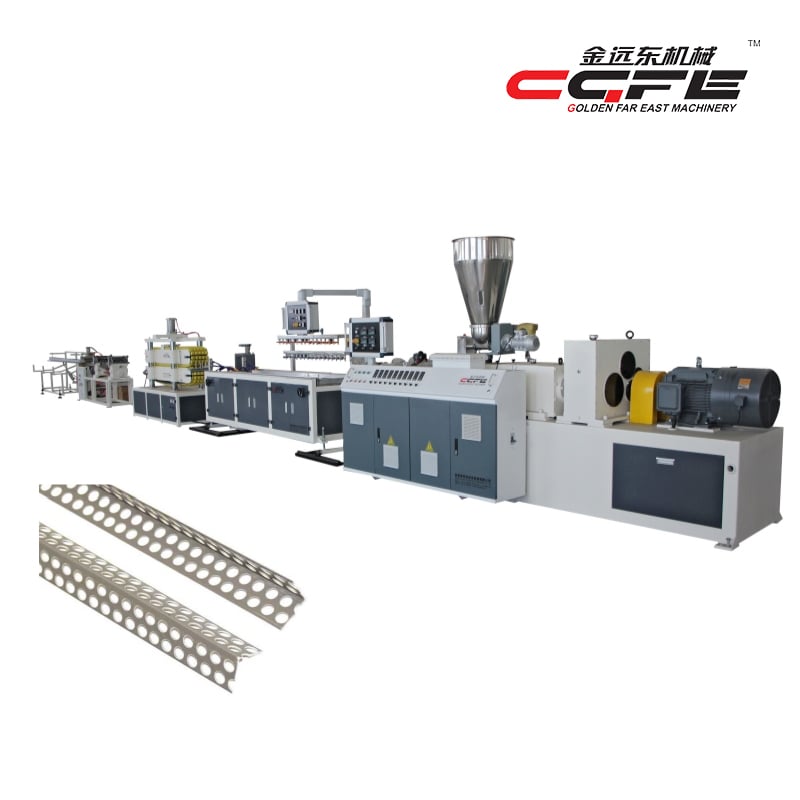
Selecting the right pvc corner production line is one of the most critical decisions small factory owners make when entering the plastic extrusion business. A properly matched pvc corner production line directly impacts production efficiency, product quality, operational costs, and long-term profitability. Small factories face unique constraints: limited capital, restricted floor space, modest production volumes, and the need to remain flexible in market response. The pvc corner production line you choose must balance these factors while delivering consistent output and reliable performance.
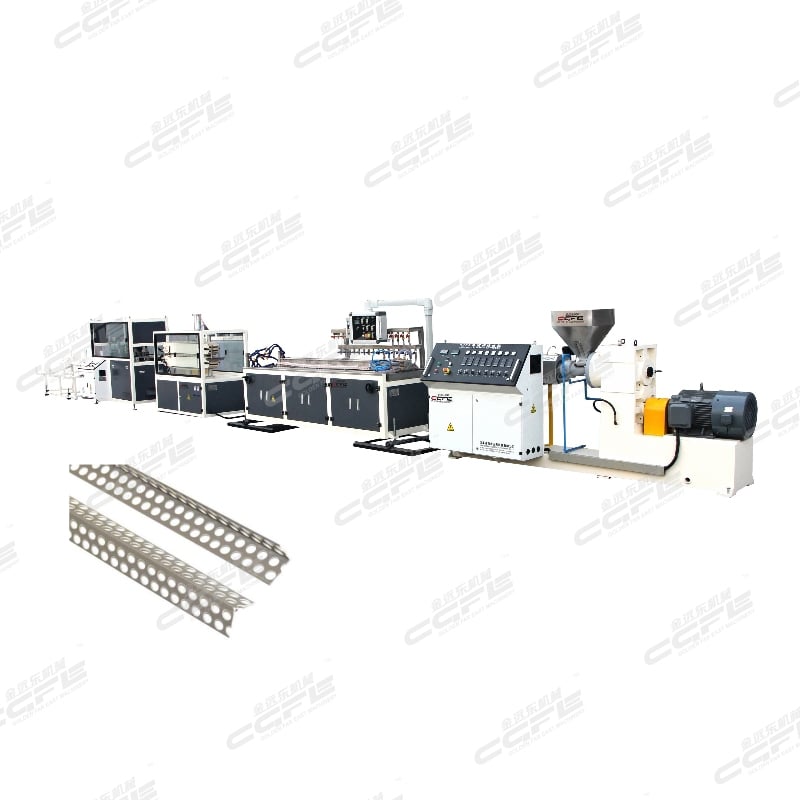
Understanding the landscape of pvc corner production line options available to small manufacturers requires knowledge of screw extruder types, cooling systems, auxiliary equipment, and realistic throughput expectations. This guide walks through the practical considerations that matter most when choosing a pvc corner production line suited to small factory operations, helping you avoid oversizing, undersizing, or selecting mismatched components that create inefficiency.
Understanding Small Factory Production Needs
Production Volume and Throughput Requirements
Small factories typically produce between 50 and 300 kilograms per hour of finished pvc corner profiles, depending on market demand and product specifications. The pvc corner production line capacity must align closely with these volumes without excess overhead. An oversized pvc corner production line wastes energy and creates underutilization losses, while an undersized line struggles to meet demand and forces expensive overtime or customer delays.
The pvc corner production line you select should match your current production target plus modest growth allowance, typically 20 to 30 percent above baseline. This approach ensures the pvc corner production line remains cost-effective during early years while providing room for market expansion. Single-screw extruders remain the preferred choice for pvc corner production line configurations serving small factories because they deliver adequate throughput at lower capital and operating costs compared to twin-screw designs.
Floor Space and Infrastructure Constraints
Small factory buildings rarely offer the generous floorspace that large manufacturers enjoy. A compact pvc corner production line footprint becomes essential for fitting within existing walls, doorways, and utility connections. Most small-factory-appropriate pvc corner production line systems occupy roughly 20 to 40 square meters when including the extrusion unit, cooling table, calibration equipment, and material hopper station.
Electrical power requirements also matter significantly. A modest pvc corner production line for small factories typically draws 15 to 25 kilowatts during steady operation, which fits standard industrial three-phase 380-volt service in most regions. Verify your facility's electrical capacity before specifying the pvc corner production line equipment to avoid costly upgrades or production downtime due to insufficient power supply.
Core Features That Matter for Small Manufacturer Success
Screw Extruder Design and Material Feeding
The screw extruder forms the heart of any pvc corner production line, and its design directly affects consistency, energy efficiency, and ease of operation. Single-screw extruders work well for pvc corner production line applications because they tolerate the formulation variations and recycled material blends common in small factory operations. The pvc corner production line screw typically measures 50 to 60 millimeters in diameter for small-scale production, offering good balance between throughput and precision.
Material feeding accuracy influences the pvc corner production line output quality significantly. Gravimetric feeders attached to the pvc corner production line hopper automatically dose PVC resin and additives by weight, ensuring consistency between production runs. Smaller pvc corner production line systems often use simpler vibratory feeders that still deliver acceptable accuracy for most products, reducing capital cost while maintaining reasonable quality control.
Cooling, Sizing, and Calibration Systems
After extrusion, the pvc corner profile must cool and stabilize to its final dimensions through the pvc corner production line cooling table. Water-cooled vacuum sizing tables represent the ideal choice for a pvc corner production line because they deliver dimensional accuracy and surface finish quality that market buyers expect. The pvc corner production line cooling table length typically ranges from 3 to 6 meters for small factories, depending on profile complexity and cooling requirements.
A basic pvc corner production line vacuum system and cooling water circuit need not be elaborate for small manufacturers. Compact water chillers, simple vacuum pumps, and straightforward piping keep the pvc corner production line affordable and maintainable. Temperature control within the pvc corner production line cooling system ensures consistent shrinkage behavior and dimensional stability that directly translates to improved product acceptance and customer satisfaction.
Selection Criteria for Matching the Right Equipment
Capital Investment and Total Operating Costs
Total investment in a pvc corner production line for small factories typically ranges from 80,000 to 250,000 U.S. dollars, depending on equipment sophistication, auxiliary systems, and automation level. Smaller pvc corner production line packages designed specifically for limited budgets still deliver the essential functions: extrusion, cooling, cutting, and basic material handling. Resist the temptation to buy a premium pvc corner production line system designed for large manufacturers, as excess capacity and features become dead capital that erodes profitability.
Operating cost matters equally to purchase price when evaluating a pvc corner production line investment. Energy consumption, material scrap rates, labor requirements, and maintenance frequency all affect the true cost of running the pvc corner production line. A well-matched pvc corner production line that runs at 75 to 85 percent of rated capacity operates most efficiently, minimizing scrap and maximizing output per kilowatt consumed.
Technical Support and Spare Parts Availability
Small manufacturers cannot afford extended downtime waiting for spare parts or specialized technician visits. When choosing a pvc corner production line, verify that the equipment supplier maintains local inventory of critical replacement components such as screws, bearings, heating elements, and cooling pumps. A pvc corner production line from suppliers with established service networks ensures faster response times and lower operational risk compared to distant or unfamiliar manufacturers.
Training and documentation quality directly impact how quickly your team learns to operate and maintain the pvc corner production line. Reputable pvc corner production line suppliers provide comprehensive operator manuals, video training content, and onsite commissioning support. This investment in knowledge transfer pays dividends by reducing startup delays and helping your small factory team troubleshoot issues independently rather than depending on external support for every problem.
FAQ
What is the typical payback period for a pvc corner production line investment in a small factory?
The payback period for a pvc corner production line in a small factory typically ranges from 18 to 36 months, depending on product selling prices, raw material costs, and production volume. A pvc corner production line operating at 70 to 80 kilograms per hour with healthy profit margins per kilogram can generate sufficient cash flow to recover the capital investment within two to three years. Actual payback timing depends on your specific market position, product mix profitability, and demand stability.
Can a single pvc corner production line handle multiple profile dimensions or designs?
Yes, a pvc corner production line offers flexibility by changing the extrusion die, which typically takes 30 to 60 minutes of downtime per changeover. A single pvc corner production line can produce different corner profile sizes and shapes by swapping the die mounted on the screw extruder. Many small factories justify purchasing a single pvc corner production line by producing multiple product designs in sequence, maximizing equipment utilization across their product portfolio.
What raw material preparation steps are necessary before feeding material into a pvc corner production line?
Raw PVC resin must remain dry before entering the pvc corner production line hopper, requiring storage in climate-controlled areas or use of a desiccant dryer to remove moisture. Most pvc corner production line systems include an inline dryer that heats incoming material to 70 to 85 degrees Celsius before extrusion, eliminating moisture-related defects. Recycled PVC scrap can be reground and mixed with virgin material in the pvc corner production line feed mixture, typically at ratios up to 30 percent by weight without compromising product quality.