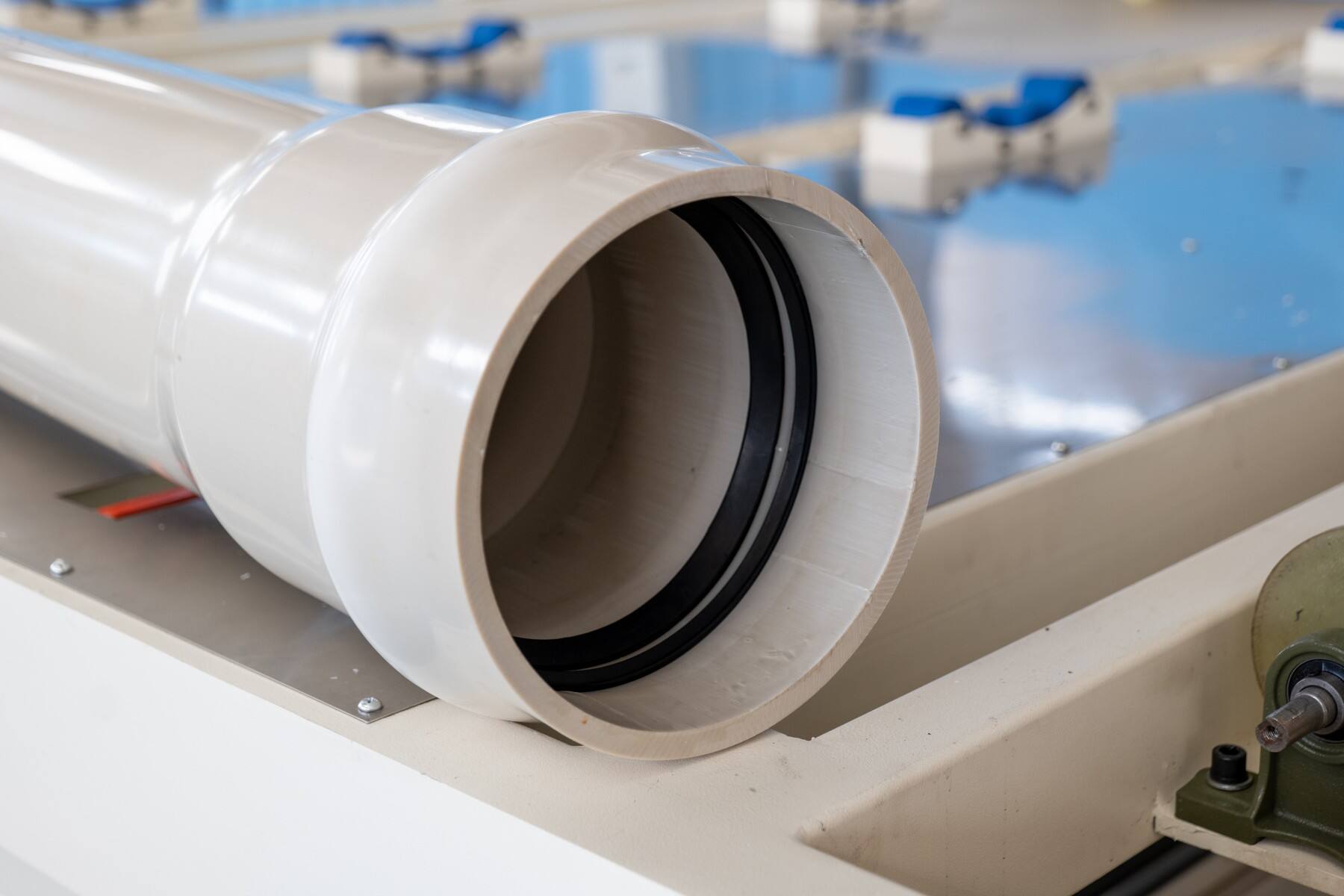
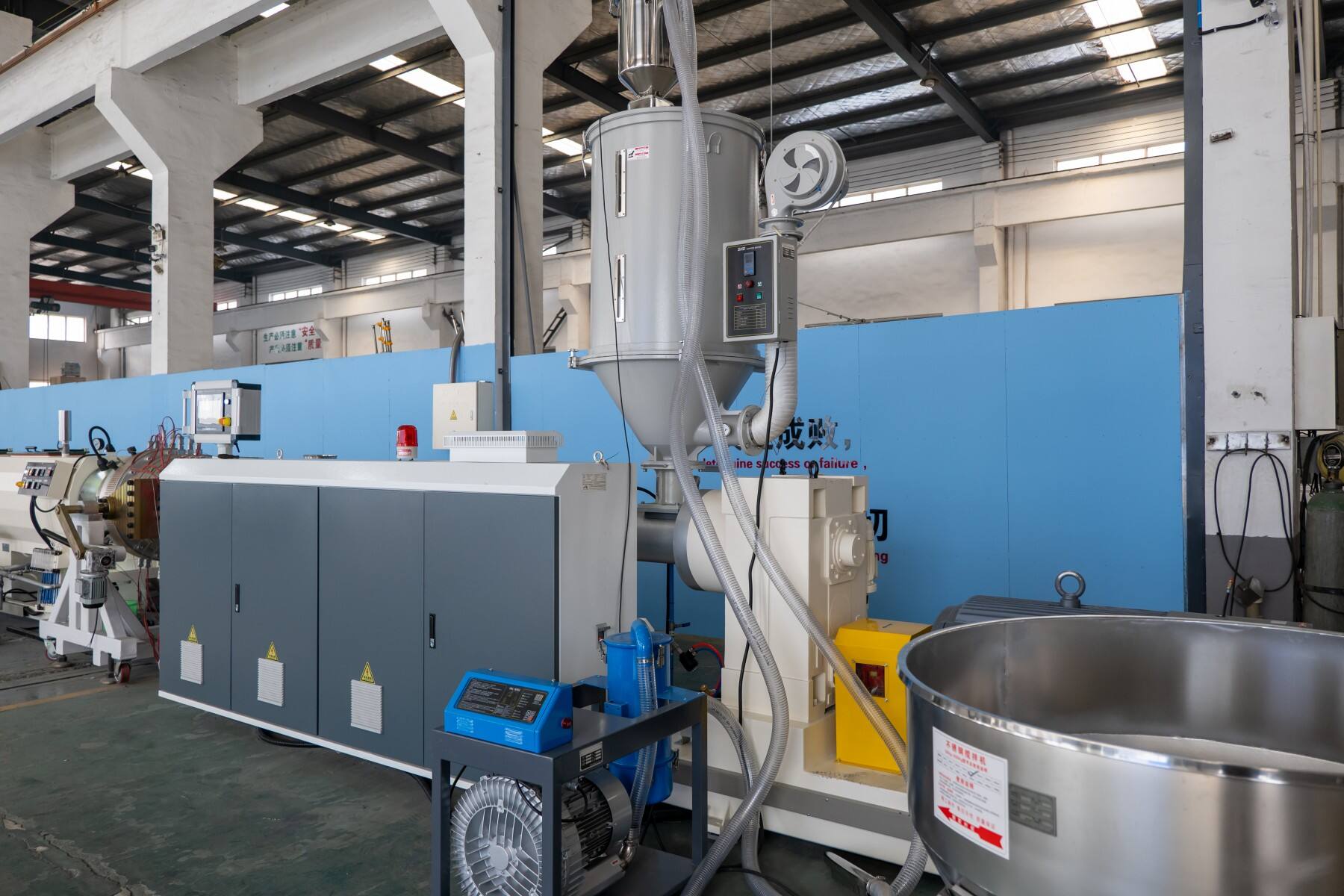
cable trunking machine
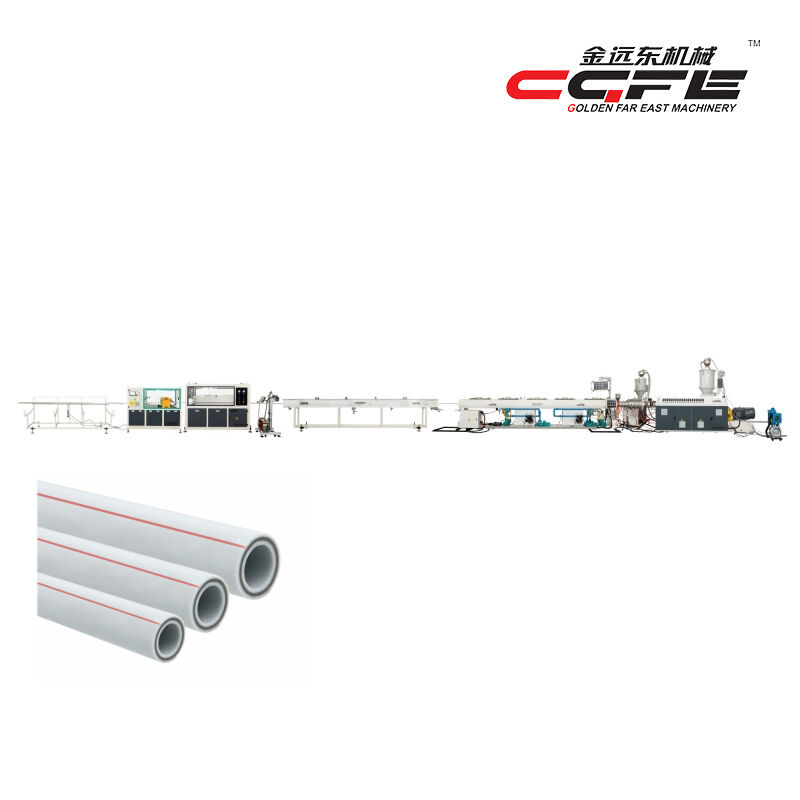
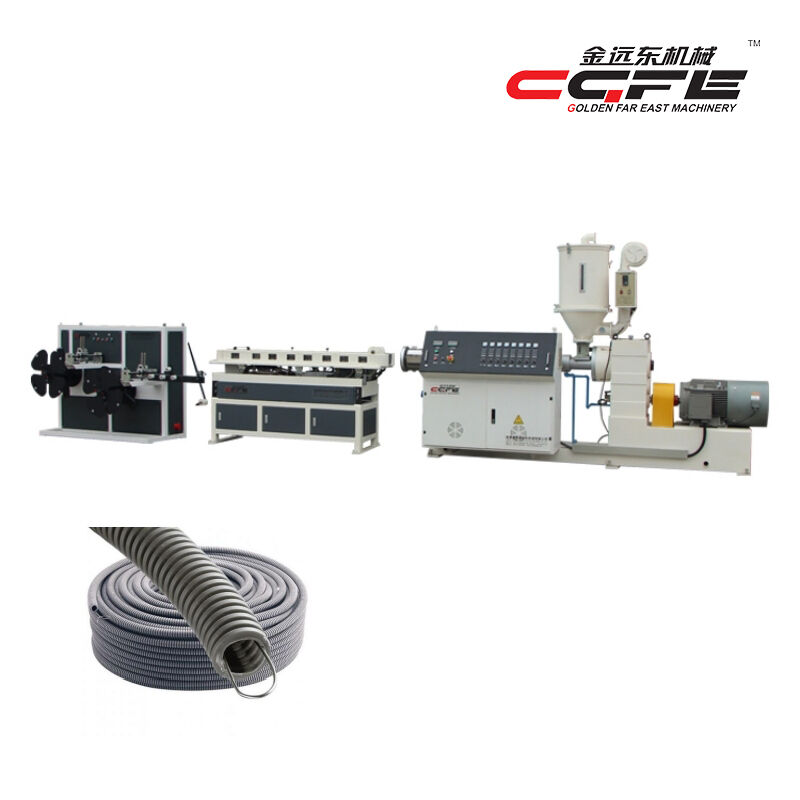
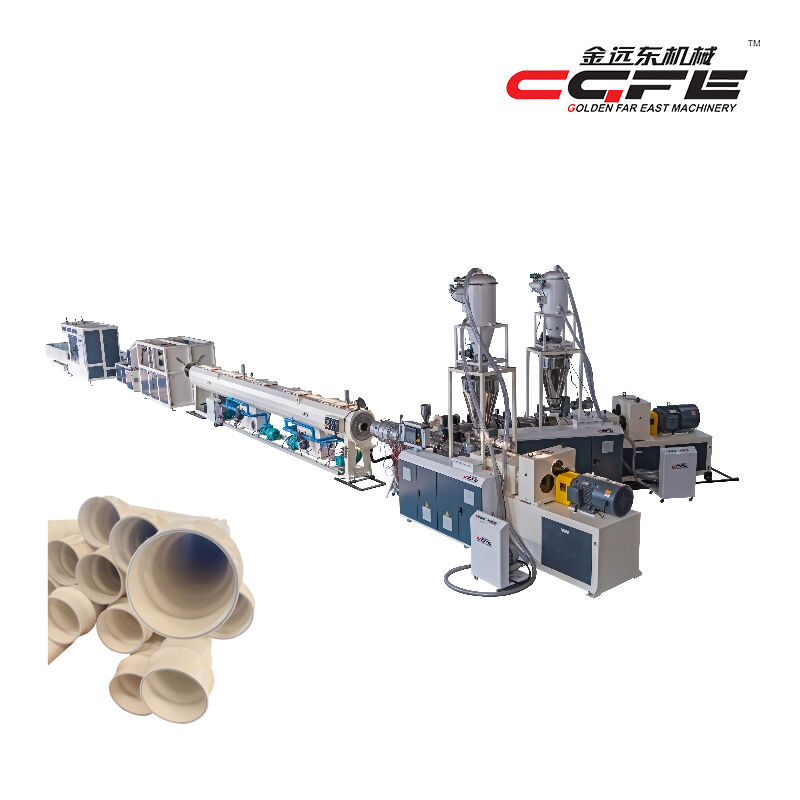
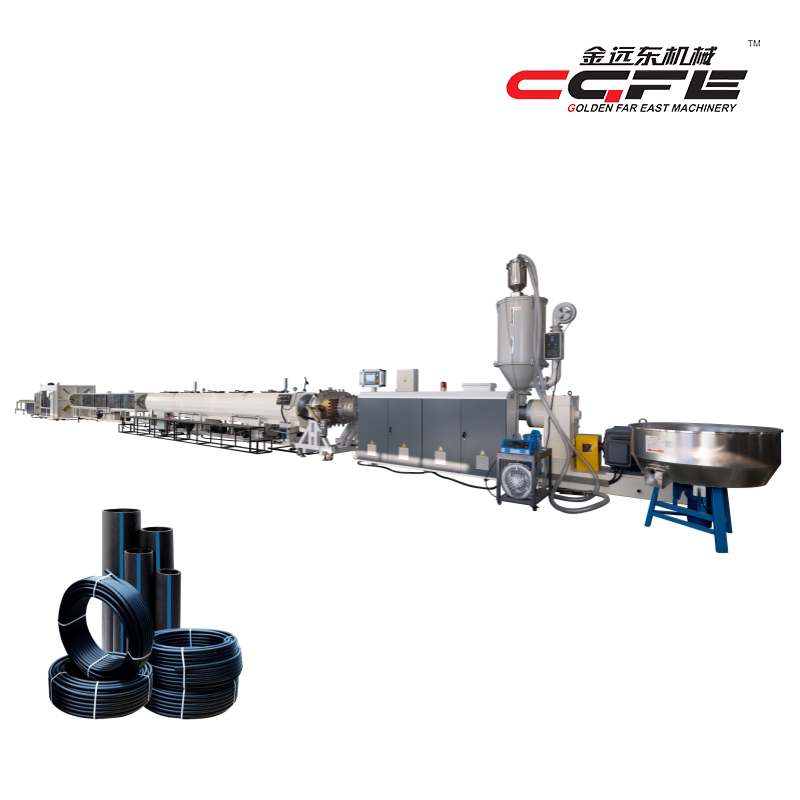
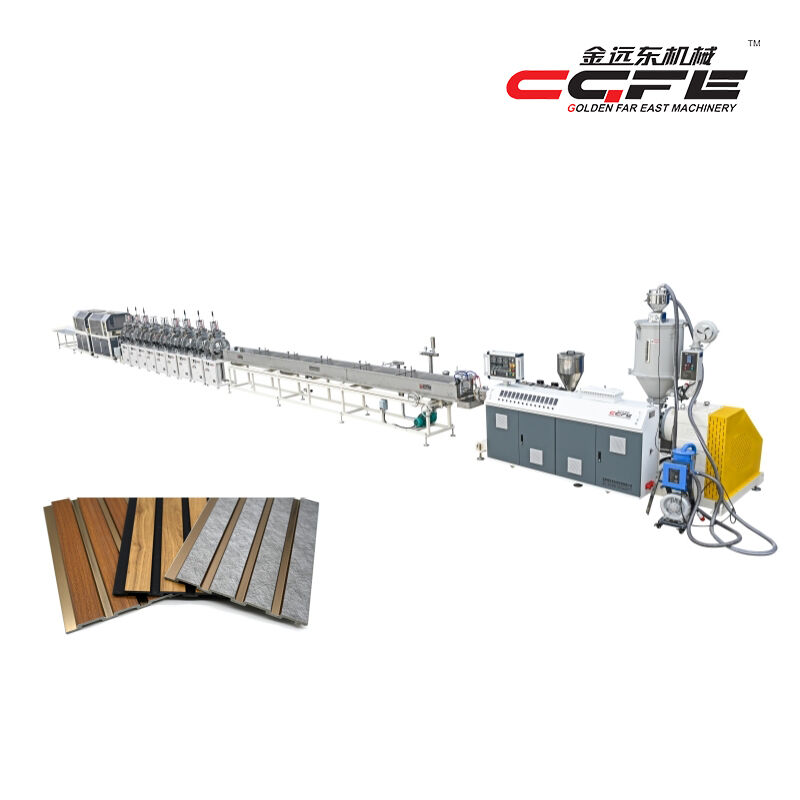
A cable trunking machine represents a sophisticated piece of industrial equipment designed to manufacture protective cable management systems used across various sectors. This specialized machinery produces cable trunking systems that safeguard electrical wiring installations in commercial buildings, industrial facilities, and residential projects. The cable trunking machine operates through precision engineering processes that transform raw materials into durable, standardized trunking components. Modern cable trunking machines incorporate advanced automation technologies, enabling manufacturers to produce consistent, high-quality products at scale. These machines typically feature computer-controlled systems that manage cutting, forming, and finishing operations with exceptional accuracy. The production process involves feeding metal strips or plastic materials through a series of rollers and cutting mechanisms that shape the material into specific trunking profiles. Temperature control systems ensure optimal material processing conditions, while integrated quality monitoring systems detect and correct deviations in real-time. Many cable trunking machines include multiple production lines that can simultaneously manufacture different trunking sizes and configurations. The technological architecture incorporates servo motors for precise positioning, hydraulic systems for powerful forming operations, and programmable logic controllers that coordinate all machine functions. Safety features such as emergency stops, protective barriers, and automatic shutdown systems ensure operator protection during production cycles. The cable trunking machine can process various materials including galvanized steel, stainless steel, aluminum, and specialized plastic compounds, depending on the intended application requirements. Output capacity varies significantly based on machine specifications, with industrial-grade units capable of producing thousands of linear meters daily. These machines support sustainable manufacturing practices through efficient material utilization and energy consumption optimization, making them valuable investments for companies focused on environmental responsibility and operational efficiency.


 EN
EN