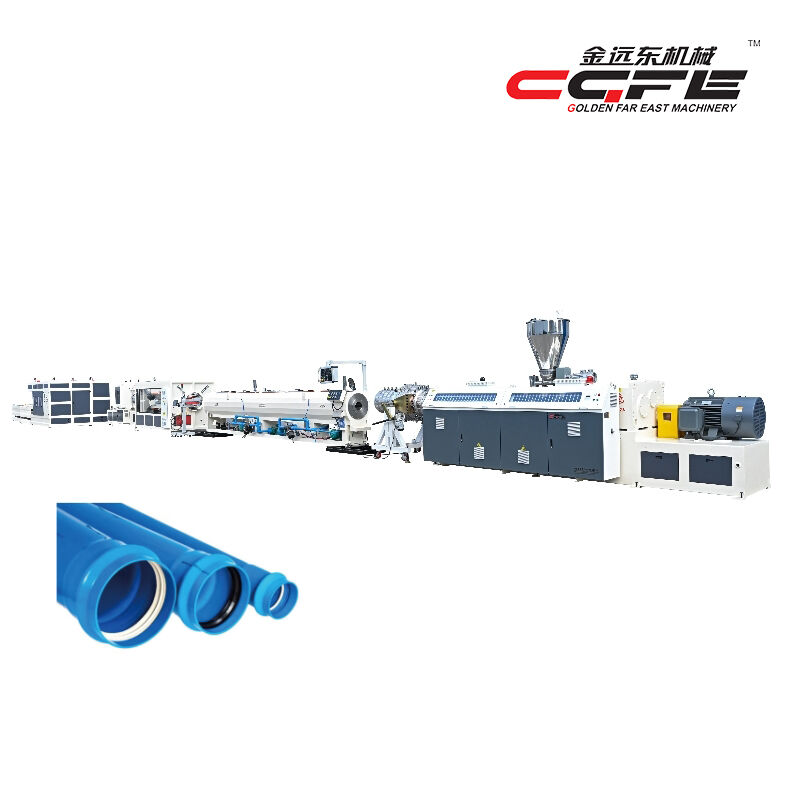
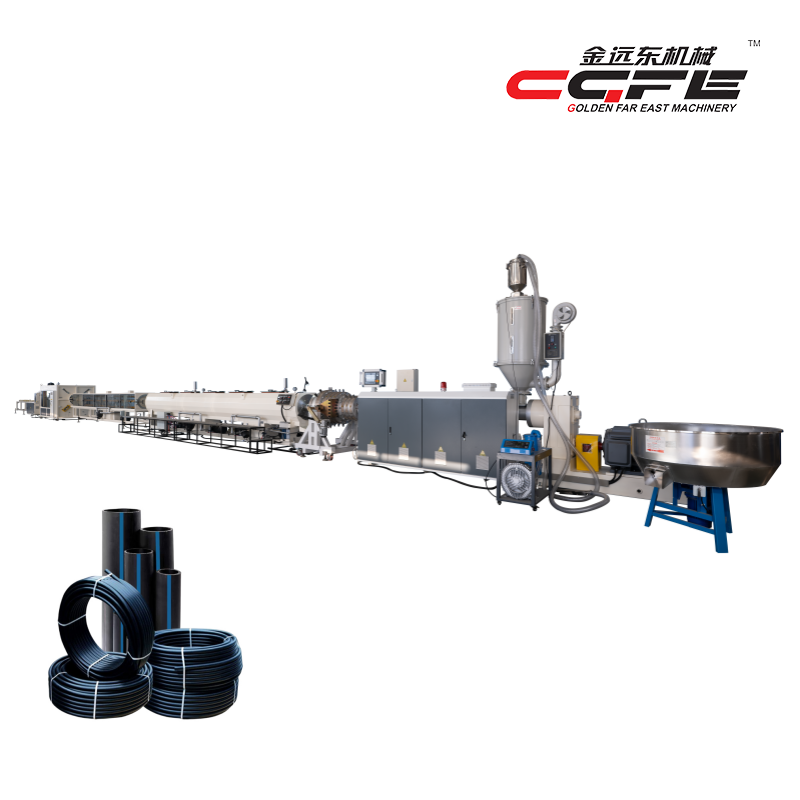
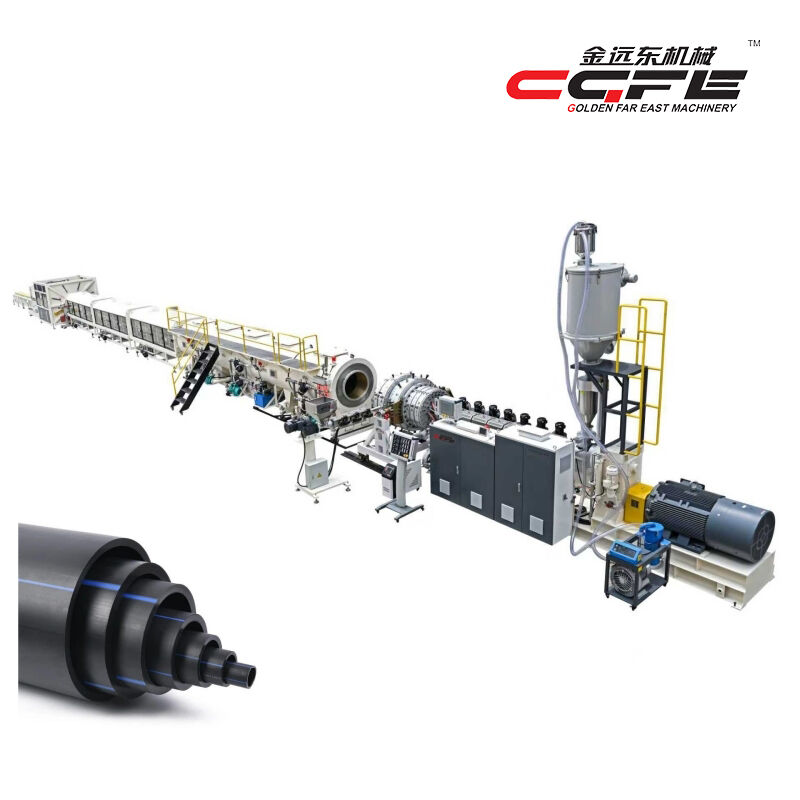
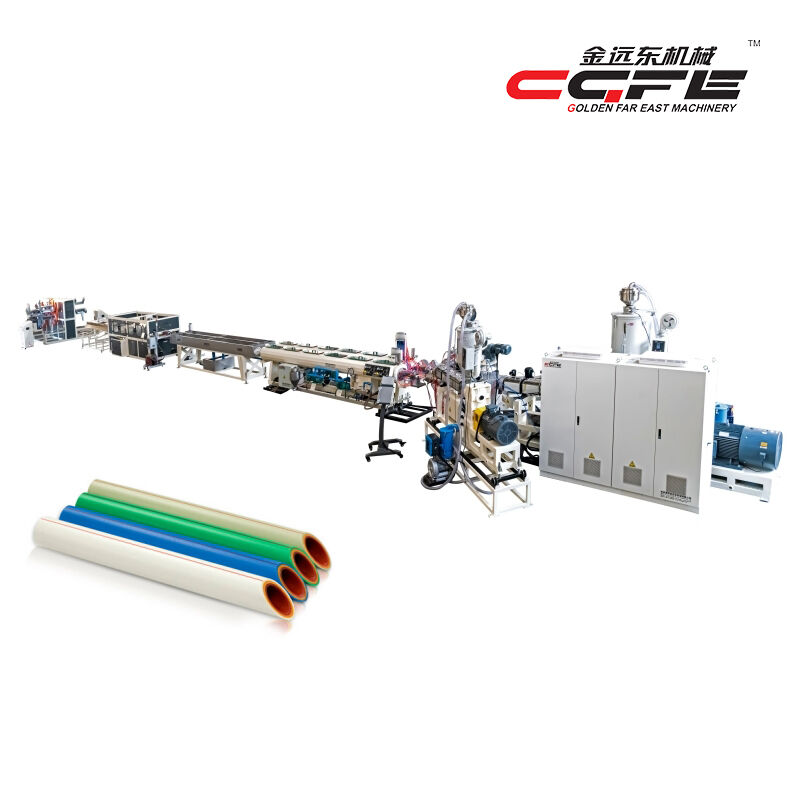
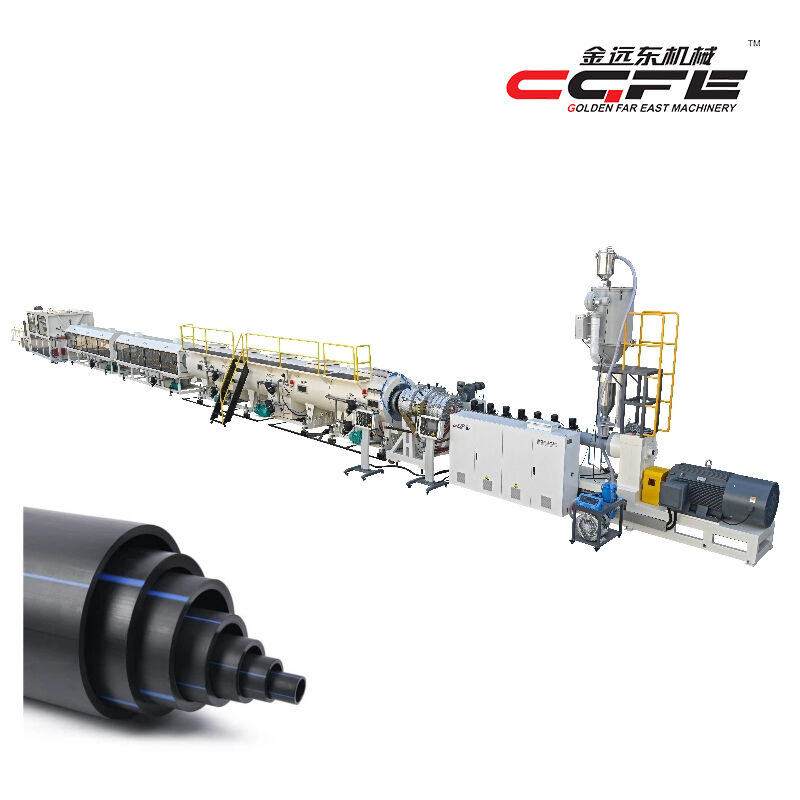
hdpe pipe line
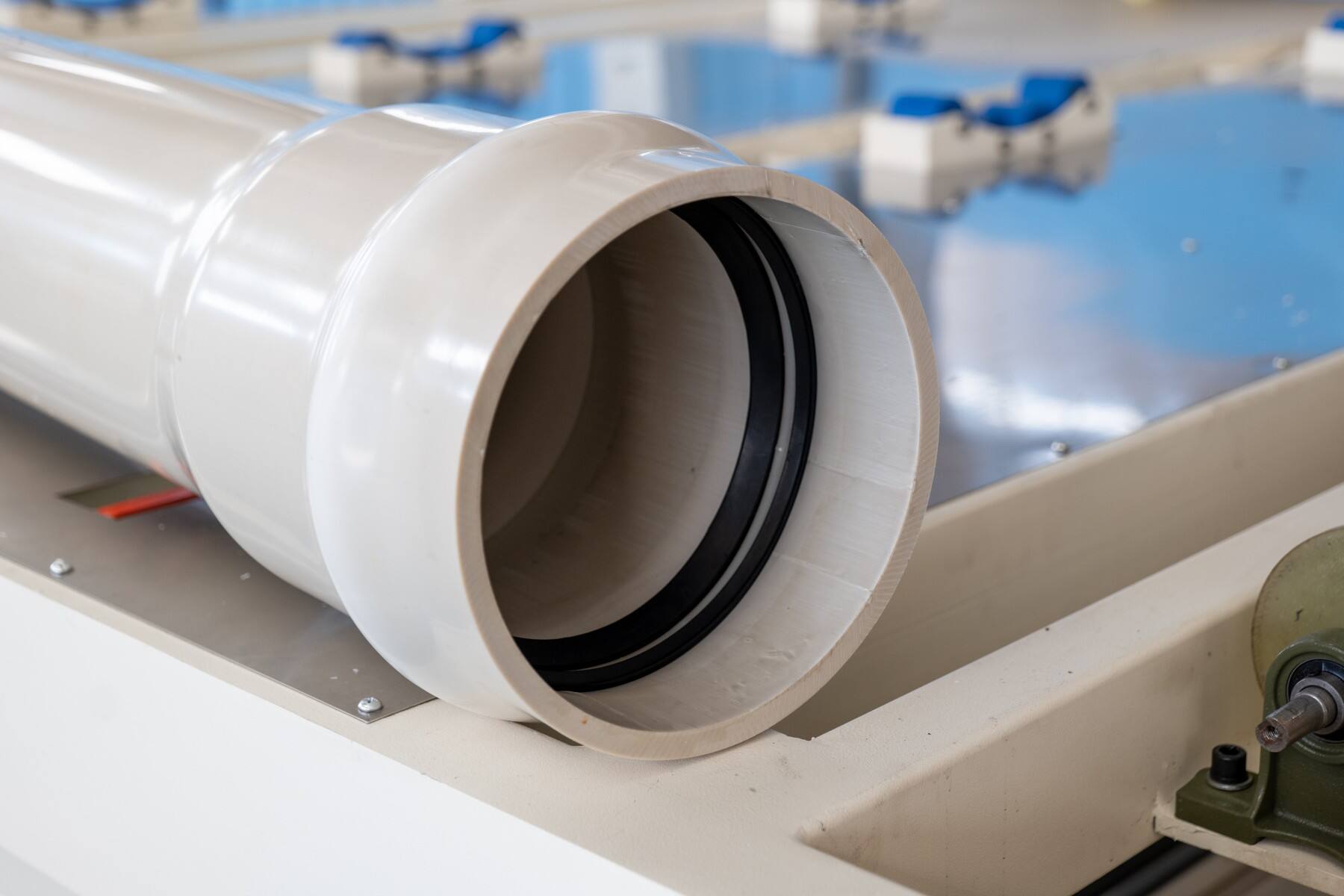
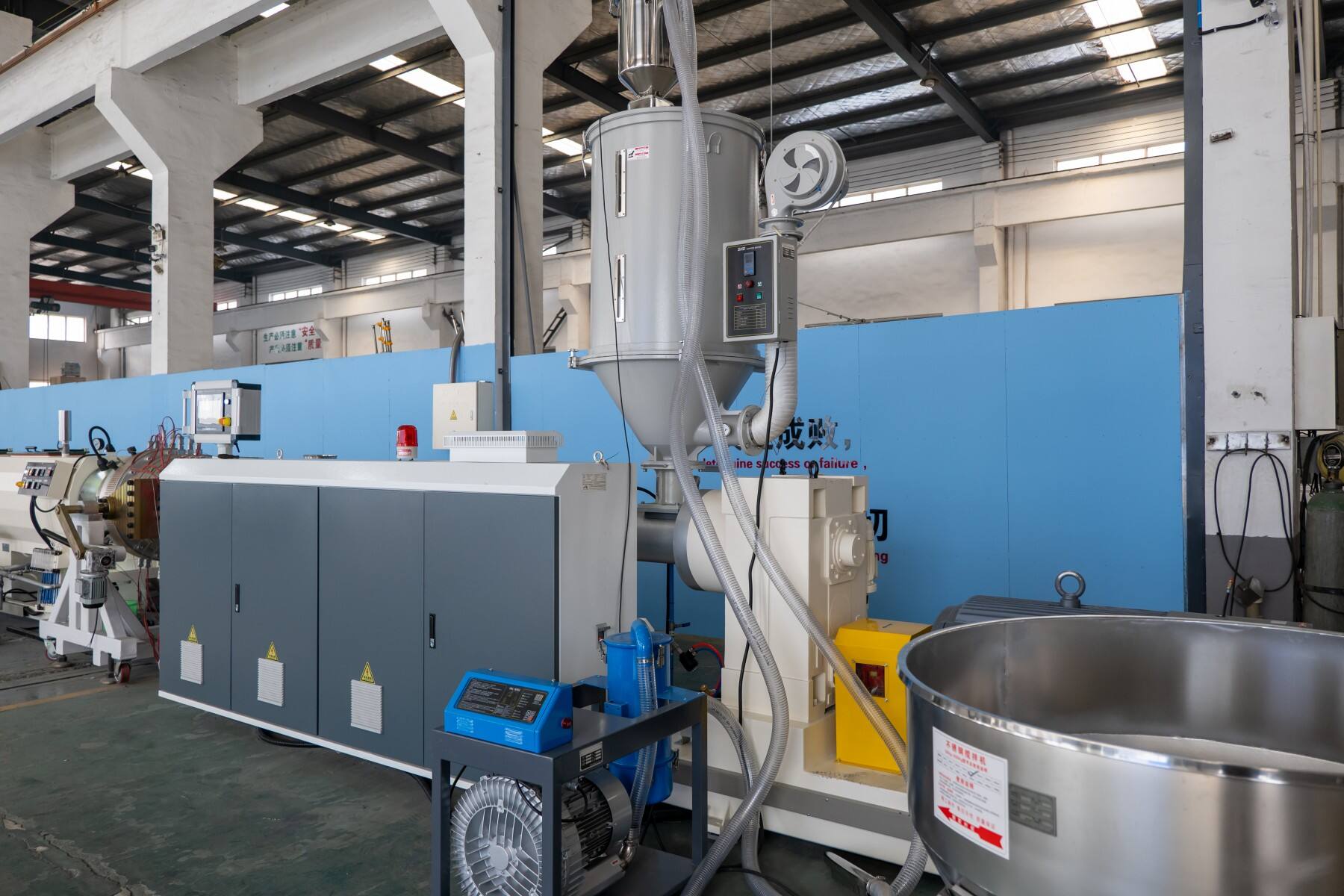
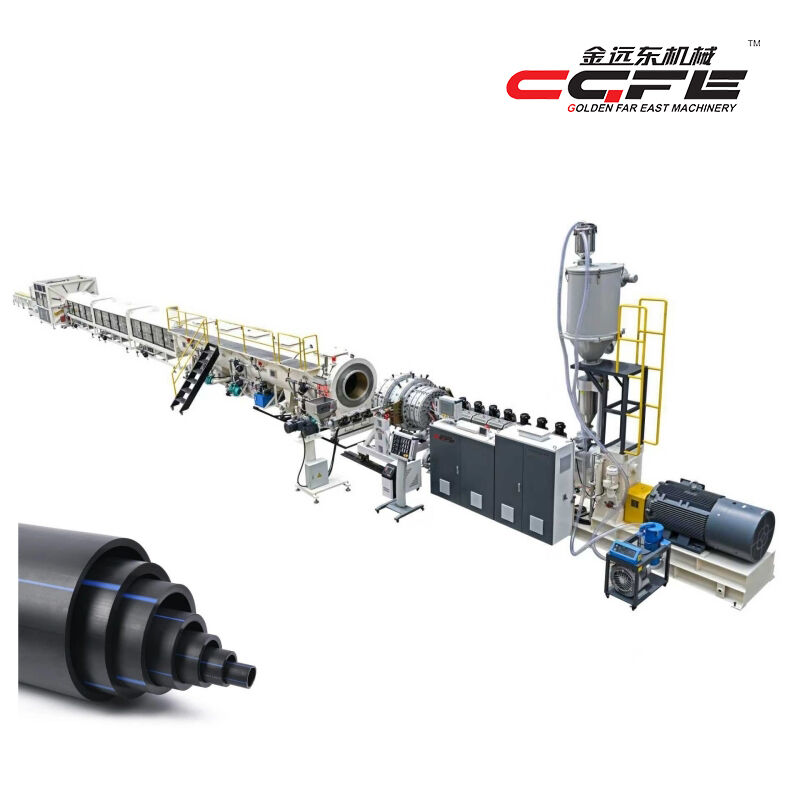
The HDPE pipe line represents a revolutionary advancement in modern piping infrastructure, delivering exceptional performance across diverse industrial and commercial applications. High-Density Polyethylene pipe systems offer superior durability, flexibility, and cost-effectiveness compared to traditional materials like steel, concrete, or PVC. These innovative pipe lines feature advanced polymer technology that creates seamless, leak-resistant connections capable of withstanding extreme environmental conditions. The HDPE pipe line construction utilizes thermoplastic materials that maintain structural integrity under varying temperature ranges, from freezing conditions to high-heat applications. Manufacturing processes involve specialized extrusion techniques that ensure consistent wall thickness and dimensional accuracy throughout each pipe segment. The HDPE pipe line installation process incorporates heat fusion welding methods, creating monolithic joint systems that eliminate potential failure points common in mechanical connections. These pipe systems demonstrate remarkable resistance to chemical corrosion, making them ideal for transporting aggressive fluids, industrial waste, and potable water supplies. The lightweight nature of HDPE pipe line components significantly reduces transportation costs and simplifies installation procedures, requiring minimal heavy machinery compared to alternative materials. Surface smoothness characteristics of the HDPE pipe line interior minimize friction losses, optimizing flow rates and reducing pumping energy requirements. Environmental sustainability remains a key feature, as HDPE pipe line materials are fully recyclable and contribute to reduced carbon footprint throughout their lifecycle. Quality control standards ensure each HDPE pipe line meets rigorous testing protocols for pressure ratings, impact resistance, and long-term performance reliability. The modular design approach allows for customized configurations that accommodate specific project requirements, terrain challenges, and future expansion needs.


 EN
EN