HDPE Pipe Extrusion Machine - Advanced Manufacturing Solutions for High-Quality Plastic Pipes

Get a Free Quote

Our representative will contact you soon.
Email
Name
Company Name
Message
0/1000

hdpe pipe extrusion machine

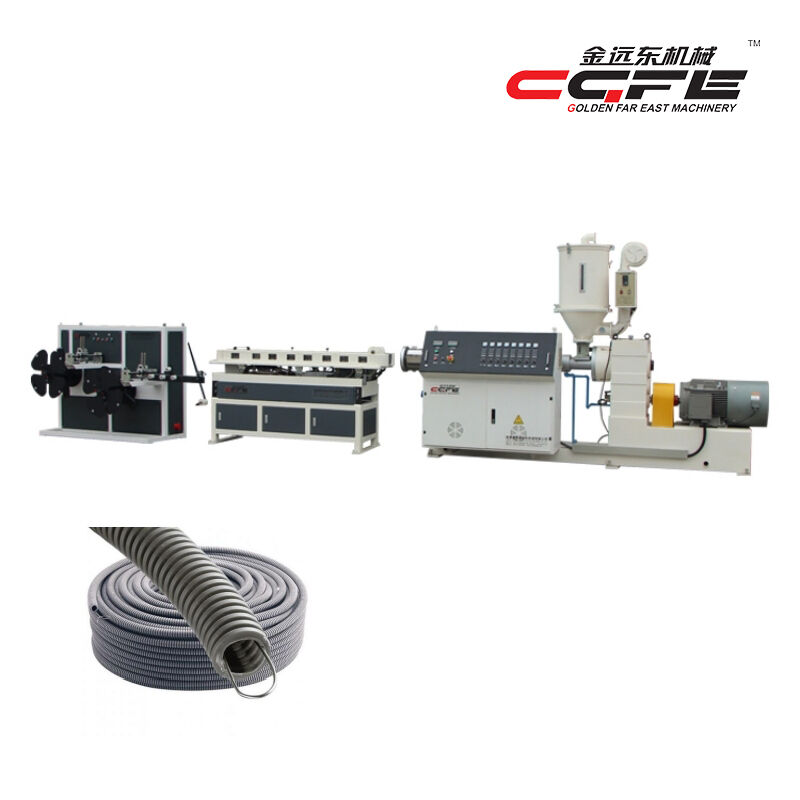
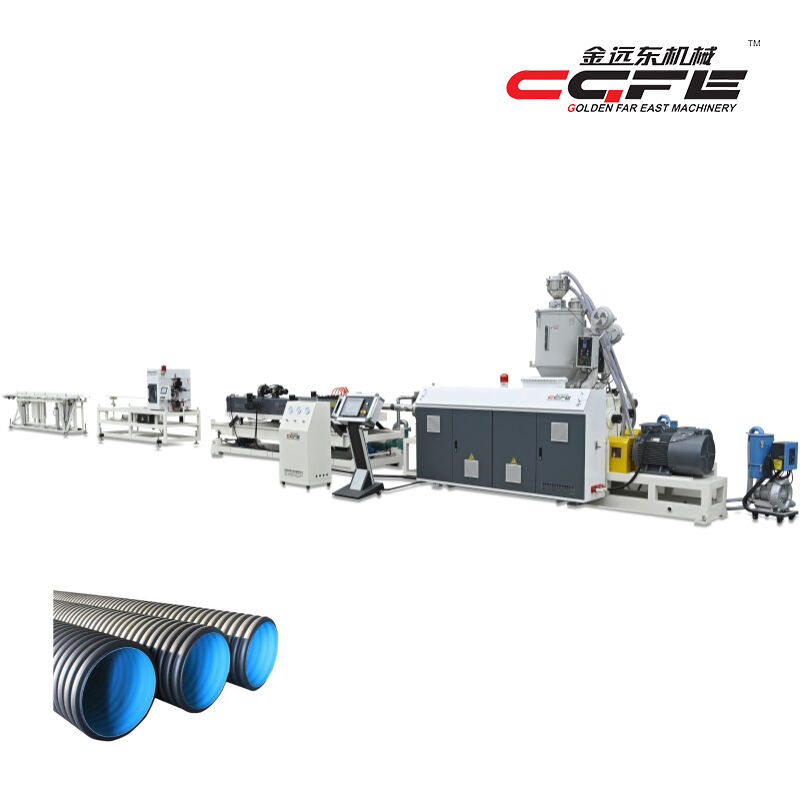
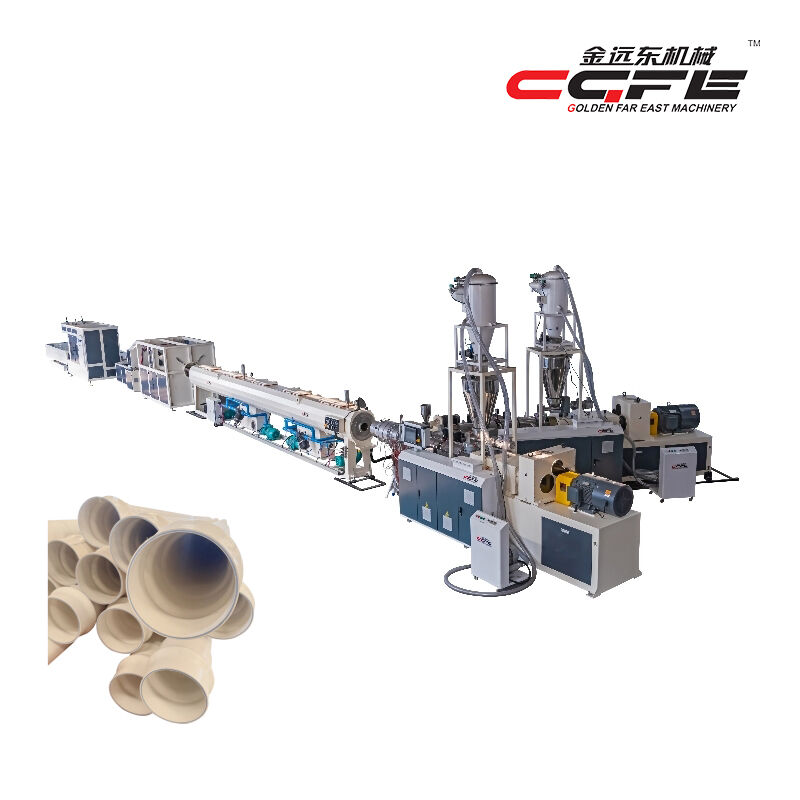
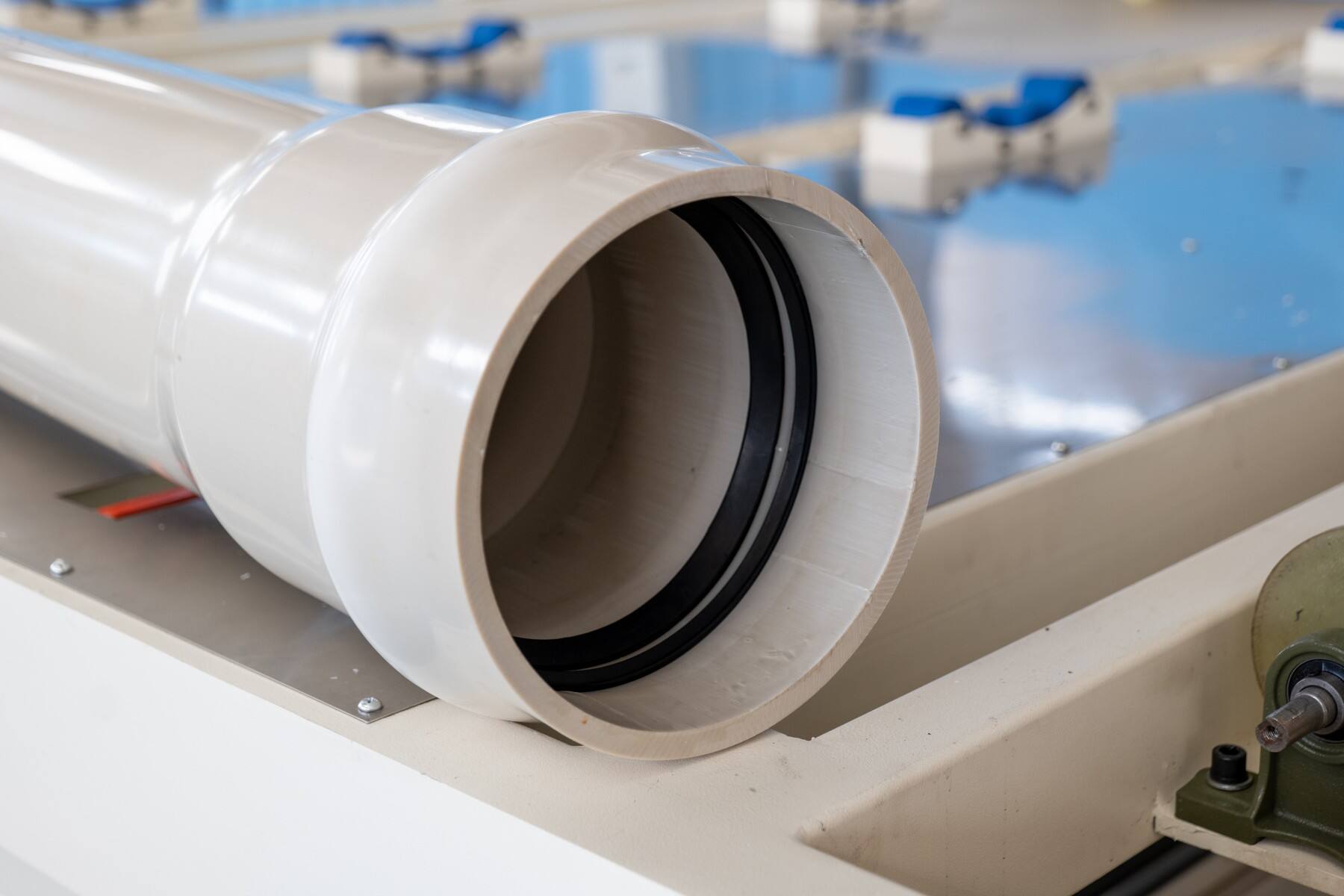
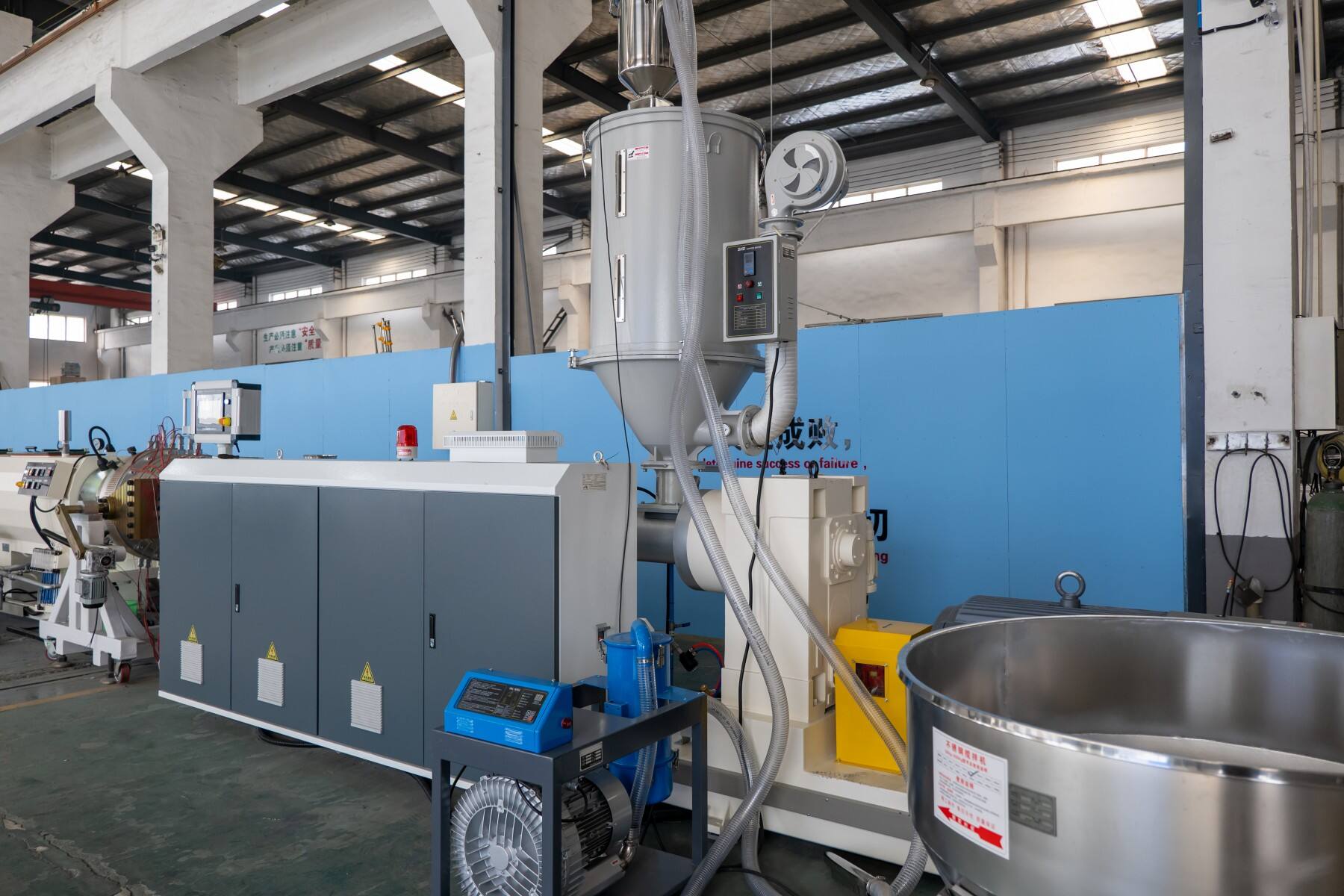
The hdpe pipe extrusion machine represents a cornerstone technology in modern plastic manufacturing, specifically designed for producing high-density polyethylene pipes with exceptional precision and reliability. This sophisticated equipment transforms raw HDPE pellets into durable piping solutions through a controlled heating and forming process. The machine operates by feeding HDPE material into a heated barrel where specialized screws melt and homogenize the plastic. The molten material then passes through a carefully calibrated die system that shapes it into the desired pipe dimensions. Advanced cooling systems ensure proper solidification while maintaining structural integrity throughout the production cycle. The hdpe pipe extrusion machine incorporates multiple technological features that distinguish it from conventional manufacturing equipment. Computer-controlled temperature regulation maintains optimal processing conditions across different zones of the extruder barrel. Precision screw designs optimize material flow and mixing efficiency, resulting in uniform wall thickness and superior surface finish. Modern units feature automated diameter control systems that continuously monitor and adjust pipe dimensions during production. Variable speed drives allow operators to fine-tune production rates according to specific requirements. The equipment typically includes integrated cutting systems that provide accurate length control and clean pipe ends. Quality monitoring systems track critical parameters such as pressure, temperature, and dimensional accuracy in real-time. Applications for the hdpe pipe extrusion machine span numerous industries including water distribution, gas transportation, telecommunications, and industrial processing. Municipal water systems rely heavily on HDPE pipes produced by these machines due to their corrosion resistance and longevity. Agricultural irrigation networks benefit from the flexibility and chemical resistance of extruded HDPE piping. The telecommunications industry uses smaller diameter pipes for cable protection and routing. Industrial applications include chemical processing lines where resistance to aggressive substances proves essential for operational safety and reliability.

Popular Products

The hdpe pipe extrusion machine delivers substantial cost savings compared to alternative pipe manufacturing methods. Companies reduce material waste significantly through precise control systems that minimize off-specification products. Energy efficiency improvements result from advanced heating technologies and optimized screw designs that require less power consumption per unit of production. Labor costs decrease substantially as automated systems handle most operational tasks with minimal human intervention. Maintenance requirements remain low due to robust construction and high-quality components that withstand continuous operation. Production flexibility stands out as a major advantage, allowing manufacturers to switch between different pipe sizes and specifications without extensive equipment modifications. The hdpe pipe extrusion machine adapts quickly to varying market demands through programmable control systems. Operators can adjust wall thickness, diameter, and length parameters efficiently to meet diverse customer requirements. This versatility enables businesses to serve multiple market segments from a single production line, maximizing equipment utilization and return on investment. Quality consistency emerges as another significant benefit, with modern machines producing pipes that meet stringent industry standards consistently. Automated monitoring systems detect deviations immediately and make real-time corrections to maintain product specifications. This reliability reduces rejection rates and builds customer confidence in the final products. The controlled manufacturing environment eliminates many variables that affect product quality in traditional methods. Environmental advantages include reduced energy consumption and lower emission levels compared to other manufacturing processes. The hdpe pipe extrusion machine operates with minimal waste generation, as scrap material can be recycled back into the production process. Efficient heating systems reduce overall energy requirements while maintaining optimal processing temperatures. Modern equipment incorporates eco-friendly technologies that minimize environmental impact without compromising production efficiency. Operational safety benefits include enclosed processing areas that protect workers from hot surfaces and moving components. Emergency shutdown systems respond instantly to unusual conditions, preventing potential accidents and equipment damage. User-friendly control interfaces reduce operator training time and minimize the risk of operational errors. Regular safety features ensure compliance with international manufacturing standards and workplace regulations.

Practical Tips

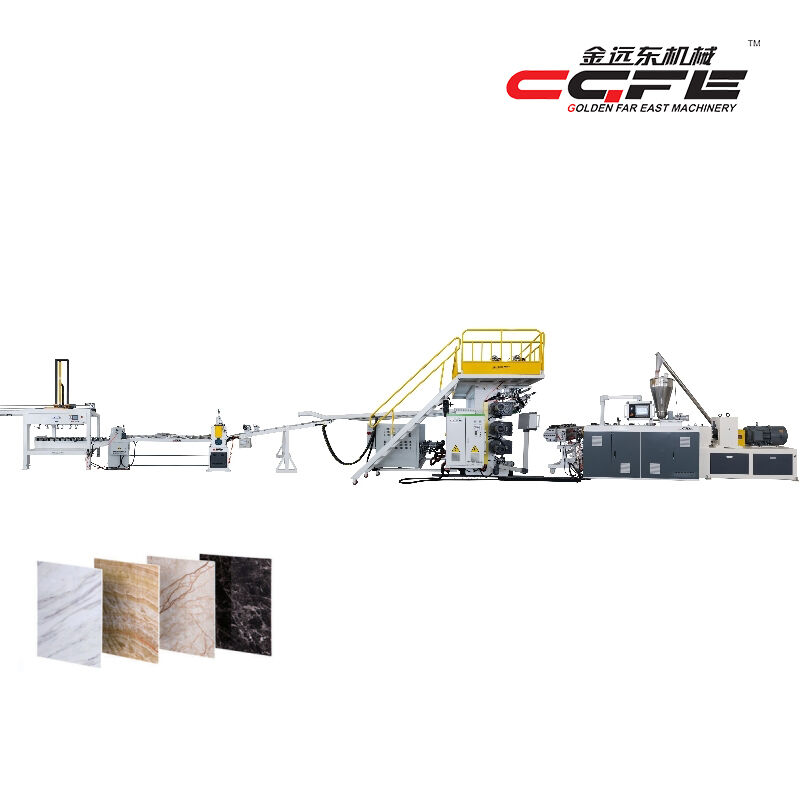
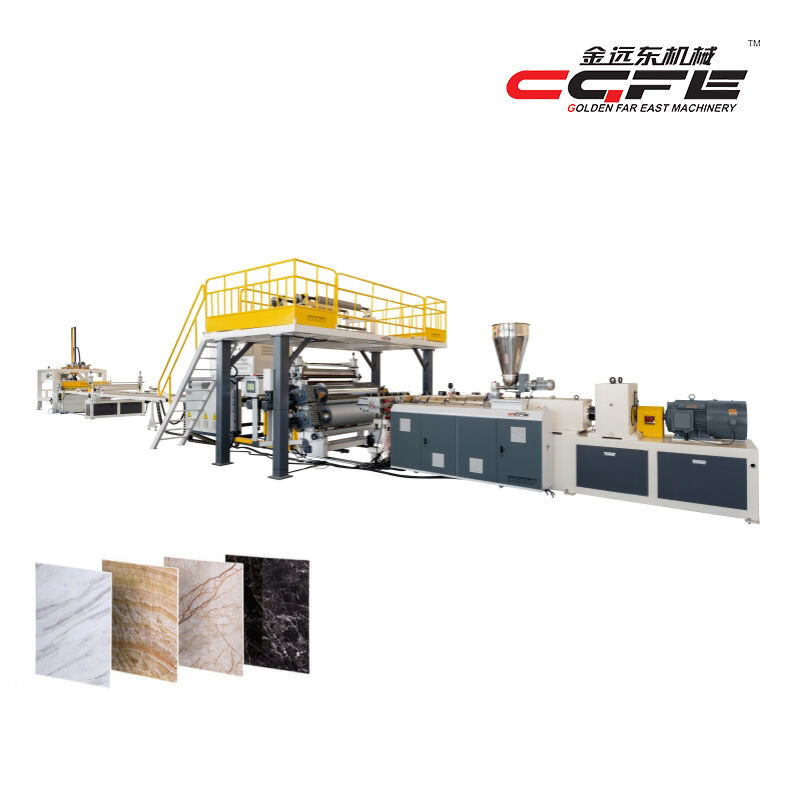
PVC  marble sheet production line-creating a new choice for high-quality decoration

15

Dec

PVC marble sheet production line-creating a new choice for high-quality decoration

View More
Optimizing Production with PVC Pipe Extrusion Machine Lines

15

Dec

Optimizing Production with PVC Pipe Extrusion Machine Lines

View More
Optimizing Performance and Sustainability in PE Pipe Extrusion: Innovations and Best Practices

15

Dec

Optimizing Performance and Sustainability in PE Pipe Extrusion: Innovations and Best Practices

View More

Get a Free Quote

Our representative will contact you soon.
Email
Name
Company Name
Message
0/1000

hdpe pipe extrusion machine

Advanced Temperature Control Technology

Advanced Temperature Control Technology

The hdpe pipe extrusion machine incorporates sophisticated temperature control systems that represent a significant technological advancement in plastic processing equipment. Multiple heating zones along the extruder barrel maintain precise temperature profiles tailored to HDPE material characteristics. Each zone operates independently with dedicated temperature sensors and heating elements that respond rapidly to process variations. This granular control ensures optimal melting conditions throughout the material flow path, preventing degradation and maintaining consistent polymer properties. The control system continuously monitors temperature variations and makes micro-adjustments to maintain stability within tight tolerances. Advanced algorithms predict temperature trends and proactively adjust heating elements before deviations occur. This predictive capability prevents quality issues and reduces material waste significantly. The temperature control technology also includes specialized cooling systems for the die and calibration sections. Precisely controlled cooling rates ensure proper crystallization and dimensional stability in the finished pipes. Water cooling circuits maintain uniform temperatures across the pipe circumference, preventing warping and ensuring round cross-sections. The integration of heating and cooling systems creates an optimal thermal environment that maximizes production efficiency while maintaining superior product quality. Energy efficiency benefits emerge from intelligent heating zone management that reduces power consumption during steady-state operations. The system deactivates unnecessary heating elements during production pauses and optimizes energy usage based on material throughput rates. This intelligent energy management reduces operational costs while maintaining processing performance. Temperature control accuracy directly impacts the mechanical properties of extruded HDPE pipes, including tensile strength, impact resistance, and long-term durability. Consistent temperature profiles eliminate weak spots and ensure uniform material distribution throughout the pipe wall. This technological advantage translates into superior product performance and increased customer satisfaction. The user interface provides intuitive temperature monitoring and adjustment capabilities, allowing operators to optimize settings for different HDPE grades and pipe specifications without extensive technical knowledge.
Precision Dimensional Control System

Precision Dimensional Control System

The dimensional control capabilities of the hdpe pipe extrusion machine establish new standards for accuracy and consistency in pipe manufacturing. Sophisticated measuring systems continuously monitor pipe diameter, wall thickness, and ovality during production using non-contact laser technology. These measurement devices provide real-time feedback to automated control systems that make instantaneous adjustments to maintain specifications. The precision control system eliminates the dimensional variations commonly associated with manual adjustment methods. Closed-loop control algorithms analyze measurement data and automatically adjust die settings, take-up speeds, and cooling parameters to maintain target dimensions. This automation ensures consistent pipe quality regardless of operator skill levels or production duration. The system compensates for material property variations, ambient conditions, and equipment wear to maintain dimensional accuracy throughout extended production runs. Advanced calibration equipment includes vacuum-assisted sizing systems that provide gentle but precise dimensional control. These systems use controlled vacuum levels to draw the hot pipe against calibrated sizing surfaces, ensuring accurate outside diameter control without inducing stress concentrations. The calibration process maintains dimensional stability while allowing for thermal expansion and contraction during cooling. Multiple sizing stations provide progressive dimensional control that gradually brings the pipe to final specifications without sudden changes that could affect material properties. Wall thickness monitoring utilizes ultrasonic measurement technology that penetrates the pipe wall without contact. This non-destructive measurement provides continuous thickness data around the complete pipe circumference, detecting variations as small as 0.1 millimeters. The system alerts operators to trending issues before they result in out-of-specification products. Thickness control systems automatically adjust die gap settings to compensate for detected variations, maintaining uniform wall thickness throughout production. The dimensional control system includes statistical process control capabilities that track long-term trends and identify optimization opportunities. Historical data analysis reveals patterns that help operators fine-tune process parameters for improved consistency. This data-driven approach to process optimization reduces variability and improves overall production efficiency. The precision control technology ensures compliance with international standards for HDPE pipe dimensions, supporting customer confidence and market acceptance.
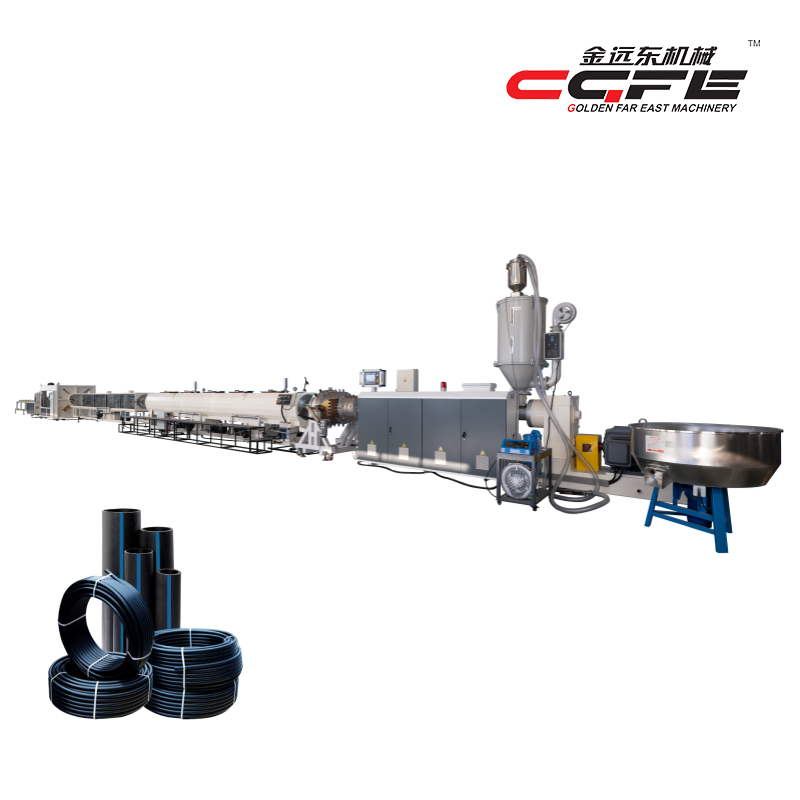
Integrated Quality Assurance Systems

Integrated Quality Assurance Systems

The comprehensive quality assurance capabilities integrated into the hdpe pipe extrusion machine provide unprecedented control over product quality and production consistency. Multi-parameter monitoring systems track critical quality indicators including material temperature, pressure profiles, cooling rates, and dimensional accuracy in real-time. These systems create detailed quality records for each production batch, supporting traceability requirements and quality certifications. Automated data collection eliminates human error in quality documentation while providing objective evidence of process control. The quality assurance system includes inline testing capabilities that evaluate pipe properties during production without interrupting the manufacturing process. Non-destructive testing methods assess material integrity, detect internal defects, and verify structural soundness. These tests provide immediate feedback on product quality, allowing operators to make corrections before significant quantities of defective material are produced. Continuous quality monitoring reduces waste and improves overall production efficiency. Advanced material handling systems ensure consistent feed rates and prevent contamination that could affect product quality. Sealed conveying systems protect raw materials from moisture and foreign particles that might compromise pipe properties. Material preheating systems condition HDPE pellets to optimal processing temperatures before entering the extruder, improving melt quality and reducing processing variations. Contamination detection systems identify foreign materials and automatically reject affected pipe sections. The integrated quality system includes comprehensive alarm and notification capabilities that alert operators to quality deviations immediately. Tiered alarm systems distinguish between minor variations requiring attention and critical issues requiring immediate intervention. Historical trending analysis identifies gradual quality drift before it results in product failures. The system maintains detailed quality logs that support continuous improvement initiatives and customer quality requirements. Process validation capabilities built into the quality assurance system ensure compliance with industry standards and customer specifications. Automated validation routines verify that all quality parameters remain within acceptable ranges throughout production. The system generates compliance reports automatically, reducing administrative burden while ensuring complete documentation. Quality certification support includes statistical analysis tools that demonstrate process capability and product consistency to customers and regulatory authorities.

Get a Free Quote

Our representative will contact you soon.
Email
Name
Company Name
Message
0/1000