Advanced PPR Pipe Extrusion Machine - High-Efficiency Manufacturing Solutions for Quality Pipe Production

Get a Free Quote

Our representative will contact you soon.
Email
Name
Company Name
Message
0/1000

ppr pipe extrusion machine

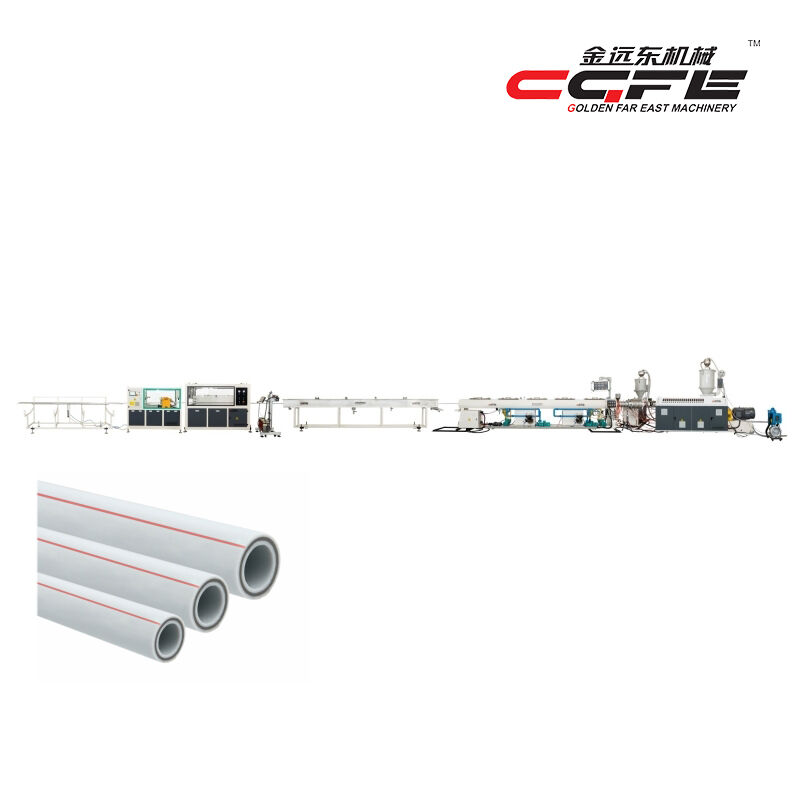
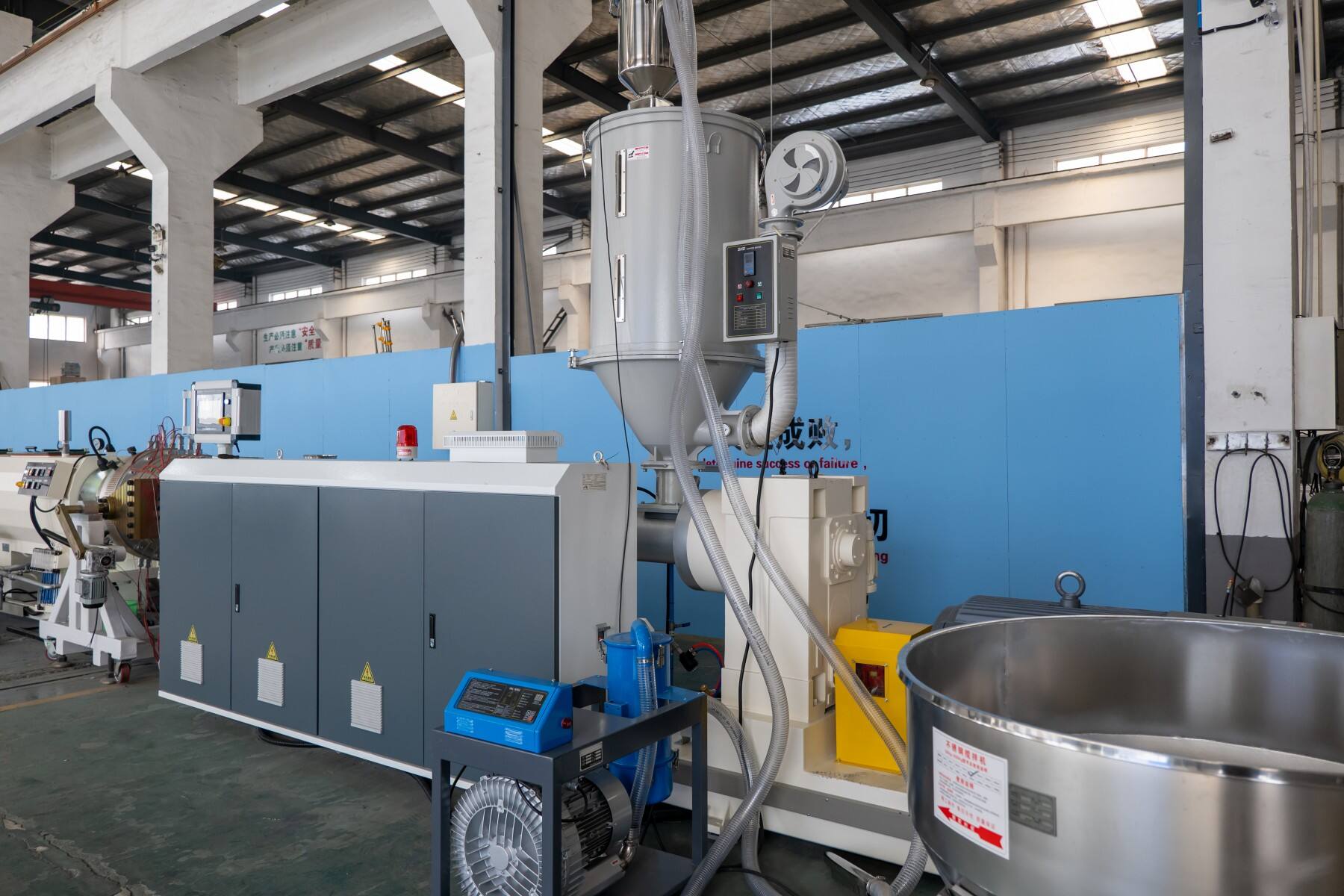
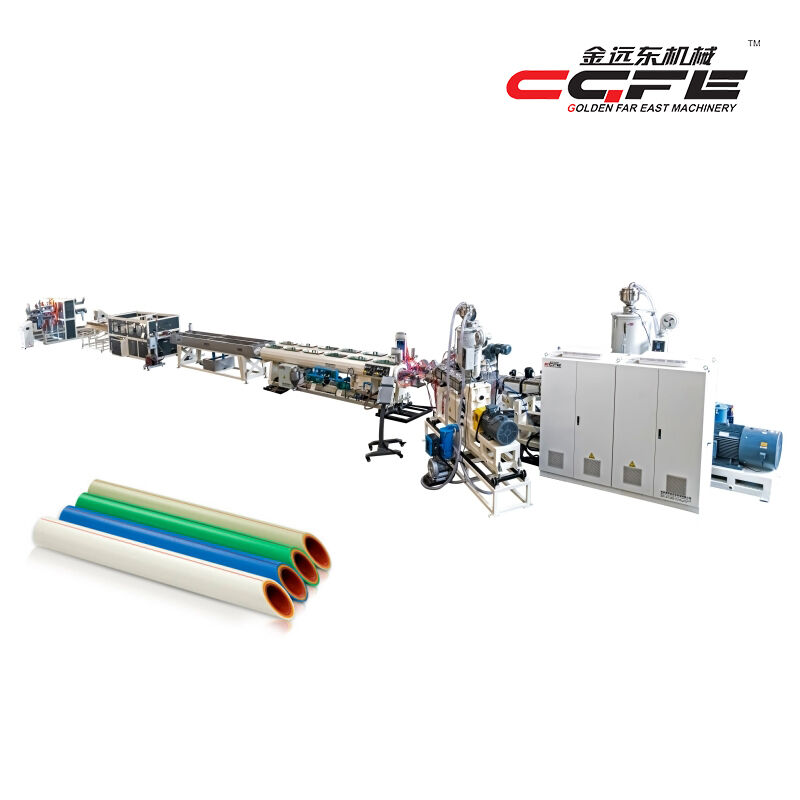
The PPR pipe extrusion machine represents a sophisticated manufacturing solution designed specifically for producing high-quality polypropylene random copolymer pipes. This advanced equipment integrates cutting-edge technology to transform raw PPR materials into durable, versatile piping systems used across residential, commercial, and industrial applications. The machine operates through a continuous extrusion process, where PPR granules are heated, melted, and shaped into precise pipe dimensions through specialized dies and cooling systems. Modern PPR pipe extrusion machines feature automated control systems that monitor temperature, pressure, and production speed to ensure consistent quality output. The equipment typically consists of several key components including the extruder unit, heating elements, cooling tanks, haul-off devices, and cutting mechanisms. These machines can produce pipes ranging from small diameter residential plumbing pipes to large-scale industrial conduits. The technological features of contemporary PPR pipe extrusion machines include advanced screw designs that optimize material flow and mixing, precise temperature control zones that prevent material degradation, and sophisticated calibration systems that maintain dimensional accuracy. Many models incorporate servo-driven systems for enhanced precision and energy efficiency. The production process involves feeding PPR granules into the extruder hopper, where they are transported through heated barrel zones by a rotating screw mechanism. As the material progresses through different temperature zones, it gradually melts and homogenizes before being forced through the pipe die. The formed pipe then passes through calibration sleeves and cooling baths to achieve final dimensions and structural integrity. Applications for PPR pipes produced by these machines span multiple sectors including hot and cold water distribution systems, heating installations, compressed air networks, and chemical transport systems. The versatility of PPR pipe extrusion machines allows manufacturers to produce various pipe specifications, wall thicknesses, and diameter ranges to meet diverse market demands and regulatory standards.

Popular Products

PPR pipe extrusion machines offer numerous compelling advantages that make them essential investments for pipe manufacturing operations. These machines deliver exceptional production efficiency by maintaining consistent output rates while minimizing material waste, resulting in significant cost savings for manufacturers. The automated control systems eliminate human error and ensure uniform product quality throughout extended production runs. Energy efficiency stands as a major benefit, with modern machines incorporating advanced heating technologies and insulation systems that reduce power consumption compared to traditional manufacturing methods. The precision engineering of these machines enables manufacturers to produce pipes with tight dimensional tolerances, meeting strict industry standards and customer specifications consistently. Maintenance requirements remain minimal due to robust construction and high-quality components, reducing downtime and operational costs. The versatility of PPR pipe extrusion machines allows single equipment setups to produce multiple pipe sizes and configurations, maximizing production flexibility and market responsiveness. Quality control features integrated into these machines include real-time monitoring systems that detect variations in wall thickness, diameter, or surface quality, enabling immediate corrections before defective products are produced. The rapid changeover capabilities between different pipe specifications minimize setup time and increase overall productivity. Material handling efficiency is enhanced through automated feeding systems that ensure consistent material flow and prevent contamination. The cooling systems in modern PPR pipe extrusion machines provide uniform temperature control, preventing internal stresses and ensuring optimal pipe performance characteristics. Environmental benefits include reduced emissions through efficient combustion systems and lower material waste generation. The user-friendly interfaces of contemporary machines simplify operator training and reduce the learning curve for new personnel. Production scalability allows manufacturers to adjust output volumes based on market demand without significant equipment modifications. The reliability of these machines translates to consistent delivery schedules and improved customer satisfaction. Advanced safety features protect operators while maintaining high production standards. The integration capabilities with existing production lines enable seamless workflow optimization and enhanced overall manufacturing efficiency. Investment returns are typically achieved within reasonable timeframes due to improved productivity, reduced labor costs, and consistent product quality that commands premium market pricing.

Practical Tips

PVC  marble sheet production line-creating a new choice for high-quality decoration

15

Dec

PVC marble sheet production line-creating a new choice for high-quality decoration

View More
Optimizing Production with PVC Pipe Extrusion Machine Lines

15

Dec

Optimizing Production with PVC Pipe Extrusion Machine Lines

View More
Optimizing Performance and Sustainability in PE Pipe Extrusion: Innovations and Best Practices

15

Dec

Optimizing Performance and Sustainability in PE Pipe Extrusion: Innovations and Best Practices

View More

Get a Free Quote

Our representative will contact you soon.
Email
Name
Company Name
Message
0/1000

ppr pipe extrusion machine

Advanced Temperature Control Technology

Advanced Temperature Control Technology

The sophisticated temperature control system represents one of the most critical technological advantages of modern PPR pipe extrusion machines. This advanced feature ensures optimal processing conditions throughout the entire extrusion process, directly impacting product quality and production efficiency. The multi-zone heating system divides the extruder barrel into several independent temperature zones, each precisely controlled to match the specific thermal requirements of PPR material processing. This graduated heating approach prevents thermal shock and material degradation while promoting uniform melting and homogenization. The temperature control technology incorporates high-precision sensors that continuously monitor thermal conditions and provide real-time feedback to the control system. Advanced PID controllers automatically adjust heating elements to maintain target temperatures within narrow tolerances, typically within plus or minus two degrees Celsius. This precision prevents overheating that could cause material decomposition or underheating that results in poor melt quality. The system features rapid response capabilities that quickly compensate for temperature fluctuations caused by ambient conditions or production variables. Energy-efficient heating elements distribute heat uniformly across the barrel surface, eliminating hot spots that could create material inconsistencies. The insulation systems minimize heat loss, reducing energy consumption while maintaining stable processing temperatures. Cooling zones are equally sophisticated, featuring precise water temperature control and flow rate management to achieve optimal pipe cooling rates. This controlled cooling prevents internal stresses that could compromise pipe integrity or dimensional stability. The temperature control interface provides operators with intuitive monitoring displays showing real-time temperatures across all zones, enabling proactive adjustments and preventive maintenance scheduling. Safety features include automatic shutdown systems that activate when temperatures exceed safe operating limits, protecting both equipment and personnel. The advanced temperature control technology significantly reduces startup times, material waste during grade changes, and overall energy consumption while consistently delivering superior pipe quality that meets stringent industry standards and customer expectations.
Precision Dimensional Control System

Precision Dimensional Control System

The precision dimensional control system embedded within PPR pipe extrusion machines ensures consistent pipe geometry and dimensional accuracy that meets rigorous industry specifications and customer requirements. This sophisticated system combines advanced calibration technology with real-time measurement capabilities to maintain precise control over pipe diameter, wall thickness, and ovality throughout the production process. The calibration system utilizes precision-machined sizing sleeves and vacuum-assisted forming technology to establish and maintain exact pipe dimensions as the extruded material cools and solidifies. These sizing sleeves are manufactured to extremely tight tolerances, ensuring that every pipe produced maintains consistent external dimensions regardless of production speed or material variations. The vacuum calibration system creates controlled negative pressure that draws the pipe wall against the calibration sleeve, eliminating dimensional variations that could occur due to material elasticity or thermal expansion. Integrated measurement systems continuously monitor pipe dimensions using advanced laser or ultrasonic technology, providing real-time feedback to the control system for immediate adjustments when deviations are detected. The wall thickness measurement system employs non-contact sensors that scan the pipe continuously as it exits the calibration zone, detecting variations as small as 0.1 millimeters. This real-time monitoring enables automatic corrections to the die gap or extrusion speed to maintain consistent wall thickness throughout production runs. The ovality control system ensures that pipe cross-sections remain circular within specified tolerances, preventing connection issues and maintaining structural integrity. Advanced software algorithms analyze measurement data and automatically adjust process parameters to compensate for material property variations or environmental factors that could affect dimensional stability. The system maintains comprehensive production records, documenting dimensional measurements for quality assurance and traceability purposes. Changeover between different pipe sizes is streamlined through automated positioning systems that precisely adjust calibration components without manual intervention. The precision dimensional control system significantly reduces material waste by minimizing out-of-specification production, improves product consistency that enhances customer satisfaction, and enables manufacturers to meet strict certification requirements for various applications including pressure piping systems and building codes.
Energy-Efficient Production Technology

Energy-Efficient Production Technology

The energy-efficient production technology integrated into modern PPR pipe extrusion machines represents a significant advancement in sustainable manufacturing practices while delivering substantial cost savings for operators. This comprehensive approach to energy management encompasses multiple systems and technologies that work synergistically to minimize power consumption without compromising production quality or output rates. The efficient motor systems utilize variable frequency drives that automatically adjust motor speed based on actual production requirements, eliminating energy waste during idle periods or reduced demand situations. These servo-driven systems provide precise control over material feeding, pipe pulling, and auxiliary equipment operations while consuming significantly less energy than traditional constant-speed motors. Advanced insulation technology surrounds heating zones with high-performance materials that minimize heat loss to the surrounding environment, reducing the energy required to maintain processing temperatures. The insulation systems incorporate reflective barriers and thermal breaks that prevent unwanted heat transfer while maintaining uniform temperature distribution across heating elements. Regenerative heating systems capture waste heat from cooling processes and redirect this thermal energy to preheat incoming materials or assist with barrel heating, creating a closed-loop energy recovery system that substantially reduces overall energy consumption. The efficient cooling systems optimize water circulation and temperature management to achieve required cooling rates with minimal energy input, utilizing heat exchangers and circulation pumps designed for maximum efficiency. Smart power management systems monitor energy consumption in real-time and automatically optimize equipment operation to minimize peak demand charges and reduce overall electricity costs. These systems can schedule energy-intensive operations during off-peak hours when electricity rates are lower, further reducing operational expenses. The streamlined mechanical design reduces friction losses and mechanical inefficiencies that traditionally consume significant amounts of energy in manufacturing equipment. Predictive maintenance systems prevent energy waste caused by worn components or misaligned systems, maintaining peak efficiency throughout the equipment lifecycle. The energy-efficient production technology delivers measurable benefits including reduced carbon footprint, lower operational costs, improved competitiveness in energy-sensitive markets, and compliance with environmental regulations. Many manufacturers report energy savings of twenty to thirty percent compared to conventional extrusion equipment while maintaining or improving production quality and output rates.

Get a Free Quote

Our representative will contact you soon.
Email
Name
Company Name
Message
0/1000