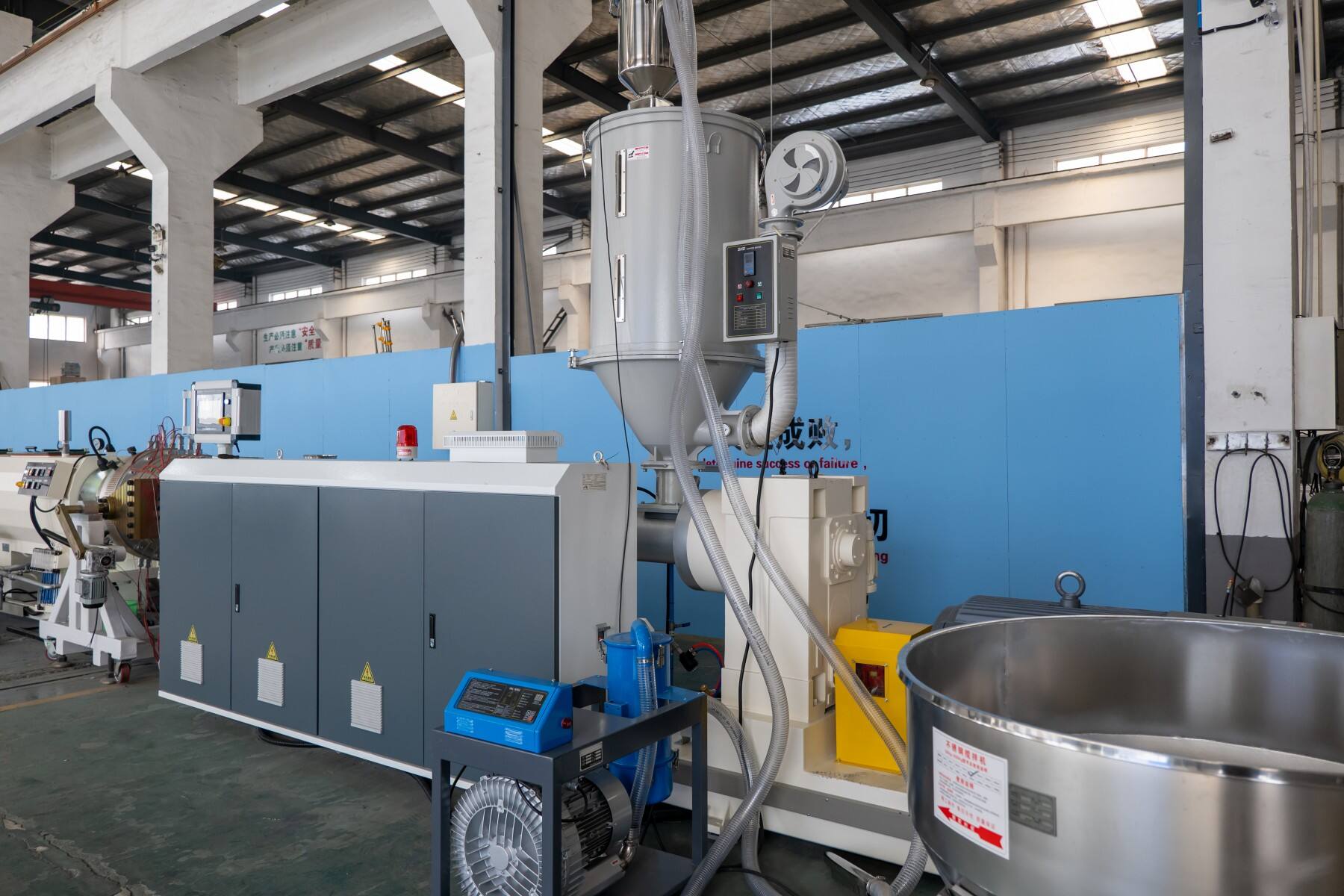
Advanced PVC Board Production Line - High Efficiency Manufacturing Solutions

Get a Free Quote

Our representative will contact you soon.
Email
Name
Company Name
Message
0/1000

pvc board production line

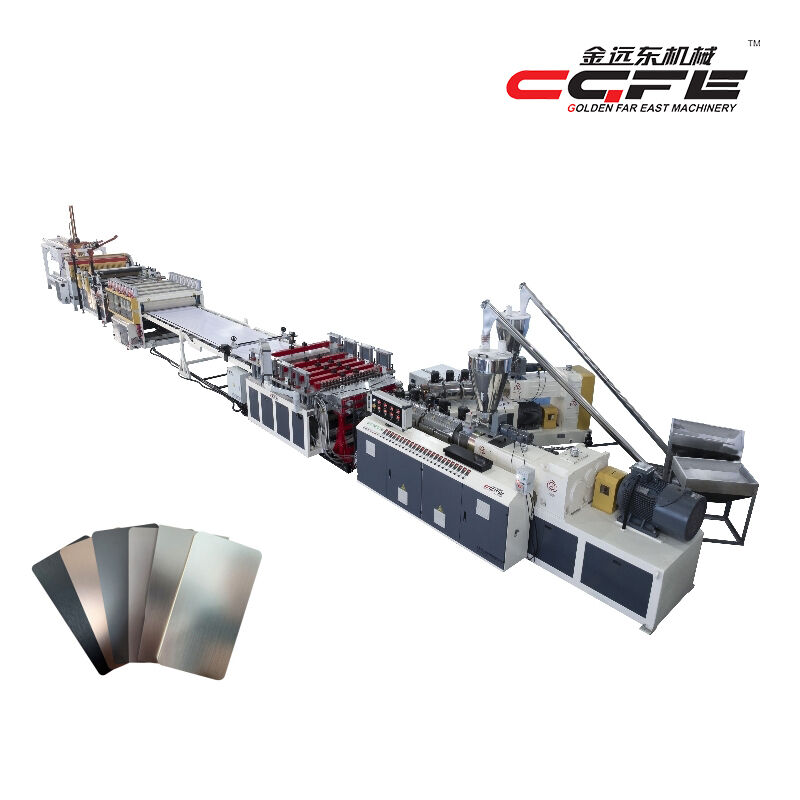
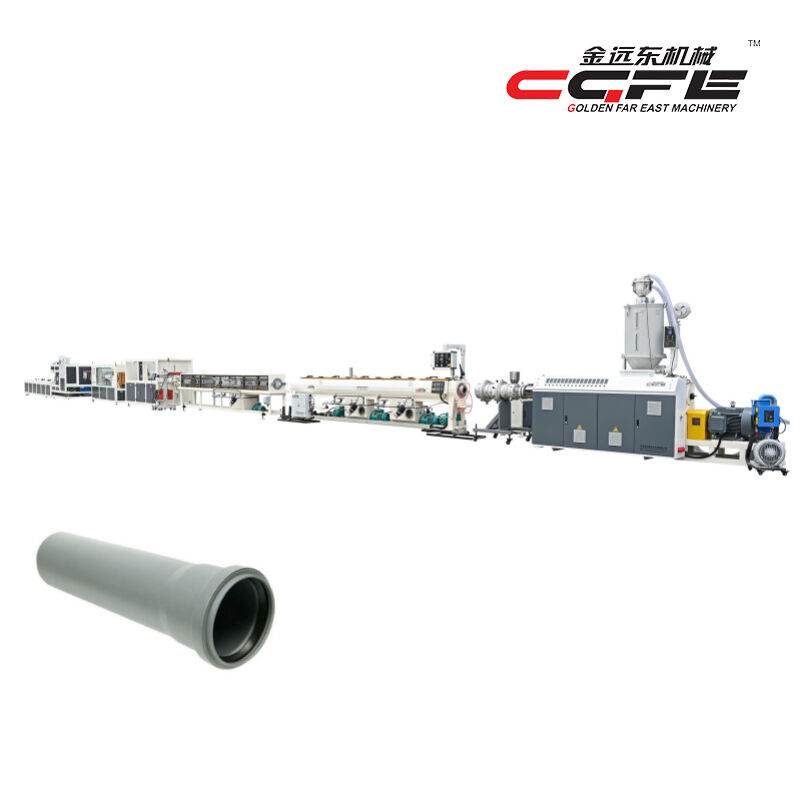
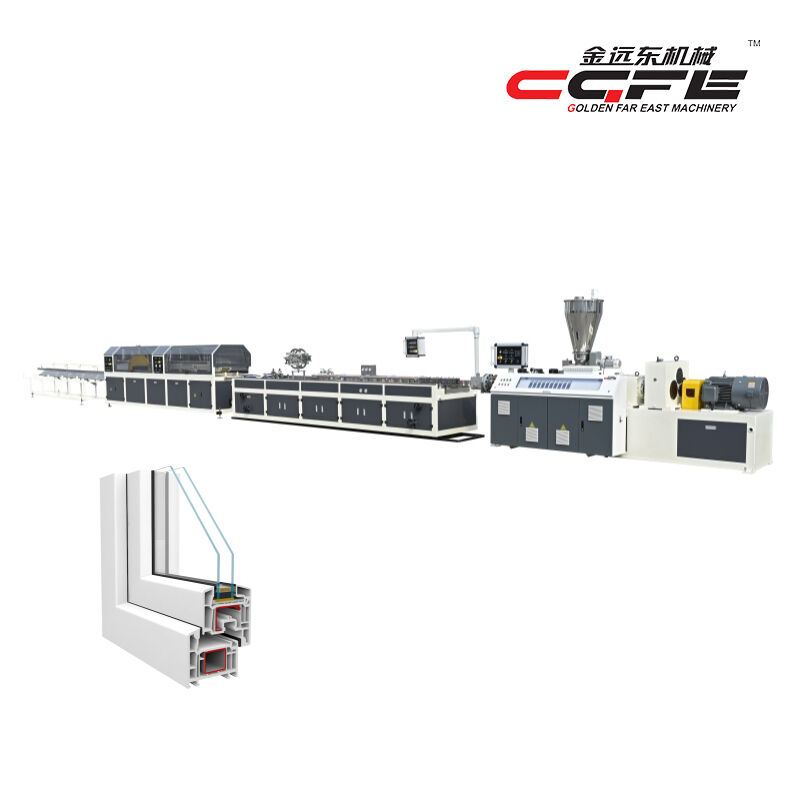
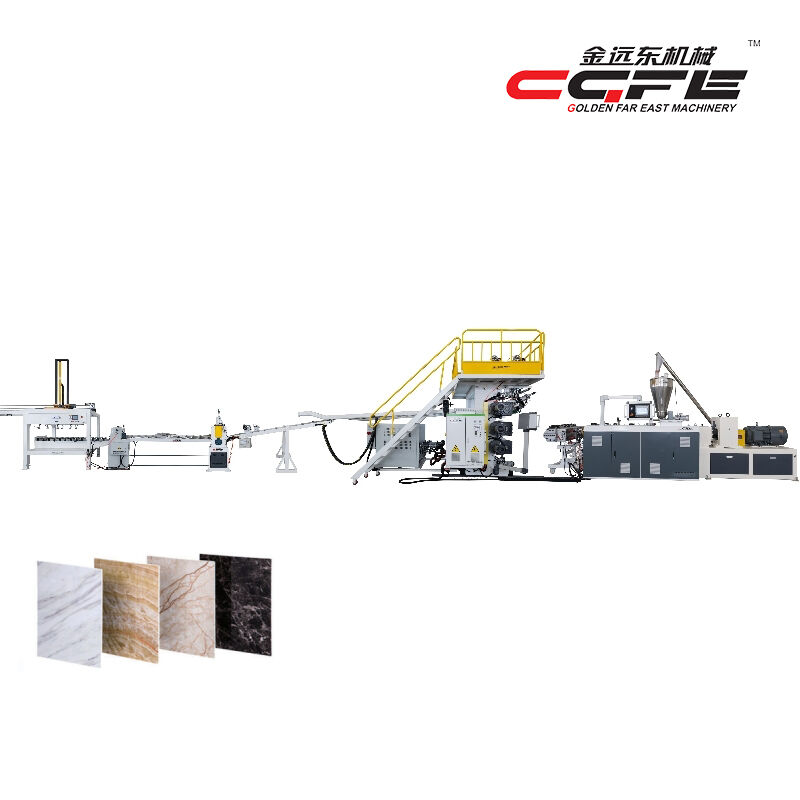
The PVC board production line represents a sophisticated manufacturing system designed to create high-quality polyvinyl chloride boards for diverse industrial and commercial applications. This comprehensive production system integrates multiple advanced technologies to transform raw PVC materials into finished boards with consistent quality and dimensional accuracy. The production line encompasses several key stages, including material preparation, mixing, extrusion, forming, cooling, and finishing processes. Modern PVC board production lines utilize computer-controlled systems to ensure precise temperature management, pressure regulation, and speed optimization throughout the manufacturing process. The main functions of a PVC board production line include raw material feeding, where PVC resin, stabilizers, lubricants, and other additives are automatically measured and fed into the system. The mixing unit thoroughly combines all components to achieve homogeneous material distribution. The extrusion process melts and shapes the material through specialized dies, while the forming section creates boards with specific dimensions and surface textures. Advanced cooling systems rapidly reduce material temperature to solidify the boards, followed by cutting mechanisms that trim products to desired lengths. The technological features of modern PVC board production lines include servo motor drives for precise control, advanced heating elements for uniform temperature distribution, and automated thickness control systems. Many production lines incorporate real-time monitoring capabilities that track quality parameters and adjust processing conditions automatically. The applications of PVC boards manufactured by these production lines span construction, furniture manufacturing, advertising displays, marine applications, and industrial installations. These boards serve as excellent alternatives to traditional materials due to their moisture resistance, chemical stability, and ease of processing.
New Products

PVC board production lines offer numerous practical benefits that make them attractive investments for manufacturers seeking efficient and profitable operations. The automated nature of these systems significantly reduces labor costs while simultaneously increasing production capacity and consistency. Unlike manual processes, automated PVC board production lines can operate continuously with minimal human intervention, leading to higher output rates and reduced operational expenses. The precision engineering incorporated into modern production lines ensures consistent product quality with minimal variation between batches. This consistency translates directly into reduced waste, lower rejection rates, and improved customer satisfaction. Energy efficiency represents another major advantage, as contemporary PVC board production lines utilize advanced heating and cooling technologies that minimize power consumption while maintaining optimal processing conditions. The versatility of these production systems allows manufacturers to produce various board thicknesses, widths, and surface finishes without requiring extensive equipment modifications. This flexibility enables companies to respond quickly to market demands and customize products for specific applications. Quality control capabilities built into modern production lines include automated thickness monitoring, surface inspection systems, and real-time parameter tracking. These features help identify potential issues before they affect product quality, reducing waste and ensuring consistent output standards. The durability and reliability of well-engineered PVC board production lines minimize downtime and maintenance costs. High-quality components and robust construction ensure long operational life with minimal service requirements. Cost-effectiveness emerges as a primary benefit, as the combination of reduced labor needs, lower energy consumption, minimal waste generation, and high production volumes creates favorable economics for manufacturers. Additionally, the ability to produce boards with superior properties compared to traditional materials opens new market opportunities and premium pricing possibilities. Environmental benefits include reduced material waste through precise control systems and the recyclability of PVC materials, supporting sustainable manufacturing practices. The compact design of modern production lines requires minimal floor space while delivering maximum productivity.

Latest News

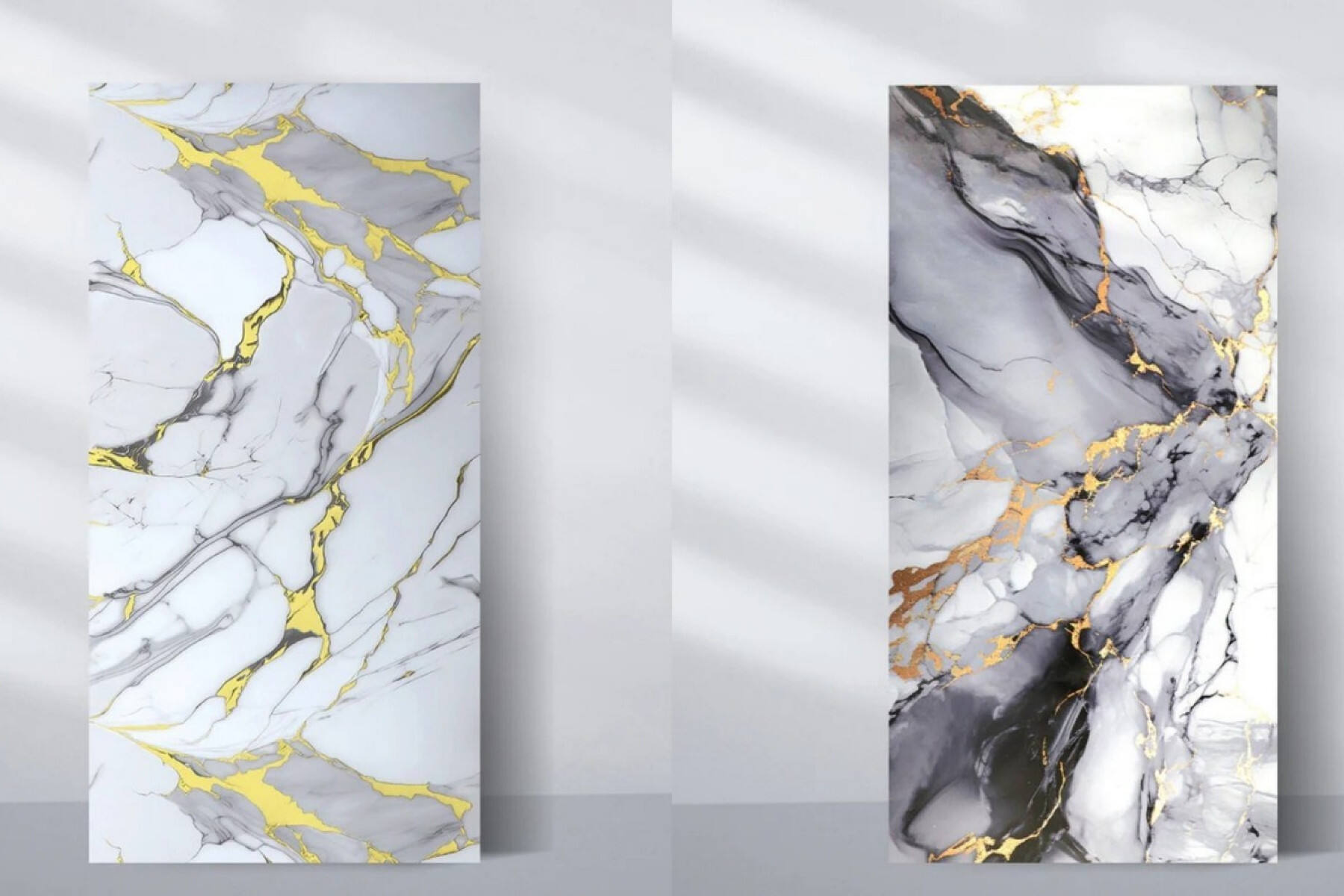
PVC  marble sheet production line-creating a new choice for high-quality decoration

15

Dec

PVC marble sheet production line-creating a new choice for high-quality decoration

View More
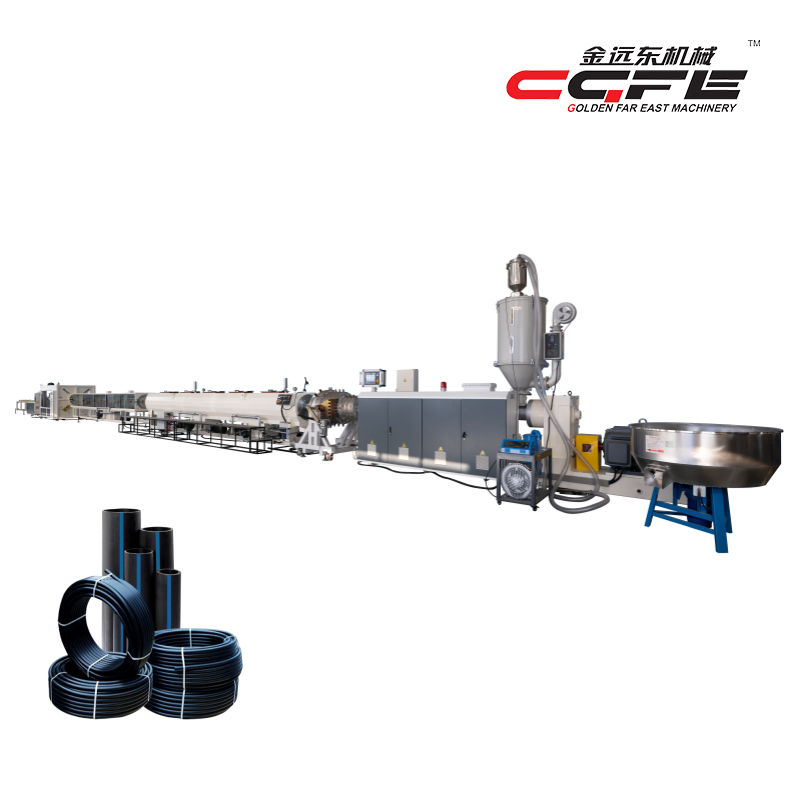
Optimizing Production with PVC Pipe Extrusion Machine Lines

15

Dec

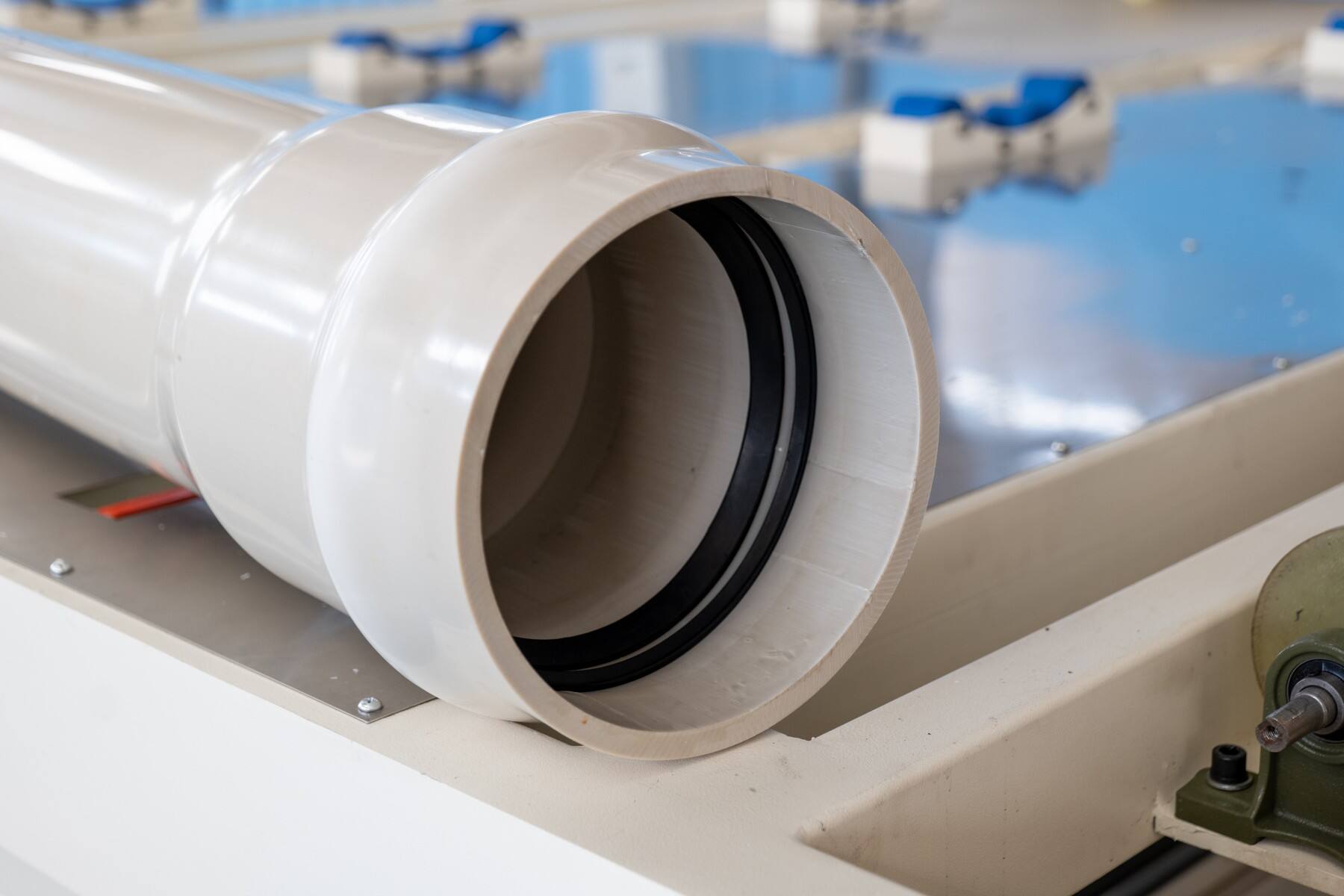
Optimizing Production with PVC Pipe Extrusion Machine Lines

View More
Optimizing Performance and Sustainability in PE Pipe Extrusion: Innovations and Best Practices

15

Dec

Optimizing Performance and Sustainability in PE Pipe Extrusion: Innovations and Best Practices

View More

Get a Free Quote

Our representative will contact you soon.
Email
Name
Company Name
Message
0/1000

pvc board production line

Advanced Automated Control Systems

Advanced Automated Control Systems

The sophisticated automated control systems integrated into modern PVC board production lines represent a revolutionary advancement in manufacturing technology that delivers unprecedented precision and efficiency. These intelligent control systems utilize state-of-the-art programmable logic controllers (PLCs) combined with human-machine interfaces (HMIs) that enable operators to monitor and adjust every aspect of the production process in real-time. The automation extends beyond basic parameter control to include predictive maintenance algorithms that analyze equipment performance data and predict potential issues before they occur. This proactive approach minimizes unexpected downtime and extends equipment lifespan significantly. The control systems feature sophisticated temperature management capabilities that maintain optimal processing conditions throughout the entire production line. Multiple heating zones are independently controlled to ensure uniform material flow and consistent board quality. Pressure monitoring systems continuously track extrusion pressures and automatically adjust parameters to maintain optimal processing conditions. Speed synchronization between different line sections prevents material buildup or stretching that could compromise product quality. The user-friendly interface allows operators to quickly switch between different product specifications, storing multiple recipes for various board types and automatically adjusting all relevant parameters. Data logging capabilities provide comprehensive production records that support quality assurance programs and process optimization efforts. Remote monitoring capabilities enable supervisors to track production status from anywhere, receiving instant alerts about any deviations from normal operating parameters. The integration of Industry 4.0 technologies enables seamless connectivity with enterprise resource planning systems, automatically updating production schedules and inventory levels. Safety features include emergency stop functions, protective interlocks, and automatic shutdown procedures that protect both equipment and personnel. These advanced control systems reduce operator skill requirements while simultaneously improving product consistency and production efficiency.
Superior Product Quality and Consistency

Superior Product Quality and Consistency

The exceptional product quality and consistency achieved by modern PVC board production lines stems from precisely engineered mechanical systems and advanced process control technologies that eliminate common quality issues associated with traditional manufacturing methods. The extrusion system utilizes specially designed screws and barrels that ensure optimal material mixing and homogeneous melt flow, resulting in boards with uniform density and mechanical properties throughout their cross-section. Temperature control accuracy within ±2°C across all heating zones prevents thermal degradation while ensuring complete material fusion. The forming section incorporates precision-machined dies and calibration systems that maintain dimensional accuracy within tight tolerances, typically ±0.1mm for thickness and ±0.5mm for width measurements. Surface quality represents a critical advantage, with mirror-finished forming tools producing boards with smooth, defect-free surfaces that require minimal post-processing. The cooling system design ensures uniform heat removal that prevents internal stresses and warping that commonly affect boards produced with inadequate cooling. Multi-zone cooling with independent temperature control allows optimization for different board thicknesses and formulations. Edge trimming systems utilize high-quality cutting tools that produce clean, burr-free edges without delamination or cracking. Continuous online inspection systems monitor surface quality, dimensional accuracy, and color consistency, automatically rejecting any products that fall outside specified parameters. Statistical process control capabilities track quality trends and provide early warning of potential issues before they affect product quality. The closed-loop feedback systems automatically adjust processing parameters based on quality measurements, maintaining optimal conditions without operator intervention. Material handling systems prevent surface damage during production and stacking operations. The combination of these quality-focused technologies ensures that every board meets or exceeds customer specifications, reducing complaints, returns, and warranty claims while building strong customer relationships and brand reputation.
Exceptional Energy Efficiency and Environmental Performance

Exceptional Energy Efficiency and Environmental Performance

Modern PVC board production lines incorporate cutting-edge energy-efficient technologies and environmentally conscious design principles that significantly reduce operational costs while minimizing environmental impact. The heating systems utilize advanced infrared and conduction heating elements that provide rapid heat-up times and precise temperature control with minimal energy consumption compared to traditional heating methods. Variable frequency drives (VFDs) on all motors automatically adjust power consumption based on actual load requirements, resulting in energy savings of up to 30% compared to fixed-speed systems. The sophisticated insulation systems surrounding heating zones minimize heat loss to the surrounding environment, maintaining stable processing temperatures with reduced energy input. Heat recovery systems capture waste heat from cooling operations and redirect it to preheat incoming materials, further improving overall energy efficiency. The cooling systems employ closed-loop water circulation with plate heat exchangers that maximize heat transfer efficiency while minimizing water consumption. Smart scheduling algorithms optimize production sequences to minimize energy-intensive startup and shutdown cycles. LED lighting systems throughout the production line reduce electrical consumption while providing superior illumination for operators and inspection systems. The environmental benefits extend beyond energy efficiency to include minimized material waste through precise control systems that maintain optimal processing conditions and reduce rejected products. The production lines are designed to handle recycled PVC content, supporting circular economy principles and reducing dependence on virgin materials. Dust collection systems capture and recycle any material losses during cutting and trimming operations. Water-based cooling systems eliminate the need for chemical coolants that could pose environmental risks. The compact design minimizes the facility footprint required for installation, reducing construction costs and land usage. Noise reduction technologies including sound-dampening enclosures and vibration isolation systems create quieter operating environments that comply with workplace safety standards. These environmental and efficiency features not only reduce operating costs but also support corporate sustainability goals and regulatory compliance requirements, making the investment attractive from both financial and environmental perspectives.

Get a Free Quote

Our representative will contact you soon.
Email
Name
Company Name
Message
0/1000