Advanced WPC Board Production Line - Complete Manufacturing Solutions for Wood Plastic Composite Boards

Get a Free Quote

Our representative will contact you soon.
Email
Name
Company Name
Message
0/1000

wpc board production line

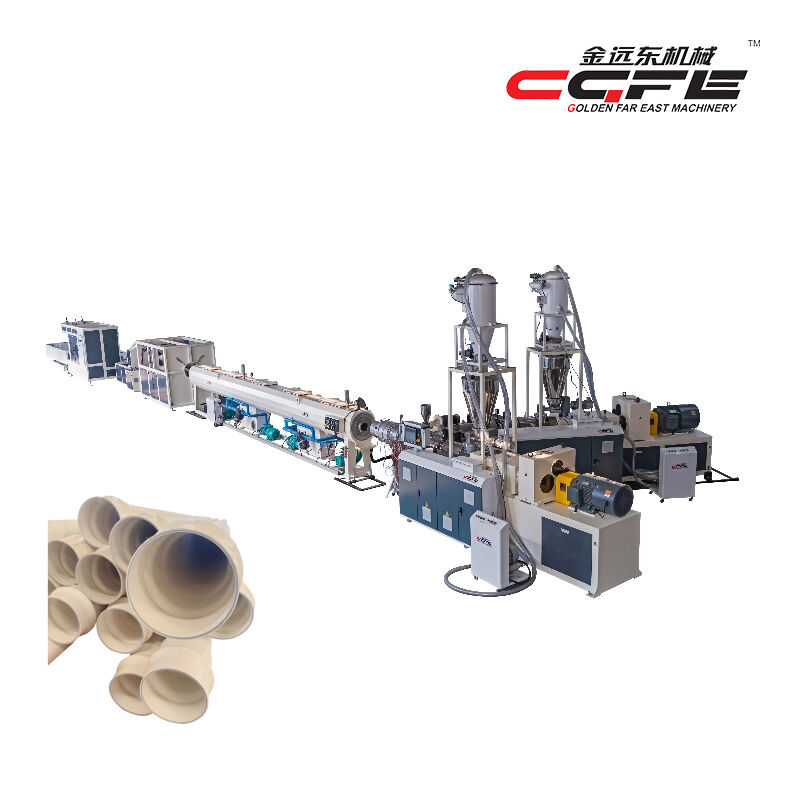
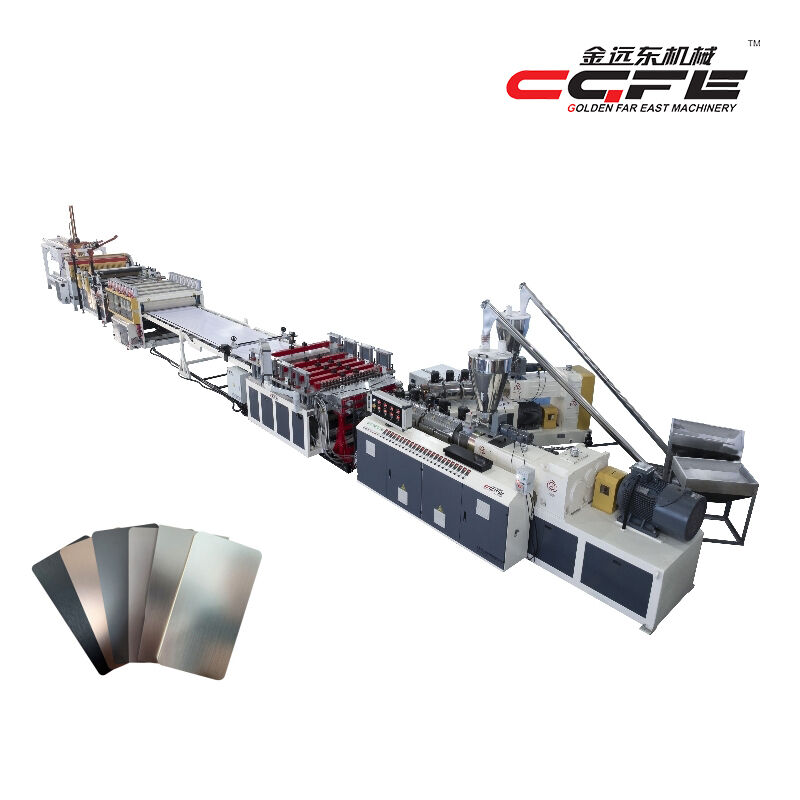
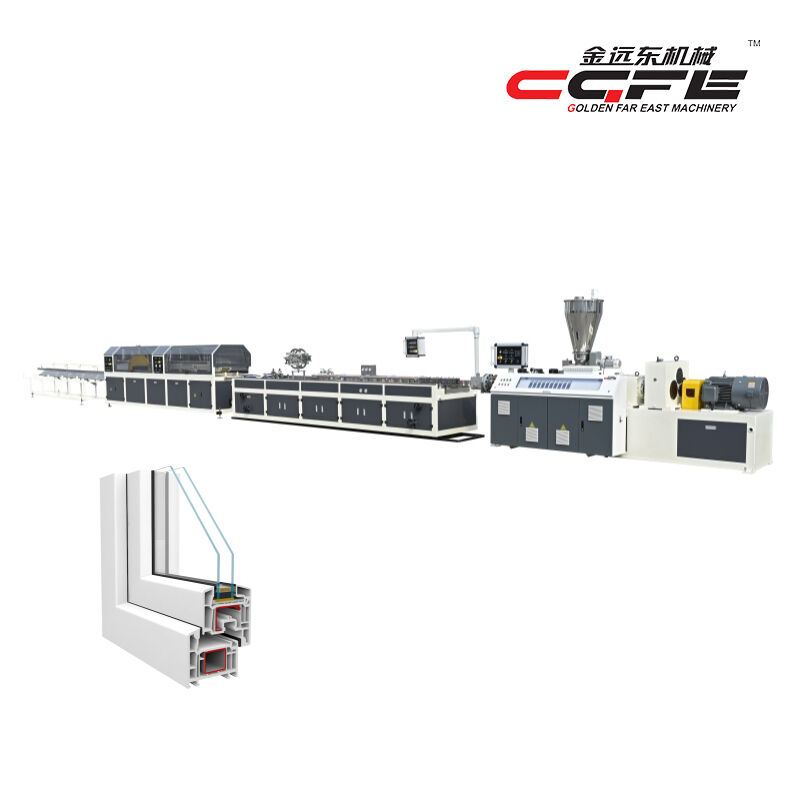
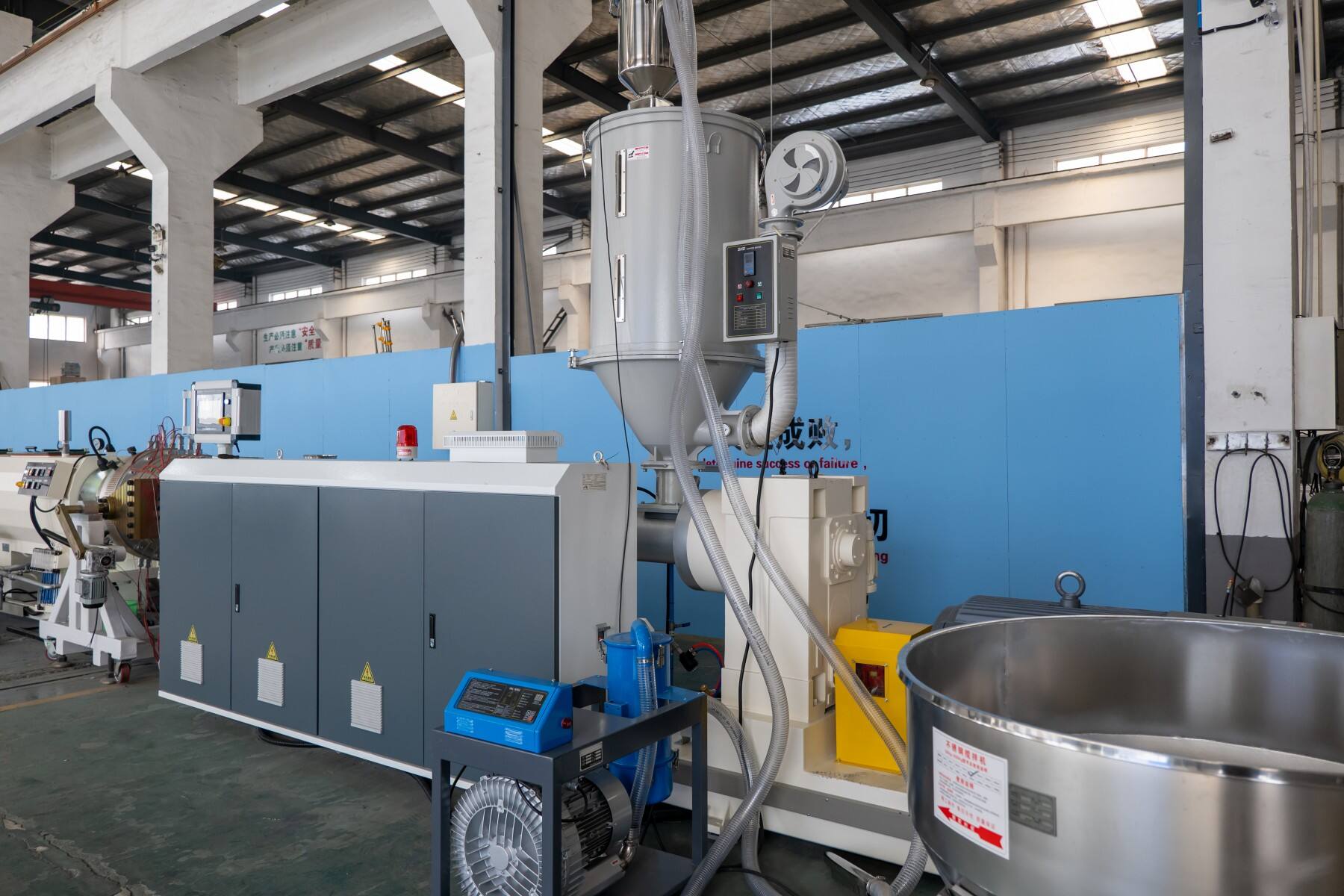
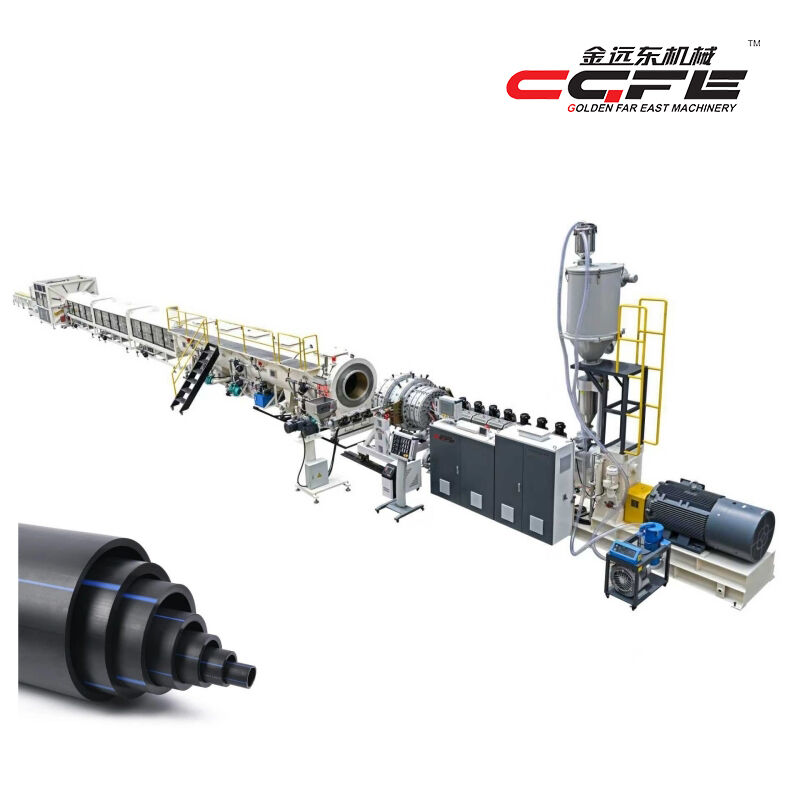
The wpc board production line represents a revolutionary manufacturing system designed to produce Wood Plastic Composite boards through advanced technological processes. This sophisticated production line combines wood fibers, plastic polymers, and specialized additives to create durable, versatile building materials. The wpc board production line operates through a series of precisely coordinated stages, beginning with raw material preparation where wood flour and plastic resins are carefully measured and mixed. The system then employs high-temperature extrusion technology to melt and blend these components into a homogeneous mixture. The main functions of the wpc board production line include material feeding, mixing, heating, extrusion, cooling, and cutting operations. Each stage is controlled by advanced automation systems that ensure consistent product quality and optimal production efficiency. The technological features of this production line encompass computer-controlled temperature regulation, precision dosing systems, and multi-zone heating mechanisms that guarantee uniform material distribution. The extrusion process utilizes specialized screws and dies that shape the composite material into boards of various dimensions and profiles. Cooling systems rapidly reduce the temperature of extruded boards, solidifying the material structure while maintaining dimensional stability. The wpc board production line incorporates cutting mechanisms that trim boards to exact specifications, ensuring uniformity across all produced units. Applications for boards manufactured by this production line span multiple industries, including construction, furniture manufacturing, automotive components, and outdoor installations. These boards serve as decking materials, wall panels, flooring solutions, and architectural elements. The versatility of the wpc board production line enables manufacturers to produce boards with different textures, colors, and mechanical properties by adjusting processing parameters and material compositions. This adaptability makes the production line valuable for companies seeking to diversify their product offerings while maintaining cost-effective manufacturing operations.

New Product Releases

The wpc board production line delivers exceptional benefits that transform manufacturing operations and boost business profitability. This advanced system significantly reduces production costs by utilizing recycled materials, including waste wood and plastic components, which lowers raw material expenses while promoting environmental sustainability. Manufacturers operating a wpc board production line experience remarkable energy efficiency compared to traditional board manufacturing methods, as the system requires lower processing temperatures and optimized heating cycles. The automated nature of this production line minimizes labor requirements, reducing operational costs while eliminating human errors that often compromise product quality. Quality consistency represents another major advantage, as the wpc board production line maintains precise control over mixing ratios, temperatures, and processing speeds, ensuring every board meets exact specifications. This consistency translates into reduced waste, fewer defective products, and enhanced customer satisfaction. The production line offers impressive flexibility, allowing manufacturers to adjust board dimensions, densities, and surface textures without extensive equipment modifications. This adaptability enables rapid response to market demands and customization requests from clients. Speed represents a crucial competitive advantage, as the wpc board production line achieves faster production cycles than conventional methods, increasing overall output capacity and reducing delivery times. The system requires minimal maintenance due to robust construction and high-quality components, resulting in extended operational periods and reduced downtime costs. Environmental benefits include the ability to process recycled materials, reducing landfill waste while creating valuable products. The wpc board production line produces boards with superior moisture resistance, dimensional stability, and durability compared to traditional wood products, leading to longer product lifespans and reduced replacement costs for end users. These characteristics open new market opportunities in demanding applications where conventional materials fail. The production line integrates seamlessly with existing manufacturing facilities, requiring minimal infrastructure modifications while delivering immediate improvements in production capacity and product quality. Investment returns typically materialize quickly due to reduced operating costs, increased production efficiency, and access to growing markets for sustainable building materials.

Tips And Tricks

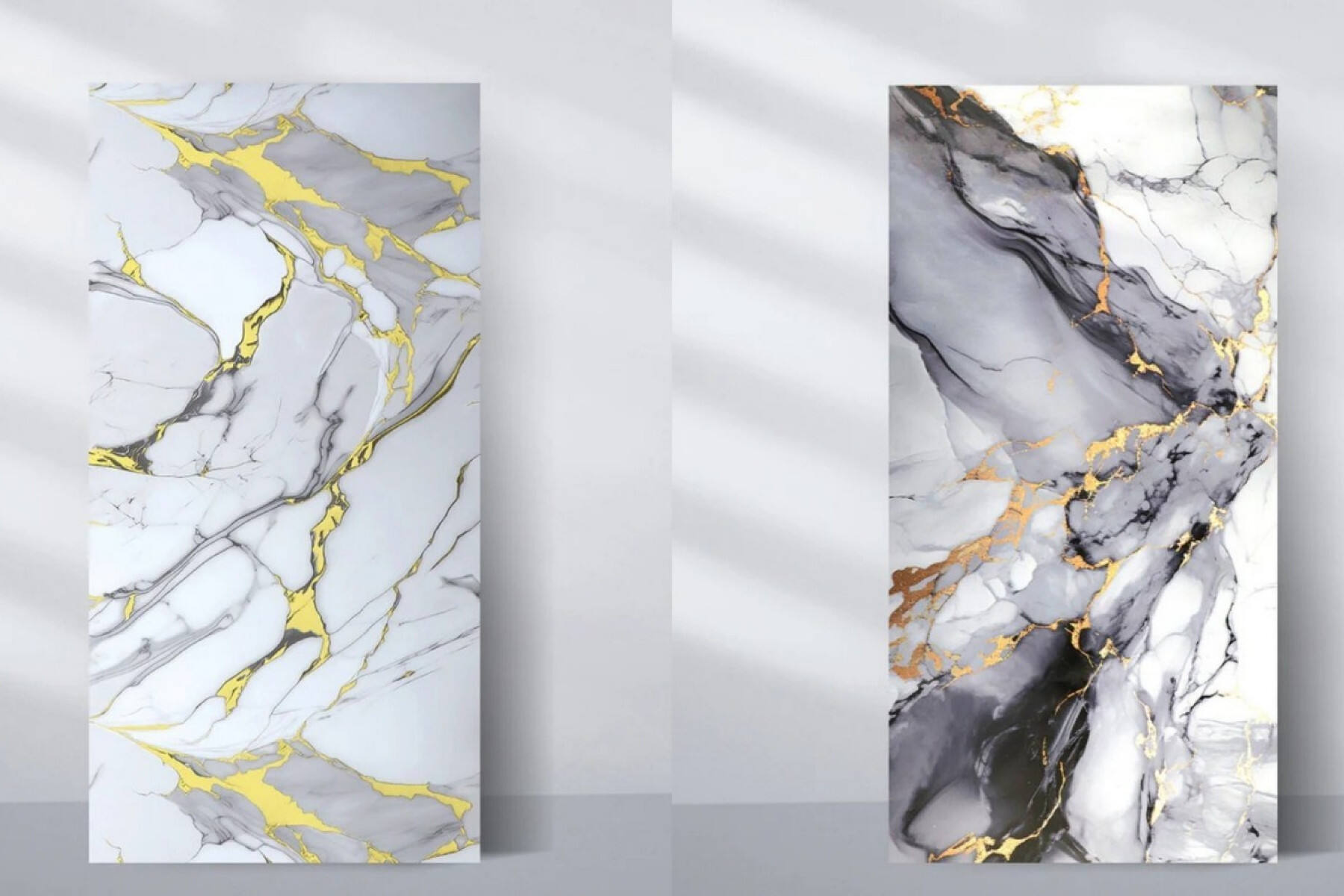
PVC  marble sheet production line-creating a new choice for high-quality decoration

15

Dec

PVC marble sheet production line-creating a new choice for high-quality decoration

View More
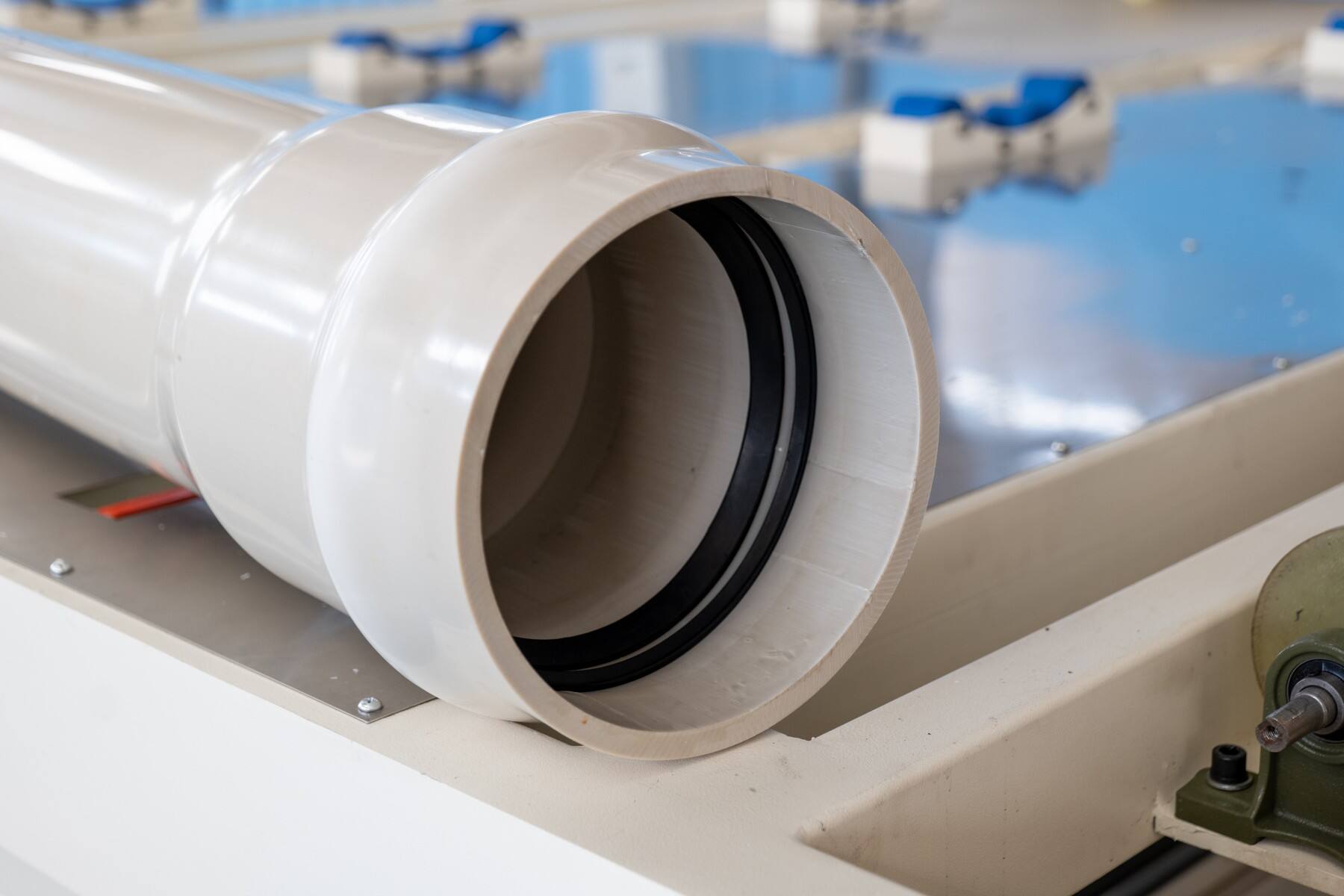
Optimizing Production with PVC Pipe Extrusion Machine Lines

15

Dec

Optimizing Production with PVC Pipe Extrusion Machine Lines

View More
Optimizing Performance and Sustainability in PE Pipe Extrusion: Innovations and Best Practices

15

Dec

Optimizing Performance and Sustainability in PE Pipe Extrusion: Innovations and Best Practices

View More

Get a Free Quote

Our representative will contact you soon.
Email
Name
Company Name
Message
0/1000

wpc board production line

Advanced Automation Technology for Maximum Efficiency

Advanced Automation Technology for Maximum Efficiency

The wpc board production line incorporates cutting-edge automation technology that revolutionizes composite board manufacturing through intelligent control systems and precision engineering. This sophisticated automation framework manages every aspect of the production process, from initial material feeding to final product packaging, ensuring optimal performance and consistent quality output. The control system utilizes advanced sensors and monitoring devices that continuously track temperature, pressure, speed, and material flow rates throughout the entire production cycle. These sensors provide real-time data to central processing units that automatically adjust operating parameters to maintain ideal production conditions. The automation technology includes programmable logic controllers that coordinate multiple production stages simultaneously, optimizing workflow efficiency and minimizing production bottlenecks. Operators can easily modify production parameters through user-friendly touchscreen interfaces, enabling quick adjustments for different board specifications without stopping the production line. The system features predictive maintenance capabilities that monitor equipment performance and alert operators to potential issues before they cause production disruptions. This proactive approach significantly reduces unplanned downtime and extends equipment lifespan. The automation technology enables precise material dosing, ensuring accurate ratios of wood fibers, plastic resins, and additives for consistent product quality. Temperature control systems maintain optimal heating zones throughout the extrusion process, preventing material degradation while ensuring proper melting and mixing. The automated cooling systems regulate board temperature during solidification, preventing warping and dimensional variations. Quality control sensors integrated into the production line automatically detect defects and remove substandard products, maintaining high-quality standards without manual intervention. Data logging capabilities provide comprehensive production records for quality analysis and process optimization. The automation technology supports remote monitoring capabilities, allowing supervisors to oversee production operations from multiple locations and make informed decisions based on real-time performance data. This advanced automation reduces labor costs, eliminates human errors, and enables consistent 24-hour production operations that maximize return on investment.
Exceptional Material Versatility and Product Customization

Exceptional Material Versatility and Product Customization

The wpc board production line demonstrates remarkable versatility in processing diverse raw materials and producing customized boards that meet specific application requirements across multiple industries. This flexibility stems from the system's adaptable design that accommodates various wood fiber types, including sawdust, wood shavings, rice hulls, and bamboo fibers, combined with different plastic polymers such as polyethylene, polypropylene, and polyvinyl chloride. The production line processes recycled plastic materials effectively, contributing to environmental sustainability while reducing raw material costs. Material preparation systems can handle different particle sizes and moisture contents, automatically adjusting processing parameters to optimize mixing and extrusion conditions. The versatility extends to additive incorporation, enabling manufacturers to enhance board properties through UV stabilizers, colorants, flame retardants, and reinforcing agents. This capability allows production of boards with specific characteristics such as enhanced weather resistance, improved fire ratings, or specialized aesthetic appearances. The wpc board production line produces boards in various dimensions, from thin decorative panels to thick structural components, by simply changing extrusion dies and adjusting processing parameters. Surface texturing options include smooth finishes, wood-grain patterns, and embossed designs that replicate natural materials while providing superior performance characteristics. The system accommodates hollow and solid board profiles, enabling manufacturers to optimize material usage and board weight for specific applications. Color customization represents another significant advantage, as the production line can incorporate pigments and colorants throughout the manufacturing process, creating boards with consistent color distribution and long-lasting appearance. Density variations are easily achieved by adjusting material ratios and processing conditions, allowing production of lightweight boards for decorative applications or high-density boards for structural uses. The production line supports co-extrusion capabilities, enabling creation of multi-layer boards with different properties in each layer, such as decorative surfaces combined with structural cores. This versatility enables manufacturers to serve diverse markets including construction, automotive, marine, and furniture industries with specialized products that meet exact performance specifications and aesthetic requirements.
Superior Environmental Sustainability and Economic Benefits

Superior Environmental Sustainability and Economic Benefits

The wpc board production line stands as a champion of environmental sustainability while delivering substantial economic advantages that benefit manufacturers, consumers, and society at large. This production system excels in waste reduction by utilizing post-consumer and post-industrial waste materials, including used plastic products and wood processing residues that would otherwise contribute to landfill accumulation. The ability to process recycled content ranging from 30% to 90% significantly reduces demand for virgin materials while creating valuable products with enhanced performance characteristics. The wpc board production line operates with remarkable energy efficiency, requiring lower processing temperatures than traditional plastic manufacturing and utilizing waste heat recovery systems that minimize overall energy consumption. This efficiency translates into reduced carbon emissions and lower environmental impact compared to conventional building material production methods. Water consumption during the manufacturing process remains minimal, as the production line primarily uses dry processing techniques that eliminate the need for extensive water treatment systems. The boards produced by this system exhibit exceptional longevity, lasting 25-30 years or more in demanding outdoor applications, which reduces replacement frequency and associated resource consumption. Unlike traditional wood products, these boards resist moisture, insects, and decay without requiring chemical treatments that can harm the environment. End-of-life recyclability ensures that products manufactured by the wpc board production line can be reprocessed into new products, creating a true circular economy model. Economic benefits include significant cost savings through reduced material expenses, as recycled feedstock typically costs less than virgin materials while providing comparable or superior performance. The production line generates additional revenue streams by accepting waste materials from other industries, creating tipping fee income while securing low-cost raw materials. Manufacturers benefit from reduced waste disposal costs and potential tax incentives for using recycled content and producing environmentally friendly products. Market demand for sustainable building materials continues growing, providing premium pricing opportunities for boards produced by this environmentally conscious manufacturing system. The reduced maintenance requirements of produced boards create long-term cost savings for end users, enhancing product value propositions and customer satisfaction. Insurance benefits may apply due to the improved fire resistance and structural integrity of composite boards compared to traditional materials, further enhancing economic advantages for both manufacturers and consumers.

Get a Free Quote

Our representative will contact you soon.
Email
Name
Company Name
Message
0/1000