Integrated Material Handling System for Streamlined Production Efficiency
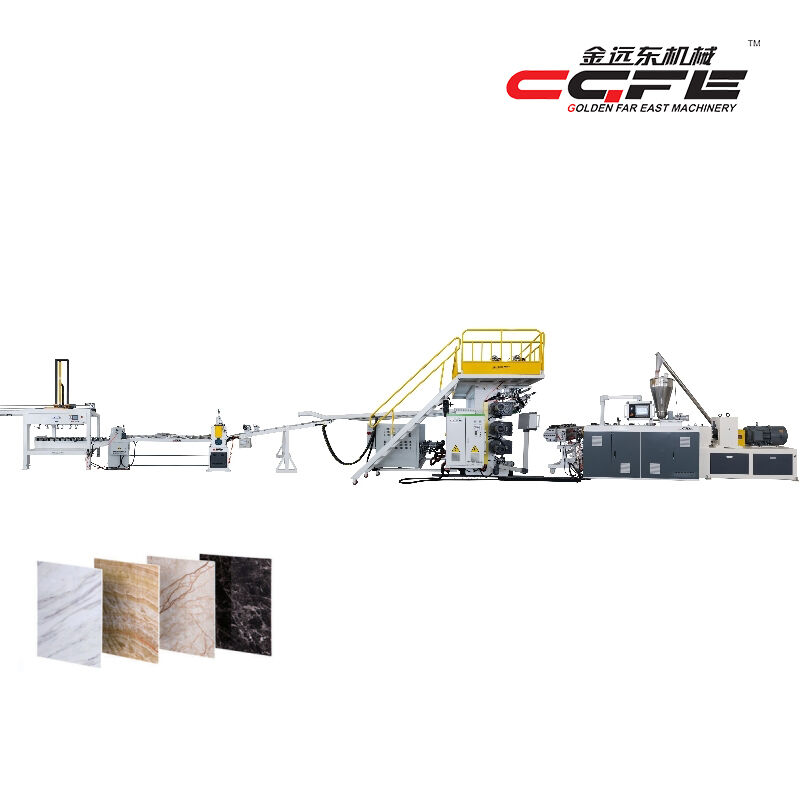
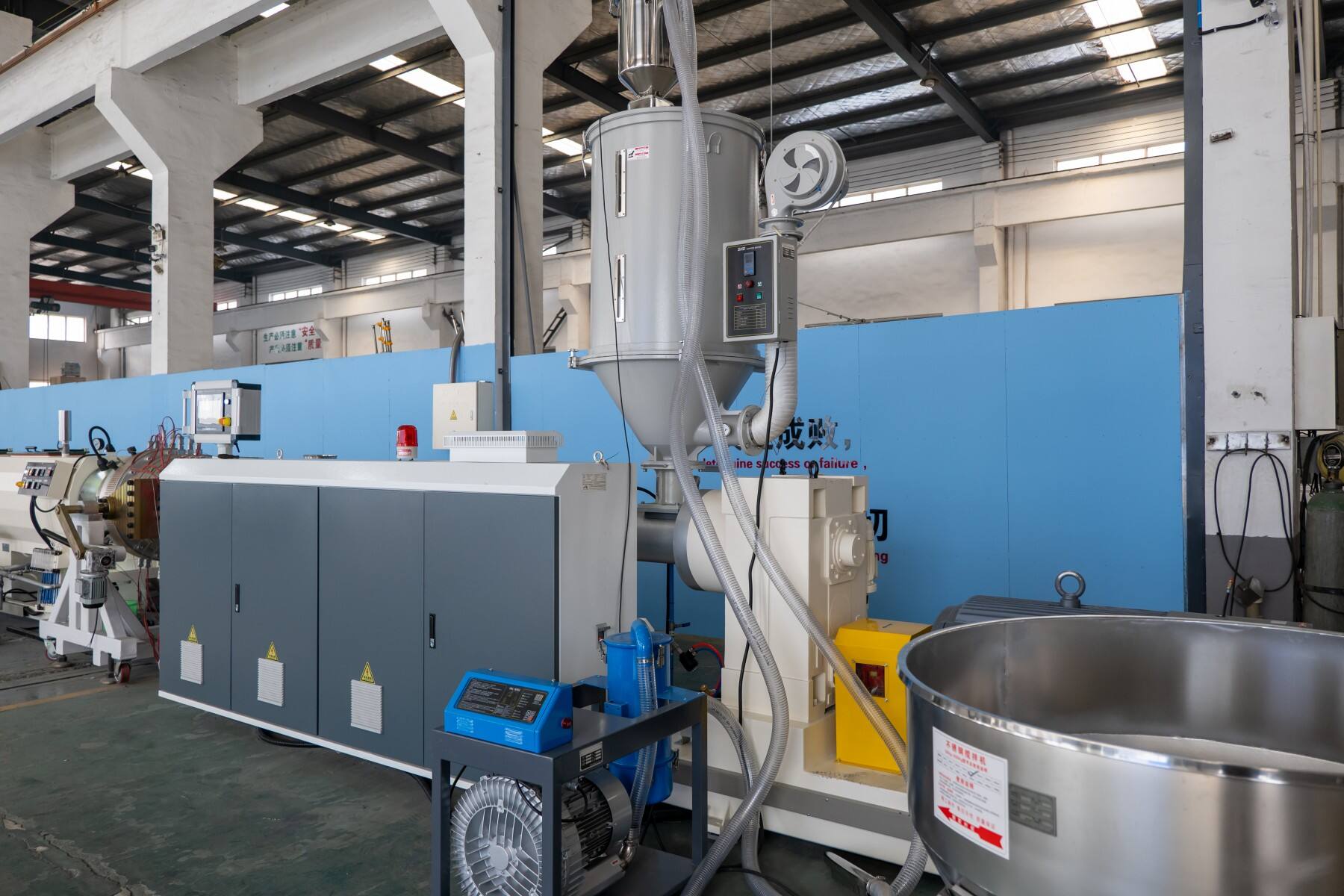
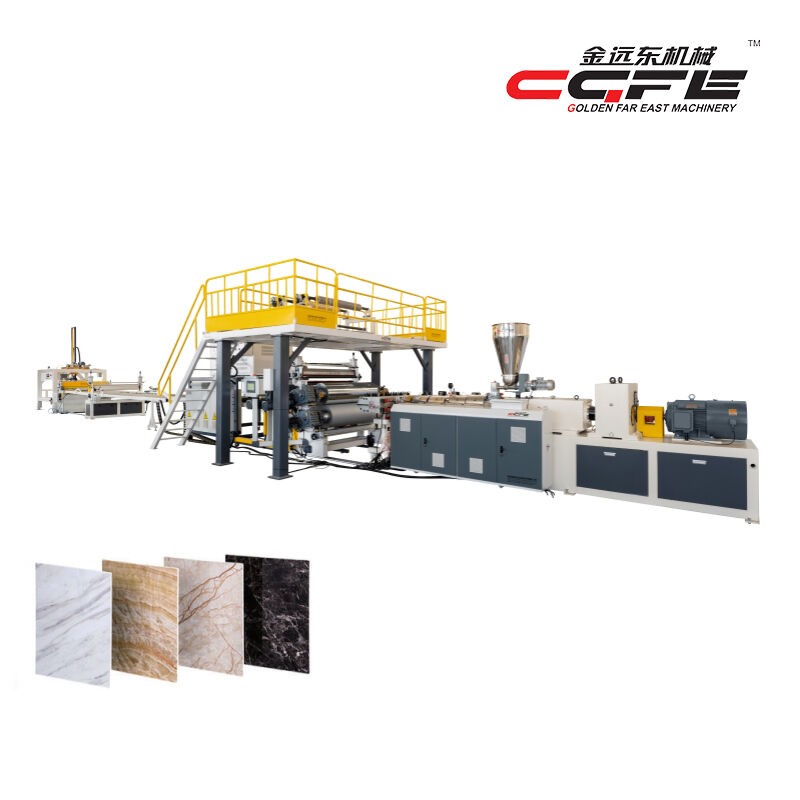
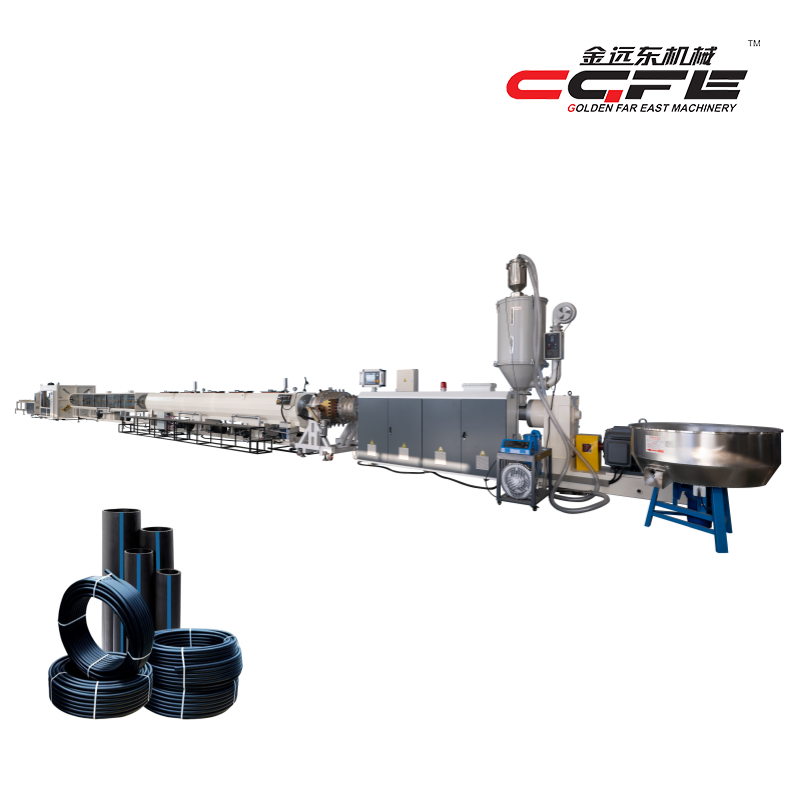
The wpc board extrusion machine features a comprehensive integrated material handling system that revolutionizes production efficiency by automating material feeding, processing, and output management throughout the entire manufacturing process. This sophisticated system begins with automated raw material dosing equipment that precisely measures and delivers predetermined ratios of plastic polymers, wood fibers, additives, and colorants directly into the extruder feeding section, eliminating manual handling errors and ensuring consistent material formulations. The gravimetric feeding technology weighs each component continuously, making real-time adjustments to maintain exact blend ratios regardless of material density variations or flow characteristics. Advanced conveying systems transport materials through enclosed pathways, preventing contamination and material loss while maintaining optimal processing conditions from storage to extrusion. The integrated approach extends through the extrusion process with synchronized downstream equipment including calibration units, cooling systems, and haul-off mechanisms that work in perfect coordination to maintain consistent line speeds and product dimensions. Automated stacking and packaging systems complete the integration by organizing finished boards according to predetermined specifications, reducing manual labor requirements and minimizing handling damage. The material handling system incorporates sophisticated sensors and feedback mechanisms that monitor material flow rates, detect potential blockages, and automatically adjust feeding speeds to maintain optimal processing conditions. This integration eliminates production bottlenecks that commonly occur when individual components operate independently, resulting in significantly improved overall equipment effectiveness and reduced cycle times. Quality benefits include consistent material distribution throughout each board, elimination of contamination risks, and reduced material waste through precise portion control and automated handling procedures. The system's design facilitates quick changeovers between different product formulations, enabling manufacturers to respond rapidly to market demands while maintaining production efficiency. Maintenance benefits include centralized monitoring capabilities that provide early warning of potential issues, scheduled maintenance alerts, and simplified troubleshooting procedures that minimize downtime and extend equipment lifespan.


 EN
EN