Professional WPC Foam Board Making Machine - Advanced Manufacturing Solutions

Get a Free Quote

Our representative will contact you soon.
Email
Name
Company Name
Message
0/1000

wpc foam board making machine

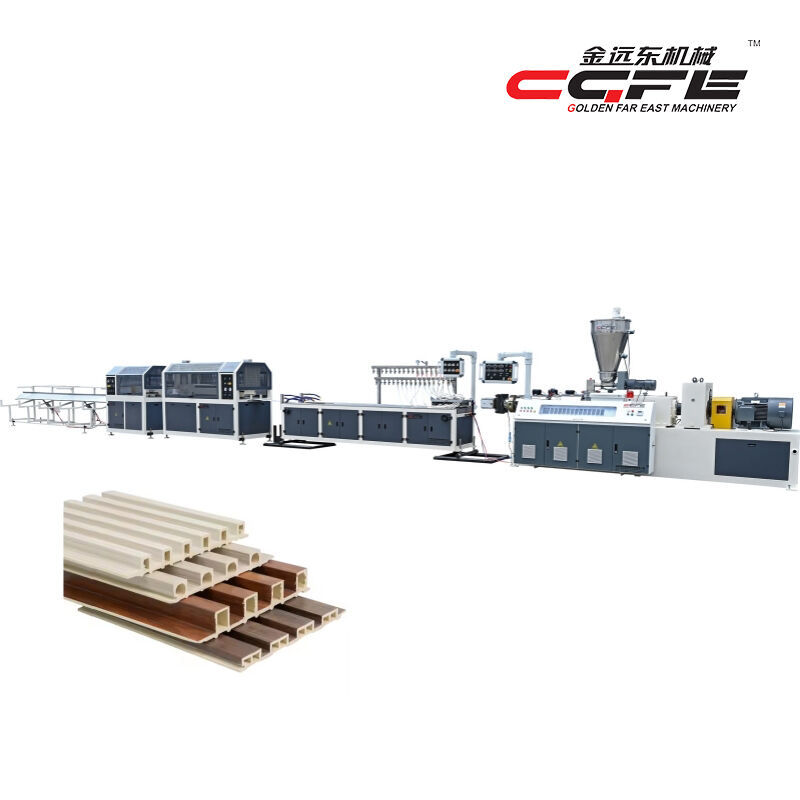
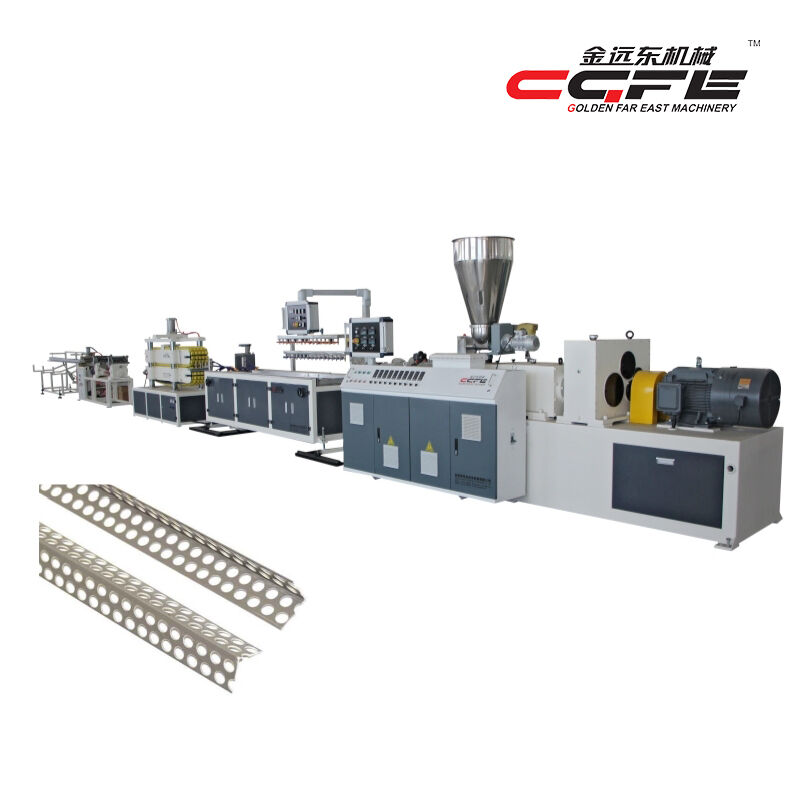
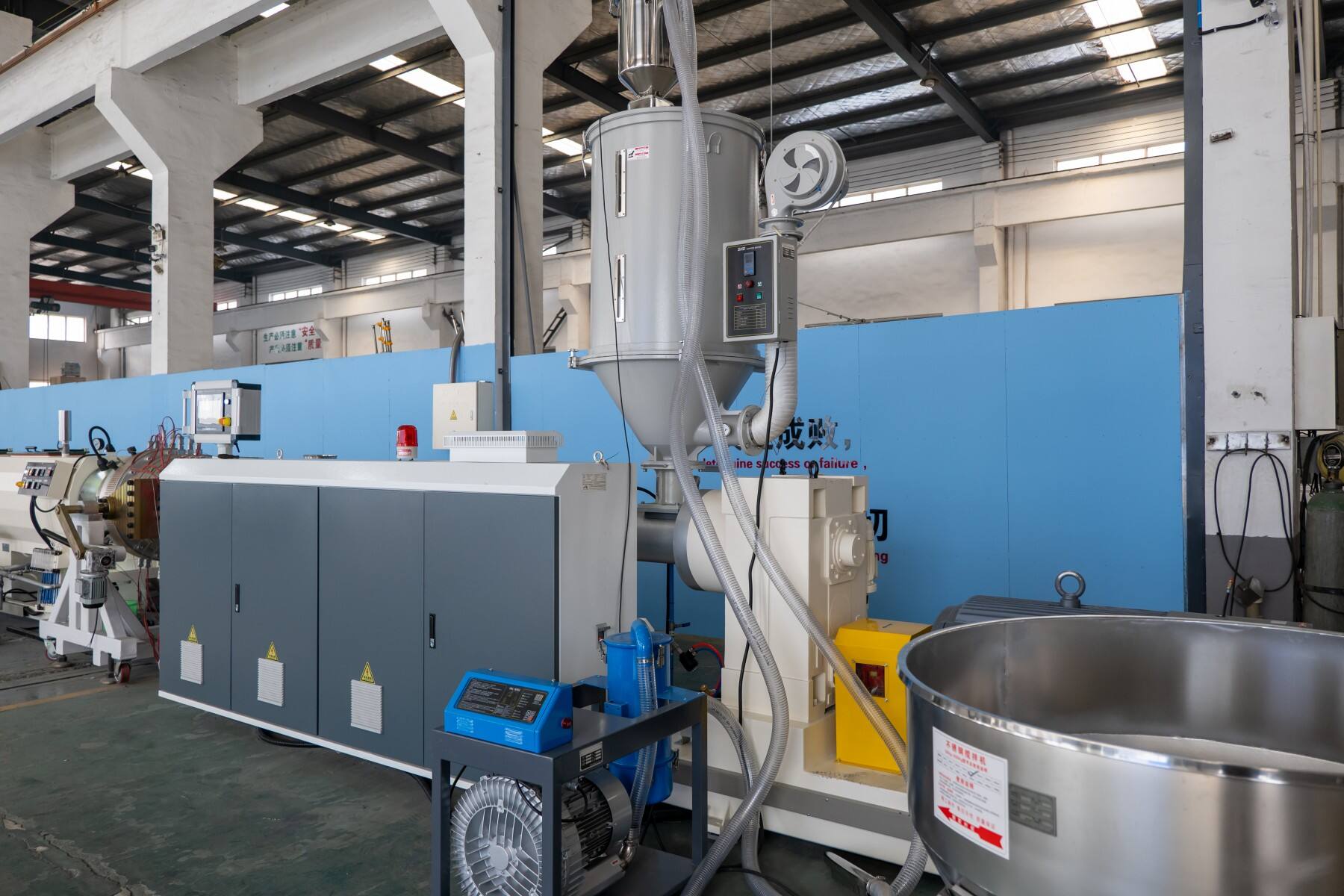
The wpc foam board making machine represents a cutting-edge manufacturing solution designed to produce high-quality wood-plastic composite foam boards with exceptional efficiency and precision. This sophisticated equipment combines advanced extrusion technology with innovative foaming processes to create lightweight yet durable building materials that meet diverse construction and decorative applications. The machine operates through a comprehensive system that melts, mixes, and shapes raw materials including recycled wood fibers and thermoplastic polymers into uniform foam board products. Core functions of the wpc foam board making machine include precise temperature control systems that maintain optimal processing conditions throughout production cycles, ensuring consistent material properties and surface quality. The equipment features automated feeding mechanisms that deliver raw materials at controlled rates, preventing waste and maintaining production continuity. Advanced mixing chambers within the machine ensure homogeneous distribution of wood particles, plastic components, and foaming agents, creating boards with uniform density and structural integrity. The technological features of this manufacturing equipment encompass state-of-the-art screw configurations that optimize material flow and mixing efficiency, while sophisticated cooling systems rapidly solidify extruded products to maintain dimensional stability. Computerized control panels allow operators to monitor and adjust critical parameters such as temperature profiles, pressure levels, and production speeds in real-time, maximizing output quality and minimizing defects. Applications for products manufactured by wpc foam board making machines span multiple industries, including residential construction where these boards serve as exterior siding, interior wall panels, and decorative ceiling materials. Commercial construction projects utilize these foam boards for partition walls, furniture components, and architectural trim elements due to their excellent workability and aesthetic appeal. The marine industry increasingly adopts WPC foam boards for boat decking and cabin interiors because of their water resistance and dimensional stability properties.
New Products

The wpc foam board making machine delivers substantial cost savings for manufacturers by utilizing recycled materials as primary raw inputs, significantly reducing material procurement expenses while supporting environmental sustainability initiatives. This equipment processes waste wood fibers and recycled plastics that would otherwise require expensive disposal, transforming these materials into valuable construction products that command competitive market prices. Energy efficiency represents another major advantage, as modern wpc foam board making machines incorporate heat recovery systems that capture and reuse thermal energy from cooling processes, reducing overall power consumption by up to thirty percent compared to conventional manufacturing methods. Production flexibility stands out as a key benefit, enabling manufacturers to adjust board thickness, density, and surface textures according to specific customer requirements without extensive equipment modifications or lengthy setup procedures. The machine produces boards ranging from lightweight decorative panels to heavy-duty structural components, accommodating diverse market demands with single equipment investment. Quality consistency represents a critical advantage that directly impacts customer satisfaction and brand reputation, as automated control systems eliminate human error variables that typically cause product variations in manual manufacturing processes. Precise temperature and pressure controls ensure every board meets specified standards for strength, durability, and appearance characteristics. Maintenance requirements remain minimal due to robust construction using corrosion-resistant materials and simplified mechanical designs that reduce wear points and potential failure modes. Operators can perform routine maintenance tasks without specialized technical training, minimizing downtime and service costs. Speed advantages become apparent when comparing production rates to traditional manufacturing methods, as continuous extrusion processes enable round-the-clock operation with consistent output volumes. Setup time between different product specifications requires only parameter adjustments rather than physical equipment changes, maximizing productive hours and reducing labor costs. Market competitiveness improves significantly for businesses investing in wpc foam board making machines, as the ability to produce premium composite materials positions companies favorably against competitors relying on conventional wood or plastic products that lack the combined benefits of both material types.

Practical Tips

PVC  marble sheet production line-creating a new choice for high-quality decoration

15

Dec

PVC marble sheet production line-creating a new choice for high-quality decoration

View More
Optimizing Production with PVC Pipe Extrusion Machine Lines

15

Dec

Optimizing Production with PVC Pipe Extrusion Machine Lines

View More
Optimizing Performance and Sustainability in PE Pipe Extrusion: Innovations and Best Practices

15

Dec

Optimizing Performance and Sustainability in PE Pipe Extrusion: Innovations and Best Practices

View More

Get a Free Quote

Our representative will contact you soon.
Email
Name
Company Name
Message
0/1000

wpc foam board making machine

Advanced Multi-Layer Extrusion Technology

Advanced Multi-Layer Extrusion Technology

The wpc foam board making machine incorporates revolutionary multi-layer extrusion technology that fundamentally transforms how composite materials achieve superior performance characteristics and aesthetic appeal. This sophisticated system utilizes multiple extruders working in perfect synchronization to create boards with distinct functional layers, each optimized for specific performance requirements. The outer layers feature dense, smooth surfaces that provide excellent weather resistance and paintability, while the core layer maintains optimal foam structure for insulation and weight reduction properties. This technology enables manufacturers to customize material properties throughout board thickness, creating products that outperform single-layer alternatives in strength, durability, and thermal performance. The precision control systems monitor each extrusion layer independently, ensuring consistent thickness ratios and preventing delamination issues that commonly affect inferior manufacturing processes. Temperature profiles can be adjusted for each layer to optimize material flow and bonding characteristics, resulting in boards with superior structural integrity and long-term stability. The multi-layer approach also allows incorporation of different material formulations within single products, enabling cost optimization by using premium materials only where needed for surface quality while utilizing recycled content in core layers. This technological advantage directly translates to competitive benefits in markets where performance specifications demand superior products, particularly in exterior construction applications where weather resistance and dimensional stability are critical. Production efficiency gains from multi-layer extrusion include reduced post-processing requirements, as boards exit the machine with finished surface qualities that eliminate sanding or additional coating steps. The technology also enables production of specialized products such as co-extruded boards with integrated color layers or functional additives like UV stabilizers concentrated in outer layers where protection is most needed. Quality assurance becomes more reliable with multi-layer systems because defects in one layer do not necessarily compromise entire board integrity, reducing waste rates and improving overall production economics for manufacturers investing in this advanced wpc foam board making machine technology.
Intelligent Climate Control and Cooling Systems

Intelligent Climate Control and Cooling Systems

The intelligent climate control and cooling systems integrated within modern wpc foam board making machines represent breakthrough innovations that ensure optimal product quality while maximizing energy efficiency throughout manufacturing processes. These sophisticated systems utilize advanced sensors and algorithms to monitor and adjust environmental conditions within processing chambers, maintaining precise temperature and humidity levels that directly impact final product characteristics. The cooling system employs multiple zones with independent temperature controls, allowing gradual temperature reduction that prevents thermal stress and warping in newly formed boards. This controlled cooling process is essential for maintaining dimensional accuracy and preventing internal stresses that could cause cracking or deformation during subsequent handling and installation. Heat exchange technology recovers thermal energy from cooling processes and redirects it to heating zones where raw materials require temperature elevation for proper melting and mixing. This energy recovery system reduces overall power consumption significantly while maintaining optimal processing temperatures throughout production cycles. The climate control system also manages moisture levels within processing chambers, preventing condensation that could affect surface quality or cause material degradation during extended production runs. Automated monitoring systems continuously track critical parameters and make real-time adjustments to maintain optimal conditions without operator intervention, ensuring consistent product quality regardless of external weather conditions or seasonal variations. The cooling technology incorporates forced air circulation systems that distribute temperature uniformly across board surfaces, eliminating hot spots or uneven cooling that could create stress concentrations or surface defects. Variable speed fans and adjustable air flow patterns allow customization of cooling profiles for different product specifications, accommodating varying board thicknesses and material formulations without compromising quality or production speed. Advanced filtration systems within the climate control network remove dust and contaminants from circulating air, preventing surface contamination that could affect paint adhesion or aesthetic appearance of finished products. The intelligent systems also provide predictive maintenance alerts, monitoring equipment performance and identifying potential issues before they impact production quality or cause unexpected downtime, ensuring reliable operation and minimizing service interruptions for businesses relying on continuous production schedules.
Automated Quality Monitoring and Control Systems

Automated Quality Monitoring and Control Systems

The automated quality monitoring and control systems embedded in advanced wpc foam board making machines deliver unprecedented precision and consistency in product manufacturing, eliminating human error variables while ensuring every board meets exact specifications throughout continuous production cycles. These sophisticated systems employ multiple sensor technologies including laser thickness gauges, density meters, and surface quality scanners that continuously evaluate product characteristics in real-time as boards exit the extrusion system. The monitoring network creates detailed quality profiles for each board, identifying variations that could indicate process drift or equipment wear before defects become visible to human inspectors. Automated feedback loops immediately adjust processing parameters when monitoring systems detect deviations from target specifications, maintaining product quality without manual intervention or production interruptions. The control systems utilize artificial intelligence algorithms that learn from historical production data, optimizing processing parameters based on material characteristics, environmental conditions, and quality outcomes from previous production runs. This intelligent optimization continuously improves manufacturing efficiency while reducing waste rates and energy consumption over time. Statistical process control integration provides comprehensive quality documentation that meets regulatory requirements and customer certification standards, automatically generating reports that demonstrate consistent compliance with specified tolerances and performance criteria. The automated systems also incorporate non-destructive testing capabilities that evaluate internal board structure and density distribution without damaging products, ensuring structural integrity meets design requirements for specific applications. Vision systems equipped with high-resolution cameras inspect surface quality, identifying scratches, color variations, or texture irregularities that could affect aesthetic appeal or functional performance in finished installations. Automated sorting and grading systems categorize products based on quality measurements, directing premium boards to applications requiring superior characteristics while routing lower-grade products to less demanding uses, optimizing revenue from every production batch. Integration with enterprise resource planning systems enables real-time production tracking and inventory management, providing manufacturers with accurate data for customer delivery commitments and production scheduling decisions. The monitoring systems also support continuous improvement initiatives by collecting detailed performance data that identifies opportunities for process optimization and equipment upgrades, helping manufacturers maintain competitive advantages in rapidly evolving markets.

Get a Free Quote

Our representative will contact you soon.
Email
Name
Company Name
Message
0/1000