Premium PVC Pipe for Gas Line - Durable, Safe & Cost-Effective Gas Distribution Solutions

Get a Free Quote

Our representative will contact you soon.
Email
Name
Company Name
Message
0/1000

pvc pipe for gas line

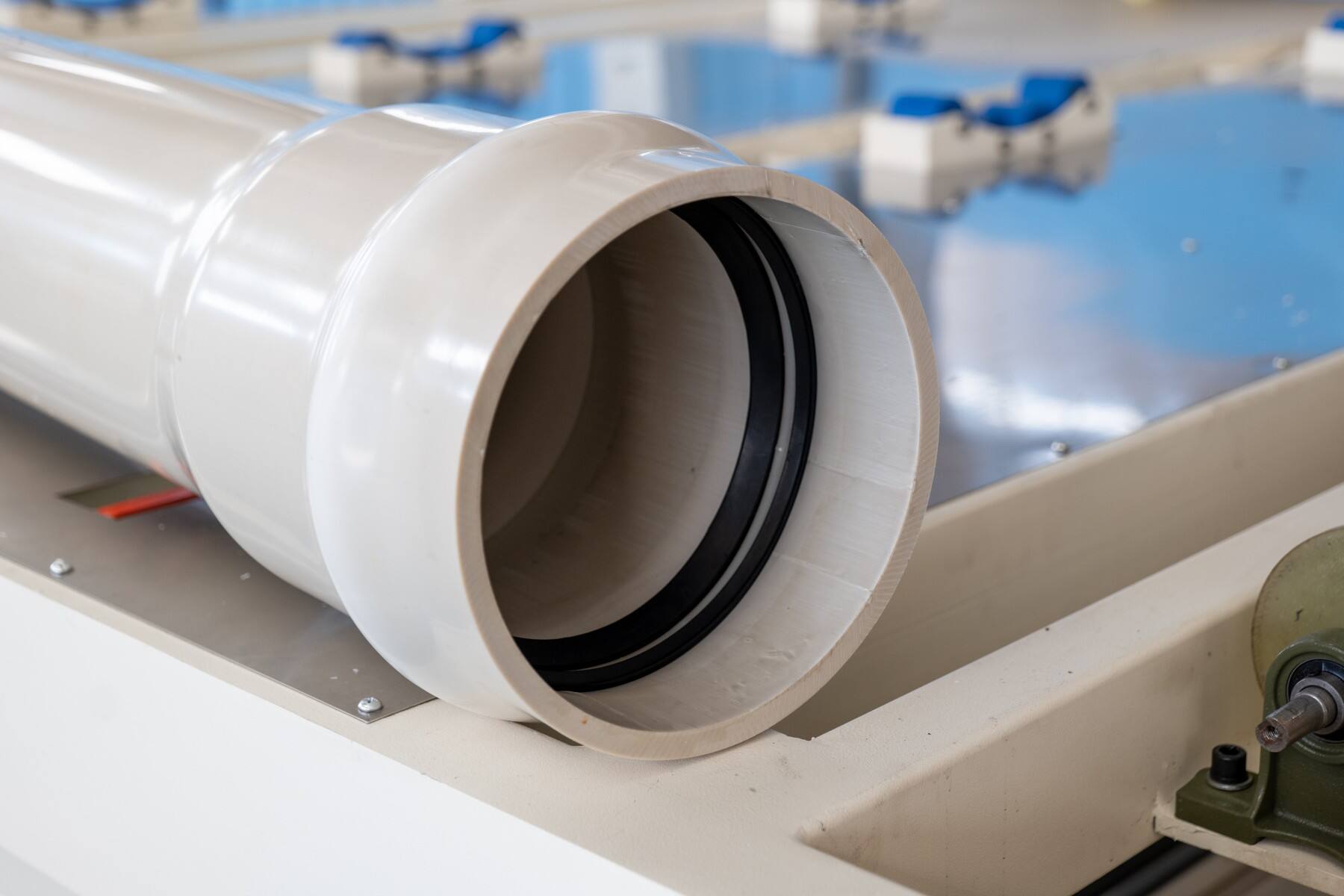
PVC pipe for gas line represents a revolutionary advancement in gas distribution infrastructure, offering superior performance characteristics that make it an ideal choice for residential, commercial, and industrial applications. These specialized pipes are manufactured using high-grade polyvinyl chloride compounds specifically engineered to meet stringent safety standards for gas transportation systems. The main function of PVC pipe for gas line involves safely transporting natural gas, propane, and other gaseous fuels from distribution points to end-use locations while maintaining system integrity under varying pressure conditions. The technological features of PVC pipe for gas line include enhanced chemical resistance properties that prevent degradation when exposed to different gas compositions and environmental conditions. These pipes incorporate advanced polymer formulations that provide exceptional durability and longevity, ensuring reliable service life spanning several decades. The manufacturing process involves precise extrusion techniques that create uniform wall thickness and consistent diameter tolerances, resulting in optimal flow characteristics and reduced pressure losses throughout the system. Modern PVC pipe for gas line utilizes specialized joining methods including solvent welding and mechanical fittings that create leak-proof connections capable of withstanding operational pressures and thermal expansion cycles. Applications for PVC pipe for gas line span diverse sectors including residential gas distribution networks, commercial building supply systems, industrial facility connections, and underground distribution mains. The versatility of these pipes allows for both above-ground and buried installations, with appropriate protective measures ensuring long-term performance in various environmental conditions. Installation flexibility represents another key advantage, as PVC pipe for gas line can accommodate complex routing requirements while maintaining structural integrity and operational safety standards throughout the entire gas distribution network.

Popular Products

The advantages of PVC pipe for gas line make it the preferred choice for modern gas distribution systems across multiple industries and applications. Cost effectiveness stands as the primary benefit, as PVC pipe for gas line costs significantly less than traditional metal alternatives while delivering comparable or superior performance characteristics. This economic advantage extends beyond initial purchase price to include reduced installation expenses, as these pipes weigh considerably less than steel or copper options, requiring fewer workers and less equipment for proper installation procedures. Corrosion resistance provides another compelling advantage, as PVC pipe for gas line never rusts or corrodes when exposed to moisture, soil chemicals, or atmospheric conditions that typically damage metal piping systems. This inherent resistance to environmental degradation ensures consistent performance throughout the service life without requiring expensive protective coatings or cathodic protection systems commonly needed for metallic gas lines. The smooth interior surface of PVC pipe for gas line creates minimal friction losses during gas flow, resulting in improved system efficiency and reduced pumping costs over time. Chemical compatibility represents a significant operational advantage, as these pipes resist degradation from various gas compositions including natural gas, propane, and other hydrocarbon fuels commonly transported through distribution networks. Installation speed increases dramatically when using PVC pipe for gas line compared to traditional materials, as lightweight construction allows for rapid handling and positioning while solvent welding techniques create permanent joints in minutes rather than hours required for threaded or welded metal connections. Maintenance requirements decrease substantially with PVC pipe for gas line installations, as the material does not require periodic inspection for corrosion, coating deterioration, or joint integrity issues that plague metal piping systems. Environmental benefits include recyclability at end of service life and reduced carbon footprint during manufacturing compared to energy-intensive metal production processes. Temperature stability ensures reliable performance across wide operating ranges, while UV resistance in specially formulated versions allows for above-ground installations without degradation concerns. Flexibility during installation permits accommodation of ground movement and settling without creating stress concentrations that could compromise system integrity, making PVC pipe for gas line ideal for seismically active regions or areas with expansive soil conditions.

Practical Tips

PVC  marble sheet production line-creating a new choice for high-quality decoration

15

Dec

PVC marble sheet production line-creating a new choice for high-quality decoration

View More
Optimizing Production with PVC Pipe Extrusion Machine Lines

15

Dec

Optimizing Production with PVC Pipe Extrusion Machine Lines

View More
Optimizing Performance and Sustainability in PE Pipe Extrusion: Innovations and Best Practices

15

Dec

Optimizing Performance and Sustainability in PE Pipe Extrusion: Innovations and Best Practices

View More

Get a Free Quote

Our representative will contact you soon.
Email
Name
Company Name
Message
0/1000

pvc pipe for gas line

Superior Durability and Longevity Performance

Superior Durability and Longevity Performance

The exceptional durability characteristics of PVC pipe for gas line establish it as the premier choice for long-term gas distribution infrastructure investments. These pipes demonstrate remarkable resistance to environmental stressors that typically cause premature failure in alternative materials, ensuring decades of reliable service without requiring costly replacements or extensive maintenance interventions. The molecular structure of PVC pipe for gas line incorporates stabilizing additives that prevent degradation from ultraviolet exposure, temperature fluctuations, and chemical interactions commonly encountered in gas distribution environments. Laboratory testing confirms that properly installed PVC pipe for gas line maintains structural integrity and pressure-bearing capacity for service lives exceeding fifty years under normal operating conditions. This longevity translates directly into reduced lifecycle costs, as property owners and utility companies avoid frequent replacement cycles associated with less durable materials. The impact resistance of PVC pipe for gas line surpasses many traditional options, as the polymer construction absorbs shock loads without cracking or fracturing that could compromise system safety. Freeze-thaw cycling, which causes catastrophic damage to rigid metal pipes, has minimal effect on PVC pipe for gas line due to the material's ability to expand and contract without losing structural cohesion. Ground movement from settling, seismic activity, or construction vibrations rarely damages properly installed PVC pipe for gas line systems, as the inherent flexibility accommodates displacement without creating failure points. Chemical exposure from soil conditions, groundwater contaminants, or atmospheric pollutants cannot penetrate the polymer matrix of PVC pipe for gas line, ensuring consistent performance regardless of installation environment. The smooth interior surface maintains its characteristics throughout the service life, preventing buildup of deposits or contaminants that could reduce flow capacity or create pressure irregularities in the gas distribution system.
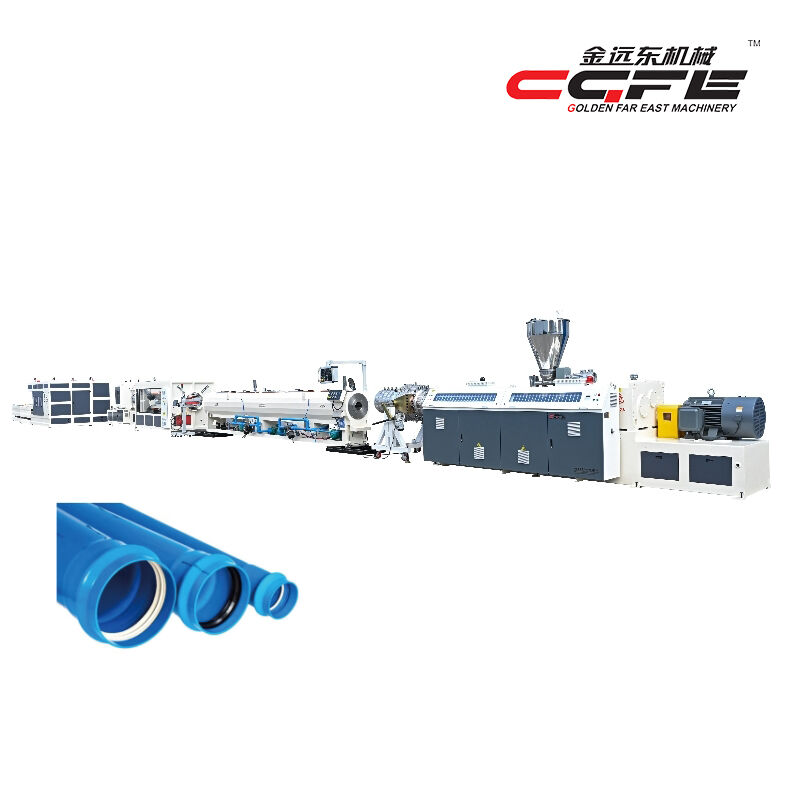
Enhanced Safety and Leak Prevention Technology

Enhanced Safety and Leak Prevention Technology

Safety considerations make PVC pipe for gas line the optimal choice for modern gas distribution systems, as advanced manufacturing techniques and material properties combine to create leak-resistant infrastructure that protects both property and personnel from potential hazards. The homogeneous construction of PVC pipe for gas line eliminates weak points common in threaded or welded metal joints, where stress concentrations and corrosion typically initiate leak development over time. Fusion welding techniques used with PVC pipe for gas line create molecular bonds between pipe sections that actually strengthen the joint area beyond the base material strength, resulting in connection points that exceed the pressure-bearing capacity of the pipe itself. Electronic leak detection systems work more effectively with PVC pipe for gas line installations, as the non-conductive properties allow sensitive monitoring equipment to identify even minor gas migration without interference from metallic components in the distribution network. The chemical inertness of PVC pipe for gas line prevents electrochemical reactions that cause pitting corrosion and eventual perforation in metal gas lines, eliminating a major source of dangerous gas leaks in underground distribution systems. Quality control measures during PVC pipe for gas line manufacturing include pressure testing, dimensional verification, and material property validation that ensures each pipe section meets or exceeds safety standards before leaving the factory. Installation procedures for PVC pipe for gas line incorporate specific protocols designed to maintain system integrity, including proper bedding techniques, backfill specifications, and joint inspection requirements that minimize the risk of future leak development. The yellow color coding standard for PVC pipe for gas line provides immediate visual identification during excavation activities, reducing the risk of accidental damage from construction or maintenance operations near gas distribution infrastructure. Emergency response procedures benefit from PVC pipe for gas line installations, as the material properties allow for rapid isolation and repair techniques that minimize service disruption while maintaining safety protocols throughout the process.
Cost-Effective Installation and Maintenance Benefits

Cost-Effective Installation and Maintenance Benefits

Economic advantages position PVC pipe for gas line as the most cost-effective solution for gas distribution infrastructure development and ongoing operational requirements. Initial material costs for PVC pipe for gas line average thirty to fifty percent less than comparable metal alternatives, providing immediate budget benefits for residential, commercial, and utility-scale projects without compromising performance standards or safety requirements. Installation labor costs decrease significantly when using PVC pipe for gas line, as the lightweight construction allows single workers to handle pipe sections that would require multiple personnel for metal alternatives, reducing project timelines and associated labor expenses. Equipment requirements for PVC pipe for gas line installation involve standard construction tools rather than specialized welding apparatus or heavy machinery needed for metal pipe systems, further reducing project costs while maintaining installation quality and safety standards. Trenching requirements for PVC pipe for gas line installations often allow for narrower excavations due to reduced pipe diameter requirements for equivalent flow capacity, minimizing site disruption and restoration costs while decreasing environmental impact of installation activities. Transportation costs benefit from the lightweight nature of PVC pipe for gas line, as standard delivery vehicles can carry larger quantities compared to dense metal alternatives, reducing shipping frequency and associated logistics expenses for large-scale projects. Maintenance expenses virtually disappear with PVC pipe for gas line installations, as the corrosion-resistant properties eliminate periodic inspection requirements, protective coating applications, and premature replacement cycles common with metal gas distribution systems. Joint integrity remains constant throughout the service life of PVC pipe for gas line systems, eliminating expensive leak repair procedures and emergency response costs associated with deteriorating metal connections in underground gas networks. Permit and inspection costs often decrease for PVC pipe for gas line projects, as simplified installation procedures and proven reliability records streamline regulatory approval processes while meeting all applicable safety codes and industry standards for gas distribution infrastructure development.

Get a Free Quote

Our representative will contact you soon.
Email
Name
Company Name
Message
0/1000