
 EN
EN

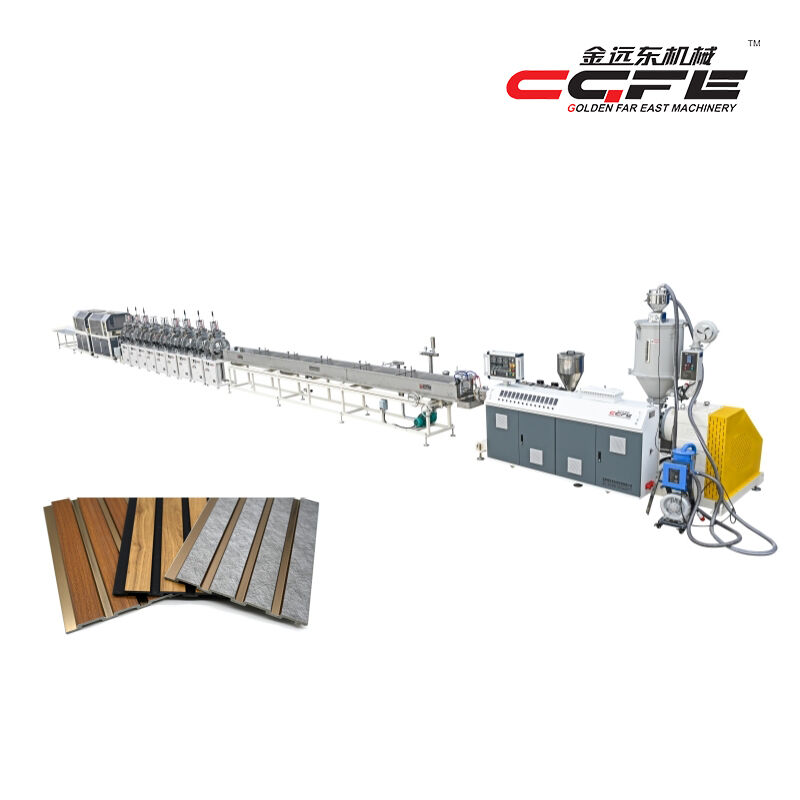
خط إنتاج ملفات البوليستيرين (PS) هو نظام تصنيعي متطور مصمم لإنتاج ملفات البوليستيرين عبر عملية بثق مستمرة. وتُحوِّل هذه المعدات الصناعية حبيبات البوليستيرين الأولية إلى ملفات ذات أشكال دقيقة تُستخدم في قطاعات البناء والتغليف والصناعات automobile والتطبيقات الصناعية المتنوعة. ويضم خط إنتاج ملفات البوليستيرين (PS) عدة مكونات، من بينها آلات البثق وقوالب التشكيل وأنظمة التبريد وأجهزة القطع، وذلك لإنتاج ملفات بوليستيرين متسقة عالي الجودة وفق مواصفات أبعاد دقيقة.
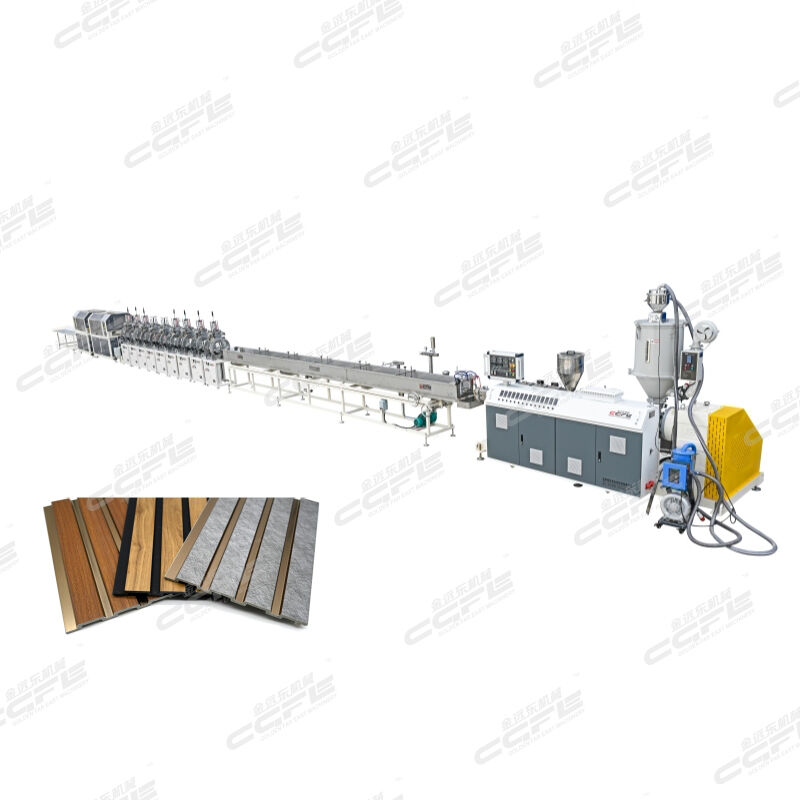
إن فهم كيفية عمل خط إنتاج ملفات البوليستيرين (PS) أمرٌ بالغ الأهمية للمصنّعين الذين يفكرون في إنتاج ملفات البوليستيرين أو ترقية قدراتهم الإنتاجية الحالية. ويتضمن عملية الإنتاج تسخين راتنج البوليستيرين حتى درجة انصهاره، ثم دفع المادة المنصهرة عبر قوالب مصممة خصيصًا، وتبريد الملفات الخارجة من القالب، وقطعها إلى الأطوال المطلوبة. وتضم أنظمة خطوط إنتاج ملفات البوليستيرين الحديثة تقنيات تحكم متقدمة تضمن ثبات جودة الناتج، وتقلل من هدر المواد، وتحسّن كفاءة الإنتاج عبر مختلف أشكال الملفات وسمكها.
المكونات الأساسية لخط إنتاج ملفات البوليستيرين (PS)
نظام الطارد ومعالجة المواد
يُعتبر المضخّة الطاردة قلب أي خط إنتاج ملفات البوليستيرين (PS)، وهي مسؤولة عن إذابة المادة الخام من البوليستيرين وتجانسها. وتُستخدم عادةً مضخّات طاردة ذات برغي واحد أو ذات برغيين، حيث تتفوّق المضخّات ذات البرغيين في قدراتها على الخلط والتحكم في درجة الحرارة. ويحتوي جسم المضخّة الطاردة على مناطق تسخين ترفع تدريجيًّا درجة حرارة حبيبات البوليستيرين من الظروف المحيطة إلى حوالي ١٨٠–٢٢٠°م، مما يضمن الإذابة الكاملة دون حدوث تحلل حراري.
وفي داخل المضخّة الطاردة، تقوم آلية برغي دوّارة بنقل مادة البوليستيرين إلى الأمام مع تطبيق طاقة ميكانيكية عبر الاحتكاك والانضغاط. ويتكوّن تصميم البرغي من مناطق مختلفة مُحسَّنة لوظائف التغذية والإذابة والخلط والضخ. وتراقب أنظمة التحكم في درجة الحرارة كل منطقة تسخين بشكل مستقل، ما يتيح للمُشغِّلين ضبط الملامح الحرارية استنادًا إلى درجة البوليستيرين (PS) المُعالَجة تحديدًا وخصائص الملف المطلوبة.
تُوفِّر أنظمة تغذية المواد كمياتٍ ثابتةً من حبيبات البوليستيرين (PS) إلى قادوس الطارد، وغالبًا ما تتضمَّن معدات جرع وزنية أو حجمية. خط إنتاج ملف التعريف PS وتتضمن بعض التكوينات المتقدمة أنظمة تجفيف للمواد لإزالة الرطوبة من الإضافات الماصة للماء، مما يمنع حدوث مشكلات في الجودة مثل العيوب السطحية أو التباينات الأبعادية في المقاطع النهائية.
تصميم القالب وتشكيل المقطع
يُحدِّد قالب الطرد الشكل الهندسي النهائي للمقطع العرضي للمقاطع التي تُنتَج بواسطة خط إنتاج مقاطع البوليستيرين (PS). ويقتضي تصميم القالب هندسة دقيقة تأخذ في الاعتبار خصائص تدفُّق المادة ومعدلات الانكماش والتسامحات الأبعادية. وتتكوَّن مجموعة القالب عادةً من عدة مكونات تشمل جسم القالب، والعمود المركزي (الماندل)، وآليات الضبط التي تسمح بالضبط الدقيق لسُمك الجدران وأبعاد المقطع.
يُضمن تصميم قناة التدفق داخل القالب توزيعًا متجانسًا للمواد عبر المقطع العرضي للملف. وتقلل مسارات التدفق المُحسَّنة من الانخفاضات في الضغط وتمنع ركود المادة الذي قد يؤدي إلى تباين في اللون أو تلوث. وتحافظ أنظمة التحكم في درجة حرارة القالب على ظروف المعالجة المثلى، مما يمنع التصلُّب المبكر أو التحلُّل المفرط للمادة أثناء عملية التشكيل.
تتيح أنظمة القوالب القابلة للتغيير السريع لمشغِّلي خط إنتاج الملفات البلاستيكية (PS) التحويل بين أشكال ملفات مختلفة بأقل وقت توقف ممكن. كما تسمح التصاميم الوحدوية للقوالب بإنتاج مختلف أشكال الملفات، بما في ذلك الأقسام المجوفة والملفات الصلبة والهندسات المعقدة التي تحتوي على تجاويف داخلية أو نسيج سطحي.
عملية الإنتاج والتسلسل التشغيلي
تحضير المادة وإدخالها في النظام
تبدأ خط إنتاج ملفات البوليستيرين (PS) التشغيل مع إعداد المواد بشكلٍ مناسب، مما يضمن جودة المدخلات باستمرار، وهي عاملٌ يؤثر مباشرةً في خصائص المنتج النهائي. وتُفَحَّص حبيبات البوليستيرين الأولية للتحقق من وجود ملوثاتٍ ورطوبةٍ وتوزيعٍ لحجم الجسيمات. كما تقوم أنظمة مناولة المواد بنقل راتنج البوليستيرين (PS) من صوامع التخزين إلى خط الإنتاج مع الحفاظ على النظافة ومنع التلوث الناجم عن المصادر الخارجية.
يتم دمج المضافات خلال مرحلة التغذية، حيث تُخلَط الملونات والمواد المثبتة ومثبطات اللهب أو غيرها من المركبات المحسِّنة للأداء مع راتنج البوليستيرين (PS) الأساسي. وتضمن أنظمة القياس الدقيق تركيزات متسقة من المضافات طوال فترة التشغيل الإنتاجي، ما يحافظ على الخصائص الموحدة في الملفات المقذوفة.
قد يكون تكييف درجة حرارة المادة الخام ضروريًّا لبعض درجات البوليستيرين (PS) أو عند معالجة المحتوى المعاد تدويره. وتُستخدم أنظمة التسخين المبدئي لرفع درجة حرارة المادة إلى درجات التغذية المثلى، مما يقلل الحمل الحراري الواقع على مكبس الطرد ويحسّن الكفاءة الطاقية العامة لخط إنتاج ملفات البوليستيرين (PS).
الطرد وتشكيل الملفات
وأثناء مرحلة الطرد، يقوم خط إنتاج ملفات البوليستيرين (PS) بتحويل حبيبات البوليستيرين الصلبة إلى تيارات مستمرة من المادة المنصهرة التي تأخذ الشكل المحدَّد بواسطة هندسة القالب. ويتم التحكم بدقة في سرعة دوران المسمار ودرجات حرارة البرميل ومعدل تدفق المادة للحفاظ على ظروف المعالجة المستقرة. وتتعرَّض المادة المنصهرة من البوليستيرين (PS) لظاهرة تسخين القص أثناء انتقالها عبر مكبس الطرد، ما يستلزم إدارة دقيقة لدرجة الحرارة لمنع ارتفاعها بشكل مفرط.
توفر أنظمة مراقبة الضغط الموزَّعة على طول برميل الطارد وملحقات القالب تغذيةً راجعةً فوريةً حول ظروف المعالجة. ويقوم المشغلون بضبط المعايير استنادًا إلى قراءات الضغط للحفاظ على خصائص التدفق المثلى ومنع المشكلات مثل تحلُّل المادة أو عدم الاستقرار الأبعادي في المقاطع المستخرجة.
يمثِّل الانتقال من الطارد إلى ملحقات القالب مرحلةً حرجةً يجب أن يظل فيها تدفق المادة منتظمًا ولامينيًّا. وتقوم صفائح التفتيت وعبوات الشبكات بترشيح الملوِّثات مع إحداث ضغط عكسيٍّ كافٍ لضمان الخلط الكامل للمادة والتجانس التام قبل تشكيل المقاطع.
أنظمة التبريد وتثبيت المقاطع
طرق التبريد الأولية
فور خروج الملامح المصنوعة من البوليستيرين (PS) من القالب، تدخل مباشرةً قسم التبريد في خط إنتاج ملامح البوليستيرين، حيث يؤدي الانخفاض السريع في درجة الحرارة إلى تثبيت بنية المادة. وتُعد طريقة التبريد باستخدام حوض الماء أكثر طرق التبريد الأولية شيوعًا، حيث يُحافظ الماء الخاضع للتحكم في درجة حرارته على معدلات تبريد مثلى تناسب مختلف سماكات الملامح وأشكالها الهندسية.
وتضمن أنظمة المعايرة الموجودة داخل منطقة التبريد الدقة الأبعادية لملامح البوليستيرين (PS) من خلال توفير دعم خارجي أثناء عملية التصلّب. وتقوم أكمام المعايرة المدعومة بالفراغ بسحب الملامح الدافئة والقابلة للتشكل ضد أسطح مصنَّعة بدقة، مما يحافظ على الأبعاد الدقيقة وجودة التشطيب السطحي.
قد تُستخدم أنظمة التبريد بالهواء كوسيلة تكميلية أو بديلة للتبريد بالماء في تطبيقات معينة للملامح التي يجب فيها تجنّب رطوبة السطح. وتوفّر دوران الهواء الإ принادي مع التحكم في درجة الحرارة معدلات تبريد خاضعة للضبط، مع الحفاظ على حالة جفاف السطح طوال عملية التبريد.
المعالجة الثانوية والتحكم في الجودة
بعد التبريد الأولي، تمرّ ملفات البوليستيرين (PS) بعمليات المعالجة الثانوية التي تعدّها للعمليات اللاحقة. وتقوم أنظمة السحب بجر الملفات عبر خط إنتاج ملفات البوليستيرين (PS) بسرعات مضبوطة، للحفاظ على التوتر المناسب ومنع التشوه أثناء مراحل التبريد والقطع.
وتراقب أنظمة التحكم في الجودة باستمرار أبعاد الملفات وجودة سطحها وغيرها من المعايير الحرجة. وتوفر أجهزة القياس بالليزر وأنظمة الرؤية وأجهزة القياس التلامسية تغذيةً راجعةً فوريةً حول جودة الإنتاج، مما يُفعِّل التعديلات التلقائية عند انحراف أيٍّ من المعايير خارج الحدود المسموح بها.
وتقوم أنظمة القطع حسب الطول بقطع ملفات البوليستيرين (PS) المستمرة بدقة إلى الأطوال المحددة، وذلك باستخدام شفرات منشار أو أنظمة سكاكين مصممة خصيصًا لمادة البوليستيرين. ويؤثر معدل سرعة القطع واختيار الشفرة على جودة النهايات السطحية والدقة البعدية للأطراف المقطوعة.
ميزات التحكم في العمليات والأتمتة
أنظمة إدارة درجة الحرارة
تتضمن أنظمة خط إنتاج ملفات البوليستيرين (PS) المتقدمة شبكات تحكم حراري متطورة تراقب وتنظم الظروف الحرارية طوال العملية. وتُحافظ وحدات التحكم من نوع PID على درجات الحرارة المُحددة بدقة في كل منطقة من مناطق الطارد، وفي قسم القالب، وفي نظام التبريد، مع الاستجابة التلقائية للتغيرات في العملية أو في المواد.
وتتيح إمكانيات رسم الملفات الحرارية للمشغلين إنشاء منحنيات درجة الحرارة المثلى لمختلف درجات البوليستيرين (PS) وهندسات الملفات. كما تقوم أنظمة إدارة الوصفات بتخزين معايير المعالجة المُثبتة نجاحها، مما يسمح بإجراء تغييرات سريعة في الإعدادات عند التحويل بين أنواع الملفات المختلفة أو مواصفات المواد.
وتلتقط أنظمة استعادة الطاقة الحرارة المهدرة الناتجة عن عملية الطرد، مستخدمةً إياها لتسخين المواد الداخلة مسبقاً أو لتوفير التدفئة المكانية لمنشآت الإنتاج. وتحسّن هذه الميزات الكفاءة الطاقية العامة، بينما تقلل في الوقت نفسه تكاليف تشغيل خط إنتاج ملفات البوليستيرين (PS).
مراقبة الإنتاج وإدارة البيانات
تشمل تركيبات خطوط إنتاج ملفات البوليستيرين (PS) الحديثة أنظمة شاملة لجمع البيانات تسجّل جميع المعايير العملية الحرجة طوال دورات الإنتاج. ويُستخدم تحليل البيانات التاريخية لتحديد الاتجاهات والتنبؤ باحتياجات الصيانة وتحسين ظروف المعالجة لزيادة الإنتاجية وتحقيق اتساقٍ أعلى في الجودة.
تتيح إمكانيات المراقبة عن بُعد الإشراف على عمليات الإنتاج من غرف التحكم المركزية أو المواقع الخارجية. كما تسمح الاتصالات الشبكية بإدماج النظام مع أنظمة تخطيط موارد المؤسسة، مما يوفّر بيانات إنتاج فورية لأغراض الجدولة وإدارة المخزون وضمان الجودة.
تنبّه أنظمة الإنذار والإشعارات المشغلين إلى الانحرافات العملية أو أعطال المعدات أو المشكلات المتعلقة بالجودة التي تتطلب انتباهاً فورياً. وتقوم متسلسلات الإيقاف الآلي بحماية المعدات وتقليل هدر المواد عند تجاوز المعايير الحرجة لحدود التشغيل الآمن.
التطبيقات واعتبارات المادة
التطبيقات الصناعية لملفات البوليستيرين (PS)
تُستخدم ملفات PS المصنَّعة على معدات خط إنتاج مخصصة لملفات PS في تطبيقات صناعية متنوعة، حيث توفر المواد خفيفة الوزن والعازلة وسهلة المعالجة أداءً مثاليًّا. وتشمل تطبيقات البناء الإطارات النافذية، وملفات الأبواب، والتجهيزات المعمارية، ومكونات العزل، التي تقدِّم فيها ملفات PS خصائص حرارية ممتازة ومقاومة جيدة للعوامل الجوية.
وتستفيد تطبيقات التغليف من ملفات PS في أنظمة التغليف الواقية، ووحدات العرض، والمكونات الهيكلية داخل حاويات الشحن. كما أن مقاومة المادة للتأثير والاستقرار البُعدي يجعلانها مناسبةً للتطبيقات التي تتطلب أداءً ثابتًا تحت ظروف بيئية متغيرة.
وتستخدم قطاعات السيارات ووسائل النقل ملفات PS في مكونات التزيين الداخلية، والتعزيزات الهيكلية، والألواح خفيفة الوزن، حيث يسهم خفض الوزن في تحسين كفاءة استهلاك الوقود دون المساس بمتطلبات السلامة أو المتانة.
اختيار درجة المادة ومتغيرات المعالجة
تتطلب درجات البوليستيرين المختلفة متغيرات معالجة محددة على خط إنتاج الملامح البلاستيكية من البوليستيرين (PS) لتحقيق أفضل النتائج. ويُوفِّر البوليستيرين العام خصائص شفافية ممتازة وسهولة في المعالجة، ما يجعله مناسبًا للتطبيقات التي تتطلب ملامح شفافة أو شبه شفافة وتتمتع بخصائص بصرية.
يحتوي البوليستيرين عالي التأثير (HIPS) على مواد مُعدِّلة مطاطية تحسّن المتانة ومقاومة الصدمات، لكنها تتطلب تعديلات في درجات حرارة المعالجة ومعدلات التبريد. ويجب أن يكون خط إنتاج الملامح البلاستيكية من البوليستيرين قادرًا على استيعاب الخصائص الحرارية المختلفة لـ HIPS مقارنةً بدرجات البوليستيرين القياسية.
تحتوي درجات البوليستيرين المقاومة للهب على إضافات متخصصة تتطلب تحكُّمًا دقيقًا في درجة الحرارة لمنع تحلُّل هذه الإضافات، مع الحفاظ في الوقت نفسه على خصائص مقاومة اللهب في الملامح النهائية. ويضمن تحسين متغيرات المعالجة توزيعًا متسقًّا للمواد المقاومة للهب عبر مقطع الملامح بالكامل.
الأسئلة الشائعة
ما هي سرعات الإنتاج النموذجية لخط إنتاج ملفات البوليستيرين (PS)؟
تتراوح سرعات الإنتاج لأنظمة خط إنتاج ملفات البوليستيرين (PS) عادةً بين ٠٫٥ و١٥ مترًا في الدقيقة، وذلك تبعًا لتعقيد الملف، وسُمك الجدار، ومتطلبات التبريد. ويمكن لملفات الصلبة البسيطة أن تحقق سرعات أعلى، بينما تتطلب الملفات المجوفة المعقدة ذات الجدران السميكة سرعات أبطأ لضمان التبريد المناسب والاستقرار الأبعادي. ويُحقِّق تحسين سرعة الخط توازنًا بين الإنتاجية ومتطلبات الجودة الخاصة بكل تطبيق من تطبيقات الملفات.
كيف يؤثر سُمك الملف على تشغيل خط إنتاج ملفات البوليستيرين (PS)؟
يؤثر سمك الملف الشخصي بشكل كبير على متطلبات زمن التبريد وقدرات سرعة الإنتاج لخط إنتاج ملفات الـ PS. فتتطلب الملفات الأسمك فترات تبريد أطول لتحقيق التصلب الكامل عبر المقطع العرضي بالكامل، مما يستدعي مناطق تبريد أطول أو خفض سرعات الخط. كما يجب أن يراعي تصميم القالب متطلبات تدفق المادة المختلفة حسب سمك الملفات، حيث تتطلب الأجزاء الأسمك ضغوط بثق أعلى وملفات حرارية معدلة.
ما المتطلبات النموذجية للصيانة لمعدات خط إنتاج ملفات الـ PS؟
تشمل الصيانة الدورية لمعدات خط إنتاج ملفات البوليستيرين (PS) التنظيف اليومي لأسطح القوالب وأنظمة التبريد، والفحص الأسبوعي للمكونات العرضة للتآكل مثل البراغي والأسطوانات، والمعايرة الشهرية لأجهزة استشعار درجة الحرارة والضغط. وينبغي فحص برغي وماسورة المضخّة الطاردة (Extruder) كل ٣–٦ أشهر وفقًا لحجم الإنتاج، بينما يُوصى بتنظيف وتقييم تجميع القالب بالكامل مرة كل ثلاثة أشهر. وتساعد جداول الصيانة الوقائية في الحفاظ على ثبات جودة المنتج وتقليل توقفات التشغيل غير المتوقعة.
هل يمكن لخط إنتاج ملفات البوليستيرين (PS) الواحد أن يتعامل مع أشكال هندسية متعددة للملفات؟
يمكن لأنظمة خطوط إنتاج ملفات الـ PS الحديثة استيعاب هندسات ملفات متعددة من خلال أنظمة قوالب قابلة للتغيير السريع ومعدات معايرة قابلة للضبط. وعادةً ما تتطلب تغييرات الملفات من ساعتين إلى أربع ساعات لإتمام عملية استبدال القوالب بالكامل، وتصريف المواد، وضبط معالم العملية. ومع ذلك، فقد تؤثر تغييرات الملفات المتكررة سلبًا على الإنتاجية العامة، لذا ينبغي عند جدولة الإنتاج تجميع الملفات المتشابهة معًا قدر الإمكان. وبعض المنشآت تستخدم عدة خطوط أصغر مخصصة لكل عائلة من عائلات الملفات بدلًا من إجراء تغييرات متكررة على خط إنتاج واحد كبير.