PPR Air Pipe Line Systems - Advanced Pneumatic Distribution Solutions for Industrial Applications

Get a Free Quote

Our representative will contact you soon.
Email
Name
Company Name
Message
0/1000

ppr air pipe line

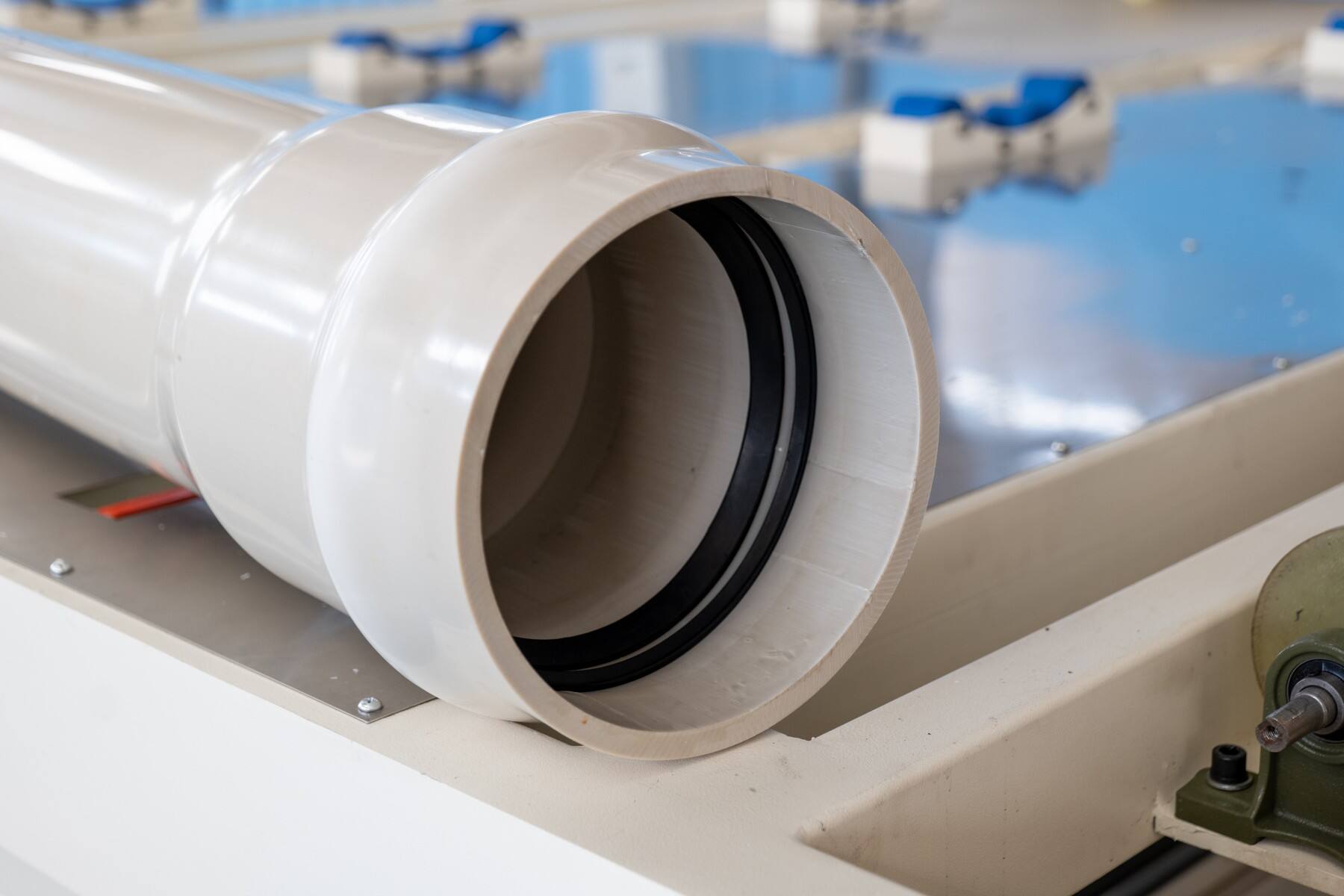
PPR air pipe line represents a revolutionary advancement in pneumatic distribution systems, utilizing polypropylene random copolymer technology to deliver compressed air efficiently across industrial and commercial environments. This innovative piping solution combines the durability of traditional metal systems with the lightweight flexibility that modern applications demand. The PPR air pipe line system operates through a network of interconnected pipes, fittings, and manifolds designed to transport compressed air from compressors to various endpoints throughout facilities. The main function centers on providing consistent, reliable air pressure distribution while minimizing energy losses commonly associated with conventional piping materials. Technological features of PPR air pipe line include superior chemical resistance, excellent thermal stability, and smooth internal surfaces that reduce friction and pressure drops. The material composition ensures long-term performance without the corrosion issues that plague metal alternatives. Installation becomes significantly simpler through heat fusion welding techniques that create permanent, leak-proof connections without requiring threads, gaskets, or additional sealing compounds. The PPR air pipe line system accommodates working pressures up to 25 bar and temperatures ranging from -10°C to 95°C, making it suitable for diverse industrial applications. Smart design elements include modular components that enable easy system expansion and modification as operational requirements evolve. Applications span manufacturing facilities, automotive workshops, pharmaceutical plants, food processing centers, and construction sites where reliable compressed air delivery is essential. The PPR air pipe line technology integrates seamlessly with existing pneumatic equipment while offering enhanced performance characteristics that traditional systems cannot match.

Popular Products

PPR air pipe line systems deliver exceptional cost savings through reduced installation time and lower maintenance requirements compared to traditional metal piping solutions. Installation crews complete projects faster because the lightweight materials are easier to handle and transport throughout facilities. The heat fusion welding process creates permanent joints in minutes rather than hours, eliminating the need for threading, cutting, and complex fitting procedures. Maintenance costs decrease dramatically since PPR air pipe line systems resist corrosion, scaling, and chemical degradation that typically require expensive repairs in metal systems. Energy efficiency improvements result from the smooth interior surfaces of PPR air pipe line components, which minimize pressure drops and reduce compressor workload. Facilities experience lower electricity consumption because compressed air travels more efficiently through the system, maintaining consistent pressure at all endpoints. The PPR air pipe line material properties ensure consistent performance over decades without the gradual deterioration seen in alternative materials. Leak prevention becomes inherent to the system design since fusion welded joints create molecular bonds stronger than the pipe material itself. This reliability translates to consistent production schedules and reduced downtime for emergency repairs. Flexibility advantages allow PPR air pipe line systems to accommodate building movements, thermal expansion, and vibrations without developing stress cracks or joint failures. Environmental benefits include recyclability of all system components and elimination of heavy metals or toxic materials found in some traditional piping options. Worker safety improves through lighter weight components that reduce installation injuries and eliminate exposure to metal cutting debris or chemical sealants. The PPR air pipe line systems provide superior performance in extreme temperature environments where metal pipes might become brittle or expand excessively. Quality control benefits emerge from standardized manufacturing processes that ensure consistent wall thickness, dimensional accuracy, and material properties across all components. Long-term value proposition includes extended service life, reduced replacement frequency, and minimal system modifications required for changing operational needs.

Practical Tips

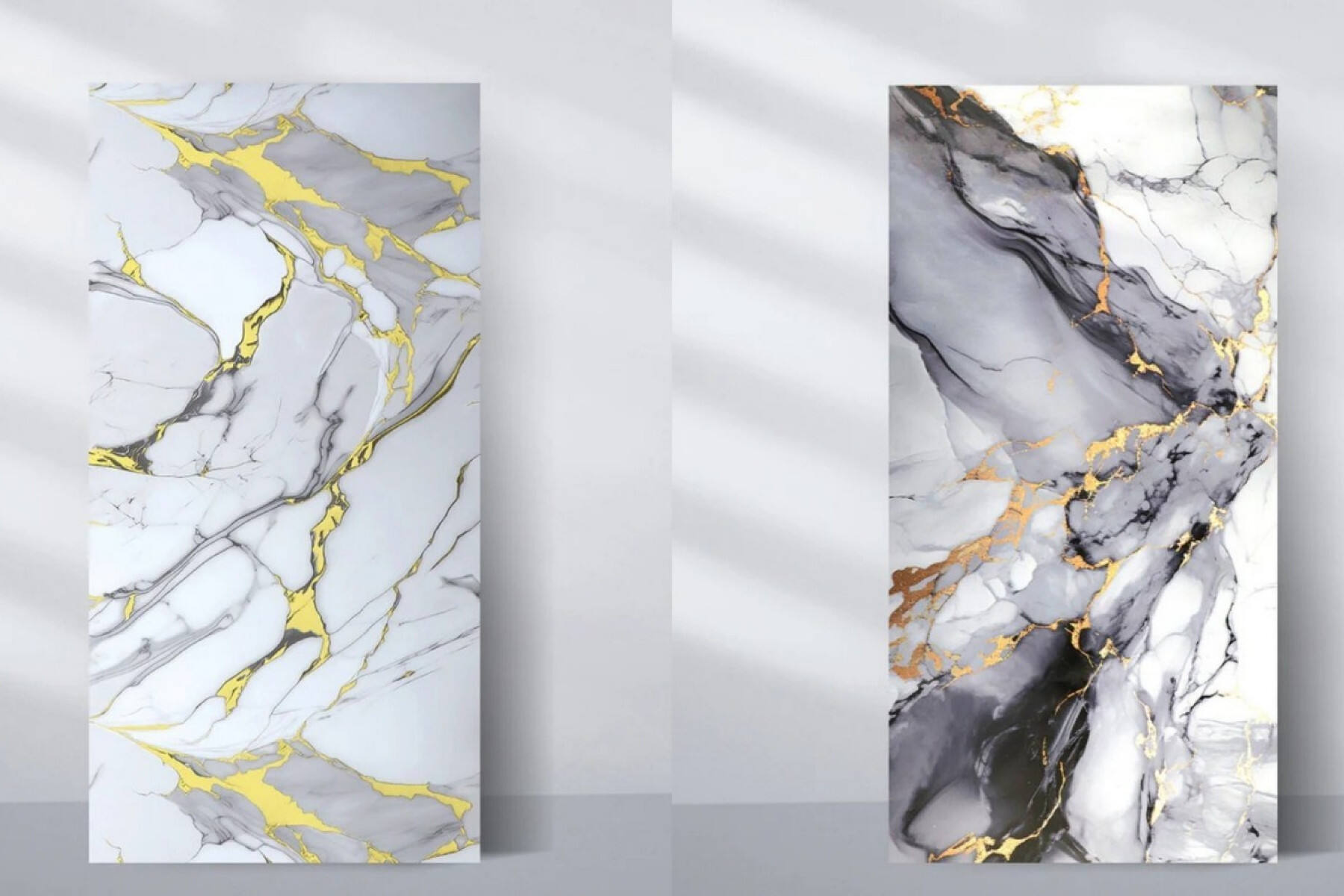
PVC  marble sheet production line-creating a new choice for high-quality decoration

15

Dec

PVC marble sheet production line-creating a new choice for high-quality decoration

View More
Optimizing Production with PVC Pipe Extrusion Machine Lines

15

Dec

Optimizing Production with PVC Pipe Extrusion Machine Lines

View More
Optimizing Performance and Sustainability in PE Pipe Extrusion: Innovations and Best Practices

15

Dec

Optimizing Performance and Sustainability in PE Pipe Extrusion: Innovations and Best Practices

View More

Get a Free Quote

Our representative will contact you soon.
Email
Name
Company Name
Message
0/1000

ppr air pipe line

Advanced Corrosion Resistance Technology

Advanced Corrosion Resistance Technology

PPR air pipe line systems incorporate advanced polypropylene random copolymer technology that provides unmatched resistance to corrosion, chemical attack, and environmental degradation. This revolutionary material composition eliminates the oxidation problems that plague traditional metal piping systems, ensuring decades of reliable service without performance degradation. The molecular structure of PPR air pipe line materials creates an impermeable barrier against moisture, acids, bases, and industrial solvents commonly found in manufacturing environments. Unlike galvanized steel or aluminum pipes that develop rust, scale buildup, and pinhole leaks over time, PPR air pipe line systems maintain their original performance characteristics throughout their operational lifetime. The corrosion resistance extends to both internal and external surfaces, protecting against condensation damage inside the pipes and environmental exposure outside. This comprehensive protection translates to significant cost savings by eliminating the need for protective coatings, regular cleaning procedures, and premature system replacement. Manufacturing facilities benefit from consistent air quality since PPR air pipe line systems do not introduce metal particles, rust flakes, or chemical contaminants into the compressed air stream. The inert nature of the material ensures that sensitive applications such as pharmaceutical production, food processing, and electronics manufacturing receive clean, uncontaminated air supply. Additionally, the corrosion resistance properties of PPR air pipe line systems enable installation in challenging environments including coastal areas with salt air exposure, chemical processing plants, and outdoor applications where traditional materials would fail rapidly. The long-term reliability reduces maintenance scheduling complexity and allows facility managers to focus resources on productive activities rather than constant system repairs and replacements.
Energy Efficient Smooth Flow Technology

Energy Efficient Smooth Flow Technology

PPR air pipe line systems feature engineered smooth internal surfaces that dramatically improve energy efficiency by minimizing friction losses and pressure drops throughout the distribution network. The manufacturing process creates perfectly smooth bore diameters with surface roughness values significantly lower than traditional metal pipes, allowing compressed air to flow with minimal resistance. This smooth flow technology translates directly to reduced energy consumption since compressors work less intensively to maintain required system pressures at all endpoints. Facilities typically experience 15-25% reductions in compressed air energy costs after converting to PPR air pipe line systems from conventional piping materials. The energy savings accumulate continuously over the system's operational lifetime, providing substantial return on investment through lower electricity bills and reduced compressor wear. Engineering calculations demonstrate that PPR air pipe line systems maintain higher pressures over longer distances compared to equivalent diameter metal pipes, enabling more efficient system layouts and reduced compressor sizing requirements. The smooth flow characteristics also eliminate the turbulence and pressure fluctuations that can damage sensitive pneumatic equipment or cause inconsistent performance in production processes. Quality control during manufacturing ensures consistent internal dimensions throughout each pipe section, eliminating the variations and imperfections common in threaded metal joints that create flow restrictions. System designers benefit from predictable pressure drop calculations when planning PPR air pipe line installations, enabling optimized layouts that maximize efficiency while minimizing material costs. The thermal properties of PPR materials also contribute to energy efficiency by providing better insulation than metal pipes, reducing heat loss from compressed air and minimizing condensation formation that can impair system performance and create maintenance issues.
Rapid Installation and Maintenance Benefits

Rapid Installation and Maintenance Benefits

PPR air pipe line systems revolutionize installation procedures through innovative heat fusion welding technology that creates permanent, leak-proof connections in a fraction of the time required for traditional threaded or flanged systems. The fusion welding process uses specialized heating tools to join pipes and fittings at the molecular level, creating joints stronger than the original pipe material without requiring threads, gaskets, sealants, or mechanical fasteners. Installation teams complete complex piping networks rapidly since the lightweight PPR air pipe line components are easily transported and positioned throughout facilities without heavy lifting equipment. The modular design philosophy enables pre-fabrication of complex assemblies in controlled workshop environments, then rapid final installation on-site with minimal disruption to ongoing operations. Training requirements for installation crews are significantly reduced compared to traditional systems since the fusion welding process follows standardized procedures that eliminate the variables associated with threading, cutting, and sealing operations. Quality assurance becomes inherent to the installation process since properly executed fusion welds are immediately visible and testable, eliminating concerns about hidden defects or gradual joint deterioration. Maintenance advantages of PPR air pipe line systems include the virtual elimination of routine joint inspections, gasket replacements, and leak repairs that consume significant resources in traditional systems. The permanent nature of fusion welded connections means that properly installed PPR air pipe line systems require minimal ongoing maintenance beyond occasional visual inspections and routine system testing. System modifications and expansions are easily accommodated through the same fusion welding procedures, enabling facilities to adapt their compressed air distribution as operational requirements evolve. Emergency repairs, when necessary, follow the same straightforward procedures and can be completed quickly with minimal system downtime, ensuring production continuity and reducing the business impact of unexpected maintenance events.

Get a Free Quote

Our representative will contact you soon.
Email
Name
Company Name
Message
0/1000